Honda Ridgeline Trim Comparison Chart: 2026 Features And Specs

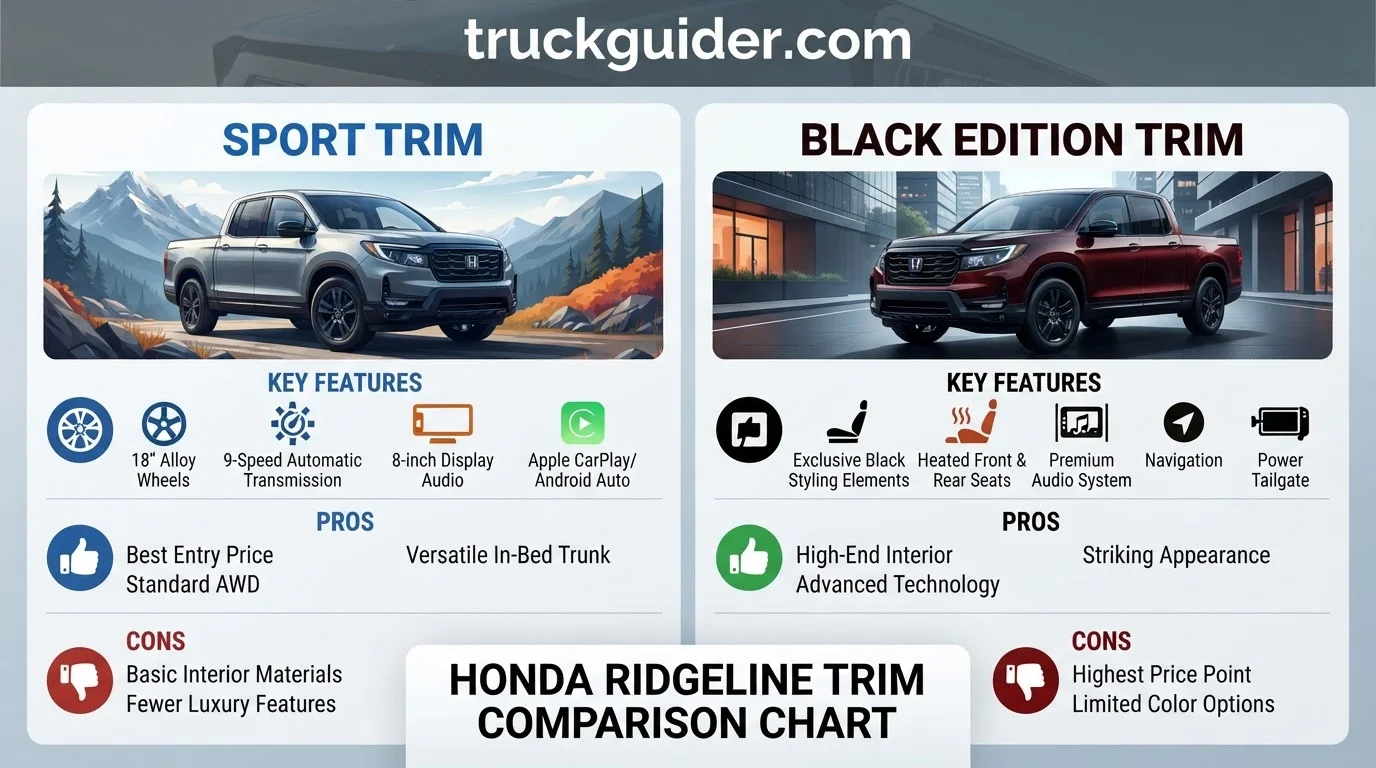
The Honda Ridgeline is available in four distinct trim levels: Sport, RTL, TrailSport, and Black Edition. Each trim shares a standardized 280-horsepower V6 engine and all-wheel-drive system, with variations centered on interior luxury, technology features, and off-road capability. This guide provides a detailed breakdown of these differences, helping you identify which configuration best aligns with your specific utility needs and comfort requirements.

Honda Ridgeline Trim Comparison Chart: Feature Breakdown
Recommended Best Deal Products


How to Read This Chart
This chart categorizes the current 2026 Honda Ridgeline trim hierarchy, moving from the entry-level Sport to the range-topping Black Edition. Each column represents a distinct trim, allowing for a side-by-side comparison of comfort and technology upgrades.
Note that while trim features vary, the Ridgeline’s core engineering remains consistent across the board. Every model utilizes a unibody construction, providing a smoother ride quality than traditional body-on-frame trucks. Furthermore, mechanical constants—such as the intelligent Variable Torque Management (i-VTM4) AWD system—are included as standard equipment on every trim level.
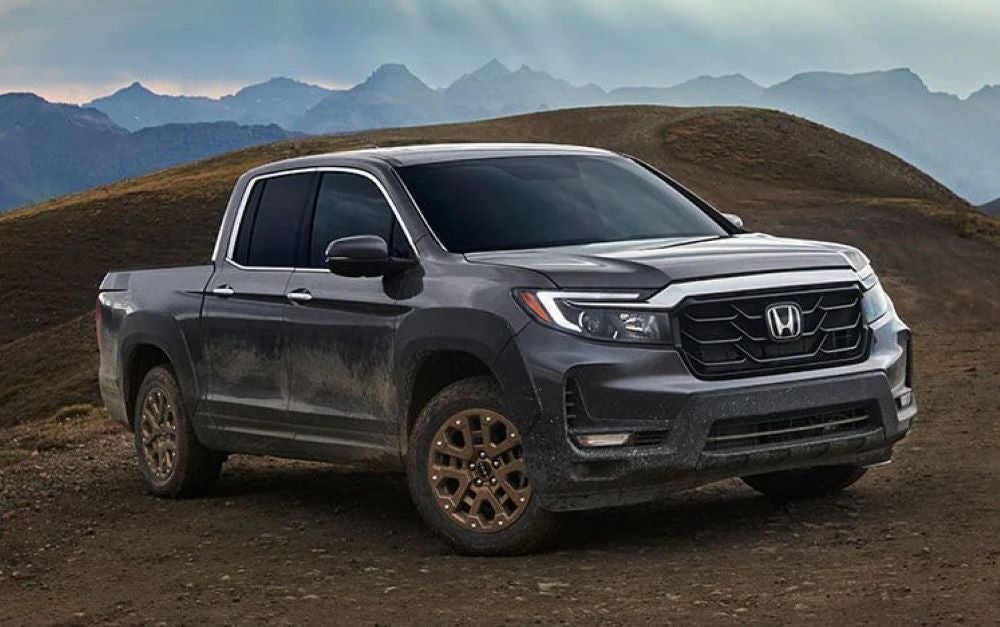
Practical utility features are also non-negotiable standards. Regardless of the trim you select, every Ridgeline includes the signature dual-action tailgate, which swings out sideways or drops down normally, and the lockable, weather-sealed in-bed trunk. Use this table to isolate which premium amenities, such as leather seating or upgraded audio systems, define the transition between the baseline model and higher-tier luxury configurations.
Mechanical Specifications and Powertrain Consistency
| Metric | Specification |
|---|---|
| Engine | 3.5L Direct-Injection V6 |
| Horsepower | 280 hp @ 6,000 rpm |
| Transmission | 9-Speed Automatic |
| Drivetrain | i-VTM4 AWD (Standard) |
| Max Towing Rating | 5,000 lbs |
How to Read This Chart
This table outlines the core mechanical hardware shared by every modern Honda Ridgeline trim. The “Metric” column defines the component or performance capability, while the “Specification” column lists the universal standard for these vehicles.
Note that horsepower, engine type, transmission, and drivetrain are identical regardless of whether you choose the entry-level Sport or the top-tier Black Edition. The towing capacity listed applies to all trims, provided the vehicle is properly equipped.
Why the i-VTM4 Drivetrain is Standard on All Trims
Honda has streamlined the Ridgeline lineup by making the Intelligent Variable Torque Management (i-VTM4) all-wheel-drive system a standard feature across all trims. This decision ensures that every buyer benefits from the same sophisticated traction control and handling characteristics.
The i-VTM4 system utilizes an electronically controlled rear differential that actively distributes power between the left and right rear wheels. By doing so, it enhances cornering agility and provides confidence on low-traction surfaces like mud, sand, or snow.
Because this hardware is baked into the chassis architecture, you do not need to upgrade to a more expensive trim to unlock the truck’s full off-road or inclement weather potential. The powertrain remains consistent to prioritize structural and mechanical reliability across the board.
The Ridgeline’s 3.5L V6 engine utilizes Variable Cylinder Management (VCM), which seamlessly disables cylinders under light engine loads to improve overall fuel efficiency without sacrificing power when you need it.

Audible — Listen Free for 30 Days
One free credit a month and thousands of titles included.
Listen Free for 30 DaysDebunking Ridgeline Performance Myths
A common misconception among truck shoppers is that higher-priced trims include performance upgrades like higher horsepower or increased towing capacity. In reality, the Ridgeline’s mechanical profile is locked in from the base model through the luxury variants.
Upgrading your trim level changes the cabin experience, the infotainment features, and the exterior aesthetic, but it does not alter the engine output. Every Ridgeline produces 280 horsepower and 262 lb-ft of torque, ensuring consistent acceleration and utility for every owner.
Towing capacity remains stable at 5,000 pounds across all configurations. When comparing trims, focus your evaluation on interior materials, technology packages, and comfort amenities, as the mechanical performance remains identical regardless of your final selection.
Analyzing the Ridgeline Sport vs. Premium Trim Packages
Recommended Best Deal Products


| Feature | Sport Trim | RTL / Black Edition |
|---|---|---|
| Seating Material | Cloth | Leather-Trimmed |
| Audio System | 215-Watt (7 Speakers) | 540-Watt (8 Speakers) |
| Moonroof | Not Available | Standard |
How to Read This Chart
This table isolates the primary luxury differentials between the entry-level Sport and the premium RTL and Black Edition trims. The “Feature” column lists components that directly impact passenger comfort and cabin ambiance.
The “Sport Trim” column reflects standard equipment for the base model, while the “RTL / Black Edition” column indicates where features are upgraded. Note that audio wattage is expressed in total system output, highlighting the significant auditory upgrade found in the premium tiers.
Entry-Level Value: Is the Sport Trim Enough?
The Sport trim serves as the foundation for the Ridgeline lineup. It is designed for users who prioritize core functionality and utility over luxury appointments. While it lacks premium soft-touch materials, the cloth interior is durable and built to withstand the rigors of daily work or weekend utility.
Connectivity remains consistent across the board, with the Sport trim featuring the standard 9-inch color touchscreen with Apple CarPlay and Android Auto compatibility. You receive the essential technological interface without the additional costs associated with high-end interior luxury or premium audio hardware.
Choosing the Sport trim is an ideal decision if your primary goal is truck capability. You retain the exact same 3.5L V6 engine and Intelligent Variable Torque Management AWD system found in the higher trims, ensuring that you do not sacrifice towing or hauling performance by opting for the base model.
Audible Premium Plus — Annual Membership
12 audiobook credits up front, plus the full Audible catalogue.
See Annual PlansPremium Features: Is the Black Edition Worth the Upgrade?
Moving to the RTL and Black Edition trims shifts the focus toward cabin refinement. The most immediate change is the inclusion of leather-trimmed seating, which replaces the base cloth. These trims also introduce heated front seats and a power moonroof, significantly altering the vehicle’s interior environment during long drives.
The auditory experience is perhaps the most quantifiable upgrade. While the Sport trim’s 215-watt system with 7 speakers provides basic functionality, the premium trims—specifically the Black Edition—boast a 540-watt system. This jump in power and the inclusion of an 8th speaker provide a much fuller soundstage with enhanced clarity at highway speeds.
Determining if the Black Edition is worth the investment depends on your preference for comfort. Beyond the audio and seating, these trims offer acoustic glass and increased sound deadening. If you frequently transport passengers or spend extended hours in the cabin, these premium features provide a level of comfort that the utilitarian Sport trim cannot replicate.
✨ Key Benefits
Consistent Performance
Every trim level retains identical towing capacity and powertrain specs, ensuring you don’t lose performance by choosing the base model.
Premium Acoustic Experience
Upgrading to premium trims provides more than double the audio wattage, creating a vastly superior listening environment compared to the Sport.
Adventure-Focused Trims: The TrailSport Difference
Recommended Best Deal Products


| Feature | Sport Trim | TrailSport Trim |
|---|---|---|
| Tire Specification | 245/60R18 All-Season | 245/60R18 General Grabber A/T Sport |
| Suspension Tuning | Standard Road-Biased | Off-Road Tuned (Increased Rebound) |
| Skid Plate Protection | None | Steel Underbody Protection |
How to Read This Chart
This table compares the baseline Sport trim against the specialized TrailSport trim. The “Tire Specification” column highlights the shift from standard highway-biased rubber to the more aggressive General Grabber A/T Sport tires designed for loose terrain.
The “Suspension Tuning” row identifies the hardware distinction where the TrailSport utilizes specific valving to handle undulating surfaces. “Skid Plate Protection” confirms the addition of steel plates on the TrailSport, a functional feature absent on the standard Sport model.
Defining TrailSport Exterior Aesthetic Packages
The TrailSport trim distinguishes itself from the entry-level Sport trim through a specific design language. It replaces standard chrome or body-colored elements with a rugged, high-contrast look that signals off-road intent.
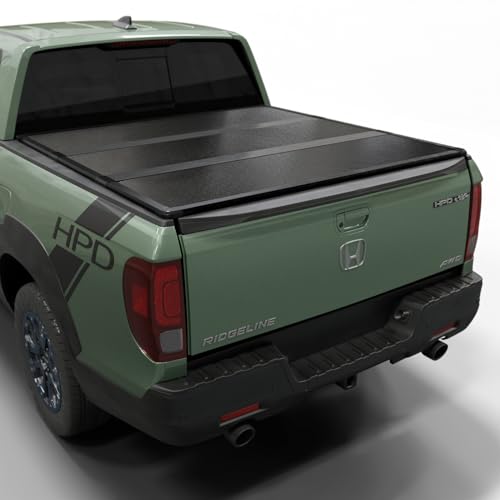
Key exterior visual identifiers include a unique front grille design with a more aggressive mesh pattern. The trim also features distinct orange TrailSport badging on the grille and tailgate, which serves as the primary visual marker compared to the more understated Sport branding.
The wheels are finished in a machine-cut alloy design specific to this trim. While the Sport trim focuses on a sleek, city-oriented profile, the TrailSport aesthetic prioritizes a dark, utilitarian finish that hides trail grime and complements its elevated ground clearance stance.
Function Over Form: Real-World Capability
Unlike the Sport trim, which relies on standard suspension geometry, the TrailSport features recalibrated springs and dampers. These adjustments are engineered specifically to manage the increased rebound forces encountered when traversing washboard roads or uneven trails.
The functional additions extend to the undercarriage. The TrailSport includes a dedicated steel skid plate that protects the oil pan from impacts with rocks or debris. The Sport trim lacks this hardware, relying on standard plastic aerodynamic shielding that is not designed for off-road obstacles.
Furthermore, the TrailSport utilizes All-Terrain tires that offer deeper tread voids than the Sport trim’s all-season tires. While both vehicles share the same i-VTM4 all-wheel-drive system, the TrailSport’s tires provide significantly more mechanical grip on loose dirt, sand, and muddy surfaces.
From an off-road perception standpoint, the Sport trim is categorized as a pavement-first vehicle. The TrailSport, however, is repositioned as a hardware-focused trim designed to bridge the gap between daily commuting and light-to-moderate recreational trail driving.
How to Identify Your Honda Ridgeline Trim Level
Determining the specific trim level of a Honda Ridgeline ensures you order the correct parts and understand your vehicle’s included features. Whether you purchased the truck pre-owned or simply need verification for insurance purposes, several definitive methods exist to pinpoint the exact configuration.
Using the VIN for Accurate Trim Verification
The Vehicle Identification Number (VIN) is the most reliable method for identifying your specific Ridgeline trim. This 17-character code contains embedded information regarding the factory-installed trim package. You can input your VIN directly into the official Honda Owners portal or use reputable third-party VIN decoders to generate a detailed build sheet.
To locate your VIN, check the driver’s side door jamb where a metal plate is permanently attached. Additionally, the VIN is visible through the bottom corner of the windshield on the driver’s side, viewed from outside the vehicle. You will also find this number printed on your official vehicle title, registration, or original window sticker.
Physical Indicators of Trim Packages
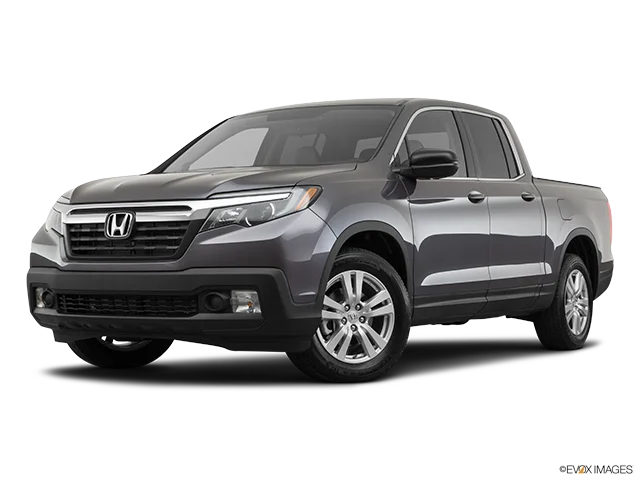
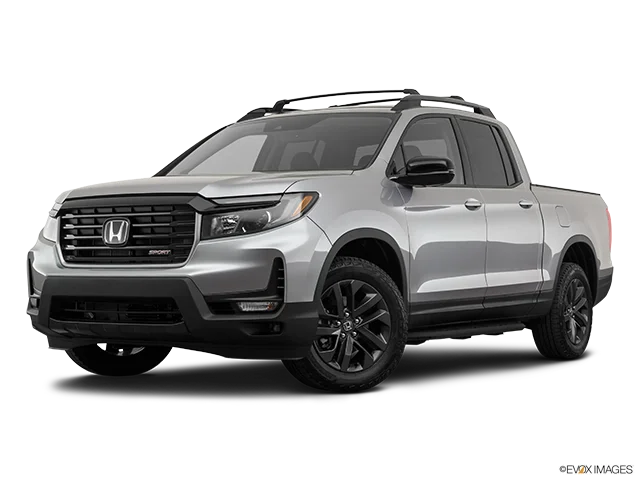
If you prefer a manual verification method, you can inspect your Ridgeline for trim-specific physical markers. Start by examining the wheels; Ridgeline trims feature distinct alloy wheel designs that differ significantly between the Sport, RTL, and Black Edition variants. Wheel diameter and finish are consistent visual cues that help distinguish lower-tier trims from premium ones.
Next, inspect the interior upholstery and exterior badging. Higher trims like the Black Edition and Trailsport often feature unique leather stitching or specific exterior emblems located on the tailgate or front fenders. Checking for amenities such as a power-sliding moonroof, truck bed audio systems, or specific grill finishes can also help narrow down your trim level.
Finally, search for the original window sticker or a dealer-provided build sheet. These documents are often kept in the glove box or with the owner’s manual folder. If these are missing, your local Honda dealership’s service department can use your VIN to pull the factory “as-built” record, which lists the exact trim and optional equipment installed at the time of assembly.
📋
Quick Verification Steps
Check the driver’s side dashboard near the windshield or the door jamb sticker for the 17-digit code.
Enter your VIN into the official Honda Owners online portal to retrieve your specific vehicle build data.
Confirm your trim by matching unique wheels, badging, and interior materials to your model year specifications.
Professional Advice for Choosing a Honda Ridgeline Trim
Selecting the right Ridgeline trim requires an honest assessment of how you will use the truck daily. Avoid the common trap of prioritizing exterior badging or aggressive aesthetics over the functional features that actually serve your routine. A vehicle is an investment in utility, so focus your budget on cabin technology and comfort rather than superficial trim-specific styling elements.
Pitfalls to Avoid When Selecting a Trim
One significant error is confusing the Ridgeline’s unibody capability with traditional body-on-frame, heavy-duty towing trucks. While the Ridgeline is remarkably capable for light hauling and camping, buyers often pay for higher trims expecting enhanced towing capacity that simply does not exist across the lineup. All trims share the same powertrain, so choose based on interior amenities rather than towing expectations.
Another pitfall is assuming that certain specialized features are modular across the entire range. Features like the unique in-bed audio system are often exclusive to specific high-end trims and cannot be added as dealer-installed options later. Carefully review the trim levels to identify which “must-have” technologies are gated behind higher price points to avoid buyer’s remorse.
Finally, be wary of overspending on premium packages if you do not value leather upholstery or advanced driver-assistance systems. If your primary goal is a durable truck for home improvement projects and light outdoor recreation, the entry-level trims offer the same structural integrity and bed utility as the top-tier models. Paying extra for features you will never use effectively lowers the overall value proposition of your purchase.
Balancing Tech Features vs. Real-World Utility
When weighing your options, look closely at your infotainment and connectivity needs. If you rely heavily on smartphone integration and premium sound quality, identify the specific trim where these features become standard. It is better to opt for a mid-range trim with the desired tech suite than to buy a high-end model just for the badge while leaving its premium interior materials exposed to heavy work gear.
Consider the environment where you spend the most time. If you live in an area with harsh winters or frequently navigate unpaved access roads, prioritize the mechanical benefits of the AWD system, which is standard on all Ridgeline models. Do not sacrifice a functional trim configuration just to gain aesthetic upgrades that do not improve the vehicle’s performance or your daily comfort.
Always audit your actual usage patterns before finalizing a purchase. If you frequently use the cargo bed for messy equipment, the utility of the lockable in-bed trunk remains consistent across every trim level. By mapping your specific lifestyle requirements—such as daily commuting comfort versus weekend cargo capacity—you can bypass marketing-heavy trim tiers and invest in the exact setup that supports your unique, real-world utility needs.
Key Takeaways
-
✓
Every 2026 Ridgeline trim features the standard 280-hp V6 engine and i-VTM4 all-wheel-drive system. -
✓
The Sport trim serves as the value-focused baseline with essential connectivity and safety features. -
✓
TrailSport models include exclusive off-road tuned suspension and all-terrain tires for better grip. -
✓
Premium trims like the Black Edition prioritize luxury cabin comforts and advanced audio technology. -
✓
Use our breakdown to identify which features are standard versus optional across the model hierarchy.
❓ Frequently Asked Questions
1
What is the Honda Ridgeline trim comparison chart?
This chart is a simplified reference tool that aligns each 2026 Ridgeline model—Sport, RTL, TrailSport, and Black Edition—with its specific features, advantages, and disadvantages. It allows buyers to quickly assess which mechanical and interior specs are standard versus exclusive to higher-tier trims.
2
How does the Ridgeline trim system work?
Honda uses a hierarchical trim strategy where the base Sport model provides the foundational mechanical powertrain, while subsequent trims add interior luxury, aesthetic styling packages, or specialized off-road hardware. This structure ensures that all buyers get the same core engine capability regardless of their selected tier.
3
Why is comparing trim levels important?
Comparing trims helps you avoid paying for premium features you do not need, or conversely, missing out on crucial functional upgrades like the TrailSport’s off-road suspension. It ensures your investment matches your real-world usage of the vehicle, whether for work or recreation.
4
What are the benefits of the 2026 Ridgeline trims?
The primary benefits include a consistent, reliable 280-hp V6 powertrain across all models and the versatility of the unibody chassis. Higher trims offer the advantage of increased cabin refinement and rugged-focused hardware, providing a tailored driving experience that suits diverse lifestyles.
5
How can I get started with choosing a trim?
Start by identifying your budget and your primary truck use case. If you prioritize utility, the Sport or RTL will suffice. If you plan to tackle light trails, focus on the TrailSport. Finally, use our comparison chart to verify which features are included in your budget range.
6
Are all Honda Ridgeline trims AWD?
Yes, modern Ridgelines come standard with the i-VTM4 all-wheel-drive system.