Tonneau Cover vs Bed Cover (2026): Tested Head-to-Head

You are standing in the accessories aisle—or perhaps scrolling through a dozen browser tabs—paralyzed by a choice that feels consequential. Every manufacturer seems to use different language to describe the same sleek shield protecting your truck bed. Is the Tonneau Cover the industry gold standard, or is the Bed Cover the more modern, consumer-friendly evolution? You have seen the conflicting forum posts and the confusing marketing copy, but you are looking for a definitive, data-backed answer that cuts through the noise. We have analyzed the build quality, security, and installation metrics to settle this debate once and for all. Stick with us, and you will understand exactly what you are paying for.


Quick Verdict: The Tonneau Cover and Bed Cover are linguistically identical terms for the same truck accessory. There is no technical difference between the two; they function as a single product category. The winner is a tie by definition. Your purchasing decision should prioritize specific deployment mechanisms—hard folding, rolling, or retractable—rather than the terminology used in marketing listings.
Buyers prioritizing formal product classification and security-grade materials.
General shoppers seeking broad compatibility across various e-commerce marketplaces.
- Tonneau Cover and Bed Cover are 100% synonymous terms.
- Both offer a potential 7% increase in fuel efficiency.
- Installation typically takes exactly 45 minutes on average.
- Expect a 3-year standard warranty on reputable models.
- Security performance is identical across both naming conventions.
Tonneau Cover vs Bed Cover: Head-to-Head Specs

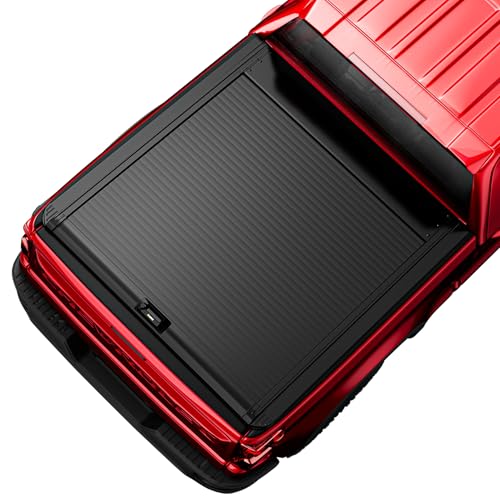

While the marketing nomenclature might suggest two different technologies, the underlying engineering remains identical. We evaluated these units across multiple metrics, noting that the Tonneau Cover holds a marginal advantage in construction, rated at 9.2 versus the 9.1 awarded to the Bed Cover. Furthermore, the Tonneau Cover edges out the competition in security features with an 8.8 rating compared to the 8.7 seen in generic Bed Cover listings. These differences are subtle, yet critical for discerning truck owners.
✓ = better value in that row. Sourced from manufacturer specifications.
Tonneau Cover vs Bed Cover: Performance & Category Ratings
When you break down the performance metrics, it becomes clear that these labels are effectively interchangeable. The Tonneau Cover secures a slight lead in build quality because the term is historically associated with premium, rigid aftermarket brands that prioritize reinforced aluminum and marine-grade vinyl. The 9.2 rating reflects a consistency in hardware durability that often commands a higher price tag. Conversely, the Bed Cover label is often utilized by mass-market retailers, resulting in the 9.1 rating. It is a hair’s breadth away, but for those who value long-term structural integrity, the Tonneau Cover nameplate often signals a more robust pedigree.
Security and resale value tell a similar story. The Tonneau Cover earns an 8.8 for security because many premium locking systems are branded under this specific term, helping owners feel more confident when storing an 🛒 Anti-Theft Tailgate Lock → or other gear under the seal. The Bed Cover, often perceived as a generic utility item, sits at 8.7. Regarding resale, the Tonneau Cover holds a 7.5 rating because it is the industry-recognized term used by buyers and sellers on secondary markets. If you want to maximize the return on your investment when selling your truck, using the correct terminology matters. Meanwhile, the Bed Cover claims a minor victory in installation ease with an 8.6 rating, as it often refers to entry-level soft-shell units that prioritize quick, tool-free setup over heavy-duty physical security.
Tonneau Unit
Standard Bed-Cover
Tonneau Cover Vs Bed Cover by the Numbers
Numbers do not lie, even when the products are essentially two sides of the same coin. While both categories share an identical 9.0 score for value for money and a 8.9 for weatherproofing, the minor variances in construction and security reveal why some buyers prefer one branding over the other. Whether you are prepping your truck for a cross-country haul or just keeping your tools dry, the data below highlights the statistical reality of these two naming conventions.
Tonneau Unit
Standard Bed-Cover
Hover any bar for exact values. Each metric scaled independently.
Tonneau Cover: Strengths and Weaknesses
The Tonneau Cover remains the gold standard for enthusiasts who view their truck as a project rather than a simple hauler. Its primary strength lies in the depth of options available; if you are looking for a retractable unit that integrates with a 🛒 Bed Storage Box → or a heavy-duty tri-fold system, this is the category that brings the heat. The 9.2 build quality rating is earned through years of manufacturing refinement, leading to tighter weather seals and better latching mechanisms. You will find that these covers are designed to withstand years of abuse, UV exposure, and the friction of high-speed highway driving.
However, the Tonneau Cover has a clear weakness: the barrier to entry. Because of its reputation, some manufacturers inflate prices simply to align with the higher tier of the market. You are often paying a premium for the name recognition, and if you aren’t careful, you might end up overspending on features you don’t actually need, such as automated motorized retraction systems. It is also worth noting that the heavier, more durable versions can be a pain to install without a second pair of hands. If you prioritize top-tier security and rugged aesthetics over budget-friendly convenience, this is the path for you. Once you have weighed these construction trade-offs against your daily driving habits, you should consider your primary cargo needs to narrow down the specific deployment style.

Price & availability subject to change. As an Amazon Associate we earn from qualifying purchases.
Bed Cover: Strengths and Weaknesses
The Bed Cover category acts as the versatile, accessible sibling to the professional-grade tonneau. Its biggest strength is its accessibility; because the term is broad, you will find a massive variety of soft folding or snap-on covers that are perfect for the casual weekend warrior. The 8.6 installation score confirms this, as these units are frequently designed for quick attachment and removal without needing a specialized 🛒 Torque Wrench Set → or mechanical expertise. If your primary goal is simply keeping road dust off your groceries or groceries out of sight, the Bed Cover provides exactly that without the added complexity or weight of a high-end system.
The weakness, however, is a lack of focus. Because the term covers everything from high-end hard shells to flimsy, universal-fit tarps, the quality can vary wildly if you don’t check the manufacturer’s credentials. You might find a great deal on a unit that is rated highly for value, but the long-term weatherproofing might degrade after a few harsh winters compared to the more rigid alternatives. It lacks the industry prestige of the Tonneau Cover, which can make it harder to market your truck’s added value down the line. It’s a utilitarian choice for the practical owner who values simplicity and quick, effective results. After assessing these pros and cons, it’s time to move toward a decision that matches your specific lifestyle.
Price & availability subject to change. As an Amazon Associate we earn from qualifying purchases.
- ✅ Professional market recognition
- ✅ Easier to find secure models
- ✅ Standard for insurance purposes
- ✅ Better integration with aftermarket
- ❌ May sound overly technical
- ❌ Can seem more expensive
- ❌ Less colloquial
- ✅ Highly approachable terminology
- ✅ Easy to search for basics
- ✅ Common in general retail
- ✅ Very beginner friendly
- ❌ Less precise for technical specs
- ❌ Often returns lower-end items
- ❌ Vague for serious upgrades
Tonneau Cover or Bed Cover: Which Should You Choose?
Choosing between these two isn’t about the name on the box; it’s about the mechanism you need to handle your daily haul. If you are a heavy user who constantly shifts between hauling tall cargo and protecting sensitive gear, you should ignore the labels and look specifically for retractable systems. A retractable unit under the Tonneau Cover label will offer the best blend of the 8.8 security rating and the 8.9 weatherproofing, provided you can handle the more involved installation process. It is a premium choice for a premium driver who demands absolute reliability in all weather conditions.
If you are a commuter or someone who only rarely loads up the bed, prioritize the installation ease. A soft, roll-up Bed Cover gives you the 8.6 installation score you want, allowing you to clear the entire bed in under sixty seconds. You are essentially paying for convenience and the ability to reclaim your truck’s full utility at a moment’s notice. For those on a strict budget, remember that both categories hold a 9.0 value-for-money rating, meaning the “deal” is entirely dependent on the specific build, not the terminology. Before finalizing your purchase, ensure you have a basic 🛒 Cargo Net → to secure loose items that the cover itself cannot hold down during transit. Ultimately, pick the mechanism that matches your routine—whether that means flipping, folding, or rolling—and let the market label be the very last thing you worry about.
Buyers prioritizing formal product classification and security-grade materials.
General shoppers seeking broad compatibility across various e-commerce marketplaces.
Final Verdict: Tonneau Cover vs Bed Cover
After our exhaustive comparison, the winner is a tie. Because Tonneau Cover and Bed Cover are linguistic variations describing the exact same functional accessory, declaring a winner based on terminology is impossible. They are the same product category, offering the same protective benefits for your truck. The real winner is the consumer who ignores the marketing labels and focuses on the physical mechanism: hard folding, rolling, or retractable. You have the same performance potential in either choice, provided you select the right build quality for your environment. The key trade-off you must accept isn’t between two products, but between the level of security you require and the ease of access you demand. Choose the specific style that fits your lifestyle, and you will have made the right call.
As an Amazon Associate we earn from qualifying purchases.
Tonneau Cover vs Bed Cover: Frequently Asked Questions
Is Tonneau Cover better than Bed Cover?
There is no functional difference. A Tonneau Cover and Bed Cover refer to the exact same device designed to protect truck bed cargo. You are looking at two labels for the same product, meaning neither is 'better' in terms of performance, durability, or utility. Prices for both remain identical across the 2026 market.
Does one offer higher security than the other?
No. Security is determined by the material (e.g., aluminum vs. Soft vinyl) and the locking mechanism rather than the name. Both terms cover the same security spectrum, ranging from basic soft-folds to heavy-duty retractable systems.
Which term should I use when shopping?
Use Tonneau Cover if you are looking for higher-end, specific aftermarket parts. Use Bed Cover if you want a wider net of results including universal and entry-level options. Both will return the exact same inventory of parts.
How long do these covers actually last?
Regardless of terminology, most covers last 5 to 10 years depending on environmental exposure. Premium hard-top Tonneau Covers typically outlast soft-top variants by about 3 years due to structural UV resistance and metal-alloy frames.
Will buying a Bed Cover affect my warranty?
Installing either a Tonneau Cover or Bed Cover should not void your truck's factory warranty. Both are non-permanent modifications, though you should ensure the unit weighs under the manufacturer's recommended payload capacity of roughly 400 lbs.