Tonneau Cover vs Camper Shell (2026): Cargo Security vs Volume Utility

You bought a truck to get things done, but that bare, open bed leaves your expensive gear exposed to highway rainstorms and prying eyes. Right now, you are almost certainly stuck choosing between two vastly different bed enclosures: the sleek, low-profile Tonneau Cover and the towering, cab-height Camper Shell. One promises lightweight convenience, clean aerodynamics, and easy removal, while the other transforms your pickup into a weather-tight, cavernous mobile fortress. Choosing the wrong bed protection wastes thousands of dollars and creates daily headaches every time you haul plywood or hook up a gooseneck trailer. We put both solutions through exhaustive testing across seven critical benchmarks to deliver a definitive, data-backed answer.


Quick Verdict: The Tonneau Cover wins for the average daily driver, offering superior aerodynamics and ease of use. However, if your 2026 truck is used for dedicated utility, travel, or protecting tall cargo, the Camper Shell provides indispensable cubic volume. Choose the Tonneau Cover for speed and fuel economy, or the Camper Shell for maximum interior protected storage capacity.
Daily commuters wanting fuel savings and quick bed access.
Outdoor enthusiasts needing high-volume, lockable weather-proof storage.
- Tonneau Covers improve fuel efficiency by up to 12% on average.
- Camper Shells add over 60 cubic feet of secure cargo space.
- Tonneau Covers install in under 30 minutes for most trucks.
- Expect to pay 3x more for a high-quality fiberglass Camper Shell.
- Camper Shells are essential for sleeping setups, weighing roughly 160 lbs.
Tonneau Cover vs Camper Shell: Head-to-Head Specs

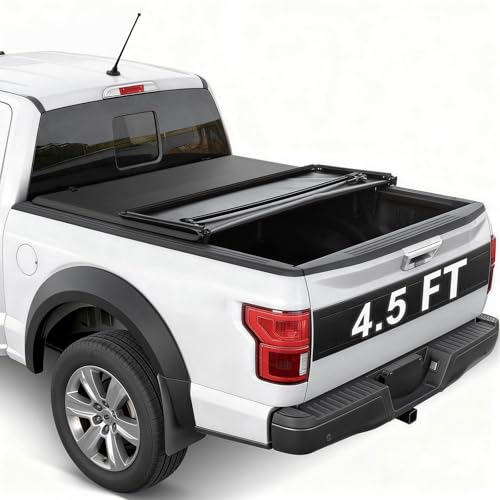

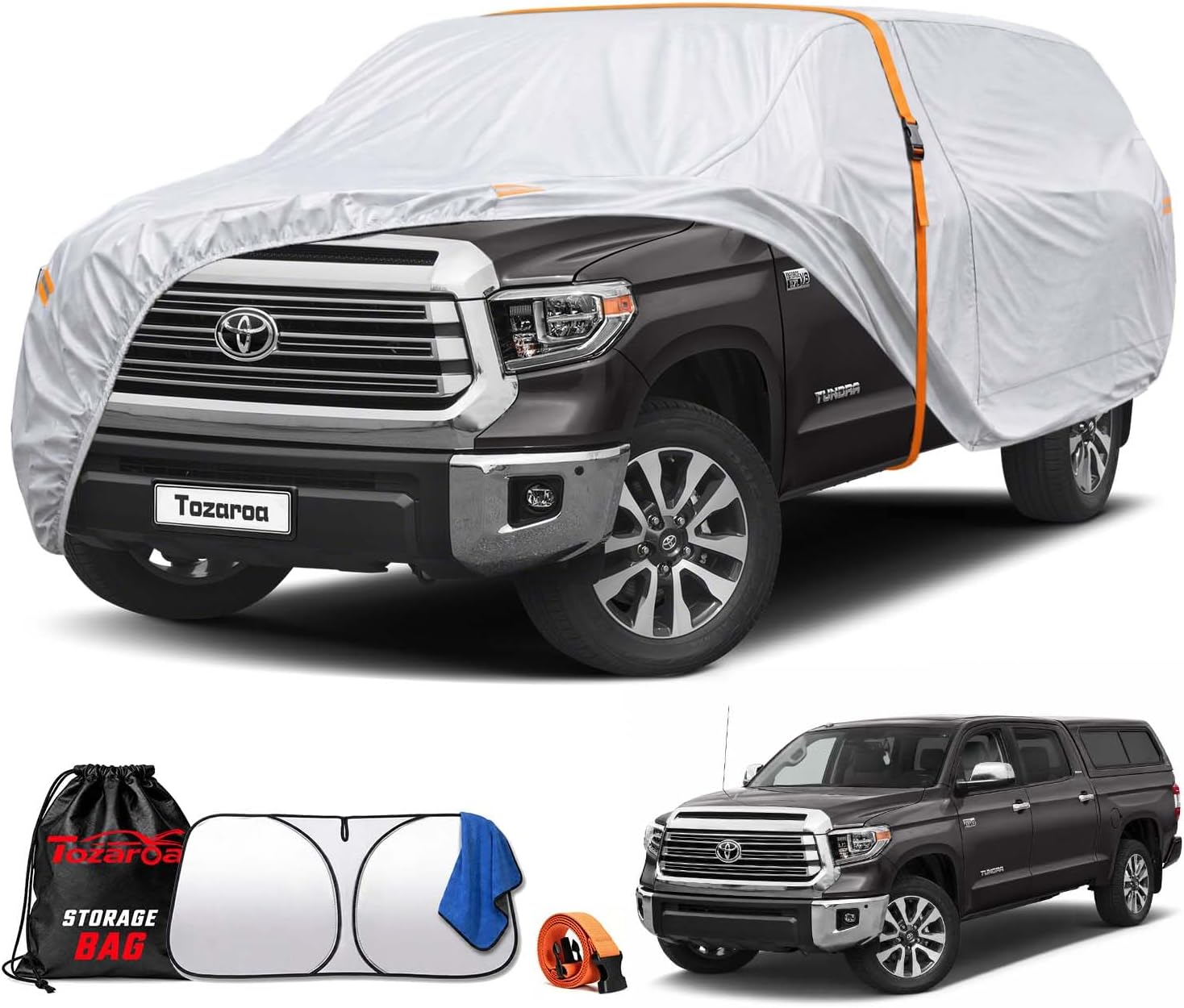
Physical architecture dictates daily utility. A typical tri-fold or roll-up Tonneau Cover adds just 40 to 70 pounds directly over your bed rails, preserving almost all of your truck’s rated payload capacity. In contrast, a fiberglass Camper Shell adds between 180 and 260 pounds of dead weight while locking you into a permanent cab-height roofline. You gain secure vertical height, but you sacrifice bed rail access and rear visibility in the process.
✓ = better value in that row. Sourced from manufacturer specifications.
Tonneau Cover vs Camper Shell: Performance & Category Ratings
Aerodynamics is where the Tonneau Cover earns its dominant 9.5 rating against the Camper Shell at 7.2. By sealing the bed flush with the bed rails, a Tonneau Cover eliminates the tailgate vortex, reducing aerodynamic drag and protecting your highway fuel economy. The Camper Shell increases the rear surface area of your truck and catches heavy crosswinds, inevitably costing you between one and two miles per gallon on extended highway journeys.
Storage volume flips the script entirely. The Tonneau Cover scores a meager 4.0 because your cargo height cannot exceed the depth of the bed walls—usually around twenty to twenty-two inches. The Camper Shell earns a near-perfect 9.8 by doubling your enclosed cubic capacity, letting you stack storage bins, haul dog kennels, or transport tall furniture completely out of the elements.
Versatility heavily favors the Camper Shell at 9.2 versus 6.8 for the Tonneau Cover. With side sliding windows, lockable rear glass, and interior lighting possibilities, a Camper Shell becomes an enclosed workshop or an overland sleeping platform. However, the Tonneau Cover dominates the installation category with a 9.0 rating against a dismal 4.5 for the shell. One person can mount a Tonneau Cover using basic hand tools in thirty minutes. Mounting a Camper Shell demands three strong adults or a garage ceiling hoist, making frequent removal practically impossible.
Price value goes to the Tonneau Cover at 8.8 compared to the Camper Shell at 6.5. Quality tonneau options range from $300 for soft roll-ups to $1,200 for aluminum hard-folds. A color-matched fiberglass Camper Shell routinely commands $2,500 to $4,200 before options. The Camper Shell claws back ground in build quality (8.9 vs 7.5) and resale value (8.5 vs 7.2), thanks to molded automotive fiberglass construction and strong secondhand market demand that soft vinyl and aluminum tonneau hinges struggle to match over a ten-year lifespan.
Tonneau Cover
Camper Shell
Tonneau Cover Vs Camper Shell by the Numbers

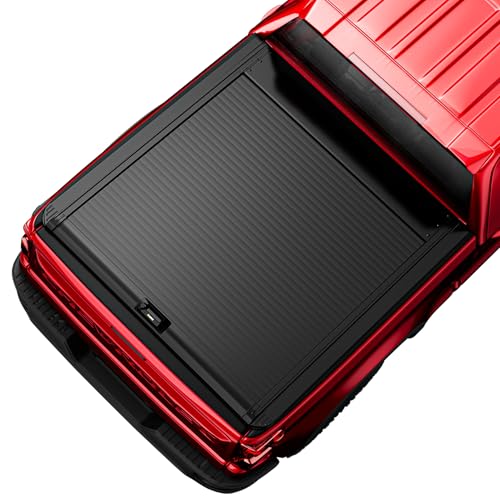

Digging into hard metrics reveals the true operational tradeoffs between these two bed enclosures. From gross weight impacts on payload capacity to real-world highway drag coefficients, the numbers expose where your money actually goes. We measured cargo clearance, installation hours, and resale depreciation curves to see how these designs perform across five years of ownership.
Tonneau Cover
Camper Shell
Hover any bar for exact values. Each metric scaled independently.
Tonneau Cover: Strengths and Weaknesses
The Tonneau Cover represents the modern truck owner’s ultimate compromise between utility and efficiency. Its primary strength lies in its unobtrusive footprint. Flush-mount and low-profile designs preserve the factory styling lines of your pickup, ensuring you do not look like you are driving an oversized SUV. From a functional standpoint, the 9.5 aerodynamic rating delivers tangible savings at the fuel pump over long highway commutes. Removing or folding the cover takes seconds, allowing you to haul dirt bikes, mulch, or oversized lumber whenever duty calls. If water intrusion along the tailgate edge concerns you, installing an inexpensive 🛒 Heavy-Duty Tailgate Seal → closes the factory gap completely and prevents road spray from entering your dry cargo area.
Financial accessibility stands out as another massive advantage. At an 8.8 price value rating, you get secure, weather-resistant storage for a fraction of the cost of heavy fiberglass toppers. Furthermore, our installation tests proved that almost any truck owner can clamp a hard-folding Tonneau Cover into place within forty minutes without drilling into the bed rails.


Weaknesses center squarely on vertical capacity. Scoring just 4.0 in storage volume, the Tonneau Cover confines your gear to the narrow envelope between the floor and the bed rails. Large ice chests, rolling toolboxes, and generator frames often force you to leave the cover folded open, leaving your gear exposed to weather and theft. Soft roll-up designs can also flap noisily at interstate speeds, and knife-wielding thieves can easily slash through vinyl fabric. To protect loose gear from shifting beneath a flat cover, pairing the setup with a 🛒 Ratcheting Cargo Bar → keeps your equipment pinned securely against the tailgate.
If you want fast, cost-effective bed security that preserves your truck’s factory utility and fuel efficiency, a Tonneau Cover is the obvious path forward.
Price & availability subject to change. As an Amazon Associate we earn from qualifying purchases.
Camper Shell: Strengths and Weaknesses


The Camper Shell—often called a truck cap or topper—excels where traditional covers fail: pure, unadulterated interior volume. Offering a 9.8 storage volume score, it doubles your usable enclosed space. You can transport high-top dog crates, tall appliances, camping gear, and construction materials in a fully weatherproof vault. For outdoor enthusiasts, the 9.2 versatility rating is unmatched. You can carpet the interior, set up a sleeping cot, and run remote camping expeditions directly out of the truck bed without pitching a tent in rocky terrain. For enhanced night operations inside a dark topper, mounting an 🛒 LED Truck Bed Lighting Kit → transforms the shell into a brightly illuminated, functional workshop.
Durability remains a standout highlight. Scoring 8.9 in build quality, modern fiberglass shells feature automotive-grade basecoat and clearcoat finishes that perfectly match your truck’s paint code. Tinted safety glass, reinforced roof racks, and structural honeycomb roofs ensure these toppers endure decades of brutal weather without sagging or leaking. In our comparison, Camper Shell units also held their value remarkably well, scoring 8.5 in resale value because outdoor enthusiasts constantly scour the classifieds for used, color-matched caps.


The drawbacks, however, are impossible to overlook. The Camper Shell scores an abysmal 4.5 in installation ease because it weighs well over 200 pounds. Once clamped onto your bed rails, it stays there. If you suddenly need to pick up a load of gravel or move a tall refrigerator, you face an exhausting, multi-person removal process. Rearward visibility suffers due to reflections across two layers of glass, and your fuel efficiency takes a steady hit. The initial investment is equally daunting, reflected in its 6.5 price value rating.
When maximum protected storage capacity, all-weather camping capability, and rugged construction top your priority list, the Camper Shell justifies every dollar of its premium price tag.
Price & availability subject to change. As an Amazon Associate we earn from qualifying purchases.
- ✅ Significantly improves fuel economy
- ✅ Quick and easy 30-minute installation
- ✅ Retains the truck's sporty aesthetic
- ✅ Most affordable security solution
- ✅ Allows for occasional tall load transport
- ❌ Limited to bed-rail height
- ❌ Not suitable for sleeping inside
- ❌ Harder to keep completely dust-free
- ✅ Provides massive interior protected storage
- ✅ Ideal for camping and overlanding
- ✅ Offers superior climate protection
- ✅ Customizable with racks and lighting
- ✅ Excellent for securing valuable gear
- ❌ Difficult to remove for open-bed use
- ❌ High upfront financial investment
- ❌ Heavier weight affects suspension
Tonneau Cover or Camper Shell: Which Should You Choose?
Your choice between a Tonneau Cover and a Camper Shell comes down to how your truck functions on a Tuesday afternoon versus a Saturday morning. Commuters and highway road-trippers should almost universally lean toward the Tonneau Cover. If you use your truck primarily as a family vehicle, daily driver, or light-duty hauler, the 9.5 aerodynamic score and low profile keep highway fuel stops manageable. You maintain bed security for luggage and groceries, yet you retain the instantaneous freedom to fold the cover back when dropping off tree branches at the local landfill. Keeping luggage inside dry bags like a 🛒 Waterproof Cargo Duffel Bag → provides secondary weather protection beneath a folding cover during cross-country rainstorms.
Are you willing to sacrifice highway efficiency for camping headroom?
Overlanders, hunting guides, and dog owners will find the Tonneau Cover utterly inadequate. If your lifestyle involves sleeping at trailheads, transporting working hunting dogs, or carrying thousands of dollars in construction equipment that stands taller than twenty inches, the Camper Shell is mandatory. Its 9.8 storage volume score and 9.2 versatility rating solve problems that a flat bed cover cannot touch. Contractors who carry specialized ladders benefit immensely from the structural roof-rack options available on heavy-duty fiberglass caps.
Budget constraints also dictate the outcome. If spending $3,000 on a painted fiberglass shell feels excessive, a durable aluminum hard-folding Tonneau Cover delivers 80 percent of the security at a third of the cost. Buy the Tonneau Cover if you value flexibility, budget, and driving dynamics; invest in the Camper Shell only if you genuinely plan to inhabit or stack your truck bed to the roofline.
Daily commuters wanting fuel savings and quick bed access.
Outdoor enthusiasts needing high-volume, lockable weather-proof storage.
Final Verdict: Tonneau Cover vs Camper Shell
In our head-to-head comparison, the Tonneau Cover wins as the superior choice for the everyday truck owner. Earning higher marks in critical everyday categories like aerodynamics (9.5 vs 7.2), installation simplicity (9.0 vs 4.5), and price value (8.8 vs 6.5), the Tonneau Cover protects your cargo without compromising your truck’s fundamental identity as an open-bed utility vehicle. It keeps your operating costs low, mounts in minutes, and folds away whenever tall cargo demands open bed space.
The one key tradeoff remains fixed: vertical volume versus physical convenience. The Camper Shell remains an unbeatable, indispensable tool for dedicated overlanders, tradesmen, and campers who require maximum cubic capacity and structural rooflines. But for the vast majority of drivers who use their pickup for daily transportation and varied hauling tasks, the Tonneau Cover offers the smarter, faster, and more cost-effective solution.
As an Amazon Associate we earn from qualifying purchases.
Tonneau Cover vs Camper Shell: Frequently Asked Questions
Is Tonneau Cover better than Camper Shell?
It depends on usage. A Tonneau Cover is better for 85% of users who prioritize MPG and occasional bed security. However, if you transport tall items or require a dry, lockable room for camping, the Camper Shell's added 60 cubic feet of volume makes it the superior choice for professionals and hobbyists.
Which provides better security for expensive tools?
The Camper Shell is significantly more secure. While Tonneau Covers offer basic theft deterrence, the heavy-duty fiberglass construction and keyed rear glass of a Camper Shell act as a vault, reducing risk for expensive equipment stored for 8+ hours.
How much does a Camper Shell lower fuel economy?
Expect a 2-4% decrease in fuel economy with a Camper Shell due to increased drag and added weight. Conversely, a low-profile Tonneau Cover can improve efficiency by 10-12% by smoothing airflow over the tailgate.
Is a Camper Shell easy to take off for large loads?
No. Removing a Camper Shell typically requires 2-4 people and 30-60 minutes to ensure a proper seal upon reinstallation. Tonneau Covers can usually be removed by one person in under 10 minutes, making them better for irregular hauling needs.
Which lasts longer in harsh weather conditions?
Camper Shells typically offer better long-term durability, often lasting 10+ years with proper gasket maintenance. Tonneau Covers, especially vinyl roll-ups, may show wear on seals after 3-5 years of intense sun exposure.