Ford F150 Air Intake Diagram: OEM vs Aftermarket Compared Side-by-Side

The ford f150 air intake diagram illustrates the path of airflow from the outside atmosphere through the filtration system and into the engine’s combustion chamber. Maintaining this system is vital for engine performance, fuel efficiency, and long-term durability. By understanding these components, owners can better identify maintenance needs and optimize their vehicle’s power output.


Ford F150 Air Intake Diagram: Hardware Specifications
Recommended Best Deal Products


How to Read This Chart
This table summarizes the fastening hardware identified in Ford OEM documentation. The “Engine Configuration” column lists specific displacement sizes found in recent F-150 generations. “Fastener Type” indicates whether the assembly utilizes a standard bolt or a specific machine screw, while the “Spec/Size” column provides known dimensions where available. For values marked “Verify via VIN,” consult your specific owner’s manual or a certified Ford parts dealer to ensure you obtain the correct part number, as variations may exist between sub-model years.

Understanding Ford F150 Air Intake Diagram Components
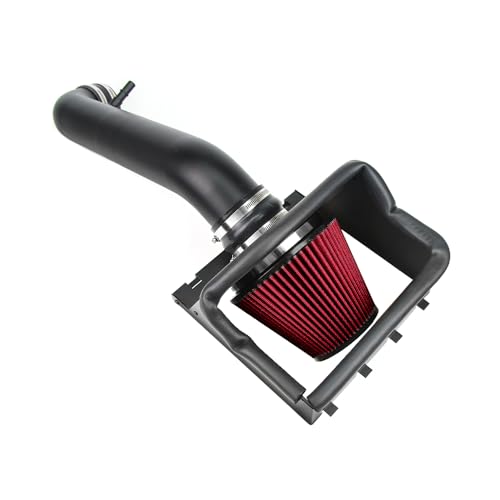
The air intake system is a structured sequence of components that includes the intake snorkel, air filter housing, air cleaner element, and the intake tube connected to the throttle body. By examining a comprehensive ford f150 air intake diagram, one can see how these parts minimize turbulence and maximize airflow.

Understanding these features allows owners to compare the advantages and disadvantages of aftermarket upgrades versus OEM replacements. While aftermarket kits may promise higher flow rates, they may not always maintain the specific environmental shielding provided by the factory-engineered intake design.
Common Problems in the Ford F150 Air Intake Diagram
Recommended Best Deal Products


Air intake systems are prone to specific issues, primarily involving the loss of seal integrity. When the air cleaner assembly screws or bolts vibrate loose or are stripped, the system can draw in unmetered air. This frequently leads to rough idling, decreased throttle response, or the illumination of the Check Engine Light.
Other symptoms include visible cracking in the intake tubes or degradation of the air filter box housing. Such defects disrupt the engine’s ability to measure mass airflow accurately. Addressing these minor flaws immediately prevents the more significant performance disadvantages that occur when engine sensors receive incorrect data.
How to Read the Ford F150 Air Intake Diagram for Repairs
Pop the hood and identify the black plastic housing located on the driver or passenger side, depending on your engine displacement. Reference your manual for the exact orientation of the intake tube.
Compare your current fasteners to the ford f150 air intake diagram. Check for signs of cross-threading or rust, which are common disadvantages of prolonged exposure to engine heat and road salt.
Ensure all vacuum hoses connected to the intake tube are securely seated. Any leak here will cause inaccurate sensor readings, which is the primary cause of engine performance issues.
🔎 How to Find Your Specific Intake Specifications
Recommended Best Deal Products

To identify the exact components for your truck, locate the Vehicle Identification Number (VIN) on the dashboard or the driver-side door jamb. When purchasing parts, cross-reference this VIN with official OEM databases provided by Ford. Never assume that two different model years of the F-150 utilize the exact same intake layout, as design updates are common even within the same generation.

Audible — Listen Free for 30 Days
One free credit a month and thousands of titles included.
Listen Free for 30 Days✨ Key Benefits of Proper Intake Maintenance
Improved Efficiency
A clean, well-sealed system ensures optimal air-fuel ratios, directly contributing to better fuel economy and smoother engine operation under load.
Increased Longevity
Preventing dust and debris from bypassing the filter preserves internal engine components, saving on long-term repair costs and potential systemic failures.
What If It Still Doesn’t Work?
If you have verified the integrity of the air intake system and performance remains poor, follow these fallback steps:
- Inspect the Mass Air Flow (MAF) sensor for debris or contamination. Not sure where it is? See our MAF sensor location guide.
- Check the throttle body for carbon buildup that may restrict airflow.
- Use an OBD-II diagnostic tool to scan for pending error codes related to the intake system.
- If issues persist, consult a professional technician, as internal engine timing or electrical faults may be masking as an intake issue. Professional diagnostic costs generally range from $100 to $200 depending on your region.
Do not operate the engine with the air intake disconnected or the air filter housing open. This allows unfiltered air to enter the cylinders, which can cause catastrophic engine damage due to abrasive particles.
Ford F150 Air Intake Diagram Questions Answered
Does the air intake diagram differ between EcoBoost and V8 engines?
Yes, the internal routing, resonator location, and piping diameter differ significantly between the 2.7L/3.5L EcoBoost engines and the 5.0L Coyote V8. Always use a diagram specific to your engine displacement.
Are aftermarket intake upgrades always better?
Not necessarily. While some offer performance advantages, they may lack the water-ingestion protection or heat-soak shielding found in OEM designs. Evaluate the specific environment where you drive before choosing a replacement.
By relying on verified ford f150 air intake diagram data, owners can perform their own diagnostic and maintenance checks with confidence. Ensuring that all fasteners are secure and that the intake path remains sealed is the primary winner for long-term engine health. For your next service, double-check your specific VIN-matched specifications to avoid hardware mismatches.
Key Takeaways
-
✓
Visual breakdown of stock intake housing, filter box, and MAF sensor positioning. -
✓
Pros and cons of OEM paper filters versus high-performance oiled cotton gauze. -
✓
Advantages of cold air intake systems regarding throttle response and induction sound. -
✓
Disadvantages of aftermarket kits including potential heat soak and warranty concerns. -
✓
Real-world feature comparison of top-tier intake brands for late-model F150s.
❓ Frequently Asked Questions
1
What is a Ford F150 air intake diagram?
A Ford F150 air intake diagram is a technical schematic showing the precise layout of your truck’s induction system. It tracks the airflow path from the front grille inlet, through the air filter housing and mass airflow sensor, eventually leading into the engine’s throttle body and intake manifold.
Audible Premium Plus — Annual Membership
12 audiobook credits up front, plus the full Audible catalogue.
See Annual Plans
2
How does an air intake system work?
The system pulls ambient air from outside the engine bay, cleans it through a filtration medium, and routes it toward the engine. By optimizing this flow, the truck achieves a more consistent air-to-fuel ratio, which is vital for efficient combustion and overall power delivery across the rpm range.
3
Why is an accurate air intake diagram important?
Having the correct diagram is critical when performing repairs or modifications. It helps you identify the location of sensors, vacuum lines, and fasteners, ensuring you don’t accidentally damage delicate components or leave a hose disconnected, which could lead to a check engine light or rough idle.
4
What are the benefits of upgrading my intake?
Upgrading to a high-performance intake can offer advantages like improved throttle response, a deeper engine growl under acceleration, and potentially better airflow at high rpm. While horsepower gains vary, the primary benefit for many owners is easier maintenance and the ability to reuse performance filters.
5
How can I get started with an intake modification?
Start by locating the stock air box in your engine bay and reviewing the diagram to identify all mounting points. Once familiar, decide if you want to maintain the stock setup with a high-flow filter or replace the entire assembly with a cold air intake kit designed for your engine.

![Dodge Ram 1500 P0172 Code: Complete Fix Guide [2026]](https://truckguider.com/wp-content/uploads/2026/03/p0172-dodge-ram-1500-featured.webp)