2003 Dodge Ram 3500 Dually Diesel Specs: Essential Decoded

The 2003 Dodge Ram 3500 dually diesel stands as a titan in the history of heavy-duty American pickups. Serving as the inaugural year for the third-generation heavy-duty platform, it introduced the legendary 5.9L Cummins High Output (H.O.) engine to a new chassis, solidifying its reputation for raw towing power and long-term durability. Whether you are a classic truck collector, a commercial hauler, or an enthusiast seeking a reliable workhorse, understanding the 2003 Dodge Ram 3500 dually diesel specs is essential for maintenance, modification, and performance optimization. This guide provides the comprehensive technical insights required to navigate the complexities of this specific model year, covering engine output, transmission variations, and chassis capabilities.


Understanding the Significance of 2003 Dodge Ram 3500 Dually Diesel Specs
The 2003 model year marked a pivotal transition for Dodge heavy-duty trucks. Engineers moved away from the aging second-generation platform to a fully redesigned hydroformed frame. The most significant advancement, however, was the transition from the mechanical “VP44” injection system to the Bosch high-pressure common rail (HPCR) injection system. This shift provided cleaner emissions, better cold-start reliability, and a significant increase in peak torque, making the 2003 Dodge Ram 3500 dually diesel specs a benchmark for enthusiasts seeking a transition-era work truck. Understanding these details helps owners maintain the integrity of the engine and drivetrain.
Detailed 2003 Dodge Ram 3500 Dually Diesel Specs Overview
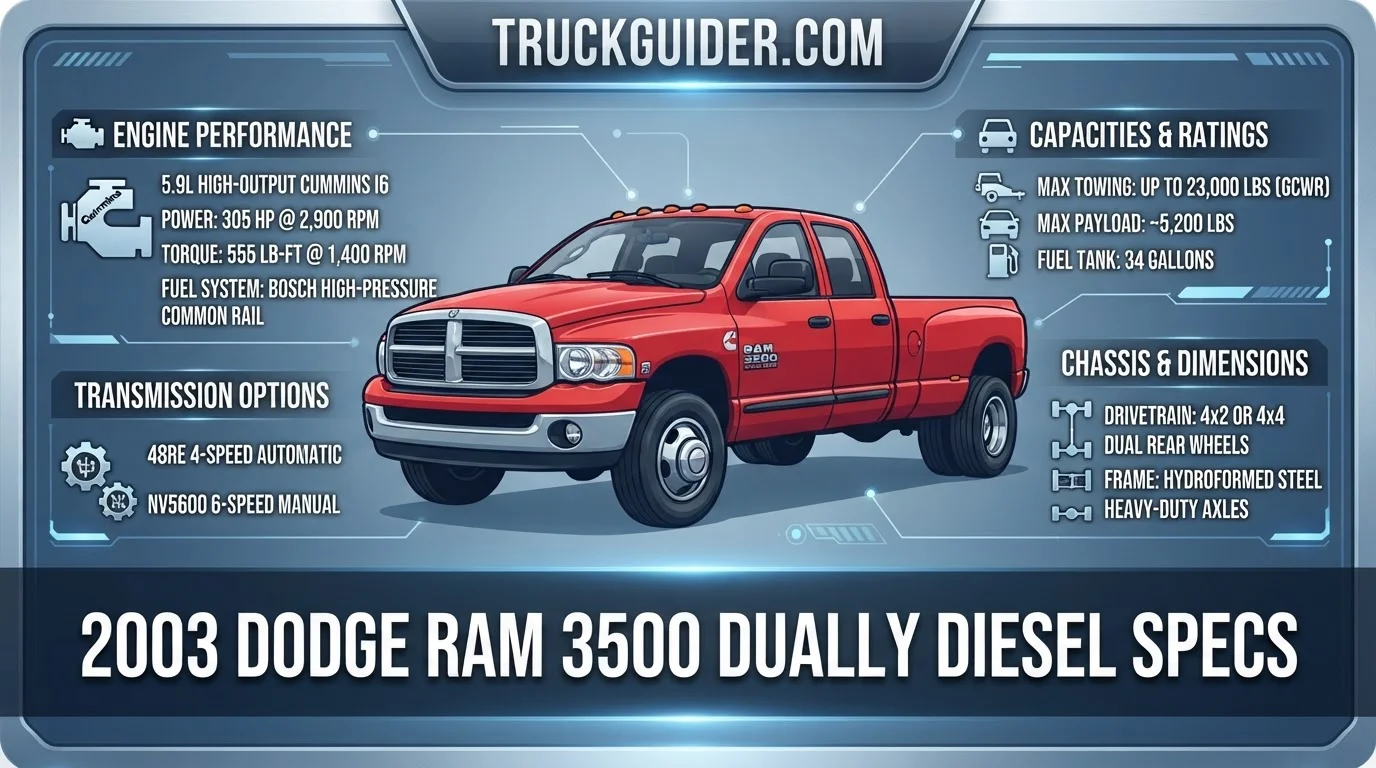
To provide a clear picture of the platform’s capabilities, we have compiled the following technical data. This chart details the engine configurations, power output, and drivetrain options available in the 2003 production cycle.
Performance Insights and Engineering Facts
The 2003 model year is often sought after for the specific marriage of the Common Rail injection system and the absence of complex emissions equipment (like the later DPF/DEF systems). This makes the 2003 Dodge Ram 3500 dually diesel specs highly desirable for those looking to tune for efficiency or longevity. The NV5600 6-speed manual transmission was the gold standard for heavy towing in this year, while the 48RE automatic transmission was introduced specifically to handle the added torque of the High Output engine configuration.
Identifying Your Truck Configuration Through VIN and Labels
To verify the exact 2003 Dodge Ram 3500 dually diesel specs for a specific vehicle, you must check the original build tags. The engine data plate is typically located on the side of the engine block (driver’s side), while the vehicle configuration sticker is inside the driver’s side door jamb.
1. Locate the VIN: The 17-digit number is found on the dashboard or inside the driver’s door jam. The 8th digit identifies the engine type.
2. Check the Valve Cover: The Cummins engine identification plate includes the “CPL” (Control Parts List) number. This is critical for ordering replacement parts like injectors or sensors.
3. Transmission Tag: Check for a metal tag on the transmission casing to distinguish between the 47RE and 48RE transmissions, as they require different fluid and filter service kits.


Pro Tips for Maintaining Your 2003 Ram
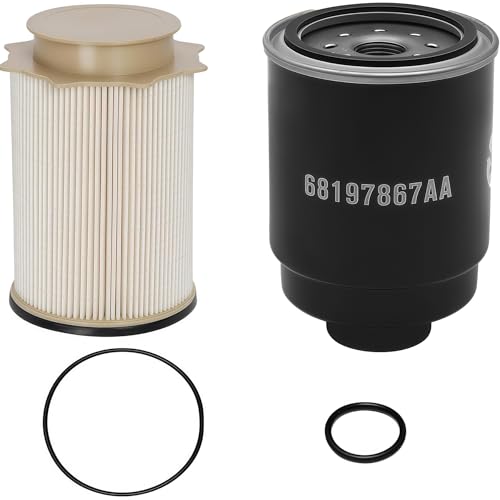
Maintaining the 2003 Dodge Ram 3500 dually diesel requires attention to the fuel system’s health. Because the common rail system is sensitive to water and debris, consistent fuel filter changes are the most important maintenance task.
Common Concerns and Diagnostic Facts
While the 5.9L engine is legendary, specific components are prone to wear. If you experience power loss, the fuel filter or the lift pump is usually the primary culprit. If the truck struggles to shift, the 48RE transmission might require a valve body upgrade or an external cooler to manage heat during heavy towing.
Avoid using low-quality aftermarket sensors for the engine management system. The 2003 common rail system is highly sensitive to electrical signals; using OEM Mopar sensors is recommended to prevent erratic idle or hard-start conditions.
What If Technical Issues Persist?
If your diagnostic efforts do not resolve a specific issue, consider the following fallback steps:
1. Verify Fuel Pressure: Use a manual mechanical gauge to test fuel pressure at the rail; electrical sensors may provide false “good” readings.
2. Scan for Codes: Ensure you use a scan tool capable of reading deep-level powertrain codes, not just standard OBDII engine lights.
3. Check Ground Connections: Older trucks often suffer from corroded chassis grounds, which cause intermittent electrical gremlins.
4. Seek Professional Analysis: If the issue involves transmission slippage or internal engine noise, consult a certified diesel specialist. Costs for major transmission rebuilds typically range between $2,500 and $4,500 depending on the level of performance upgrades chosen.


Final Summary of Insights
The 2003 Dodge Ram 3500 dually diesel remains one of the most respected trucks in the towing community due to its power, simplicity, and structural redesign. By prioritizing fuel system health and regular maintenance of the 48RE/NV5600 transmissions, owners can ensure this platform continues to perform for decades. Researching these specific 2003 Dodge Ram 3500 dually diesel specs ensures you are treating your vehicle with the precision it deserves. For further troubleshooting or part matching, always reference your specific VIN against a Mopar parts catalog to confirm compatibility with your build date and production trim level.
❓ Frequently Asked Questions
1
What is the 2003 Dodge Ram 3500 dually diesel engine?
The 2003 Dodge Ram 3500 dually utilizes the 5.9L Cummins Turbo Diesel ‘Common Rail’ engine. This was a pivotal year for the platform, as it moved to an electronically controlled fuel injection system, resulting in increased horsepower, torque, and significantly reduced engine noise compared to previous mechanical fuel injection models.
2
How does the dually configuration help towing?
The dually configuration features four rear tires instead of two. This provides a wider, more stable footprint, which significantly reduces trailer sway and increases the load-carrying capacity of the rear axle. It is an essential setup for gooseneck trailers and heavy fifth-wheel campers requiring maximum rear-end support.
3
Why is 2003 considered a significant model year?
2003 marks the beginning of the ‘Third Generation’ Ram and the introduction of the Common Rail injection system for the Cummins engine. These insights are vital for owners because 2003 trucks offer a balance of mechanical simplicity and modern power, making them highly sought after by diesel enthusiasts and professional haulers.
4
What are the benefits of the 2003 Ram 3500 diesel?
The primary benefits include immense torque for towing, the legendary reliability of the Cummins engine, and the added stability of the dually rear end. Additionally, the third-generation body style provided a more comfortable interior and improved suspension geometry, making long-haul towing much more manageable than previous truck generations.



5
How can I get started with maintaining this truck?
Start by gathering all service records to identify which components have been replaced. Prioritize upgrading the fuel filtration system and inspecting the front suspension. Reviewing specific technical facts regarding the 48RE transmission or NV5600 clutch health will help you establish a baseline for your truck’s long-term maintenance schedule.
![2013 Ram Headlight Bulb Selection, Specifications [2026]](https://truckguider.com/wp-content/uploads/2026/03/featured-402e88aa-768x768.webp)