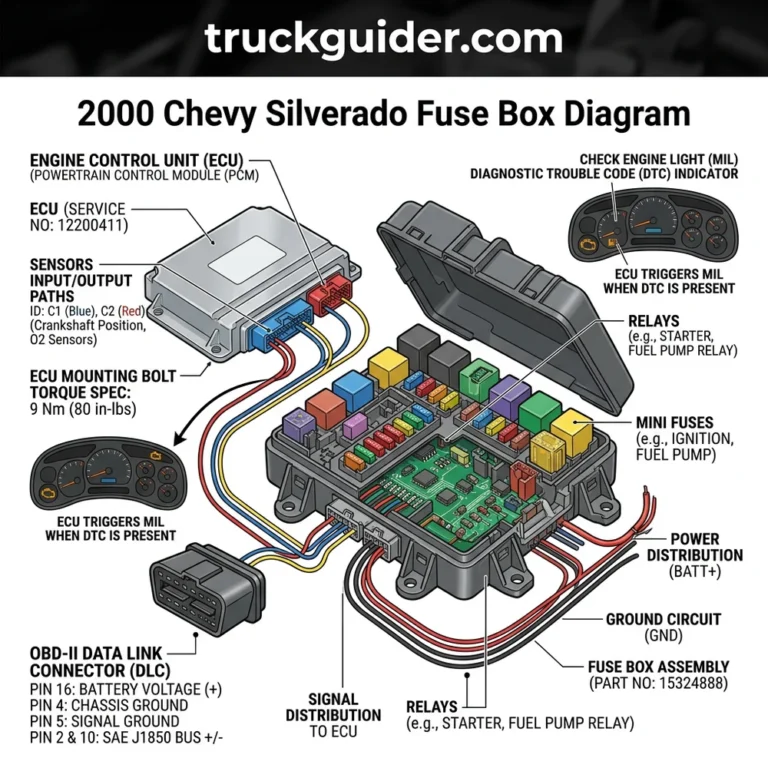
2007 Chevy Silverado Fuel Line Diagram: Repair & Component Guide 2026

The 2007 Chevy Silverado fuel system utilizes a returnless delivery design on Vortec engines. The fuel supply line runs along the driver-side frame rail to the fuel rail. System pressure should maintain between 55–62 psi. The high pressure fuel pump (HPFP) is integrated into the fuel module assembly inside the fuel tank.
📌 Key Takeaways
- System operating pressure must remain within 55–62 psi for the 5.3L Vortec engine.
- The fuel filter is integrated into the fuel pressure regulator and pump assembly inside the tank.
- Ensure all fuel quick-connect fittings click audibly and use new O-rings to prevent vacuum leaks.
- The most common failure point is the fuel pump sending unit electrical connector due to corrosion.
- Consult a professional if the fuel tank requires dropping, as this requires specialized jack equipment.
Proper maintenance of the automotive fuel delivery system is critical for sustained performance and reliability in the GMT900 platform. Whether you are addressing a hard-start condition on a Vortec-powered gasoline model or troubleshooting a fuel supply issue in a Duramax diesel variant, referencing an accurate 2007 Chevy Silverado fuel line diagram is the first step toward a precise repair. This system architecture varies significantly depending on the engine configuration and chassis generation, making it vital to distinguish between the transitional Classic (GMT800) and the newer GMT900 body styles produced in this model year. This guide provides the technical breakdown necessary to navigate the fuel supply, return, and vapor recovery circuits efficiently.
Decoding the 2007 Chevy Silverado Fuel Line Diagram Variations
Recommended Best Deal Products


The 2007 model year represents a significant pivot in automotive engineering for Chevrolet. Mechanics often encounter confusion because the “Classic” designation (GMT800) was still in production alongside the newly launched GMT900. When reviewing your 2007 Chevy Silverado fuel line diagram, you must first verify your chassis code, as the fuel filter location and line routing differ substantially between these platforms.
| Feature | GMT800 (Classic) | GMT900 (New Body Style) |
|---|---|---|
| Fuel Filter Location | Frame-mounted (Driver side) | Integrated into tank assembly |
| System Design | External return line | Returnless system |
| Line Material | Steel with nylon quick-connects | Multi-layer Nylon tubing |
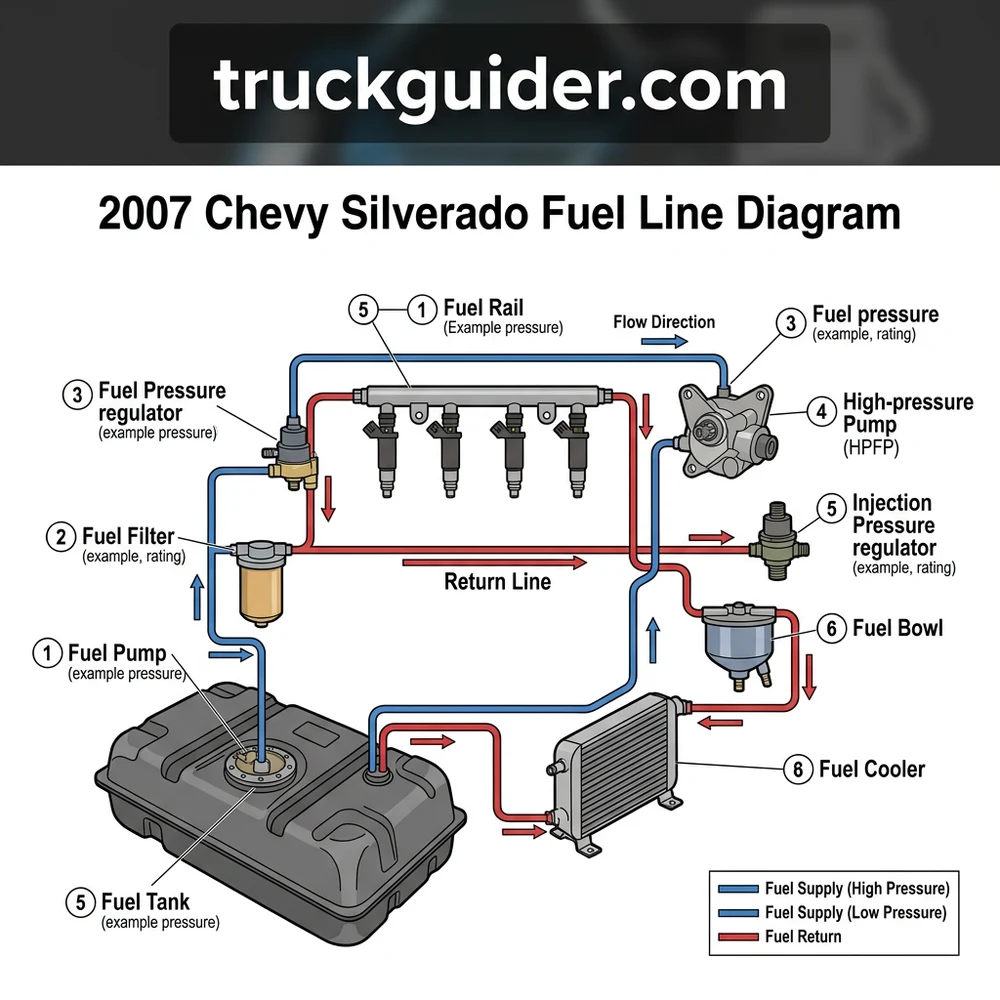
For diesel-equipped models, the complexity increases. The fuel system must handle high-pressure demands, incorporating components such as the high pressure fuel pump (HPFP) and fuel cooler. Unlike gas variants, diesel diagrams highlight the fuel bowl and the primer pump, which are essential for purging air after a filter service. In the diesel configuration, the fuel return line circuit is much more robust to manage heat dissipation, often interacting with a fuel heater to ensure paraffin waxes do not crystallize in cold climates.
2007 Chevy Silverado Fuel Line Diagram: Every Part Labeled

Understanding the interaction between specific components is essential for diagnostics. A standard fuel circuit consists of more than just tubes; it is a pressurized loop designed for specific flow rates and safety parameters. According to OEM technical manuals, the integrity of these components ensures the injection pressure regulator maintains the correct delta across the fuel injectors.
| Component | Function |
|---|---|
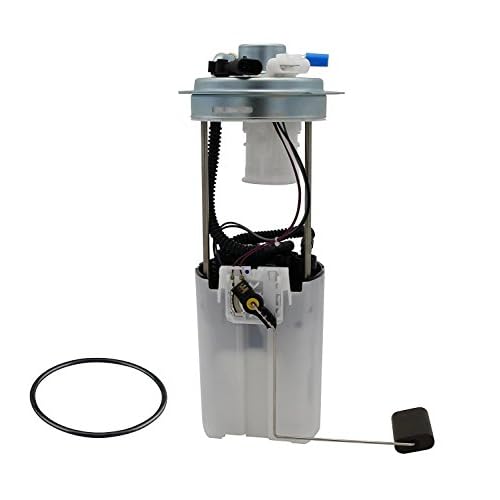
| Fuel Pump Assembly | Delivers pressurized fuel from tank; houses the level sender. |
| Supply Line | Transfers pressurized fuel to the fuel rail or HPFP. |
| EVAP Vent Line | Manages fuel vapor pressure in the tank via the charcoal canister. |
| Injection Pressure Regulator | Controls the fuel pressure level for combustion timing (Diesel specific). |
The supply line is typically identified by its diameter and color-coded quick-connect fittings. On gasoline models, the nylon lines feature specific internal O-rings that are highly susceptible to chemical degradation if contaminated by non-fuel-rated lubricants. Always ensure that any replacement line matches the exact SAE J2044 standard specified by the manufacturer.
On diesel models, the fuel heater acts as a preventative maintenance measure. If your vehicle experiences stalling in sub-zero temperatures, verify the heater element resistance using a multimeter before replacing the entire fuel line assembly.
Common 2007 Chevy Silverado Fuel Line Diagram Symptoms and Failures
Recommended Best Deal Products


When the fuel system deviates from the design specifications outlined in the 2007 Chevy Silverado fuel line diagram, the powertrain control module (PCM) will typically log a diagnostic trouble code (DTC), such as P0171 or P0174 (Lean Banks). However, physical leaks or pressure drops often manifest before the sensor triggers a light.
- Loss of Fuel Rail Pressure: If the fuel pump fails to maintain pressure or a line has a microscopic crack, the vehicle will exhibit an extended crank time, especially after sitting idle.
- Schrader Valve Leaks: The test port found on the fuel rail is a common failure point. A leaking valve will release raw fuel onto the engine block, presenting a severe fire risk.
- Fuel Return Line Obstruction: In diesel engines, a kinked return line prevents the HPFP from offloading excess pressure, leading to an over-pressure condition that can rupture gaskets.
- Vortec Engine Stalling: On gasoline models, a failing fuel pressure regulator—often integrated into the tank assembly—causes erratic idle and stumbling under load due to inconsistent fuel delivery.
- Primer Pump Malfunction: Difficulty starting a diesel after a filter change suggests air intrusion or a failing primer pump seal, which prevents the system from building the required priming pressure.
Never use generic rubber hoses for high-pressure fuel lines. The fuel rail pressure on these vehicles can exceed 60 psi (gas) or 20,000 psi (common rail diesel). Only use lines rated for the specific fuel type and pressure rating provided in your specific VIN-matched service manual.
How to Replace 2007 Chevy Silverado Fuel Lines Safely
Replacing fuel lines requires strict adherence to safety protocols, particularly regarding static electricity and pressurized fluids. Follow these technical steps to ensure a code-compliant, leak-free installation.
- Relieve System Pressure: Locate the fuel pump relay in the under-hood fuse block. Remove the relay and crank the engine until it dies. For diesel engines, open the fuel bowl drain valve to release trapped pressure.
- Identify Connection Type: Determine if your vehicle uses a traditional SAE quick-connect or a threaded compression fitting. Use the appropriate disconnect tool—do not force the plastic clips, as they are brittle due to heat cycling.
- Clear the Work Area: Use compressed air to blow debris away from all connection points before loosening. Even minute particles entering the HPFP or injectors can cause catastrophic internal component failure.
- Secure Routing: When installing the new line, ensure it is routed exactly as shown in the 2007 Chevy Silverado fuel line diagram. Use all OEM clips and standoffs; allowing a line to vibrate against the chassis will lead to future metal fatigue and fuel spray.
- Priming the System: Once connected, cycle the ignition to the “ON” position (do not crank) three times to allow the pump to pressurize the line. Inspect every junction for signs of weeping or leakage before starting the engine.
Quick-connect torque specs: When dealing with banjo bolts on diesel fuel lines, use a new copper crush washer for every assembly. Torque to 25 ft-lbs (34 Nm) to ensure a proper seal without deforming the fuel line flange.
2007 Chevy Silverado Fuel Line Diagram Questions Answered
Recommended Best Deal Products


Can I use steel braided lines to replace OEM nylon fuel lines?
While aftermarket steel braided lines are popular, they are often overkill for standard daily-driver applications. If you choose to upgrade, ensure the lines are PTFE-lined, as standard rubber-lined braided hoses will break down when exposed to modern ethanol-blended gasoline, leading to internal clogging and eventual line rupture.
Does the fuel cooler need to be flushed if the HPFP fails?
Yes. If your high pressure fuel pump has suffered an internal mechanical failure (often called “grenading”), metallic debris will have traveled through the fuel return line and into the fuel cooler. Failure to flush or replace the fuel cooler will result in the new HPFP ingesting debris and failing prematurely.
Where is the fuel heater located in the 2007 diesel diagram?
The fuel heater is typically integrated into the fuel filter housing (the fuel bowl) on the Duramax engine. It is controlled by a thermostat that activates the heating element when the ambient fuel temperature drops below approximately 45 degrees Fahrenheit to prevent waxing.
Why is my fuel pump connector showing voltage but not running?
This is a common issue often misdiagnosed as a pump failure. High resistance in the ground circuit—frequently caused by corrosion at the chassis ground point (G401)—can provide enough voltage for a multimeter reading but insufficient amperage to drive the pump motor. Always load-test the power and ground circuits before replacing the fuel pump assembly.
Adhering to the technical specifications provided in the 2007 Chevy Silverado fuel line diagram is your primary defense against costly repairs and roadside breakdowns. By understanding the distinct differences between the Classic and New Body Style chassis, identifying the critical junctions in your specific engine platform, and performing maintenance with the correct tools, you ensure the longevity of your vehicle’s fuel system. Always perform a final inspection after any fuel system service to confirm that no leaks are present under operating pressure.
Step-by-Step Guide to Understanding the 2007 Chevy Silverado Fuel Line Diagram
Identify – Locate the fuel pump relay in the under-hood fuse block and pull it to relieve residual line pressure.
Locate – Access the fuel tank module by either dropping the tank with a transmission jack or unbolting the truck bed.
Reference – Use the fuel line diagram to distinguish between the primary supply line and the vapor return lines.
Connect/Route – Secure the new nylon fuel lines into the quick-connect fittings, ensuring the retaining clips are fully seated.
Verify – Cycle the ignition key three times without starting to prime the pump and check all joints for wetness or leaks.
Troubleshoot – If the engine starts but dies, check the ground wire at the fuel pump module for high resistance.