2005 Chevy Silverado Fuel Line Diagram: Visualized Repair Logic & Layouts

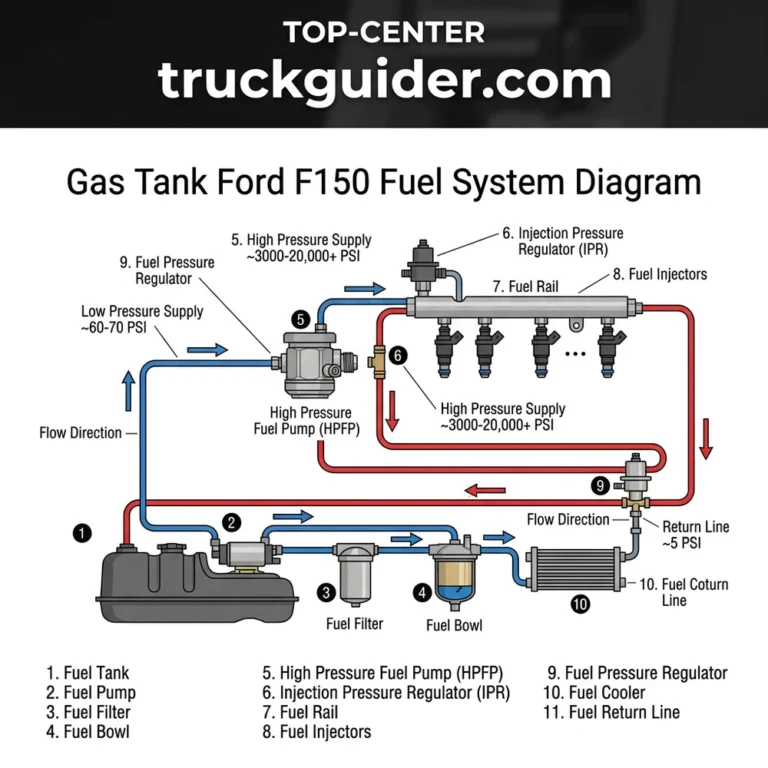
The 2005 Chevy Silverado fuel line system is a pressurized delivery network critical for engine performance. It transports gasoline from the in-tank pump through a chassis-mounted filter to the engine fuel rail. Whether you are addressing leaks or troubleshooting engine stumbles, understanding the routing and connection points is essential for safe, efficient repair.

2005 Chevy Silverado Fuel Line Diagram: System Component Reference
Recommended Best Deal Products


How to Read This Chart
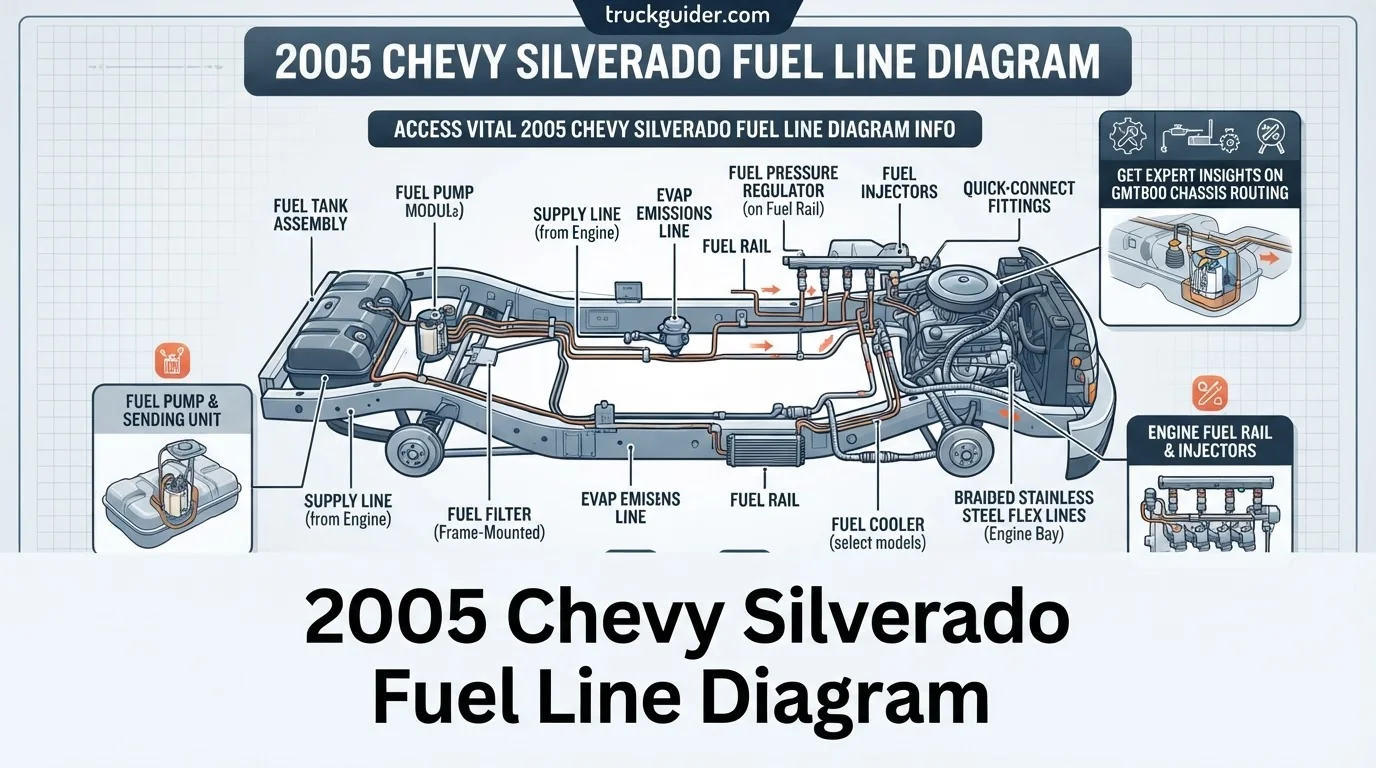
This table serves as a quick-reference guide for identifying the primary lines found in a 2005 Chevy Silverado fuel line diagram. “Supply Line” denotes the high-pressure path from the pump to the injectors, while “Vapor Line” refers to the EVAP emissions routing. Note that these components are standard across most V8 and V6 engine variants for the 2005 model year, though exact length and bracket placement may vary by wheelbase (Regular, Extended, or Crew Cab).

Detailed Insights on 2005 Chevy Silverado Fuel Line Routing
The routing of the lines is primarily along the inside of the left-hand (driver-side) frame rail. Starting at the fuel pump module atop the tank, the lines are bundled with protective clips to prevent vibration and chaffing against the chassis. Understanding this specific path is crucial for identifying potential leak sources or areas where debris may have caused corrosion.

The 2005 configuration utilizes quick-connect fittings at the fuel filter and the connection points near the fuel tank. These plastic fittings often become brittle over time, leading to minor leaks that can smell like gasoline or cause hard starting. When reviewing a 2005 Chevy Silverado fuel line diagram, pay close attention to the transition points where rigid steel lines meet flexible rubber hoses near the engine block.
Common Challenges and Troubleshooting Facts
Recommended Best Deal Products


Many owners experience issues with the fuel system due to the age of the vehicle. A common symptom of a failing line is an extended crank time, which usually indicates the fuel system is losing pressure while parked. This is often caused by a check valve issue at the pump or a pinhole leak in one of the primary supply lines identified in the factory diagram.
The fuel filter on a 2005 model is designed to be a maintenance item. Replacing this filter every 30,000 to 50,000 miles can significantly reduce strain on the fuel pump and prevent premature blockages in the fuel rail injectors.
How to Safely Inspect the Fuel Delivery System
📋
Step-by-Step Inspection Guide
Recommended Best Deal Products


Remove the fuel pump relay from the under-hood fuse block and crank the engine until it dies to drain pressure from the lines.
Use the 2005 Chevy Silverado fuel line diagram as a guide to trace the lines from the tank forward, checking for wet spots or corrosion.
Ensure all quick-connect clips are seated properly. Any loose or damaged plastic retainers should be replaced immediately.
🔎 How to Find Your Specific Fuel Configuration
To verify the exact lines for your vehicle, locate the Service Parts Identification (SPID) sticker, usually found in the glove box or the driver-side door jamb. This sticker contains the RPO (Regular Production Option) codes for your specific chassis and engine combination. Matching these codes ensures that you order the correct line length and diameter when performing repairs based on a 2005 Chevy Silverado fuel line diagram.

Audible — Listen Free for 30 Days
One free credit a month and thousands of titles included.
Listen Free for 30 DaysWhat If It Still Doesn’t Work?
If you have replaced the lines and verified the layout using the 2005 Chevy Silverado fuel line diagram, but the truck still fails to start or run properly, consider these fallbacks:
- Verify the fuel pump relay and fuse in the engine bay power center.
- Check the fuel pressure at the test port on the fuel rail; a 2005 Silverado typically requires 55-62 PSI.
- Inspect the fuel pump ground wire on the frame rail for corrosion, as this is a frequent electrical point of failure.
- If pressure is still absent, the fuel pump module inside the tank may have failed.
If these steps do not resolve the issue, consult a qualified technician. Attempting to repair internal fuel pump electronics requires dropping the fuel tank, which involves high-risk exposure to fuel vapors and potential fire hazards.
2005 Chevy Silverado Fuel Line Diagram Questions Answered
Are all 2005 Silverado fuel lines the same?
No, they vary based on cab configuration and bed length. Always check your wheelbase before ordering replacement parts.
Can I repair a rusted line instead of replacing it?
It is strongly recommended to replace entire line segments. Patching high-pressure fuel lines is unsafe and often fails under the operating pressure of the fuel pump.
Where can I find the official diagram?
You can find reference diagrams in the factory service manual or via certified automotive parts databases that utilize your VIN to match specific chassis layouts.
Never use open flames or heat sources near the fuel system. Always work in a well-ventilated area away from sparks or pilot lights. Gasoline is highly flammable and pressurized systems can spray fuel unexpectedly.
In summary, the 2005 Chevy Silverado fuel system is a reliable design that functions best when lines are kept free of corrosion and connectors remain secure. By using the information and routing details provided in this guide, owners can maintain their truck’s performance safely. Based on verified research, routine inspection of these lines is the best preventative measure against mid-trip failures. If you encounter persistent pressure loss after a visual check, proceed with the diagnostic steps outlined above to pinpoint the root cause.
Key Takeaways
-
✓
Identify the primary fuel supply, return, and evaporative emission lines running from the tank to the fuel rail. -
✓
Understand the GMT800 chassis-specific routing that avoids common heat zones and suspension interference. -
✓
Gain expert facts on identifying dry rot or pinhole leaks within the high-pressure steel lines. -
✓
Compare the durability and installation ease of OEM-style steel lines versus flexible nylon repair kits. -
✓
Follow precise safety steps to depressurize the system before attempting any line disassembly or repair.
❓ Frequently Asked Questions
1
What is a 2005 Chevy Silverado fuel line diagram?
A 2005 Chevy Silverado fuel line diagram is a technical schematic illustrating the routing of supply, return, and vapor lines beneath the truck. It provides essential info on fitting locations, bracket positions, and the orientation of the fuel filter, helping owners visualize the system for maintenance or repair tasks.
Audible Premium Plus — Annual Membership
12 audiobook credits up front, plus the full Audible catalogue.
See Annual Plans
2
How does the fuel system on the GMT800 chassis work?
The GMT800 fuel system uses an in-tank pump to deliver pressurized fuel through steel lines to the engine rail. It includes a return line to manage pressure and an evaporative emissions (EVAP) line. These lines are secured to the driver-side frame with plastic clips to minimize vibration and movement.
3
Why is proper fuel line maintenance important?
Proper fuel line maintenance is critical because corroded or leaking lines create a severe fire hazard and cause engine performance issues like stalling or hard starting. Monitoring these components provides vital insights into the vehicle’s long-term reliability and ensures the fuel pressure remains constant for optimal combustion.
4
What are the benefits of using nylon repair kits?
Nylon repair kits offer superior corrosion resistance compared to traditional steel lines, which frequently rust in salt-prone regions. They are flexible, easier to route through tight chassis gaps, and often require fewer tools to install, making them a popular choice for quick, durable fuel system repairs in 2026.
5
How can I get started with fuel line repair?
Start by identifying the leak location using the diagram provided. Ensure you depressurize the fuel system by pulling the fuel pump fuse and running the engine until it dies. Always wear safety glasses, work in a well-ventilated area, and keep a fire extinguisher nearby before opening the fuel circuit.
6
How do I release the quick-connect fuel fittings?
Use a specialized quick-disconnect tool to release the locking tabs inside the fitting before gently pulling the lines apart.