Where Is Intake Manifold Located 2026 Step-by-Step Guide

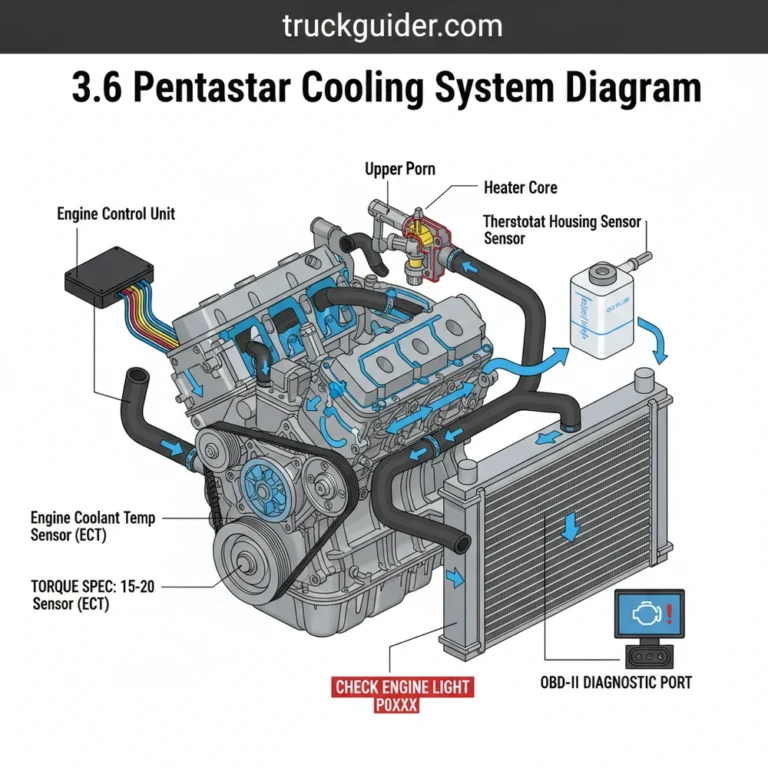
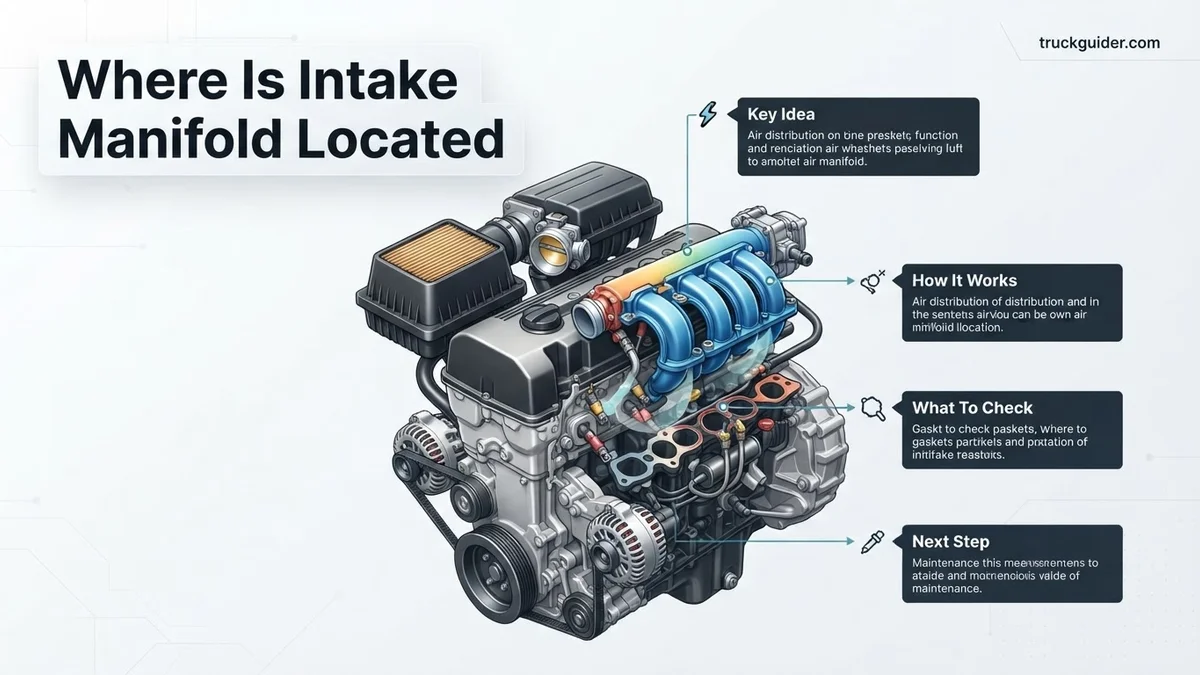
The intake manifold is bolted directly to the engine cylinder head, sitting in the center valley between cylinder banks on V-engines or along the side on inline engines. You can rapidly identify it by tracing the air intake duct past the throttle body to the branching runner tubes entering the combustion chambers.
Your engine’s intake manifold is bolted directly to the cylinder head, resting either inside the center valley between cylinder banks on a V-engine or attached along the side of the cylinder head on an inline engine. It serves as the primary distribution hub for incoming air. You can instantly recognize it by its distinctive runner tubes—a group of wide, curved pipes branching out from a single central chamber straight into the engine block.

Prime for Young Adults — 6 Months Free
Students and 18–24s get six months of Prime free, then half price.
Start 6 Months FreePinpointing this component is critical for routine maintenance and troubleshooting in 2026. Whether you are hunting down a hissing vacuum leak, replacing degraded gaskets, servicing carbon-fouled intake valves, or diagnosing a faulty manifold absolute pressure (MAP) sensor, knowing its exact physical footprint saves you from dismantling unrelated engine bay hardware.
Key Takeaways
- On V-engines, the intake manifold sits in the central valley between cylinder heads.
- On inline engines, it is mounted directly to the side of the cylinder head.
- Trace the plastic air duct past the throttle body to locate the manifold runners.
- Look for branching tubes made of black composite plastic or cast aluminum.
- Fuel rails, fuel injectors, and MAP sensors are typically mounted directly to it.
What Causes Confusion in Spotting the Intake Manifold in Modern Engine Bays
Recommended Best Deal Products


Finding the manifold used to be simple when engines showcased exposed cast aluminum hardware. In current vehicles, dense packaging and modular designs can make it difficult to tell where ductwork ends and the engine begins.
Cosmetic Engine Covers and Dense Plumbing
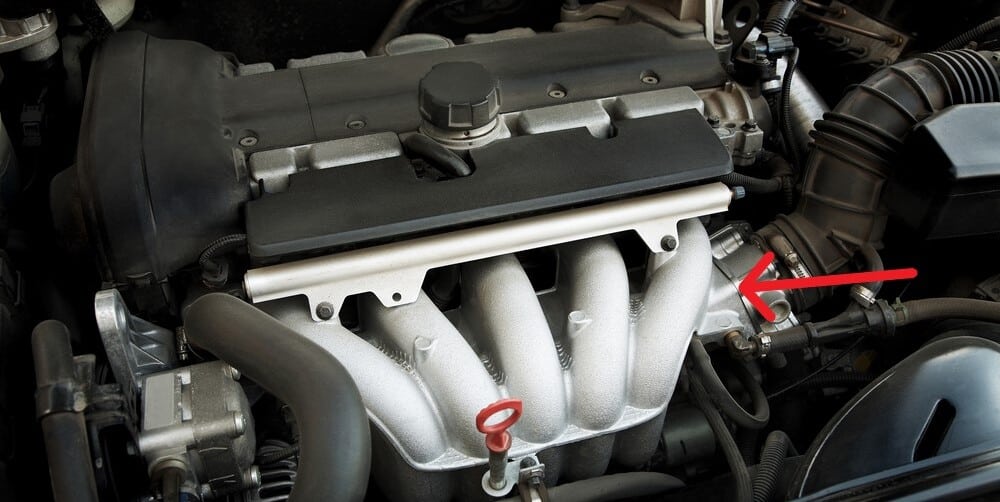
Most vehicles rolling off assembly lines feature heavy acoustic engine covers made of dense foam and molded plastic. These vanity covers snap over the top of the block to quiet high-pressure fuel injectors and direct injection pumps, completely burying the intake manifold underneath. Modern engine bays also route intricate webs of components over the manifold assembly:
- Direct-injection fuel rails: Thick, stainless-steel high-pressure lines and electrical harnesses often run directly across the runner channels.
- Turbocharger boost pipes: Pressurized air tubes wrap tightly over the engine to connect intercoolers to the intake tract.
- PCV and EVAP lines: Rubber hoses and quick-connect purge lines clip directly onto the manifold body.
Material Shifts from Metal to Composite Plastics
Automakers primarily build intake manifolds out of black, glass-fiber-reinforced nylon composite (such as PA6/6). Because this material matches the matte black appearance of radiator shrouds, fuse boxes, and air filter boxes, the manifold frequently blends into the background of the engine compartment. Unless you look for the deliberate curve of the runner tubes meeting the metal cylinder head, the entire assembly looks like ordinary bay cladding.
Master Locating an Intake Manifold in 7 Simple Steps
The intake manifold is the respiratory hub of your vehicle’s engine, responsible for distributing measured, filtered air evenly to each cylinder for combustion. Whether you are troubleshooting a hissing vacuum leak, replacing a faulty runner control valve, or preparing to replace a brittle intake gasket, finding this component is your primary task. Following this systematic guide ensures you can pinpoint the intake manifold across various engine layouts quickly and safely, without mistaking it for surrounding engine architecture.
Step 1: Prepare the Vehicle and Ensure Safe Workspace Conditions
What you need: Safety glasses, mechanic work gloves, an LED inspection flashlight, and a completely cooled engine.
Instructions: Park the vehicle on a flat, level surface, engage the parking brake, and turn off the ignition. Pop the hood and secure it firmly using the hood prop rod or ensure the hydraulic hood struts hold securely. Never attempt to locate or touch engine components immediately after driving, as exhaust manifolds and coolant lines run directly adjacent to the intake tract and can cause severe burns (often exceeding 400 degrees Fahrenheit). Allow the engine bay to cool for at least 45 to 60 minutes. Put on your safety glasses and gloves, and use your flashlight to orient yourself above the engine bay.
Pro Tip: Touch the vehicle radiator hose lightly with the back of your gloved hand; if it feels warm to the touch, the engine has not cooled down sufficiently to begin working safely.
Step 2: Determine Your Engine Layout and Cylinder Configuration
What you need: Owner’s manual or vehicle specification sheet to verify engine configuration (Inline, V-style, or Boxer/Flat).

Audible — Listen Free for 30 Days
One free credit a month and thousands of titles included.
Listen Free for 30 DaysInstructions: The physical location of the intake manifold depends heavily on how your engine cylinders are arranged. For an Inline engine (common I4 or I6 designs found in many sedans and compact SUVs), the manifold is mounted on one side of the cylinder head. On a V-configured engine (such as a V6 or V8 found in trucks and larger vehicles), the intake manifold sits directly in the center “valley” nestled between the two angled cylinder banks. For Boxer/Flat engines (standard in Subarus and Porsche models), the manifold sits flat on top of the centrally split crankcase, branching down toward both sides.
Pro Tip: If you are unsure of your engine type, count the spark plug boots or ignition coils: a straight row of four indicates an inline-four, whereas two parallel banks indicate a V-style engine.
Step 3: Remove the Engine Cosmetic Beauty Cover
What you need: 10mm socket, ratchet, flathead screwdriver, and a magnetic parts tray.
Instructions: Most modern vehicles manufactured after the early 2000s conceal the intake system beneath a large plastic acoustic beauty cover. Inspect the perimeter and center of the cover for mounting hardware. Many covers are secured merely by heavy-duty rubber ball-and-socket grommets; grasp the cover firmly at the corners and pull straight upward with a steady, moderate force. Other models require unbolting two to four 10mm fasteners or releasing plastic retainer clips. Set the cover, bolts, and clips safely aside on your workbench. With the plastic shroud removed, the true mechanical upper structure of the engine is revealed.
Pro Tip: Apply a tiny dab of silicone grease to the rubber retaining grommets before reinstalling the cover later; this makes future removals significantly smoother and prevents torn rubber.
Step 4: Trace the Air Intake Duct from the Filter Housing
What you need: High-lumen LED flashlight.
Instructions: Begin at the front corner of the engine compartment, where you will find the large black plastic air filter box. Follow the thick, flexible, accordion-style rubber ducting leading away from the airbox toward the center of the engine. Along this tract, you will see the cylindrical Mass Air Flow (MAF) sensor clamped in line. Continue tracing this ribbed rubber or hard-composite tube along its path. It serves as the direct pipeline funneling outside air into the engine, and it terminates at the primary gate of the intake assembly.
Pro Tip: Inspect the accordion folds of the rubber intake boot while tracing it; fine dry-rot cracks in these folds frequently create unmetered air leaks that mimic a cracked intake manifold.
Audible Premium Plus — Annual Membership
12 audiobook credits up front, plus the full Audible catalogue.
See Annual PlansStep 5: Identify the Throttle Body Entry Gate
What you need: LED flashlight and a clean shop rag.
Instructions: At the end of the flexible air intake tube, you will reach a cast aluminum component with an electrical harness plugged into its side (or an attached metal mechanical throttle cable on older vehicles). This is the throttle body, housing an internal butterfly flap that modulates airflow into the engine. The throttle body is physically bolted with three to four long bolts directly to the large intake opening—the intake plenum. Finding the throttle body means you have arrived at the front door of the intake manifold.
Pro Tip: The throttle body is usually metallic silver, creating an obvious visual contrast against modern composite black plastic intake manifolds.
Step 6: Map the Manifold Plenum and Branching Runners
What you need: Flashlight and your hands to physically trace the shape.
Instructions: Immediately downstream of the throttle body is the intake manifold itself. It consists of a large central air reservoir called the plenum, which branches out into individual arched tubes known as intake runners. Count these branching runners: there will be one runner feeding each cylinder (e.g., four runners on a four-cylinder engine, eight on a V8). Follow these branching tubes downward. You will observe them curving and terminating where they bolt directly against the metallic cylinder head near the fuel rail and fuel injectors.
Pro Tip: On modern vehicles, the intake manifold is predominantly constructed from molded black nylon composite plastic, while older or high-performance turbocharged vehicles often feature cast aluminum construction.
Step 7: Distinguish the Intake Manifold from the Exhaust Manifold
What you need: Visual inspection only.
Instructions: To avoid confusing the intake manifold with the exhaust manifold, look closely at the materials, attachments, and orientation. The intake manifold features vacuum hoses, electrical sensor plugs (like the MAP sensor), and thin fuel rails mounted directly over the ports. In contrast, the exhaust manifold is bolted to the exhaust ports on the cylinder head, manufactured from heavy cast iron or tubular welded steel, features an oxygen sensor threaded into it, and is typically surrounded by stamped aluminum heat shields to contain high heat.
Pro Tip: If the part looks rusty, heavily oxidized, or is wrapped in shiny sheet metal heat insulation, you are looking at the exhaust manifold, not the intake.
✅ Final Checklist
- Verified the engine is completely cold to the touch before reaching into the bay.
- Traced the air intake pipeline uninterrupted from the air cleaner box to the throttle body.
- Located the central intake plenum and verified individual runners branching to each cylinder.
- Confirmed the presence of plastic or clean cast aluminum, vacuum ports, and fuel rails (differentiating it from the exhaust manifold).
- Accounted for all removed engine cover fasteners and clips.
Important Notes:
- Safety Warning: Never spray volatile aerosol cleaners (like brake cleaner or carb cleaner) around the intake manifold while searching for leaks if the engine is running near hot exhaust pipes or electrical sparks.
- When to Seek Professional Help: If your intake manifold is obscured underneath complex supercharger assemblies, high-pressure direct-injection fuel lines, or intricate hybrid wiring harnesses, consult a certified technician to avoid hazardous high-voltage or high-pressure fuel discharge.
- Estimated Time and Cost: Locating the intake manifold takes approximately 5 to 15 minutes and costs $0 in DIY labor. If replacement is required due to gasket failure or runner cracks, parts generally range from $80 to $450, while professional labor costs between $300 and $800 depending on vehicle accessibility.
How Engine Configurations Dictate Where the Intake Manifold Is Positioned
Engine layout is the single biggest factor determining where your intake manifold sits. Automakers design manifolds to feed air directly into the intake ports with minimal restriction, pinning their location directly against the cylinder heads.
V-Shaped Engines (V6 and V8): The Center Valley
In traditional V6 and V8 engines, the intake manifold sits dead center in the structural “valley” created between the two angled cylinder banks. The throttle body feeds into an upper plenum chamber, which splits into two sets of runners arching outward and downward into the inner sides of both cylinder heads.
- Rear-Wheel Drive (Longitudinal): The manifold runs front-to-back along the center line of the bay, with the throttle body facing forward toward the radiator.
- Front-Wheel Drive (Transverse): The engine sits sideways between the strut towers. Here, the valley manifold sits between the front cylinder bank (near the radiator) and the rear bank (tucked against the firewall).
- “Hot V” Exception: Some modern twin-turbo V8 designs reverse this orientation. They place the exhaust manifolds and turbos in the central valley, pushing two separate, compact intake manifolds to the outer edges of the cylinder heads.
Inline and Flat Configurations: Side-Mounted vs. Split Runners
Inline engines (I4 and I6) align all cylinders in a straight row. Because these motors use a crossflow head design, the intake and exhaust tracts sit on completely opposite sides of the metal engine block.
- Inline Engines (Side Placement): The intake manifold bolts directly along one flank of the cylinder head. On a transverse four-cylinder car, it typically faces the front grille for cooler airflow or sits tucked on the rear side just below the windshield cowl.
- Boxer / Flat Engines (Subaru and Porsche): Because the cylinder heads lie horizontally on opposite sides of the bay, the intake manifold sits elevated on top of the crankcase. It resembles an arch or spider, splitting runners left and right down to the low-mounted horizontal heads.
How to Step-by-Step Trace and Identify the Intake Manifold Under Your Hood
Locating an intake manifold does not require disassembling the entire powertrain. By following the airflow path upstream to downstream, technicians isolate the component in minutes.
Tracing the Air Path from the Airbox
- Locate the air cleaner assembly: Identify the large rectangular or cylindrical plastic box seated near the front grill or wheel arch. This housing contains the primary engine air filter.
- Track the air intake tube: Follow the thick, flexible rubber or composite duct extending from the air filter housing toward the center of the engine.
- Spot the throttle body: Locate the metal valve unit mounted at the end of this intake tube. It features an electrical connector harness controlling the electronic throttle plate.
- Confirm the manifold body: Identify the large chamber bolted directly to the throttle body. The intake manifold branches out from this point into individual runners connecting to each cylinder intake port.
What If You Still Cannot See the Manifold Beneath Engine Covers and Harnesses
Modern engine bays prioritize cabin noise reduction and aerodynamic sealing. Acoustic beauty covers, integrated intercoolers, and complex low-voltage wiring looms frequently obscure the intake manifold from plain sight.
Safely Clearing Engine Bay Obstructions
- Verify the engine is cold: Allow the powertrain to rest for at least 45 minutes to prevent thermal injury and avoid snapping heat-softened plastic brackets.
- Release the decorative beauty cover: Check for securing fasteners. Most modern vehicle covers secure via four rubber-seated friction grommets or 10mm hex bolts. Firmly pull straight up from the corners to pop the cover off its mounting ball studs.
- Trace around high-pressure fuel lines: Direct-injection fuel rails sit across or immediately adjacent to the manifold runners. Do not bend or pry against these rigid stainless steel tubes while inspecting the engine top.
- Look beneath turbocharger charge piping: On modern turbocharged applications, look directly beneath the pressurized aluminum or reinforced silicone charge pipes feeding into the intake plenum.
What If You Still Cannot Locate It?
Compact engine bays, inverted runner designs, and hybrid power units can challenge standard visual identification methods. When standard line-of-sight tracing fails, implement these verified contingency steps:
- Access factory schematics via VIN: Enter your 17-digit Vehicle Identification Number into professional OEM technical repositories like Mitchell 1 or ALLDATA to pull the exact component breakdown diagram.
- Trace backwards from the cylinder head: Locate the valve cover and spark plug coils. Follow the metal cylinder head casting inward toward the intake side to identify where the intake runner flange meets the engine block.
- Deploy an articulating borescope: Feed a 5.5mm digital inspection camera beneath tight intake plenums, secondary air injection systems, or hybrid high-voltage harnesses to confirm manifold casting stamps.
- Consult an ASE-certified technician: If high-voltage hybrid cables (identifiable by bright orange conduit) or structural braces block visual verification, professional intervention is necessary. Professional shop diagnostic fees typically range between $120 and $220 per hour in 2026.
Conclusion
Locating your intake manifold requires systematically tracing the intake air tract from the air filter box, through the throttle body, directly to the cylinder head ports. Heavy engine covers and tightly packaged modern ancillaries frequently mask this component, but safe removal reveals the multi-port runners underneath. According to verified research and expert automotive engineering sources, properly identifying the manifold is the critical first step before conducting smoke tests or torque inspections. Your immediate next step is to inspect the manifold runner junctions for cracked composite plastics or whistling vacuum leaks while the engine idles.
❓ Frequently Asked Questions
Can you see the intake manifold without removing engine covers?
On many modern vehicles, decorative plastic acoustic engine covers completely conceal the intake manifold. Removing these covers, which usually pull off rubber mounting grommets or require unbolting a few clips, immediately reveals the manifold runners underneath.
How do you tell the intake manifold apart from the exhaust manifold?
The intake manifold connects to the plastic air cleaner ducting and throttle body, and is usually made of lightweight black composite plastic or light cast aluminum. The exhaust manifold connects directly to the catalytic converter and exhaust piping, and is made of heavy cast iron or tubular stainless steel often shielded by heat metal plates.
Where is the intake manifold on horizontally opposed boxer engines?
On Subaru and Porsche boxer engines, the intake manifold sits directly on top of the engine block in the center. Its long runners arch outward and downward to connect to the cylinder heads positioned horizontally on both sides.
Why is the intake manifold made of plastic on newer cars?
Automakers use composite plastic (nylon) for intake manifolds to reduce overall engine weight, lower manufacturing costs, and provide smoother inner runner walls that improve airflow efficiency. Plastic also reduces thermal heat soak from the engine block compared to traditional cast aluminum.
Where are the intake manifold gaskets located?
Intake manifold gaskets sit right at the mating junction where the manifold runner ports press against the intake ports of the metal cylinder head. On two-piece manifold designs, an upper plenum gasket also seals the upper and lower halves together.
What components must be removed to access the intake manifold?
Accessing the intake manifold typically requires removing the upper engine appearance cover, the air intake tube, the throttle body, and unhooking wiring harness brackets and vacuum lines. On some V-engines, the upper intake plenum must be unbolted first to reach the lower manifold and spark plugs.