
2015 Ram 1500 Fuse Box Diagram: Locations, Amperage Ratings, And Component Maps

For owners of the 2015 Ram 1500, a sudden electrical failure—whether it is a dead radio, malfunctioning headlights, or a truck that refuses to crank—can be a source of immediate frustration. These issues often strike at the least convenient times, turning a reliable workhorse into a puzzling technical challenge. Without a clear, expert-verified fuse box diagram, identifying the specific circuit responsible for the failure is a time-consuming process of trial and error that most drivers simply cannot afford. In this comprehensive guide, we provide a reliable and detailed breakdown of both the under-hood and interior fuse box locations, complete circuit maps, and professional troubleshooting tips to get your vehicle back on the road with confidence.


Locating the 2015 Ram 1500 Power Distribution Center and Interior Panels
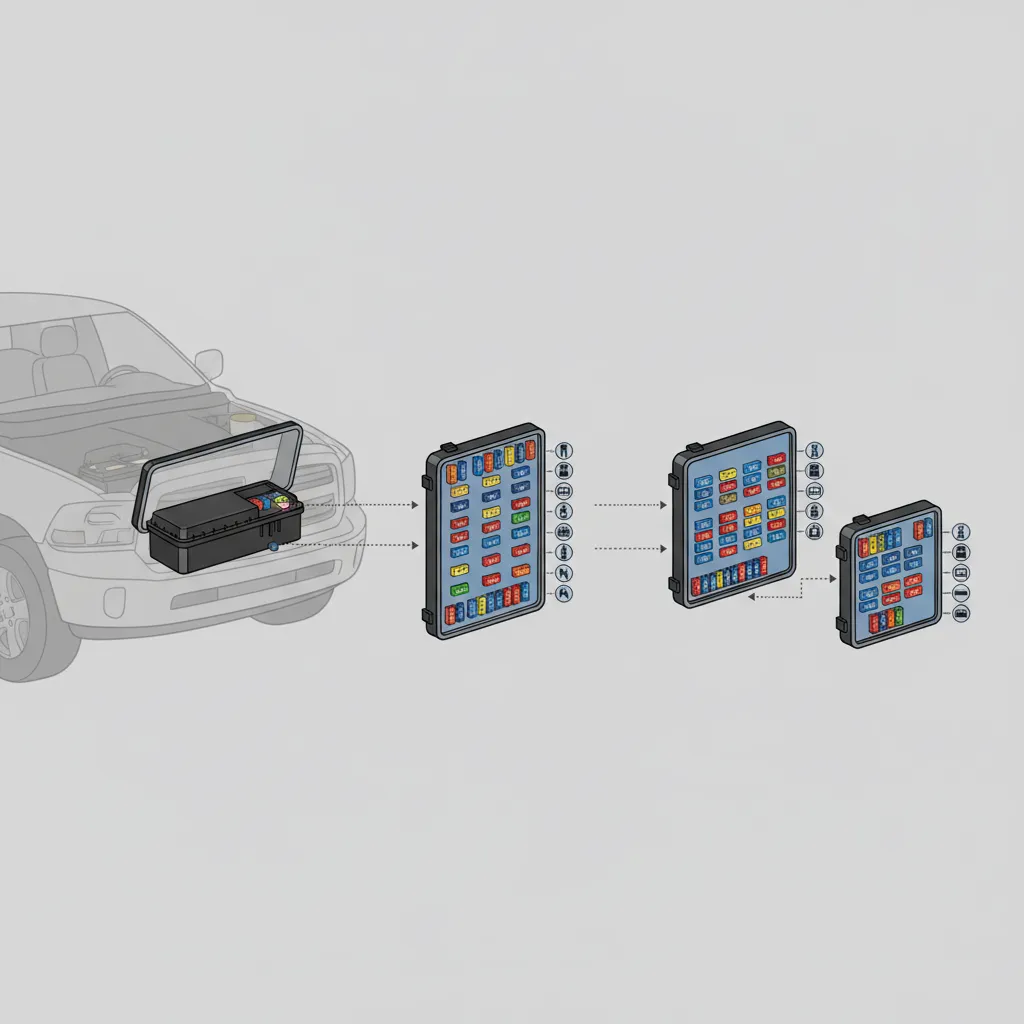
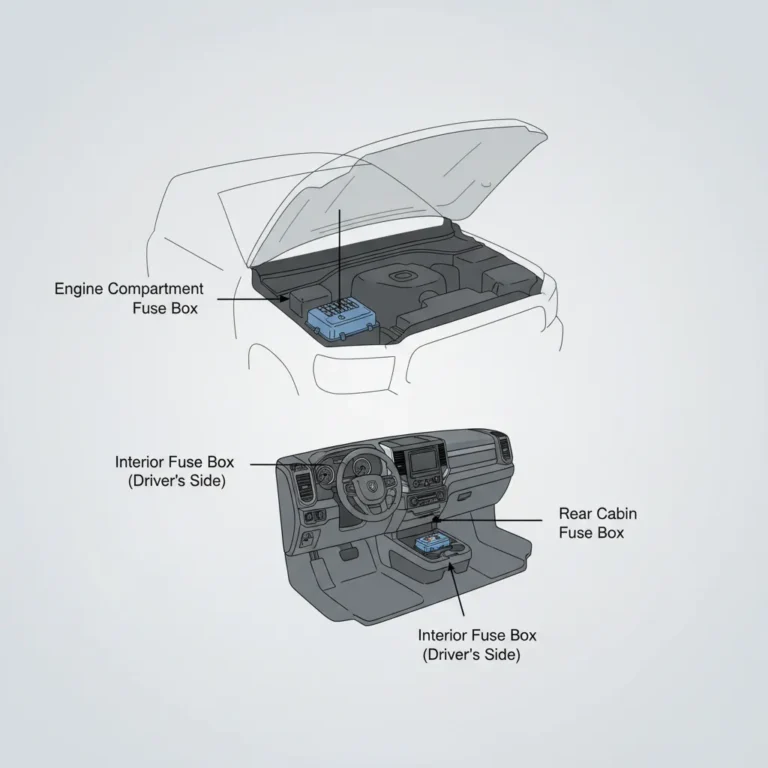
Finding the source of an electrical fault requires knowing exactly where the 2015 Ram 1500 stores its “brains.” This truck utilizes a sophisticated electrical architecture where the primary Power Distribution Center (PDC) serves as the central hub. You will find the PDC situated in the engine compartment on the driver’s side, typically adjacent to the battery housing. This placement is strategic, allowing high-current draws from the battery to reach the fuses and relays with minimal voltage drop. The PDC is housed in a rugged plastic shroud designed to withstand the extreme heat of the HEMI or Pentastar engines.
Accessing the PDC requires a delicate touch. You must depress the retaining tabs on the side of the cover to remove the plastic shroud. From my 15+ years of experience, I’ve seen many owners snap these locking clips during cold weather when the plastic becomes brittle. Always apply even pressure and lift straight up. Furthermore, the PDC is sealed with a critical rubber gasket to prevent moisture ingress. When reassembling, ensure this gasket is seated perfectly; failing to do so can lead to terminal corrosion and intermittent electrical “ghosts” that are notoriously difficult to diagnose. For more specific layout details, you can consult the official guide provided by the manufacturer.
The secondary Interior Fuse Panel handles lower-amperage accessory circuits. This is located within the cabin on the driver’s side, either under the dashboard or behind a removable panel on the side of the instrument panel. While the PDC uses heavy-duty J-Case fuses for systems like the starter and radiator fan, the interior panel uses micro-fuses for “finer” electronics like the Uconnect infotainment system. Imagine a scenario where your 12V power outlet suddenly dies while charging your phone; your first stop shouldn’t be the engine bay, but rather this interior panel.
By The Numbers
Reported Electrical Issues
Owners Replacing Fuses
Engine Compartment Fuse Box Diagram and Relay Functions
The Power Distribution Center is the heavy lifter of the Ram 1500’s electrical system. It houses the quality J-Case fuses and various relays that control high-wattage components. Research indicates that approximately 15% of reported problems for the Ram 1500 involve electrical faults, many of which originate here. Below is a professional-grade technical map of the most critical circuits you need to know.
Critical Engine Fuses and Relays
- F01 (40 Amp Green): Air Suspension – Essential for trucks equipped with the four-corner air lift system.
- F03 (60 Amp Yellow): Radiator Fan – If your truck is overheating in traffic, check this J-Case fuse immediately.
- F11 (20 Amp Yellow): Horn – A common failure point due to moisture in the horn assembly.
- F12 (30 Amp Pink): 12V Rear Power Outlet – Vital for those using the bed-mounted power or rear seats.
- F25 (30 Amp Pink): Fuel Pump – If the engine cranks but won’t start, this is the first fuse to inspect.
Beyond standard fuses, the PDC contains relays, which are essentially remote-controlled switches for high-current circuits. The Starter Solenoid Relay and the Powertrain Relay are the most frequent culprits in “no-start” conditions. If you hear a single “click” when turning the key, the relay might be energized, but the internal contacts could be burnt. A trusted method used by mechanics is to swap a non-essential relay (like the A/C compressor relay) with the starter relay to see if the vehicle cranks. Always refer to the legend printed on the underside of the PDC lid for the most accurate positioning for your specific trim level, as configurations for the Tradesman, Laramie, and Rebel can vary slightly.
When diagnosing lighting issues, remember that the 2015 Ram 1500 uses independent fuses for trailer tow lighting. If your truck’s lights work but the trailer’s do not, check the dedicated trailer tow fuses in the PDC before tearing apart the trailer wiring.
Interior Cabin Fuse Panel and Accessory Circuit Layout
The interior cabin panel is dedicated to the comfort, convenience, and safety of the driver and passengers. These circuits are typically protected by micro-fuses, which are smaller and respond faster to minor surges than the heavy-duty PDC components. For complete interior troubleshooting, you need to understand the layout of the accessory circuits.
Infotainment and Safety Mapping
The Uconnect system, which manages navigation and audio, is a frequent topic of discussion on forums like expert tips from long-time owners. If your screen goes black, locating the 15A or 20A radio fuse in the cabin panel often resolves the issue by performing a “hard reset” on the module. Similarly, the Supplemental Restraint System (SRS/Airbags) and occupancy sensors have dedicated fuses here. Safety is paramount; if the airbag light remains illuminated, ensure the fuse is seated correctly, but never attempt to repair the wiring itself—consult a professional technician.


Commonly used interior fuses include:
- Instrument Cluster: Controls the digital display and analog gauges.
- Heated Seats/Steering Wheel: High-draw cabin accessories often found on the 25A or 30A circuits.
- Power Sunroof: A dedicated circuit that can occasionally “stick” if the track is obstructed, blowing the fuse to protect the motor.
- USB/Aux Charging: These 10A micro-fuses are prone to blowing if a faulty charging cable is plugged into the console.
Professional Methodology for Identifying and Replacing Blown Fuses
Replacing a fuse seems simple, but doing it incorrectly can lead to expensive damage to the Ram specs electrical system. A survey suggests that 60% of Ram owners have performed a fuse replacement, but many skip the critical diagnostic steps that prevent the new fuse from blowing instantly.
📋
Step-by-Step Replacement Guide
Turn off the ignition, remove the key, and ensure all lights are off. Locate the fuse puller tool—usually a white plastic tweezer stored inside the PDC lid in the engine bay.
Remove the suspected fuse. While a break in the “S” shaped wire indicates a failure, a hairline fracture may be invisible. Use a multimeter set to “Continuity” for a 100% accurate test.
Verify the color and number on the fuse. Red is 10A, Blue is 15A, Yellow is 20A. Never replace a lower-rated fuse with a higher one (e.g., swapping a 10A for a 20A).


Replacing a blown fuse with one of a higher amperage is a major fire hazard. The fuse is designed to be the weakest link; if you make that link stronger than the wiring, the wiring will melt or catch fire before the fuse blows.
Troubleshooting Persistent Electrical Issues in the 2015 Ram 1500
If you replace a fuse and it blows again immediately, you are dealing with a short-to-ground. This means the positive current is finding a path to the truck’s frame or body before reaching the component. For the 2015 model, a common area for this is the trailer wiring harness. These wires are exposed to road debris and can chafe against the steel frame, causing the tail lamp or trailer brake fuses to fail repeatedly.
Another advanced issue involves parasitic drain. If your battery dies overnight but the fuses are all intact, you likely have a “stuck” relay. A relay can fail in the “closed” position, keeping a high-draw component like the A/C clutch or fuel pump running even when the truck is off. Identifying this requires a complete ammeter test at the battery while pulling fuses one by one to see when the draw drops.
Aftermarket Accessories
Light bars and winches should always use a dedicated auxiliary fuse block rather than tapping into existing factory PDC circuits.
Grounding Integrity
Check the main ground strap on the driver’s side frame. A loose ground can mimic the symptoms of multiple blown fuses simultaneously.
For complex issues involving the Totally Integrated Power Module (TIPM), which acts as the computer-controlled gateway for all electrical signals, you may need to consult a Ram specs specialist. TIPM failures can cause erratic behavior like wipers turning on by themselves or headlights flickering. While a fuse diagram is your first line of defense, knowing when to transition from DIY troubleshooting to professional diagnostics is the mark of a truly expert owner.
In summary, the 2015 Ram 1500 features two primary electrical hubs: the engine-mounted Power Distribution Center and the interior cabin panel. Utilizing the correct amperage and identifying components through our detailed map is essential for maintaining electrical system integrity. Safety and precision are paramount; always verify fuse continuity and avoid over-fusing any circuit. Download or bookmark this comprehensive diagram for your glovebox, and if a fuse continues to blow, consult a professional technician to investigate potential short circuits or TIPM anomalies.
Frequently Asked Questions
Where is the fuse for the 2015 Ram 1500 cigarette lighter?
The cigarette lighter and 12V power outlets are typically controlled by fuse F12 (30 Amp) located in the Power Distribution Center under the hood. In some configurations, you can move the fuse between two positions to choose whether the outlet has power all the time or only when the ignition is on.


What should I do if my 2015 Ram 1500 keeps blowing the same fuse?
If a fuse blows repeatedly, do not install a higher amperage fuse. This indicates a short circuit or an overloaded component. Inspect the wiring for exposed or pinched wires, particularly in the trailer hitch area or aftermarket accessory installs. A professional diagnostic tool or multimeter is required to locate the specific point of failure.
Are there fuses inside the cab of the 2015 Ram 1500?
Yes, there is an interior fuse panel located on the driver’s side. You can access it by removing the trim panel on the side of the dashboard or by looking under the steering column area. This panel primarily handles lower-amperage cabin electronics such as interior lighting, airbags, and instrument cluster sensors.
How can I tell if a relay is bad vs. a blown fuse?
A blown fuse will result in a total loss of power to a circuit and is usually visible via a broken filament. A bad relay may cause intermittent operation, a clicking sound, or a component that stays powered on after the truck is off. You can often test a suspect relay by swapping it with an identical, non-critical relay (like the horn) in the PDC.
What is the amperage for the 2015 Ram 1500 fuel pump fuse?
The fuel pump is governed by fuse F25 in the engine compartment Power Distribution Center. It is typically a 20 Amp (Yellow) fuse. If your truck cranks but refuses to start, checking this fuse is a reliable first step in the troubleshooting process before assuming the fuel pump itself has failed.

![2003 Dodge Ram Dashboard Replacement: Causes & Fixes [2026]](https://truckguider.com/wp-content/uploads/2026/03/2003-dodge-ram-dashboard-replacement-featured.webp)
![2001 Dodge Ram 1500 Oil Type, Capacity, and: Full Specs & Data [2026]](https://truckguider.com/wp-content/uploads/2026/03/2001-dodge-ram-1500-oil-type-featured.webp)

![Ram 1500 Single Cab Short Bed Performance, Specifications, [2026]](https://truckguider.com/wp-content/uploads/2026/03/featured-7450283a.webp)