
Ram 1500 Air Suspension Diagram: Components, Operation, And Troubleshooting Guide

The Ram 1500 air suspension system is a marvel of modern automotive engineering, offering a level of ride quality and versatility that traditional steel springs simply cannot match. By replacing conventional coils with electronically controlled pneumatic bellows, Ram has created a truck that can adapt to high-speed highway cruising, heavy towing, and technical off-roading at the touch of a button. However, the complexity of this sophisticated system—with its network of sensors, compressors, and high-pressure air lines—can be intimidating when a “Service Air Suspension” light appears on the dashboard. In this comprehensive guide, we provide a detailed Ram 1500 air suspension diagram and breakdown, explaining how each component functions and offering professional troubleshooting steps to keep your truck level and your ride smooth.

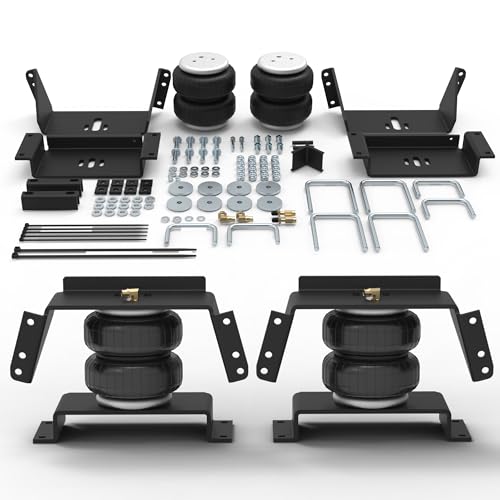


Anatomy of the Ram 1500 Air Suspension System
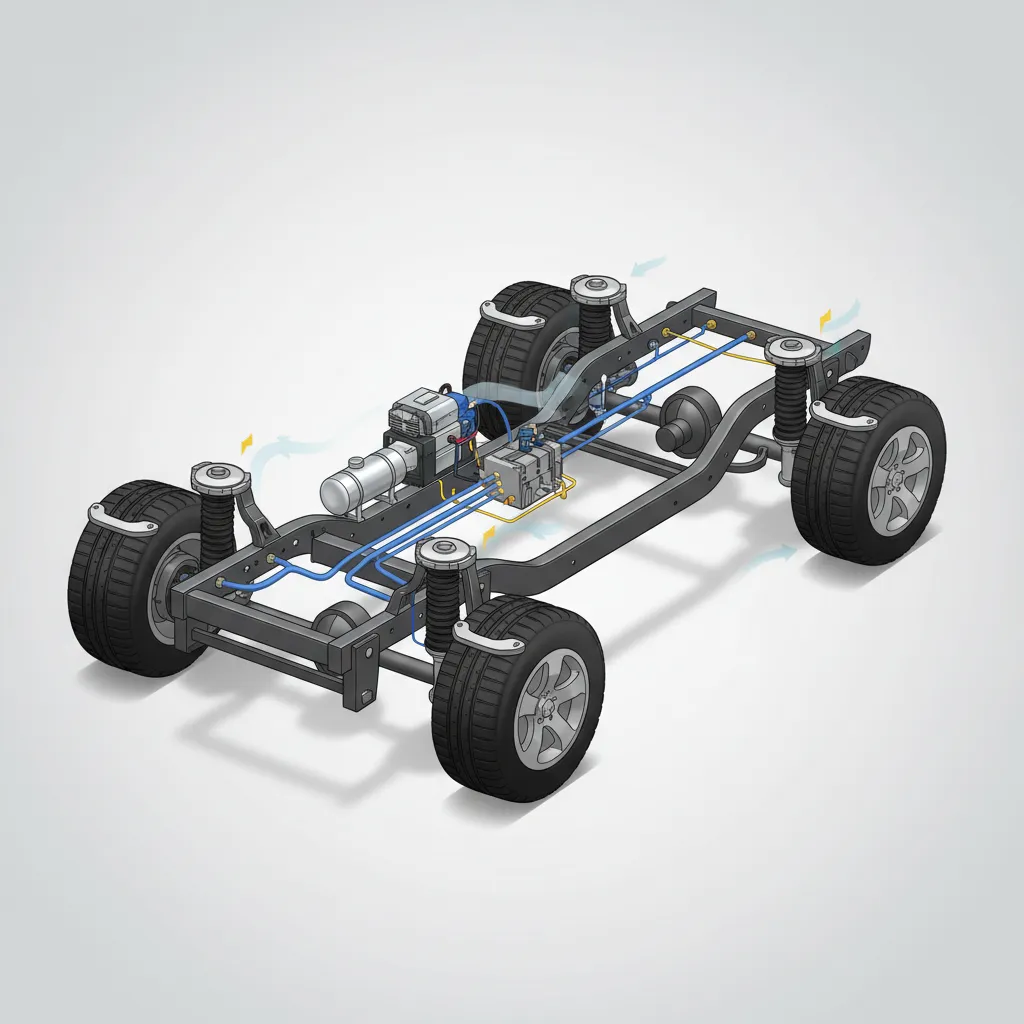
The Ram 1500 utilizes the Active-Level™ Four-Corner Air Suspension system, a professional-grade setup that replaces traditional steel coil springs with high-durability air springs at each wheel. This transition from passive mechanical components to an active pneumatic architecture allows the vehicle to dynamically adjust its posture based on speed, load, and driver preference. The expert design behind this system ensures that whether the truck is empty or fully loaded, the ride quality remains consistent and the chassis stays level.
At the heart of the system architecture is the Suspension Control Module (SCM). The SCM acts as the central “brain,” processing data from four-corner height sensors and other vehicle inputs several times per second. Unlike many aftermarket air kits, the Ram factory setup is a closed-loop system. It typically utilizes pressurized nitrogen gas stored in a reservoir. This choice of nitrogen over atmospheric air is critical; nitrogen is less susceptible to moisture-related freezing and provides more consistent performance across extreme temperature ranges, a trusted method in high-end automotive engineering.
Load Leveling
Maintains a perfectly level profile even when hauling a 1,000lb payload, preventing “squat” and maintaining steering geometry.
ESC Integration
Works with Electronic Stability Control to adjust spring firmness during high-speed maneuvers for enhanced safety.
To visualize the performance, consider a 1,000lb payload test. In a standard coil spring setup, the rear of the truck would compress significantly, causing the nose to aim upward and compromising braking and headlight aim. In contrast, the Ram 1500 air suspension detects the added weight through its height sensors and instructs the compressor to increase pressure in the rear bellows, returning the truck to its factory-specified ride height in seconds.
Detailed Ram 1500 Air Suspension Diagram Breakdown
Understanding the complete diagram of this system requires identifying the five primary sub-assemblies. Each component is strategically placed to optimize weight distribution and protection from road debris. When viewing a technical schematic, you will see a network of lines connecting the central “powerhouse” to the four corners of the chassis.
1. Air Springs (Front and Rear)
These are high-quality bellows manufactured by industry leaders like Firestone or Continental. The front air springs are usually integrated into a strut-style assembly, while the rear springs sit between the axle and the frame. They are the expert solution for variable load carrying, as their spring rate changes dynamically with internal air pressure.
2. Air Compressor and Valve Block
The air compressor is the heart of the pneumatic system, typically mounted under the vehicle frame or near the rear quarter panel. Integrated with the compressor is the valve block—a series of solenoids that direct air to specific wheels. If you are looking for expert tips on expert tips for replacement parts, ensure you verify if the valve block is sold separately or as a unit with the compressor.


3. Air Reservoir
This storage tank holds pressurized nitrogen. By maintaining a reservoir of high-pressure gas (often exceeding 150 PSI), the system can achieve rapid height changes—such as dropping into Entry/Exit mode—without needing to wait for the compressor to generate pressure from scratch. This reduces the duty cycle of the compressor, extending its operational life.
4. Height Sensors and Control Module
Mechanical linkages connected to the control arms translate the physical distance between the frame and the ground into electrical signals. For the DS generation (Ram Classic), the SCM is often located behind the dashboard or under the seat. In the DT generation (2019+), look for the module behind the kick panel or glovebox area. For official guide data, refer to official guide documentation to pinpoint the exact module location for your specific VIN.
The air lines are made of high-grade plastic and are color-coded in many diagrams. Never attempt to repair a kinked or punctured line with standard tape; these lines must withstand over 150 PSI. Always use the correct push-to-connect fittings for a quality repair.
Operational Modes and Ride Height Settings
The true value of the Ram 1500 air suspension lies in its versatility. The system offers five distinct ride height modes, each optimized for specific driving conditions. These can be controlled manually via the Uconnect screen or buttons on the dash, though the system will also make professional adjustments automatically based on vehicle speed.
Aero Mode is particularly impressive from an engineering standpoint. When the SCM detects sustained highway speeds, it lowers the truck by 0.6 inches. This adjustment improves the vehicle’s drag coefficient (Cd), directly contributing to the Ram 1500’s class-leading aerodynamics. Conversely, when a driver enters a low-clearance parking garage, toggling Entry/Exit Mode ensures safe passage under height restrictions while making it effortless for passengers to step out of the cabin.
Common Problems and Diagnostic Troubleshooting
Despite its reliable nature, the air suspension system is more complex than traditional setups. Over time, components can wear, leading to system failures. Research by RepairPal indicates that air suspension repairs are more expensive than traditional suspension repairs, with an average cost ranging from $1,000 to $4,000 depending on the component needing replacement. Being proactive can save thousands in long-term maintenance costs.
A minor leak in an air bag or line forces the compressor to run constantly to maintain height. This “100% duty cycle” will eventually burn out the compressor motor. Addressing a $200 leak early prevents a $2,000 compressor replacement.
Identifying Leaks and Sensor Failures
The most common troubleshooting method is the “soapy water test.” By spraying a mixture of dish soap and water on the bellows and air line fittings, you can identify “silent” leaks evidenced by growing bubbles. Another frequent issue is a leaning truck. For example, a case study of a Ram 1500 that leaned to the driver’s side revealed that a single failed height sensor was sending incorrect data to the SCM. The “brain” tried to compensate, resulting in an uneven stance across all four corners.
Interpreting Diagnostic Trouble Codes (DTCs)
When diagnosing problems, use a scan tool to check for DTCs. This is the expert way to pinpoint failures. Common codes include:


- C155E: Level Position Sensor – Indicates a fault in one of the height sensors or its linkage.
- C15A1: Unable to Maintain Pressure – Typically points to a significant leak or a failing compressor.
By The Numbers
Upper repair cost limit
System operating pressure
Max height reduction
Professional Maintenance and Longevity Tips
To maximize the lifespan of your Ram specs suspension, a proactive maintenance schedule is non-negotiable. According to a 2019 report by Consumer Reports, vehicles with air suspension systems may have higher maintenance costs over their lifespan compared to vehicles with traditional suspensions. However, following expert protocols can significantly mitigate these expenses.
📋
Step-by-Step Maintenance Guide
Pressure wash the suspension area after off-roading. Salt and grit can abrade the rubber bellows, leading to premature failure.
Apply a silicone-based protectant to the rubber air bags annually. This prevents dry rot and cracking in harsh climates.
Properly calibrate the system after replacing components like height sensors to ensure the SCM has accurate reference points.
The Nitrogen Advantage and Cold Weather Failures
One of the most nuanced aspects of the Ram 1500 system is its reliance on dry nitrogen. If the system is opened for repair and refilled with standard atmospheric air from a shop compressor, moisture will enter the valve block. In cold weather, this moisture freezes, causing the truck to become stuck at one ride height or “nose-dive.” Ensuring a professional nitrogen recharge is vital for cold-weather reliability.
Finally, for high-mileage trucks where repair costs exceed the vehicle’s value, some owners consider the “delete” option—converting the system to traditional coil springs. While this ensures long-term mechanical simplicity, it sacrifices the load-leveling and Aero mode benefits that make the Ram 1500 unique. Always consult a trusted technician before making permanent modifications that could void factory warranties or affect resale value.
Conclusion
The Ram 1500 air suspension system utilizes a complex interplay of air springs, a central compressor, and smart sensors to provide five distinct ride heights, ensuring a premium driving experience. While the system offers superior load leveling and comfort, it requires specialized maintenance and can be more expensive to repair than traditional setups. Understanding the system diagram and common failure points like air leaks and sensor malfunctions is essential for any long-term owner who wants to maintain their truck’s quality performance. If you are experiencing suspension issues, consult a trusted technician to perform a diagnostic scan before replacing expensive components like the air compressor.
Frequently Asked Questions
How does the Ram 1500 air suspension system work?
The system uses a Suspension Control Module (SCM) to monitor ride height via four electronic sensors. Based on load and speed, the SCM activates a central air compressor and valve block to distribute pressurized nitrogen to air springs at each wheel. This allows the truck to automatically level itself, improve aerodynamics at high speeds, or increase ground clearance for off-road obstacles.


What are the common problems with the Ram 1500 air suspension?
The most frequent issues include air leaks in the rubber bellows or line fittings, which cause the compressor to run excessively and eventually fail. In colder climates, moisture can enter the closed-loop system and freeze inside the valve block, preventing height adjustments. Height sensor malfunctions due to road debris or electrical shorts are also common, leading to uneven ride heights.
How much does it cost to repair the Ram 1500 air suspension?
Repair costs are generally higher than traditional suspension systems. Replacing a single air spring typically costs between $500 and $1,200, while a complete air compressor assembly replacement can range from $1,500 to $2,500 including labor. According to RepairPal, a total system overhaul can reach up to $4,000 depending on the number of components affected.
How do I change the ride height on my Ram 1500 with air suspension?
Drivers can manually adjust the ride height using the toggle switches located on the center console or through the ‘Suspension’ menu on the Uconnect touchscreen. The system offers five modes: Entry/Exit, Aero, Normal, Off-Road 1, and Off-Road 2. Note that certain modes, like Off-Road 2, are speed-restricted and the vehicle will automatically lower if a specific speed threshold is exceeded.
Can I disable the air suspension on my Ram 1500?
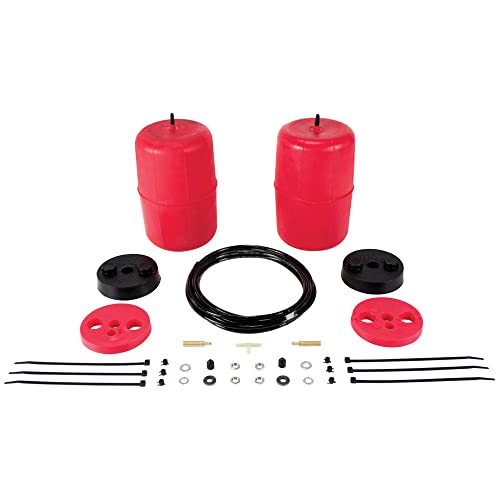
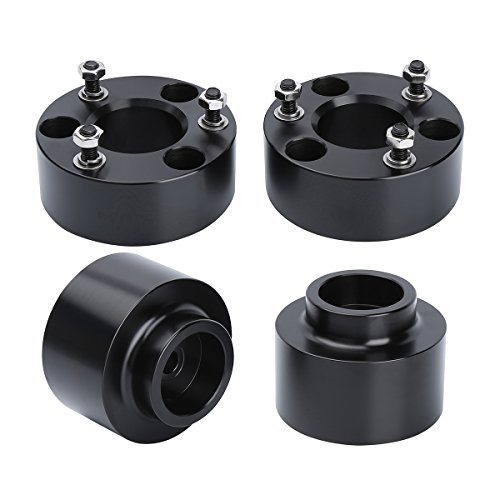
You can temporarily disable the system using ‘Tire Jack Mode’ or ‘Transport Mode’ within the Uconnect settings menu to prevent the system from trying to level itself while being serviced. For a permanent solution, many owners choose a ‘coil conversion kit,’ which replaces the air components with traditional struts and springs, though this requires an electronic bypass to clear dashboard warning lights.
![Best Dodge Ram 1500 Truck Bed Liners [2026]](https://truckguider.com/wp-content/uploads/2026/03/truck-bed-liner-dodge-ram-1500-featured.webp)
![Fix P0138 Code Dodge Ram 1500: Causes & Fixes [2026]](https://truckguider.com/wp-content/uploads/2026/03/p0138-dodge-ram-1500-featured.webp)
![4th Gen Ram 1500 Wide Body Kits [2026]](https://truckguider.com/wp-content/uploads/2026/03/4th-gen-ram-1500-wide-body-kit-featured.webp)