
2011 Ram 1500 5.7 Hemi: Specs, Reliability & Towing Guide [2026]

The 2011 Ram 1500 with the 5.7L Hemi V8 is a performance leader for its era, delivering a robust 390 horsepower and 407 lb-ft of torque. While it offers impressive towing capabilities, owners must be vigilant regarding known issues such as exhaust manifold bolt failure and lifter wear to ensure long-term reliability.
🎯 Key Takeaways
- Takeaway 1:The 5.7L Hemi delivers 390 HP and 407 lb-ft of torque.
- Takeaway 2:Maximum towing capacity reaches 10,450 lbs when properly equipped.
- Takeaway 3:Watch for ‘Hemi tick’ caused by manifold bolts or lifter issues.
- Takeaway 4:Spark plug maintenance is required every 30,000 miles for this year.
- Takeaway 5:Fuel economy typically averages 13-14 MPG city and 18-20 MPG highway.
The 2011 Ram 1500 equipped with the 5.7L Hemi V8 is defined by two critical numbers: 390 horsepower and 407 lb-ft of torque. At the time of its release, this powertrain pushed the Ram to the front of the pack, offering more standard “grunt” than many of its competitors’ flagship engines. This specific model year sits in a sweet spot of the fourth-generation Ram production run, benefiting from the 2009 suspension redesign while utilizing the “Eagle” version of the Hemi engine, which introduced Variable Valve Timing (VVT) for a broader power band.


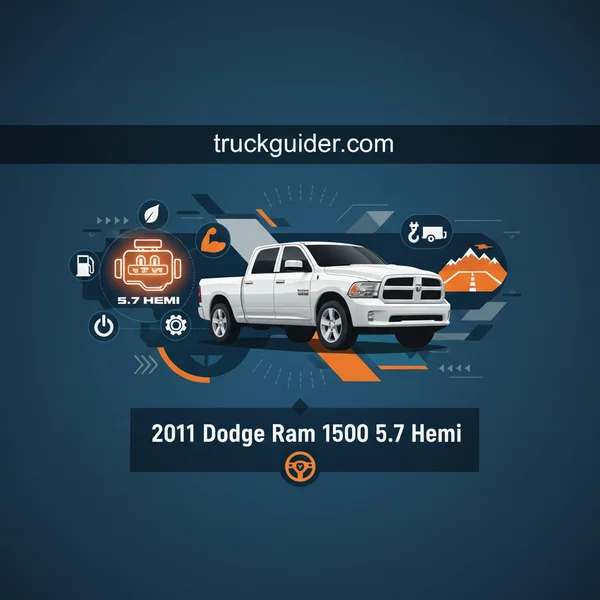
Understanding these specifications is vital if you are shopping for a used truck today. While the 2011 Ram is a powerhouse on paper, its real-world utility depends heavily on how it was optioned from the factory, particularly regarding gear ratios and cooling packages. Balancing this performance against the well-documented “Hemi Tick” and manifold issues is the key to determining if this truck fits your needs or if it will become a permanent fixture in your mechanic’s garage. This guide breaks down exactly what that 5.7L Hemi can do and what you must inspect before signing a title.
5.7L Hemi V8 Performance: Horsepower, Torque, and Towing
The 5.7L Hemi V8 in the 2011 Ram 1500 is not just about raw displacement; it is about how that power is delivered. The “Eagle” Hemi architecture used in this year features a dual-thread spark plug system and a sophisticated Multi-Displacement System (MDS). The MDS allows the engine to deactivate four cylinders during light-load cruising to improve fuel economy, though the primary draw remains its 390-horsepower output. This power is managed by the 545RFE five-speed automatic transmission, which Chrysler often marketed as a six-speed in later software updates due to its unique kick-down gear ratios.

Engine Output and Drivetrain Dynamics
When you step on the gas, the 5.7L Hemi delivers 407 lb-ft of torque, peaking at around 4,000 RPM. This makes the truck feel exceptionally punchy in mid-range acceleration, such as merging onto a highway or overtaking a slower vehicle. The VVT system plays a huge role here, adjusting the camshaft timing to ensure you have torque available even at lower revs. However, it is important to note that the 2011 model still utilizes the older five-speed transmission architecture, which can feel a bit sluggish compared to the eight-speed units found in 2013 and newer models.
- Engine Type: 5.7L V8 16V MPFI OHV “Hemi”
- Horsepower: 390 hp @ 5,600 rpm
- Torque: 407 lb-ft @ 4,000 rpm
- Transmission: 5-Speed Automatic (545RFE)
- Fuel System: Sequential Multi-Point Fuel Injection with MDS
Towing Capacity and Payload Limits
The towing capability of the 2011 Ram 1500 5.7L Hemi is highly dependent on your rear axle ratio. If your truck is equipped with the 3.21 “fuel economy” gears, your towing capacity is significantly limited. To get the maximum performance, you want the 3.92 rear axle ratio. When properly equipped with a Class IV hitch and the 3.92 gears, a regular cab 2WD model can tow up to 10,250 pounds. Most Crew Cab 4×4 configurations—the most common on the used market—settle into a comfortable towing range of 8,500 to 9,100 pounds.
- Maximum Towing Capacity: 10,250 lbs (with 3.92 axle ratio)
- Standard Towing Capacity: Approx. 8,000 – 9,000 lbs for Crew Cab models
- Maximum Payload: 1,500 to 1,850 lbs depending on cab/bed configuration
- Recommended Gear Ratio for Towing: 3.92 (Check the glovebox sticker or VIN for confirmation)
2011 Dodge Ram 1500 5.7 Hemi Made Easy: Your Essential Action Plan
The 2011 Dodge Ram 1500 with the 5.7L Hemi V8 is a legendary workhorse, but its longevity depends heavily on precise maintenance. This guide focuses on the most critical DIY task: a professional-grade oil and filter service. Because the 5.7 Hemi utilizes a Multi-Displacement System (MDS) to shut down four cylinders during cruising, using the exact oil weight and high-quality filters is non-negotiable to prevent the infamous “Hemi Tick” and lifter failure. Following these steps ensures your engine remains lubricated, your sensors stay happy, and your truck stays on the road for hundreds of thousands of miles.
Step 1: Gathering the Correct Supplies and Specifications
What you need: 7 quarts of full synthetic 5W-20 oil, a high-quality oil filter (Mopar MO-899 or equivalent like Wix 57060), a 13mm wrench or socket, an oil filter wrench, a drain pan (at least 8-quart capacity), and clean shop rags.
Instructions: Before you turn a single bolt, verify your materials. The 5.7 Hemi engine specifically requires 5W-20 weight oil. Do not be tempted to use 5W-30 or 10W-30; the MDS solenoids have incredibly tight tolerances and thicker oil will trigger a Check Engine Light and prevent the truck from switching into eco-mode. Ensure your oil filter is the correct thread size, as Chrysler changed filter specifications around this era. Set your supplies out on a clean workbench or a piece of cardboard next to the truck to ensure you aren’t searching for tools while covered in oil.
Pro Tip: Always check the date code on your oil bottles and ensure the foil seals are intact. For the Hemi, using a synthetic oil with a high molybdenum content can help reduce friction in the valvetrain, potentially warding off premature camshaft wear.
Step 2: Engine Warming and Vehicle Positioning
What you need: Level ground, wheel chocks, and your ignition key.
Instructions: Start the truck and let it idle for about 5 to 10 minutes. You want the oil to be warm so it flows out quickly and carries away more contaminants, but you don’t want it at full operating temperature (200°F+) to avoid scalding your hands. Once warm, park the truck on a level surface. A level surface is crucial for an accurate oil level reading later. Engage the parking brake and place chocks behind the rear tires. While the 2011 Ram 1500 has enough ground clearance for most people to slide under without a jack, if you do lift it, you must use jack stands. Never work under a truck supported only by a hydraulic floor jack.
Pro Tip: While the engine is warming up, open the hood and loosen the oil fill cap. This breaks the vacuum and allows the oil to drain much faster and more smoothly once you pull the plug.
Step 3: Draining the Engine Oil
What you need: 13mm wrench, drain pan, and nitrile gloves.
Instructions: Locate the oil pan at the bottom of the engine block. The drain plug is a 13mm bolt located on the rear-facing side of the pan. Position your drain pan slightly behind the plug, as the oil will initially stream out with some force. Use your 13mm wrench to loosen the bolt counter-clockwise. Once it is loose enough to turn by hand, apply inward pressure on the bolt as you unscrew it; this prevents oil from leaking out until the very last thread is released. Quickly pull the bolt away. Let the oil drain until it slows to a very thin, intermittent drip. This usually takes about 10 to 15 minutes.


Pro Tip: Inspect the magnetic tip of the drain plug. A small amount of “grey paste” (microscopic metal wear) is normal, but if you see actual metal flakes or “glitter,” it is an early warning sign of bearing or camshaft issues that need professional diagnosis.
Step 4: Removing the Messy Oil Filter
What you need: Oil filter wrench, a large plastic Ziploc bag, and shop towels.
Instructions: The oil filter on the 2011 Ram 5.7 Hemi is notoriously placed right above the front crossmember and steering rack, making it very messy. To minimize the mess, slide a large plastic bag over the filter once you have loosened it slightly with your filter wrench. Reach up and unscrew the filter by hand inside the bag. As the filter detaches, let it drop into the bag along with the escaping oil. This catches the “waterfall” of oil that usually coats the steering rack. Carefully pull the bag down and set it aside. Use your shop towels to wipe down any oil that spilled onto the frame or suspension components, as old oil can degrade rubber bushings over time.
Pro Tip: Before installing the new filter, check the mounting surface on the engine. Sometimes the old rubber gasket sticks to the engine (called “double-gasketing”). If you install the new filter over the old gasket, it will spray oil everywhere the moment you start the engine.
Step 5: Prepping and Installing the New Filter
What you need: New oil filter and a small amount of fresh 5W-20 oil.
Instructions: Take your new Mopar or equivalent filter and dip your finger into a bottle of fresh oil. Run your finger around the rubber gasket on the top of the new filter to provide a light coating of lubrication. This ensures a proper seal and makes it easier to remove during your next oil change. Many Hemi owners prefer to “pre-fill” the filter by pouring a small amount of fresh oil into the center of the filter before installation; this reduces the time the engine runs “dry” upon start-up. Spin the filter onto the engine threading by hand. Once the gasket makes contact with the base, turn it another 3/4 to 1 full turn. Do not over-tighten with a wrench, as this can crush the gasket or strip threads.
Pro Tip: Hand-tight is the golden rule for oil filters. If you use a wrench to tighten it, you run a high risk of making the filter nearly impossible to remove six months from now without tearing the metal canister.
Step 6: Reinstalling the Drain Plug and Filling Oil
What you need: 13mm wrench, 7 quarts of 5W-20 oil, and a funnel.
Instructions: Clean the drain plug with a rag and inspect the integrated rubber washer. If it is cracked, replace the plug. Thread the plug back into the oil pan by hand to avoid cross-threading. Once snug, tighten it with your 13mm wrench. The torque spec is approximately 25 ft-lbs—snug, but do not lean on it with all your weight. Place your funnel into the oil fill neck on the passenger side of the engine bay. Pour in 7 quarts of fresh 5W-20 oil. The 5.7L Hemi takes exactly 7 quarts with a filter change. Remove the funnel and replace the oil cap securely.
Pro Tip: Use a dedicated “long-neck” funnel for the Ram. The oil fill location is set back slightly, and a standard short funnel can easily tip over, spilling oil onto the hot exhaust manifold, which creates smoke and a burning smell later.
Step 7: Final Level Check and System Reset
What you need: The ignition key and a clean rag.
Instructions: Start the engine and let it idle for two minutes while watching the oil pressure gauge on the dash. It should rise to the middle range almost immediately. Look under the truck to ensure there are no leaks from the drain plug or filter. Shut the engine off and wait five minutes for the oil to drain back into the pan. Pull the dipstick (located on the driver’s side), wipe it clean, reinsert it fully, and pull it out again. The oil level should be right at the “MAX” or “SAFE” line. Finally, turn the ignition to the “ON” position (do not start). Fully depress the gas pedal three times within 10 seconds. Turn the ignition off. This resets the “Oil Change Required” light on your dashboard.


Pro Tip: Keep a small notebook in your glovebox to record the date, mileage, and brand of oil used. This documentation is invaluable if you ever decide to sell the truck or need to prove maintenance for a third-party warranty.
✅ Final Checklist
- Drain plug is tightened to 25 ft-lbs and shows no signs of seeping oil.
- Oil filter is hand-tight and the old gasket was confirmed removed from the engine block.
- Exactly 7 quarts of 5W-20 synthetic oil were added to the system.
- The “Oil Change Required” message has been successfully reset on the EVIC display.
- The oil level on the dipstick is confirmed within the safe cross-hatch zone.
Important Notes:
- Safety Warning: Used motor oil is a known carcinogen. Wear nitrile gloves and wash your hands thoroughly after the job. Dispose of used oil and filters at a certified recycling center.
- When to Seek Help: If you notice heavy metal shavings in the oil or if the “Hemi Tick” becomes a loud “Hemi Knock,” consult a professional mechanic immediately.
- Estimated Time: 45 to 60 minutes.
- Estimated Cost: $50–$80 (Synthetic oil and high-quality filter).
Critical Reliability Concerns: The Hemi Tick and Manifold Issues
While the performance specs are impressive, the 2011 Hemi is famous for a specific sound often referred to as the “Hemi Tick.” For a buyer, identifying the source of this sound is the difference between a $200 exhaust repair and a $4,000 engine rebuild. There are two primary culprits for ticking noises in this model year: broken exhaust manifold bolts and failing lifter rollers. You need to know how to distinguish between the two before you commit to a purchase.
Identifying the “Hemi Tick” vs. Manifold Leaks
The most common issue is the exhaust manifold bolts. The heat cycles of the 5.7L engine cause the cast-iron manifold to expand and contract at a different rate than the steel bolts. Over time, the rear-most bolts on the manifold snap off. This creates a gap that allows exhaust gases to escape, producing a loud “tick” or “clack” when the engine is cold. As the metal heats up and expands, the gap often closes, and the sound disappears. This is a relatively easy fix involving bolt extraction and manifold resurfacing.
The Threat of Lifter and Camshaft Failure
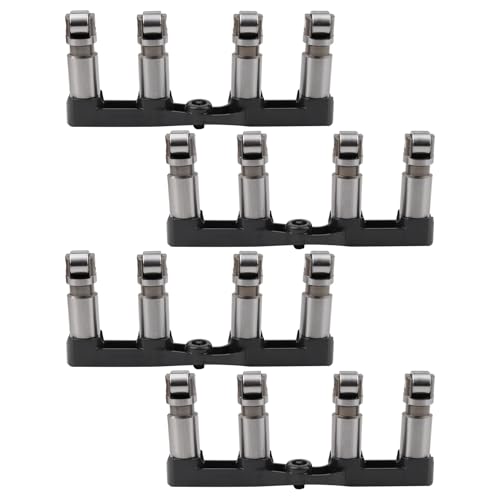
The more “sinister” Hemi tick is caused by the needle bearings in the lifter rollers seizing up. When the roller stops spinning, it begins to grind away at the camshaft lobe. Unlike the manifold leak, this sound typically does not go away when the engine warms up and is often accompanied by a rhythmic misfire. This issue is frequently attributed to long idle times and the design of the MDS system, which can limit oil flow to the top of the engine during low-RPM operation. If you hear a deep, mechanical tapping that persists after the truck is hot, you are likely looking at a failed camshaft.
- Manifold Symptoms: Tapping sound that fades after 2-5 minutes of driving; visible soot around the rear engine cylinders.
- Lifter Symptoms: Permanent tapping sound; “Check Engine” light with P0300 (Random Misfire) codes; metal shavings in the oil.
- Prevention Tip: Use high-quality full synthetic oil and a high-flow oil filter (like Royal Purple or SRT filters) to maximize lubrication to the lifters.
- Transmission Note: The 545RFE transmission is generally stout but sensitive to heat; ensure the fluid is bright red and doesn’t smell burnt, as towing heavy without a trans cooler will kill these units early.
Real-World Ownership: Fuel Economy and Maintenance Costs
Owning a 2011 Ram 1500 with the 5.7L Hemi is a balance of raw power and realistic expectations. While the engine provides incredible performance, it does come with specific “feeding and care” requirements that every owner should budget for before signing the title.
The Reality of Hemi Fuel Economy
Despite the inclusion of the Multi-Displacement System (MDS), which shuts down four cylinders during light cruising, the Hemi remains a thirsty engine. Real-world drivers typically report a combined average of 14 to 16 MPG. If you have a heavy foot or spend most of your time in stop-and-go traffic, don’t be surprised to see single digits. On the highway, you can nudge closer to 19 or 20 MPG if you stay consistent with your speed and avoid heavy loads.
Budgeting for Long-Term Maintenance
Maintenance on this truck is generally straightforward, but there are a few “Hemi-specific” quirks to keep in mind:
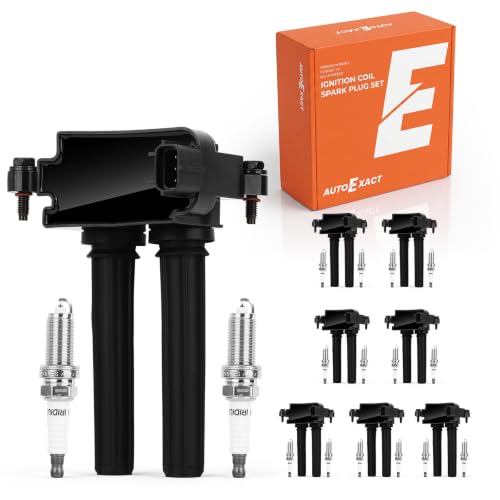
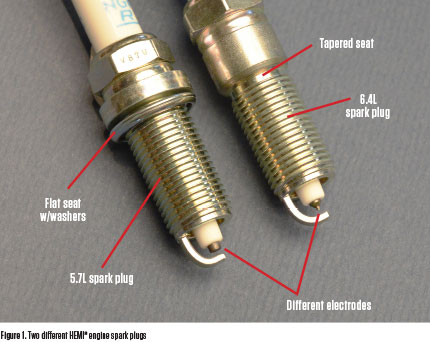
- Spark Plug Intervals: The 2011 Hemi uses 16 spark plugs. They require replacement every 30,000 to 50,000 miles to maintain efficiency and prevent misfires.
- Oil Quality: This engine is sensitive to oil weight. Always use 5W-20 to ensure the MDS system functions correctly.
- Fluid Flushes: Owners suggest flushing the transmission and differential fluids every 60,000 miles, especially if you use the truck for towing or off-roading.
Buying Used: What to Inspect Before Purchasing a 2011 Ram 1500
The 2011 model year is generally reliable, but after more than a decade on the road, specific wear patterns have emerged. Knowing exactly what to look for can save you thousands of dollars in “hidden” repairs shortly after your purchase.
Listen for the “Hemi Tick”
One of the most common issues involves the exhaust manifold bolts. During your cold start, listen for a rhythmic clicking or ticking sound coming from the wheel wells. If the sound disappears after the engine warms up, it is likely a broken manifold bolt. While not catastrophic, it is a common repair that can be labor-intensive. A permanent “tick” that doesn’t go away could signal more serious lifter or camshaft wear, which is a much larger red flag.
Body and Suspension Checkpoints
Because these trucks are often used as workhorses, the chassis takes the brunt of the abuse. Pay close attention to these areas:
- Rear Wheel Wells and Rockers: Check for bubbling paint or “road salt” rot, which is common in northern climates.
- Dash Condition: The 2011 interior is prone to cracking on the upper dashboard. While cosmetic, it can be an eyesore and expensive to replace.
- Rear Coil Springs: Inspect the rear suspension for sagging. The 2011 used a coil-link setup which offers a great ride, but heavy towing over the years can wear out the springs and shocks prematurely.
Is the 2011 Ram 1500 Right for You?
The 2011 Ram 1500 5.7 Hemi remains a top contender for anyone seeking a powerful, comfortable, and capable used truck. Its coil-spring suspension offers a ride quality that many modern trucks still struggle to match, and the Hemi engine provides plenty of “grunt” for towing trailers or merging onto highways. While you should be mindful of the fuel costs and the potential for manifold bolt issues, the overall value proposition is hard to beat in the secondary market.
If you are ready to buy, your next steps should be to run a full VIN history report and schedule a pre-purchase inspection with a trusted mechanic. Getting a professional look at the manifold bolts and suspension can give you the confidence you need to make a great deal. Do you have experience with the 2011 Hemi? Drop a comment below and share your thoughts!


❓ Frequently Asked Questions
Is the 2011 Ram 1500 5.7 Hemi a reliable truck?
The 2011 model is generally considered a strong performer, but it has specific vulnerabilities. While the engine and 5-speed automatic transmission are durable, owners frequently deal with exhaust manifold issues and potential valvetrain wear if maintenance is neglected.
What are the most common mechanical problems with the 2011 5.7 Hemi?
The most frequent issues include snapped exhaust manifold bolts, which cause a loud ticking on cold starts, and ‘Hemi tick’ related to lifter failure. Additionally, some owners report TIPM (Totally Integrated Power Module) electrical glitches.
What fuel economy can I expect from the 5.7L Hemi?
Expect roughly 13 to 14 MPG in city driving and 18 to 20 MPG on the highway. Real-world averages often hover around 15-16 MPG combined, and towing heavy loads will drop efficiency into the single digits.
Does the 2011 Ram 1500 5.7 Hemi have Cylinder Deactivation (MDS)?
Yes, the 2011 5.7L Hemi features the Multi-Displacement System (MDS), which shuts down four cylinders under light loads to improve fuel economy. This system requires the use of specific 5W-20 oil to function correctly.
What should I look for when buying a used 2011 Ram 1500?
Check for service records showing spark plug changes every 30k miles and listen closely for engine ticking on a cold start. Inspect the rear wheel arches for rust and ensure the transmission shifts smoothly without hesitation under load.
Which transmission is in the 2011 Dodge Ram 1500 5.7 Hemi?
It is equipped with the 545RFE 5-speed automatic transmission. While reliable, it lacks the refinement and efficiency of the 8-speed transmissions introduced in later model years.
![4th Gen Ram 1500 Wide Body Kits [2026]](https://truckguider.com/wp-content/uploads/2026/03/4th-gen-ram-1500-wide-body-kit-featured.webp)
![2007 Ram 1500 5.7 Hemi: Specs, Reliability & Common Issues [2026]](https://truckguider.com/wp-content/uploads/2026/03/2007-ram-1500-5-7-hemi-featured.webp)
![Dodge Ram Rear Window Replacement Cost [2026]](https://truckguider.com/wp-content/uploads/2026/03/featured-173365c3-768x768.webp)
![How Wide is a Ram 1500? Exact Dimensions & Mirror Specs [2026]](https://truckguider.com/wp-content/uploads/2026/03/how-wide-is-a-ram-1500-featured.webp)
![2014 Ram 3500 Transmission Guide: Full Specs & Data [2026]](https://truckguider.com/wp-content/uploads/2026/03/2014-ram-3500-transmission-featured.webp)