Dodge Ram Air Conditioning Diagram: Complete Guide 2026

Maintaining a functional climate control system in a Dodge Ram is essential for both comfort and safety, especially during peak summer temperatures or long hauls. When the air conditioning fails, many truck owners struggle to identify which component has malfunctioned due to the complexity of the modern HVAC system.
By utilizing a detailed Dodge Ram air conditioning diagram, this comprehensive guide will empower you to identify every part, understand the refrigerant cycle, and perform expert troubleshooting to restore your vehicle’s cooling performance.


Identifying Major Components in the Dodge Ram Air Conditioning Diagram
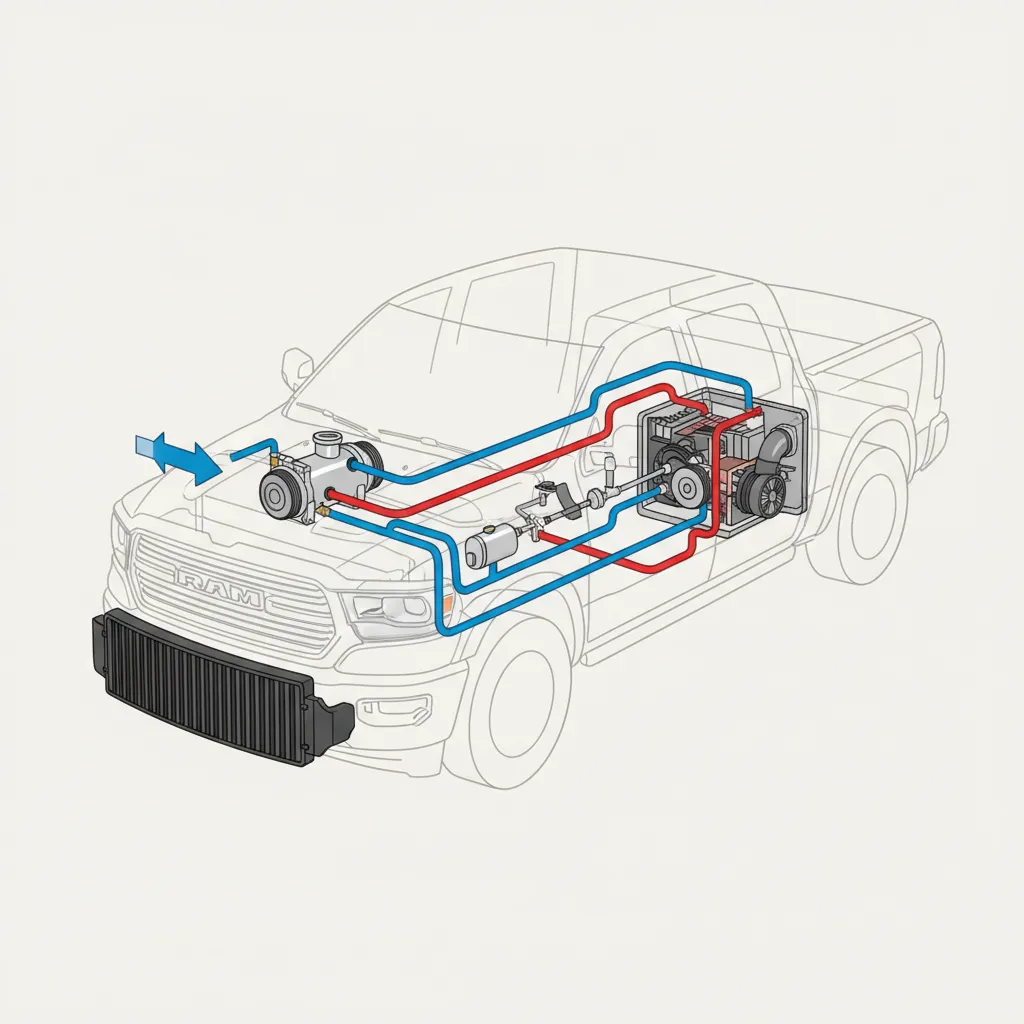
The Dodge Ram AC system is a complex network of quality mechanical and electrical components designed to manage heat transfer. Understanding the physical layout via a diagram starts with the AC Compressor.
Often referred to as the heart of the system, the compressor is driven by the serpentine belt and is responsible for pressurizing the refrigerant. This pressurization is the catalyst for the entire cooling cycle; without it, the refrigerant cannot transition through the necessary phases to absorb heat.
Heat Exchange: Condenser and Evaporator Roles
Located at the front of the truck, usually in front of the radiator, is the Condenser. Its job is to dissipate the heat collected from the cabin. As high-pressure gas enters the condenser, the airflow from the cooling fans (or the vehicle’s movement) cools it, turning it into a high-pressure liquid.
Conversely, the Evaporator is tucked away behind the dashboard inside the HVAC housing unit. It acts as the “cooling” point, where the refrigerant absorbs heat from the cabin air blown across its fins.
Regulation and Filtration
Depending on your specific Ram model year, the system will use either an Expansion Valve or an Orifice Tube. These components are critical for regulating the high-pressure liquid refrigerant as it enters the low-pressure side of the system.
To ensure the system remains reliable, Dodge incorporates a Receiver Drier (in expansion valve systems) or an Accumulator (in orifice tube systems). These components act as filters to remove debris and desiccants to pull moisture from the refrigerant, preventing internal corrosion.
On a 2014 Dodge Ram 1500, the compressor must maintain high-side pressures often exceeding 200 PSI to function effectively during peak summer heat. Always check your belt tensioner to ensure the compressor isn’t slipping under high load.
The Refrigerant Cycle: Understanding Flow and Heat Exchange
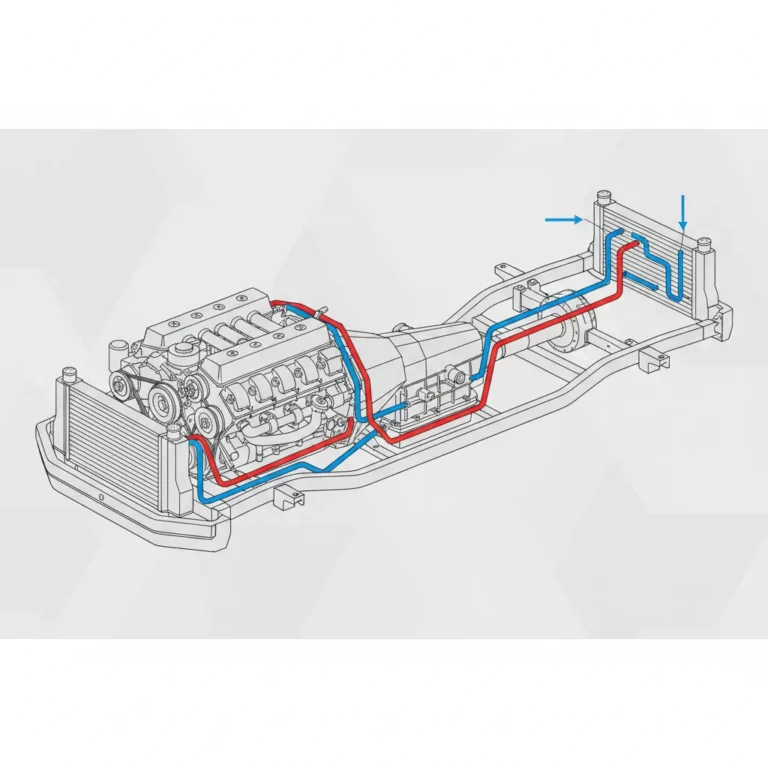
Visualizing the refrigerant flow on a complete diagram reveals two distinct halves: the High-Pressure Side and the Low-Pressure Side. The process begins at the compressor, where refrigerant is squeezed into a hot, high-pressure gas. This gas travels through the discharge line (the thinner of the two main hoses) to the condenser.


The High-Pressure Path
Within the condenser, the gas transitions into a liquid. This high-pressure liquid then moves through the liquid line toward the expansion device. This is where the thermodynamics get interesting.
The expansion valve or orifice tube creates a restriction, forcing the liquid through a small opening, which causes a sudden drop in pressure. This “flash evaporation” significantly lowers the temperature of the refrigerant just before it enters the evaporator.
The Low-Pressure Return
As the cold refrigerant flows through the evaporator, the blower motor pushes warm cabin air over the evaporator fins. The refrigerant absorbs the heat, boils, and turns back into a low-pressure gas.
This gas then travels through the suction line (the thicker, insulated hose) back to the compressor to restart the cycle. A professional grade AC system performs this cycle multiple times per minute to maintain a cabin temperature differential of 20-30 degrees compared to the outside air.
Efficient Cooling
Proper refrigerant flow ensures consistent 40°F vent temperatures even in desert climates.
System Longevity
Balanced pressures prevent premature wear on the compressor clutch and internal valves.
Troubleshooting Common Failures Using a Reliable AC Diagram
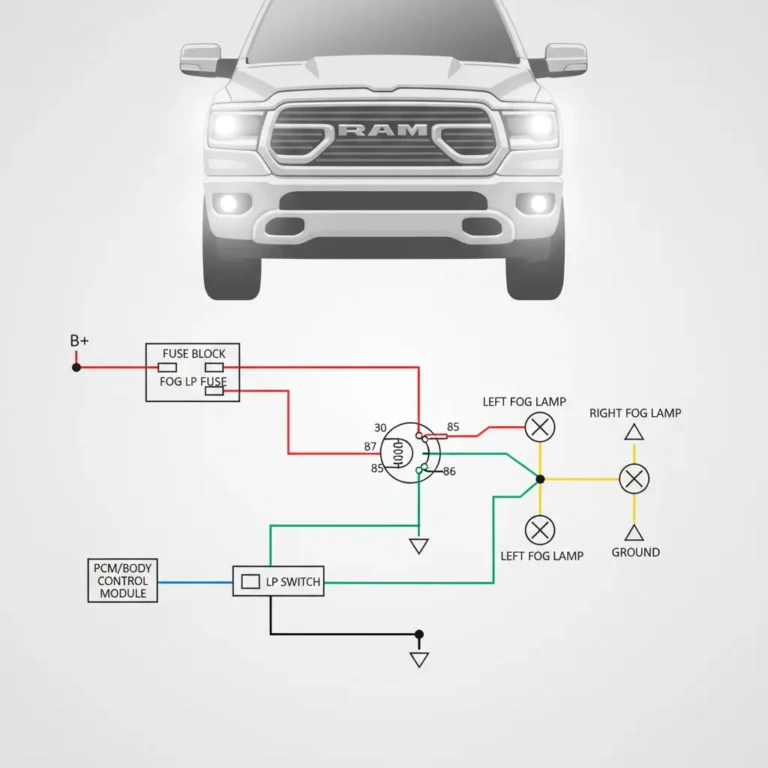
When your Ram’s AC stops blowing cold, the diagram becomes your primary diagnostic tool. Expert technicians use the diagram to trace electrical and mechanical paths. For instance, if the compressor isn’t engaging,
you should use the electrical schematic to locate the AC clutch relay and the high/low-pressure cutout switches. These switches are safety devices; if the system is too low on refrigerant (or too high), they will prevent the compressor from turning on to prevent catastrophic failure.
By The Numbers
Vehicles failing annually
Average repair cost
Leak Detection Strategies
Research indicates that approximately 10-15% of vehicles experience AC problems annually, often caused by slow-leaking O-rings. Using your diagram, inspect these common failure points:
- Compressor Shaft Seal: Look for oily residue behind the clutch pulley.
- Condenser Stones Hits: Small punctures in the condenser fins often leave a “wet” spot of refrigerant oil.
- Evaporator Core Seams: If you smell a sweet, chemical odor in the cabin, the evaporator might be leaking.
Interpreting Gauge Readings
A manifold gauge set is essential for a complete diagnosis. If your high-side pressure is unusually high and the low-side is too low, you likely have a blockage in the expansion valve or orifice tube. Conversely, if both pressures are nearly equal while the compressor is running, the internal valves of the compressor have likely failed.
Finding Year-Specific Dodge Ram AC Diagrams and Schematics
A comprehensive understanding of your truck requires a year-specific diagram. Dodge Ram architecture has shifted significantly across its generations. For instance, the 3rd Gen (2002-2008) Rams often utilized a different accumulator placement compared to the integrated receiver-drier designs seen on 5th Gen (2019-Present) models. Always refer to the official guide for your specific VIN.
To access expert level resources, many owners turn to professional databases like Alldata or Mitchell 1. However, for quick references, expert tips from enthusiast communities can provide exploded views of the HVAC assembly.
Using your Vehicle Identification Number (VIN) is the only trusted way to ensure you are buying the correct replacement parts, as mid-year production changes are common in the automotive industry. For the most accurate Ram specs, consulting the manufacturer’s technical service bulletins is highly recommended.


Safety Protocols and Professional Maintenance Tips
Working on a Dodge Ram AC system requires more than just mechanical skill; it requires environmental responsibility. Before attempting any repairs, it’s crucial to recover the refrigerant properly using a certified recovery machine. This avoids environmental damage and ensures compliance with EPA Section 609 regulations.
Liquid refrigerant can cause instant frostbite upon skin contact due to its extremely low boiling point. Furthermore, newer Rams using R1234yf refrigerant require specific handling as this gas is mildly flammable.
📋
Professional Maintenance Steps
Check the cabin air filter every 15,000 miles. A clogged filter restricts airflow over the evaporator, leading to ice buildup and poor cooling.
Use low-pressure water to wash out bugs and debris from the condenser fins. This maximizes heat dissipation and reduces compressor head pressure.
If the system is opened, always use a vacuum pump to remove air and moisture before recharging with the exact weight of refrigerant specified on the under-hood decal.
By adhering to these professional protocols and utilizing a reliable AC diagram, you ensure that your Dodge Ram remains a sanctuary of cool air. Whether you are dealing with a simple recharge or a complex evaporator replacement, the right tools—including manifold gauges, electronic leak detectors, and a vacuum pump—are non-negotiable for a quality outcome.
In summary, understanding the primary components like the compressor and condenser is the first step in any AC repair. Using a model-specific diagram allows for precise troubleshooting of leaks and electrical faults, saving you time and money.
Regular maintenance and adhering to safety protocols ensures your Dodge Ram AC system remains reliable for years to come. Before attempting a repair, consult your specific service manual and ensure you have the professional tools required for refrigerant handling.
Related Dodge Ram AC & Climate Guides
- Dodge Ram 1500 AC Refrigerant Capacity by Year
- Ram 1500 AC Recharge Port Location
- Dodge Ram Climate Control Reset Guide
- Dodge Ram Fan Clutch Symptoms (Affects Condenser Cooling)
- Blend Door Actuator Location Diagram
Frequently Asked Questions
Where can I find an AC diagram for my specific Dodge Ram model and year?
The most reliable source for a specific Dodge Ram AC diagram is the official Mopar service manual or professional-grade databases like Alldata. You can also find exploded views on ‘trusted’ OEM parts websites by entering your VIN. These diagrams provide precise locations for every hose, seal, and sensor in your specific configuration.
What are the common problems with Dodge Ram AC systems?
Common issues include compressor clutch failure, refrigerant leaks at the condenser due to road debris, and evaporator core leaks. In many 4th Gen Rams, owners often report issues with blend door actuators which, while not part of the refrigerant loop, prevent cold air from reaching the cabin vents despite a functioning AC system.
How do I troubleshoot a Dodge Ram AC system that is not blowing cold air?
Start by checking the AC clutch engagement when the system is turned on. If the clutch doesn’t spin, check for a blown fuse or a ‘professional’ pressure switch lockout caused by low refrigerant. Use a manifold gauge set to check high and low side pressures; if both are low, a leak is the likely culprit.
Where are the AC components located in my Dodge Ram?
The compressor is typically mounted to the front of the engine block. The condenser is located in front of the radiator for maximum airflow. The evaporator is housed within the HVAC unit inside the dashboard. Most Dodge Rams place the service ports (High and Low) on the aluminum lines near the firewall or passenger side fender.
How do I recharge the AC system in my Dodge Ram?
To recharge the system correctly, you must first identify the refrigerant type (R134a or R1234yf) from the under-hood sticker. While DIY kits exist, ‘expert’ technicians recommend using a vacuum pump to remove moisture before adding the precise weight of refrigerant specified by the manufacturer. Overcharging can lead to catastrophic compressor failure.
![2014 Dodge Ram Rear Bumper: Fitment Guide & Best Prices [2026]](https://truckguider.com/wp-content/uploads/2026/03/2014-dodge-ram-rear-bumper-featured.webp)

![2023 Ram 1500 Classic Tradesman: Full Specs & Data [2026]](https://truckguider.com/wp-content/uploads/2026/03/2023-ram-1500-classic-tradesman-featured.webp)