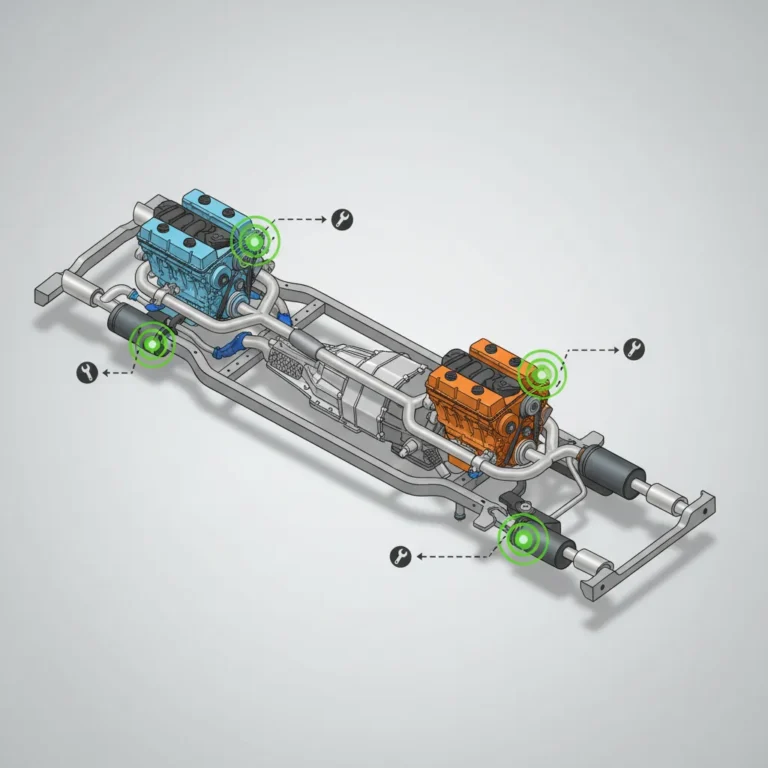
Dodge Ram 1500 Camshaft Position Sensor Location And Diagnostic Guide

For a Dodge Ram 1500 to maintain its legendary towing capacity and smooth idle, the engine’s internal timing must be executed with microsecond precision. The orchestration of fuel injection and spark timing relies heavily on the data provided by the Camshaft Position Sensor (CMP). When this sensor fails, your truck may suffer from stalling, poor fuel economy, or a refusal to start, leaving you searching for its elusive location amidst a complex engine bay. This guide provides the exact location of the camshaft position sensor for various Dodge Ram 1500 engines, outlines the critical symptoms of failure, and provides a professional step-by-step replacement procedure to get your vehicle back on the road.


Understanding the Role of the Dodge Ram 1500 Camshaft Position Sensor
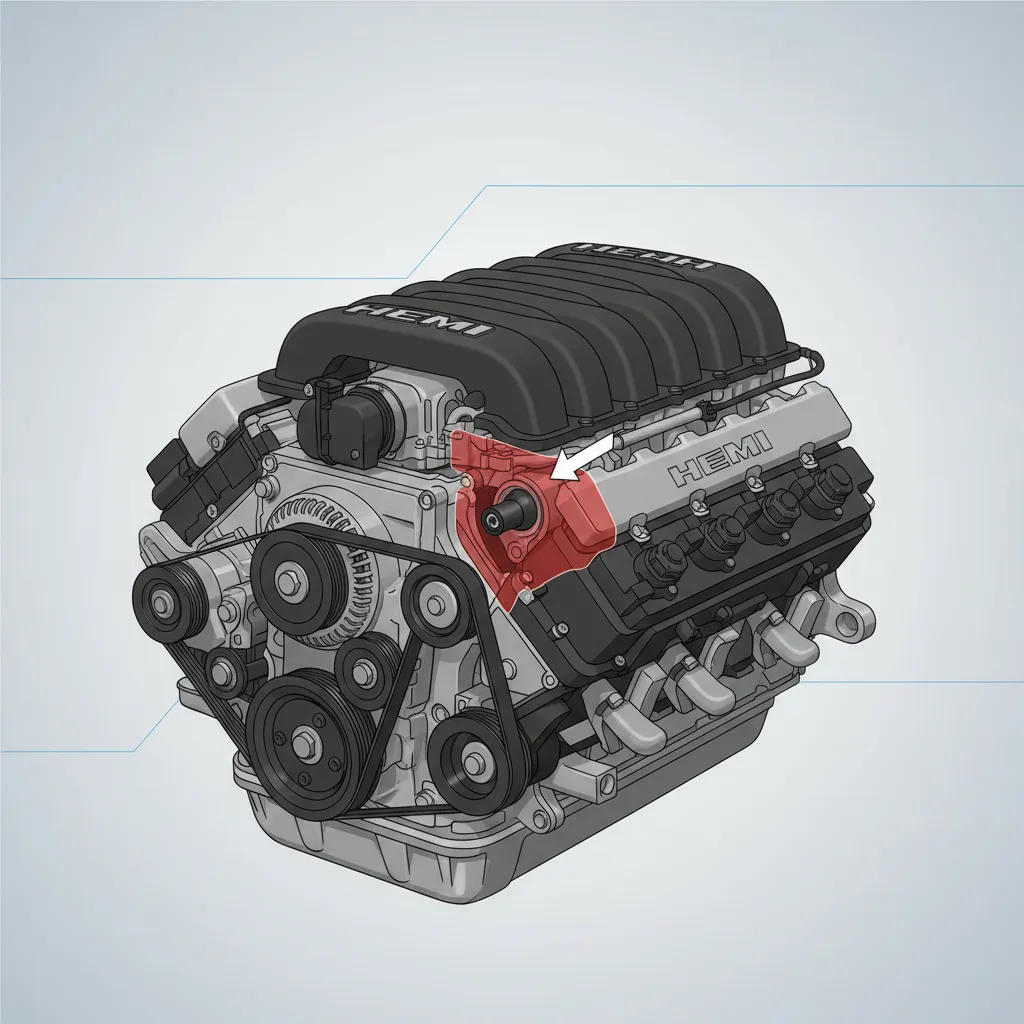
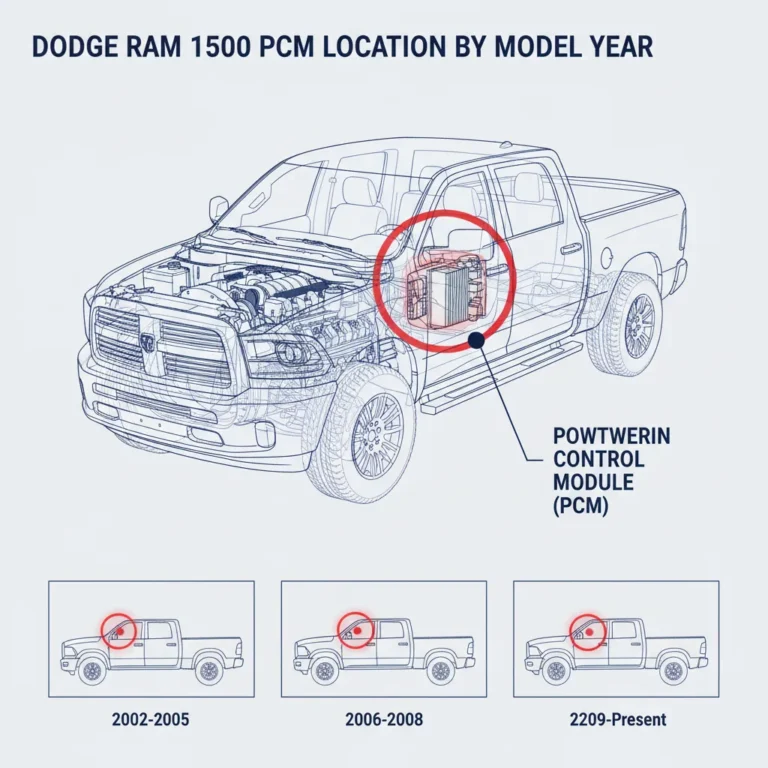
The Camshaft Position Sensor (CMP) is a sophisticated Hall-effect or magnetic induction device that monitors the rotation and precise position of the camshaft relative to the crankshaft. This sensor is the “eyes” of the engine management system, sending high-speed pulses to the Powertrain Control Module (PCM). This data is transmitted directly to the PCM to synchronize fuel injection timing and spark plug ignition sequences with incredible accuracy. Without this signal, the PCM cannot determine which cylinder is on its compression stroke, leading to a breakdown in engine harmony.
In modern Variable Valve Timing (VVT) systems used in many Ram engines, the sensor is even more vital. It assists the PCM in managing valve lift and duration for optimal efficiency and power delivery. Industry veterans understand that the PCM processes signals from the CMP sensor in milliseconds to ensure ignition occurs at exactly the right point in the four-stroke cycle. When this “handshake” between the camshaft and crankshaft is disrupted, the vehicle often enters a “Limp Mode” state. In this scenario, the PCM defaults to fixed timing because it cannot verify the position of Cylinder 1, causing the vehicle to feel severely underpowered and sluggish during acceleration.
Always check the wiring harness and connector for signs of heat damage or oil contamination before replacing the sensor. A brittle wire or corroded pin can mimic a total sensor failure, leading to unnecessary part replacement.
Dodge Ram 1500 Camshaft Position Sensor Location by Engine Configuration
Locating the CMP sensor can be a source of frustration for many DIYers because Dodge has utilized several different engine platforms over the years. Finding the sensor depends entirely on your specific displacement and model year.
5.7L Hemi V8 Location
On the 5.7L Hemi, the CMP is usually located on the front of the engine block. Specifically, it is tucked behind the water pump and the timing cover housing, slightly toward the passenger side. While it is accessible, the tight space often requires the removal of the air intake ducting to gain a clear line of sight and enough room for a socket wrench.
3.6L Pentastar V6 Location
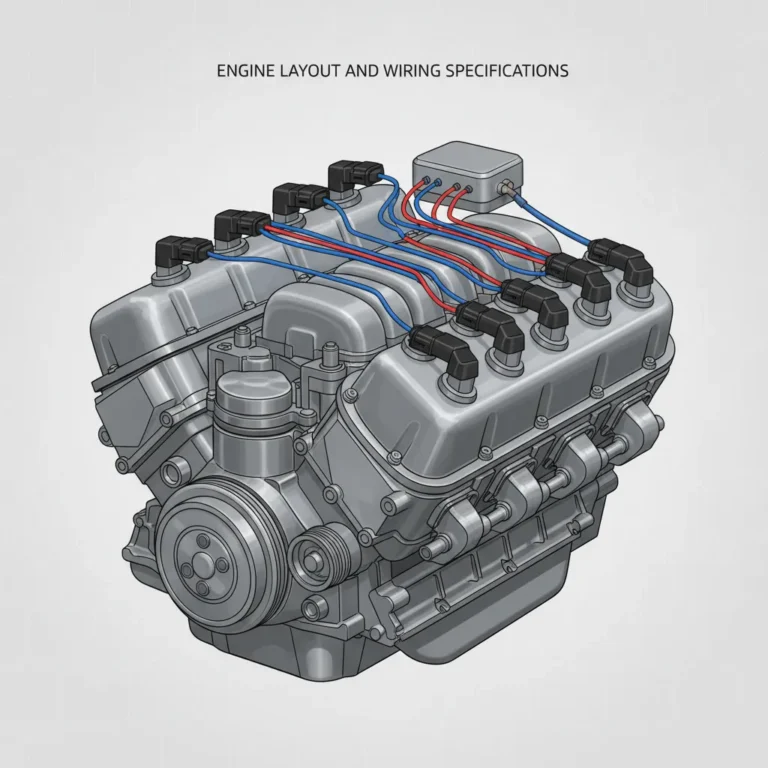
The 3.6L engine is more complex, as it utilizes four sensors—two for each cylinder bank (intake and exhaust). These are located at the rear of the cylinder heads near the firewall. Research indicates that over 60% of sensor access issues on the 3.6L engine are related to the removal of the upper intake plenum (manifold), which is necessary to reach the sensors on the driver-side bank. The proximity of the cowl and firewall makes this a challenging environment for those with larger hands.
4.7L V8 (Older Models) Location
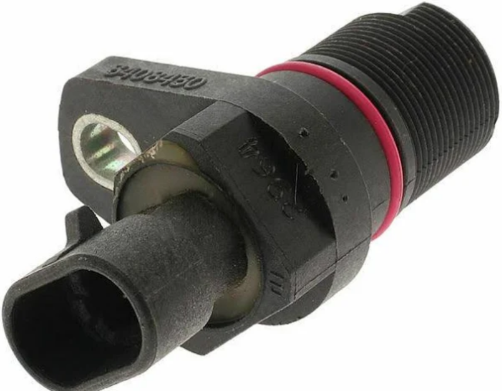
On the older 4.7L V8 engines, the sensor is generally found on the front of the passenger-side cylinder head. It is held in place by a single 10mm bolt. This is perhaps the most accessible location across the entire Ram 1500 lineup, making for a very quick repair. When searching, look for a small plastic component with a 2 or 3-wire electrical connector and a single mounting flange.
Symptoms of a Failing CMP Sensor and Diagnostic Troubleshooting
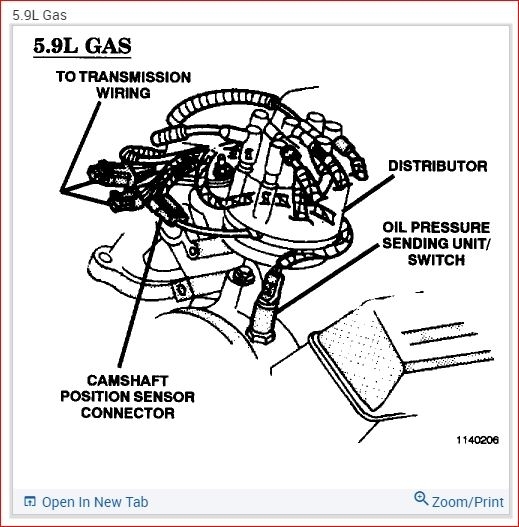
Before diving into the engine bay, it is essential to verify that the CMP sensor is the root cause of your issues. The most obvious indicator is the illumination of the Check Engine Light (CEL). When using an OBD-II scanner, you will typically find specific diagnostic trouble codes (DTCs) such as P0340 (Circuit Malfunction), P0341 (Range/Performance), or P0344 (Intermittent Circuit).


Beyond the digital codes, you may experience tangible performance drops. Many drivers report a “no-start” condition or an engine that cranks for an extended period before firing. This occurs because the PCM is struggling to determine the Top Dead Center (TDC) of the compression stroke without the camshaft’s input. Additionally, you may notice a rough idle or intermittent stalling when the engine reaches operating temperature. In some cases, a driver might experience a “stumble” while accelerating onto a highway, followed by the traction control and check engine lights appearing simultaneously as the PCM loses sync.
By The Numbers
Max Fuel Economy Loss
Avg Pro Repair Cost
Max Labor Time
One of the most significant impacts of a faulty sensor is on your wallet. A faulty camshaft position sensor can cause up to a 10-20% decrease in fuel economy because the PCM cannot optimize injection timing, leading to an overly rich fuel mixture. If your truck is suddenly guzzling gas and shifting awkwardly, the CMP sensor should be your primary suspect.
📋
Step-by-Step Replacement Guide
Always disconnect the negative battery terminal before working on electrical components. This prevents short circuits and clears the temporary memory of the PCM. Ensure the engine is cool to the touch before reaching into tight spaces.
Remove the plastic engine cover and any air intake ducting. On 3.6L models, you may need to unbolt the upper intake manifold to reach the rear sensors. Use a mirror and a telescopic magnet to ensure you don’t drop bolts into the engine crevices.
Carefully depress the red locking tab on the harness connector. These become brittle with age, so use a flathead screwdriver gently. Use a 10mm socket to remove the mounting bolt and pull the sensor straight out of the block or head.


Lubricate the new sensor’s O-ring with clean engine oil. Seat the sensor, tighten the bolt to 8-10 ft-lbs, and reconnect the harness. After finishing, clear the DTCs with a scan tool. Some models may require a crankshaft position variation learn procedure to fully calibrate.
When replacing the CMP sensor, only use an OEM (Original Equipment Manufacturer) part from Mopar or a high-quality, reputable aftermarket brand. Cheap, generic sensors are notorious for having the wrong electrical resistance, which will cause the “Check Engine” light to return almost immediately.
Replacement Costs and Local Professional Service Options
Deciding between a DIY repair and a professional shop often comes down to the engine type and your comfort level with tools. For a DIYer, the cost is relatively low, typically ranging from $30 to $60 for the part itself. However, if you are serving your vehicle for the first time, keep in mind that a professional shop offers the peace of mind of a comprehensive diagnostic scan which can rule out complex wiring issues before parts are swapped.
According to the official guide for repair estimates, the average replacement cost for a camshaft position sensor on a Dodge Ram 1500 is between $100 and $200, including labor. Labor rates for local automotive repair range from $90 to $160 per hour depending on the region. On a 5.7L Hemi, the job usually takes about 0.5 to 1 hour, whereas the 3.6L Pentastar can take up to 1.5 hours due to the manifold removal.
✅ Pros of DIY
- Significant savings on labor costs.
- Immediate repair without waiting for a shop opening.
- Gaining hands-on knowledge of your truck.
❌ Cons of DIY
- Risk of breaking brittle plastic connectors.
- Potential for misdiagnosis (wiring vs. sensor).
- Labor-intensive manifold removal on V6 models.
If you lack the specialized tools or the time, seeking a nearby certified technician is the safest route. High-quality replacement parts are available at most auto parts stores serving your local community, making the repair convenient and accessible. Whether you tackle it yourself or hire a professional, addressing a failing CMP sensor is critical for maintaining your Ram’s reliability.
The CMP sensor is vital for engine timing and fuel efficiency, with its location varying significantly between the 5.7L Hemi and 3.6L Pentastar engines. Common symptoms like P0340 codes, stalling, and a 10-20% drop in fuel economy should never be ignored. While the part is affordable, the labor complexity depends heavily on the specific engine configuration in your Ram. If you are experiencing these symptoms, locate your sensor today or visit a trusted local certified mechanic to restore your truck’s legendary performance and ensure it remains a dependable asset for years to come.
Frequently Asked Questions
Can I drive my Dodge Ram 1500 with a bad camshaft position sensor?
While the truck may still run, it is not recommended. A faulty sensor can cause unpredictable stalling, which is a safety hazard, and the resulting engine misfires or timing issues can eventually damage your catalytic converter. It is best to address the repair as soon as the check engine light appears.


Is the camshaft sensor the same as the crankshaft sensor?
No, they are distinct components. The camshaft sensor monitors the valves’ position to manage fuel and spark timing, while the crankshaft sensor monitors the pistons’ position and engine speed (RPM). The PCM compares both signals to ensure the engine is perfectly ‘in time.’ If they don’t match, you will likely see a correlation code.
Why is my Ram 1500 still stalling after I replaced the sensor?
This often occurs if the electrical connector or wiring harness is damaged, or if the sensor was not seated correctly. Additionally, some Ram models require a ‘cam/crank relearn’ procedure using a high-end scan tool so the PCM can calibrate to the new sensor’s specific signal pattern.
What tools are required for a 5.7L Hemi camshaft sensor replacement?
Replacing the sensor on a 5.7L Hemi is relatively simple. You will typically need a 10mm socket, a ratchet extension, and a small amount of engine oil or dielectric grease. If the water pump is blocking your path, you may need additional wrenches to move or remove obstructing brackets.
Will a bad CMP sensor always throw a code?
In most cases, yes, the PCM will trigger a P0340 series code. However, in the early stages of failure, the sensor may fail intermittently when it reaches a certain temperature without immediately triggering a permanent code, making it difficult to diagnose without a live-data scan tool.
![2018 Ram 3500 Transmission: Complete Specs Guide [2026]](https://truckguider.com/wp-content/uploads/2026/03/2018-ram-3500-transmission-featured.webp)