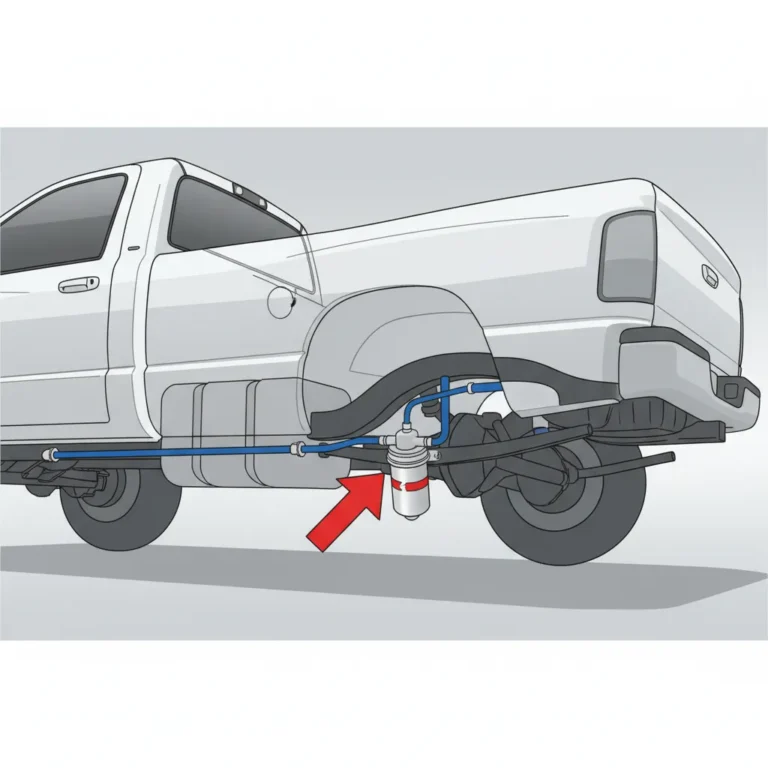
5.9 2001 Dodge Ram 1500 Vacuum Line Diagram And Routing Guide

For owners of the 2001 Dodge Ram 1500 with the legendary 5.9L Magnum V8, a single cracked plastic tube can be the difference between a smooth-running machine and a frustrating diagnostic nightmare. Age and engine heat often turn factory vacuum lines brittle, leading to rough idles, “wild vents” that blow only on the defrost setting, and persistent check engine lights that are difficult to trace without a precise diagram. This comprehensive guide provides a professional-grade breakdown of the 5.9 2001 Dodge Ram 1500 vacuum line diagram, detailing component locations, routing paths, and expert troubleshooting steps to restore your truck’s reliable performance and long-term durability.


The 5.9L Magnum Vacuum System: Critical Components and Functions
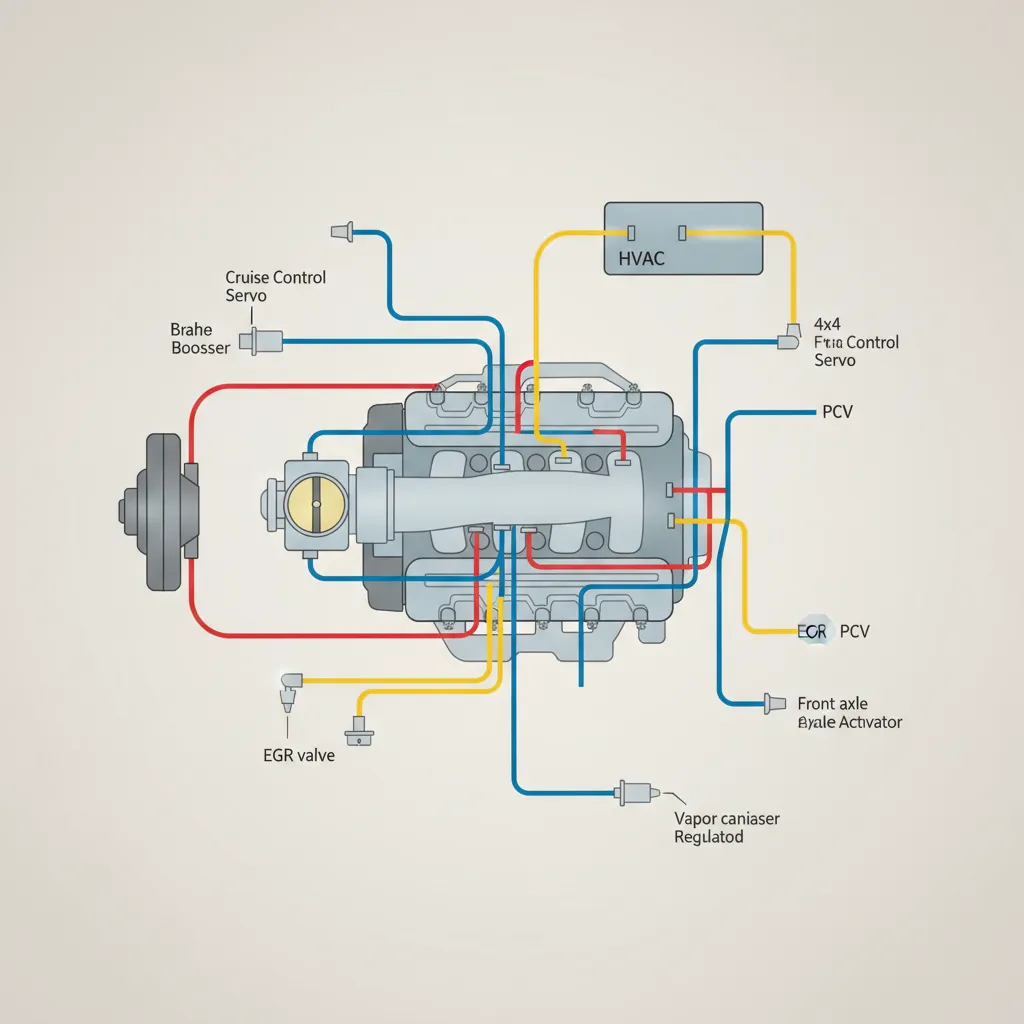
The 2001 Dodge Ram 1500 equipped with the 5.9L Magnum V8 (also known as the 360 cubic inch V8) utilizes a complex network of vacuum lines to manage various engine and emissions components. Unlike modern vehicles that use electronic actuators for almost every function, the 2001 Ram relies on physical pressure differentials to move doors, purge canisters, and recirculate exhaust gases. The primary vacuum source is the intake manifold, with specific ports located behind the throttle body that provide the “signal” for the rest of the system.
Emissions and Engine Management
Three major components depend on these lines for emissions compliance. The PCV (Positive Crankcase Ventilation) valve is critical for managing internal crankcase pressure. By drawing blow-by gases back into the combustion chamber, it prevents oil seals from blowing out. Secondly, the EGR (Exhaust Gas Recirculation) valve utilizes vacuum signals to introduce metered amounts of exhaust back into the intake, cooling combustion temperatures and reducing NOx emissions. Finally, the EVAP system, controlled by the canister purge solenoid, cycles fuel vapors from the charcoal canister back to the engine to be burned, preventing fuel smells and environmental contamination.
If your air conditioning suddenly switches to the defrost vents when you accelerate uphill, you are experiencing “wild vents.” This is a classic symptom of a vacuum drop, usually caused by a failed check valve or a leak in the line running to the vacuum reservoir tank.
The HVAC system in these trucks is almost entirely vacuum-operated. When the engine is under high load (like wide-open throttle), engine vacuum naturally drops. To prevent the HVAC doors from slamming shut, Dodge engineers installed a vacuum reservoir—a plastic tank often located on the passenger-side inner fender. This tank stores “reserve” vacuum to keep your vents blowing where you want them during acceleration.
5.9 2001 Dodge Ram 1500 Vacuum Line Diagram: Detailed Routing Analysis
Mapping the 10 to 15 feet of tubing requires a systematic approach. A complete understanding of the routing begins at the main vacuum tree, typically located on the driver’s side of the intake manifold. From this junction, several primary lines diverge to support the truck’s heavy-duty systems. One large-diameter hose runs directly to the brake booster; if this line fails, you will immediately notice a hard brake pedal and significantly increased stopping distances.
Cruise Control Servo
Located under the battery tray, this servo relies on vacuum to maintain throttle position. Leaks here often stem from battery acid corrosion.
MAP Sensor Path
The Manifold Absolute Pressure sensor is mounted directly to the throttle body or connected via a very short, rigid rubber boot. Essential for fuel mapping.


The EVAP and 4WD Circuits
On the passenger side of the engine, a dedicated line runs from the intake manifold to the charcoal canister and the Leak Detection Pump (LDP). This circuit is a frequent source of “Check Engine” lights. For 4WD models, the vacuum harness extends down to the transfer case switch. When you shift into 4WD, vacuum is routed to the Central Axle Disconnect (CAD) on the front axle, sliding a collar to engage the front wheels. Using an official guide for these color-coded lines is vital, as mixing the EVAP and HVAC circuits can cause driveability issues.
A professional tip for routing: always check the two check valves located near the firewall. These one-way valves ensure that vacuum remains in the reservoir and HVAC system even when the engine isn’t producing it. If you can blow air through them in both directions, they are faulty and must be replaced to restore proper system function.
Symptoms of Vacuum Leaks and Professional Diagnostic Methods
Identifying a vacuum leak doesn’t always require a computer. Often, the first indicator is a literal “hissing” sound coming from the engine bay, usually most audible when the engine is idling. However, because the 5.9L Magnum is a relatively loud engine, smaller leaks may hide behind mechanical noise. Common symptoms include a “hunting” idle, where the RPMs surge and dip, and a noticeable reduction in fuel economy as the ECU attempts to compensate for the unmetered air.
By The Numbers
Upper Diagnostic Cost
Healthy Hg at Idle
Total Tubing Length
According to Ram specs, the average cost to professionally diagnose a leak is between $88 and $111. You can save this by using a handheld vacuum pump. By isolating individual components like the EGR valve or the cruise control servo and applying 15 inches of vacuum, you can see if the component holds pressure. If the needle drops, you’ve found your leak.
The 5.9L Magnum is notorious for “plenum gasket” failure (the belly pan under the intake manifold). This is an internal vacuum leak that sucks oil from the lifter valley into the combustion chamber. If you have a rough idle and are burning oil, but your external lines look perfect, the plenum gasket is the likely culprit.
Step-by-Step Instructions for Replacing Damaged Vacuum Lines
Once you’ve identified a leak, replacement is straightforward but requires expert attention to detail. The factory plastic lines are prone to shattering upon removal, so having a trusted replacement plan is essential. Most technicians recommend replacing the entire section of line rather than attempting a patch.
📋
Step-by-Step Repair Guide
Choose high-quality silicone or fuel-resistant EPDM rubber. Silicone is preferred for its ability to withstand the extreme heat of the 5.9L engine bay without becoming brittle.




Most 2001 Dodge Ram vacuum lines use 5/32-inch or 7/32-inch inner diameter (ID). Use a small section of your old line to match the size exactly at the parts counter.
Slide the new hose over the nipple. Use small zip-ties on connections that are subject to high vibration or are located near the firewall to ensure an airtight seal.
When replacing the line behind the battery that leads to the cruise control, be extra vigilant. Battery acid fumes often corrode this specific section first. I highly recommend using a protective wire loom over any new lines you install in this area to prevent future chemical or heat damage. Always verify the repair with a test drive, ensuring that both the cruise control and HVAC vent selectors work perfectly under load.
Preventative Maintenance and Long-Term System Reliability
To keep your vacuum system trusted and functional for the long haul, implement an annual inspection routine. Check for signs of dry rot, swelling from oil contamination (common near the PCV valve), and heat-induced stiffness near the exhaust manifolds. Regular maintenance can improve your fuel efficiency by up to 5% by ensuring all sensors receive accurate atmospheric data.
✅ Pros of Silicone Lines
- Lasts 2-3x longer than rubber
- High heat resistance (up to 500°F)
- Will not become brittle with age
- Available in various colors for mapping
❌ Cons of OEM Plastic
- Becomes brittle after 5-7 years
- Cracks easily during maintenance
- Prone to chemical degradation
- Limited flexibility in cold weather
The PCV valve should be replaced every 30,000 miles. A clogged PCV increases internal pressure, which can actually blow vacuum hoses off their fittings. Additionally, cleaning the throttle body and the Idle Air Control (IAC) port ensures that carbon buildup doesn’t block the tiny vacuum orifices that feed the MAP sensor. For the best selection of replacement components, sourcing from expert tips can ensure you get factory-spec fittings that fit perfectly every time.
In summary, understanding the routing of the 10-15 feet of vacuum lines is essential for diagnosing 5.9L Magnum performance issues. Check valves and reservoir integrity are the most common culprits for HVAC and cruise control malfunctions, and using high-quality replacement materials combined with systematic testing can save owners over $100 in professional diagnostic fees. Inspect your vacuum lines today for signs of brittleness and refer to our detailed diagram to ensure every component is properly connected for peak performance.
Frequently Asked Questions
Where can I find the vacuum line diagram on the vehicle itself?
On a 2001 Dodge Ram 1500, the factory vacuum routing sticker is typically located on the underside of the hood or on the radiator fan shroud. If this sticker is missing or illegible due to age, you should refer to a professional service manual or a digital high-resolution diagram to ensure the 5.9L engine’s emission controls are correctly routed.


What are the most common symptoms of a vacuum leak in a 5.9 Dodge Ram?
The most prevalent symptoms include a high or fluctuating idle, decreased braking performance due to lack of boost, and the ‘wild vent’ phenomenon where air shifts to the defrost vents during acceleration. You may also notice a significant drop in fuel economy and the illumination of the Check Engine light with lean-bias codes like P0171.
How do I test for a vacuum leak without expensive tools?
A reliable DIY method involves using a spray bottle with soapy water or a small amount of non-flammable brake cleaner. With the engine idling, spray suspected areas like T-fittings, the intake manifold base, and the brake booster line. If the engine RPM changes or the idle smooths out momentarily, you have successfully identified the location of the leak.
What size vacuum hose should I buy for my 2001 Dodge Ram 1500?
The 2001 Dodge Ram 1500 with the 5.9L engine primarily uses 5/32-inch and 7/32-inch inner diameter (ID) hoses. It is best to purchase several feet of both sizes in high-quality EPDM rubber or silicone. Always bring a small section of your old hose to the parts store to ensure a perfect match for the various fittings.
Where is the PCV valve located on the 5.9L engine?
The PCV (Positive Crankcase Ventilation) valve is located on the passenger-side valve cover toward the rear of the engine. It is connected via a thick vacuum hose directly to the intake manifold. This valve is a critical part of the vacuum system and should be checked for a ‘rattle’ to ensure it hasn’t become clogged with oil deposits.



![2018 Ram 3500 Transmission: Complete Specs Guide [2026]](https://truckguider.com/wp-content/uploads/2026/03/2018-ram-3500-transmission-featured.webp)