Asd Relay Dodge Ram 1500 Location: Identification And Troubleshooting Guide

If your Dodge Ram 1500 is cranking over vigorously but refusing to fire, or if it suddenly dies while you are navigating through traffic, you might be dealing with a failed Automatic Shutdown (ASD) relay. This small, often overlooked plastic box is a vital gatekeeper for your engine’s fuel and ignition systems, serving as the bridge between your truck’s electronic brain and its mechanical heart. Unfortunately, the ASD relay Dodge Ram 1500 location is not always obvious, and its failure symptoms can easily be mistaken for more expensive issues like a dead fuel pump or a fried Powertrain Control Module (PCM). In this comprehensive guide, we will pinpoint the exact location of the ASD relay across various generations, detail the symptoms of failure, and provide a professional, step-by-step testing process to get your truck back on the road without unnecessary expense.


Understanding the Role of the Automatic Shutdown (ASD) Relay
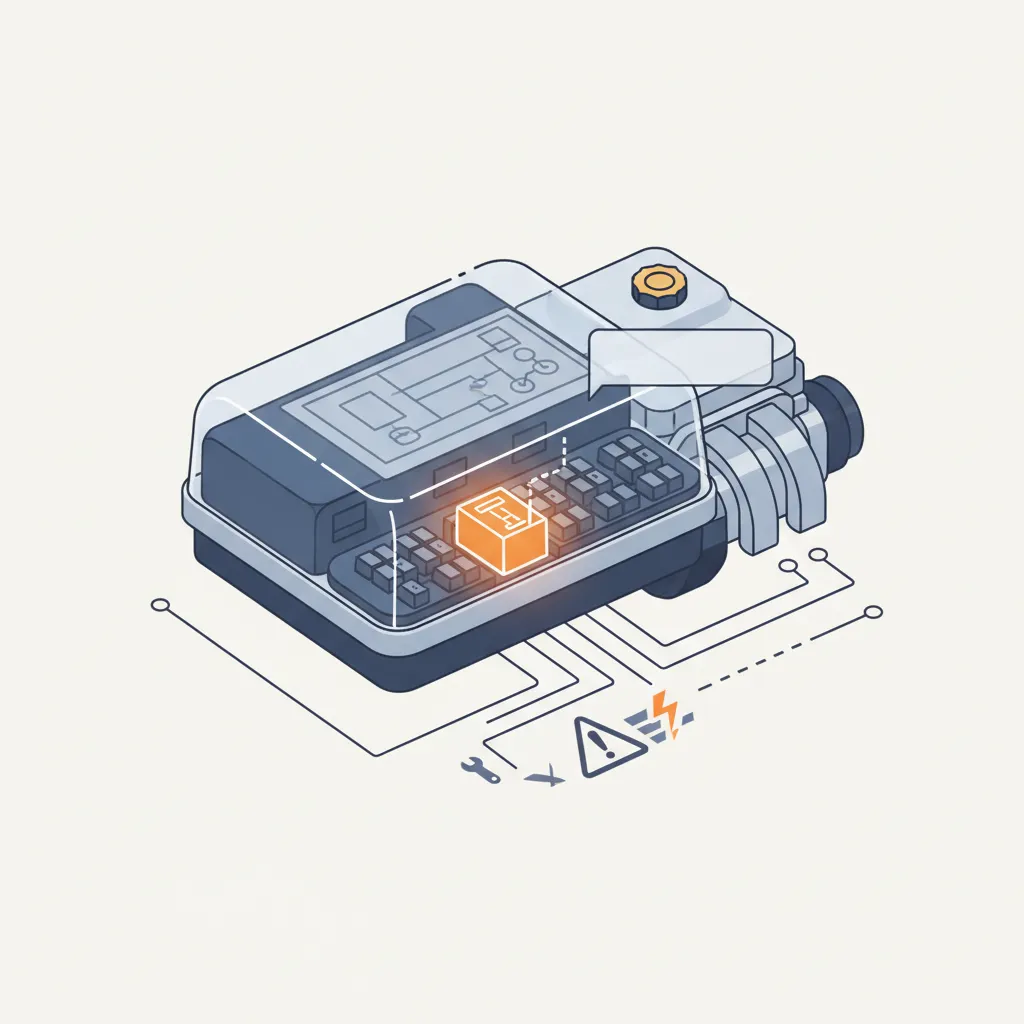
In the sophisticated ecosystem of modern engine management, the Automatic Shutdown (ASD) relay acts as a heavy-duty switch controlled by the Powertrain Control Module (PCM). Its primary function is to provide the high-amperage 12V DC power required by the fuel injectors, the ignition coil(s), and even the O2 sensor heater circuits. By centralizing this power supply, the vehicle can instantly cut fuel and spark in the event of an emergency, such as a stall or an accident, preventing hazardous situations like engine fires or runaway fuel leaks.
The operation of the ASD relay is conditional. When you turn the ignition key to the ‘Run’ or ‘Start’ position, the PCM provides a ground signal to the relay’s coil. However, the PCM is programmed with a specific safety logic: it will only maintain this ground if it receives a valid “pulse” or signal from the crankshaft and camshaft position sensors. If the engine stops turning or if these sensors fail to report movement, the PCM breaks the ground, the relay clicks off, and power to the ignition and fuel systems is severed. This is why a “crank but no start” condition is the hallmark of an ASD-related failure.
From a technical perspective, the ASD relay is housed within the Power Distribution Center (PDC). In later Fourth and Fifth Generation Ram models, the PDC evolved into the Totally Integrated Power Module (TIPM), which integrates more complex logic including interactions with the Body Control Module (BCM). Understanding this relationship is crucial because a fault in the wiring between the BCM and the TIPM can sometimes mimic a relay failure, leading many owners to replace parts unnecessarily. Before diving into the hardware, it is always wise to consult an official guide for your specific VIN to understand the nuances of your truck’s wiring architecture.
ASD Relay Dodge Ram 1500 Location by Generation and Model Year
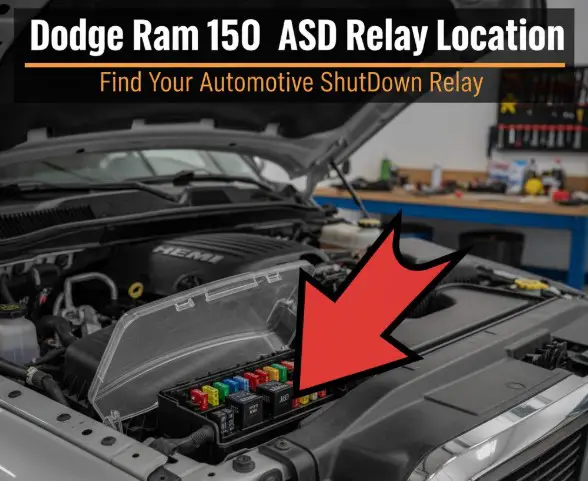
Locating the ASD relay is the first hurdle in any troubleshooting process. While the general “under-the-hood” rule applies to most trucks, the specific layout of the fuse box has shifted significantly over the last three decades. Research indicates that approximately 90% of Dodge Ram 1500 models house the ASD relay within 18 inches of the vehicle’s primary battery, making it relatively accessible for DIY inspection.
Second Generation (1994-2001)
In these classic workhorses, the ASD relay is found in the Power Distribution Center (PDC), which is a black rectangular box located on the driver’s side inner fender, directly behind or adjacent to the battery. When you pop the lid, you will see a series of large “cubed” relays. The ASD relay is typically located in the middle row. Always check the diagram embossed on the inside of the PDC lid for the exact position, as California emissions models may vary slightly.
Third Generation (2002-2008)
The layout became more integrated during this era. The relay is housed in the Integrated Power Module (IPM), located on the driver’s side fender well. In many 2002-2005 models, the ASD relay is a standard plug-in component. However, be aware that in 2006-2008 models, some relays became “non-serviceable” or were integrated into the circuit board of the TIPM. If your diagram shows a relay slot that appears empty or missing, your truck likely uses the integrated version which requires a more advanced diagnostic approach.
Fourth Generation (2009-2018) and Ram Classic
This generation utilizes the Totally Integrated Power Module (TIPM). The box is located near the battery on the driver’s side. Identifying the relay here is more complex due to the density of the fuses. You are looking for a slot often labeled K10 or K6. A common pitfall for owners of 2014 Ram 1500 models is that the TIPM layout changed mid-year; never rely on generic online images alone. Physically verify the map on your lid or your owner’s manual.
Fifth Generation (2019-Present)
The newest Rams have moved toward a more complex, multi-layered fuse array. The PDC is still in the engine bay, but it often requires unlatching multiple clips to see the relay level. Look for the abbreviation “Auto S/D” or “ASD” on the diagram. Because these trucks are heavily digitized, the ASD relay function is more closely tied to the truck’s cybersecurity gateway, so ensure you have a modern OBD-II scanner if you plan to do your own diagnostics.
If the text on your fuse box lid is faded, take a high-resolution photo with your smartphone and use the “invert colors” or “high contrast” filter. This often makes the embossed plastic text much easier to read in low-light engine bays.


Identifying Symptoms and Diagnostic Trouble Codes (DTCs)
How do you know if the ASD relay is the culprit? The most definitive symptom is an engine that cranks but fails to fire. Since the relay controls both the spark (coils) and the fuel (injectors), the engine has everything it needs to turn over, but lacks the internal combustion necessary to actually run. In some cases, the relay doesn’t fail “open” immediately; instead, it becomes intermittent. This leads to the engine stalling unexpectedly while driving, which can be a terrifying experience on the highway.
One of the most insidious issues is the “Ghost Symptom.” Because the ASD relay cuts power to the fuel system, it mimics a dead fuel pump. I have seen countless DIYers spend hundreds of dollars replacing a fuel pump, only to find the truck still won’t start. A survey on community platforms like Ramforum.com suggests that approximately 15% of chronic starting issues are eventually traced back to relay or PDC terminal corrosion, rather than the more expensive mechanical components. Always verify the relay before pulling the fuel tank.
When the ASD relay fails, the PCM often generates specific Diagnostic Trouble Codes (DTCs) that can be read with an OBD-II scanner. Look for the following:
- P0685: ECM/PCM Power Relay Control Circuit / Open. This indicates the PCM tried to trigger the relay but detected no response.
- P0688: ASD Relay Sense Circuit Low. This is a very specific code where the PCM sees that the relay is closed, but it isn’t detecting the expected voltage on the output side.
- P0340 / P0335: While these are Cam/Crank sensor codes, a failure here will cause the PCM to intentionally shut down the ASD relay.
By The Numbers
Starting issues traced to ASD relay
Max average cost for pro replacement
Typical DIY part cost
📋
Step-by-Step Guide: Testing and Replacing the ASD Relay
Locate a non-critical relay in your PDC with the same part number as the ASD relay (common candidates include the horn relay or the A/C clutch relay). Swap the two. If the truck starts, you have confirmed a faulty relay. This is the fastest field-test available.
Set your Digital Multimeter (DMM) to DC Volts. Check terminal 30 (constant power) and terminal 86 (ignition power) in the relay socket. Both should show roughly 12.6V. If power is missing at 30, check the main ASD fuse. If power is missing at 86, the ignition switch circuit is faulty.


Inspect the female pins in the PDC for “green crust” (copper corrosion) or charring. High-mileage Rams often suffer from heat damage at the relay base. Clean terminals with electronic contact cleaner if any oxidation is present.
Disconnect the negative battery cable for safety. Firmly seat the new relay into the socket. Reconnect the battery and clear any DTCs using your scanner. Start the engine and let it idle for 10 minutes to ensure the relay maintains its connection under operating temperatures.
Professional Services and Local Repair Considerations
If you find that replacing the relay doesn’t solve the problem, or if you are uncomfortable poking around the electrical system with a multimeter, it may be time to seek expert tips from a professional. According to RepairPal, the average cost to replace an ASD relay at a shop is between $80 and $150. While the part itself is cheap—usually costing between $12 and $25 at local auto parts stores—you are paying for the technician’s diagnostic time. Most shops charge a minimum of one hour of labor for electrical diagnostics, which typically ranges from $90 to $130 per hour.
When selecting a repair facility nearby, look for technicians who specialize in Chrysler or Mopar vehicles. This is particularly important for 2006 and newer Ram 1500s equipped with the TIPM. A generic shop might recommend a total TIPM replacement ($800–$1,200), whereas a specialist serving the local community might know how to perform a “TIPM Rebuild” or bypass, saving you significant money. Furthermore, if your truck is stranded, many mobile diagnostic services are available that can come directly to your location, which is often more convenient than paying for a tow to a dealership.
In cold-weather climates, road salt can migrate into the PDC through the wheel wells or gaps in the hood. This causes internal corrosion on the circuit board that is not visible from the top. If your ASD relay feels loose or the socket looks “burnt,” do not simply keep replacing relays; the root cause is likely a failing PDC housing.
Lastly, always insist on a high-quality replacement. While generic relays are accessible and available at most big-box stores, the ASD circuit is high-duty. Using a trusted local supplier or an OEM Mopar part ensures that the internal contact points can withstand the constant heat of the engine bay without sticking or melting. A failing PCM can sometimes be the root cause, preventing the ASD relay from energizing; always confirm that the PCM is receiving proper ground and power signals before condemning the relay as the final fault.
Conclusion
The ASD relay is a small component with a massive responsibility. Located within the Power Distribution Center under the hood, this relay serves as the primary gateway for your Dodge Ram 1500’s vital systems. Whether you own a classic Second Generation or a state-of-the-art Fifth Generation model, understanding the ASD relay Dodge Ram 1500 location and its failure symptoms can save you hours of frustration and hundreds of dollars in unnecessary repairs. Faulty relays account for a significant portion of ‘crank-no-start’ conditions and can almost always be diagnosed with a simple swap test or a basic multimeter. Replacing the relay is an affordable DIY task that can be completed in minutes with just a few basic tools.
Before you commit to an expensive fuel pump replacement or complex PCM diagnostic, take a moment to check your ASD relay and inspect the PDC terminals for signs of wear or corrosion. If the symptoms persist or if you find signs of terminal melting, do not hesitate to contact a qualified technician nearby to perform a professional diagnostic. By taking a methodical, data-driven approach to your truck’s maintenance, you can ensure your Ram 1500 remains a reliable partner for the long haul.


Frequently Asked Questions
What are the most common symptoms of a bad ASD relay?
The most frequent symptom is an engine that cranks but will not start because the relay has failed to provide power to the ignition coils and fuel injectors. You may also experience sudden stalling while driving, an erratic idle, or specific OBD-II diagnostic codes like P0685 or P0688 appearing on your scanner.
How can I test my Dodge Ram ASD relay without special tools?
The quickest field test is the ‘relay swap.’ Identify another non-essential relay in the fuse box with the exact same part number and pin configuration—such as the horn or A/C clutch relay. Swap it into the ASD slot; if the truck starts, the original relay is faulty and needs replacement.
Where is the fuse box located in my Dodge Ram 1500?
In almost all Dodge Ram 1500 models, the primary fuse box (known as the Power Distribution Center or TIPM) is located under the hood. It is typically a black plastic box positioned on either the driver or passenger side fender well, usually very close to the battery for direct power access.
What does ASD relay actually stand for?
ASD stands for ‘Automatic Shutdown.’ It is a safety-oriented relay designed to cut off power to the fuel and ignition systems in the event the engine stops turning or the PCM detects a lack of signal from the crankshaft or camshaft sensors, preventing fuel from pumping into a non-running engine.
Can a bad ASD relay cause my battery to drain?
While less common than a total failure to start, a relay that is ‘stuck closed’ can theoretically keep the PCM or other engine components energized even when the ignition is off. This parasitic draw will eventually drain the battery. However, most ASD failures result in an ‘open’ circuit, meaning no power is delivered at all.
![2015 RAM 1500 AC Recharge Port Location & Identification [2026]](https://truckguider.com/wp-content/uploads/2026/03/2015-ram-1500-ac-recharge-port-featured.webp)
![2013 Ram Headlight Bulb Selection, Specifications [2026]](https://truckguider.com/wp-content/uploads/2026/03/featured-402e88aa-768x768.webp)