6.7 Cummins Turbo Speed Sensor Location And Replacement Guide

For the 6.7 Cummins owner, the precision of the Holset Variable Geometry Turbocharger (VGT) system is the heart of the engine’s power delivery and exhaust braking capabilities. However, this sophisticated machinery relies entirely on a small, often overlooked component: the turbo speed sensor. When this sensor fails, it can send your truck into a frustrating limp mode, trigger persistent Diagnostic Trouble Codes (DTCs), and potentially compromise your turbocharger’s long-term longevity. This comprehensive guide provides the exact 6.7 Cummins turbo speed sensor location, identifies common failure symptoms, and outlines the professional steps required to replace it, ensuring your rig returns to peak performance.

Pinpointing the 6.7 Cummins Turbo Speed Sensor Location
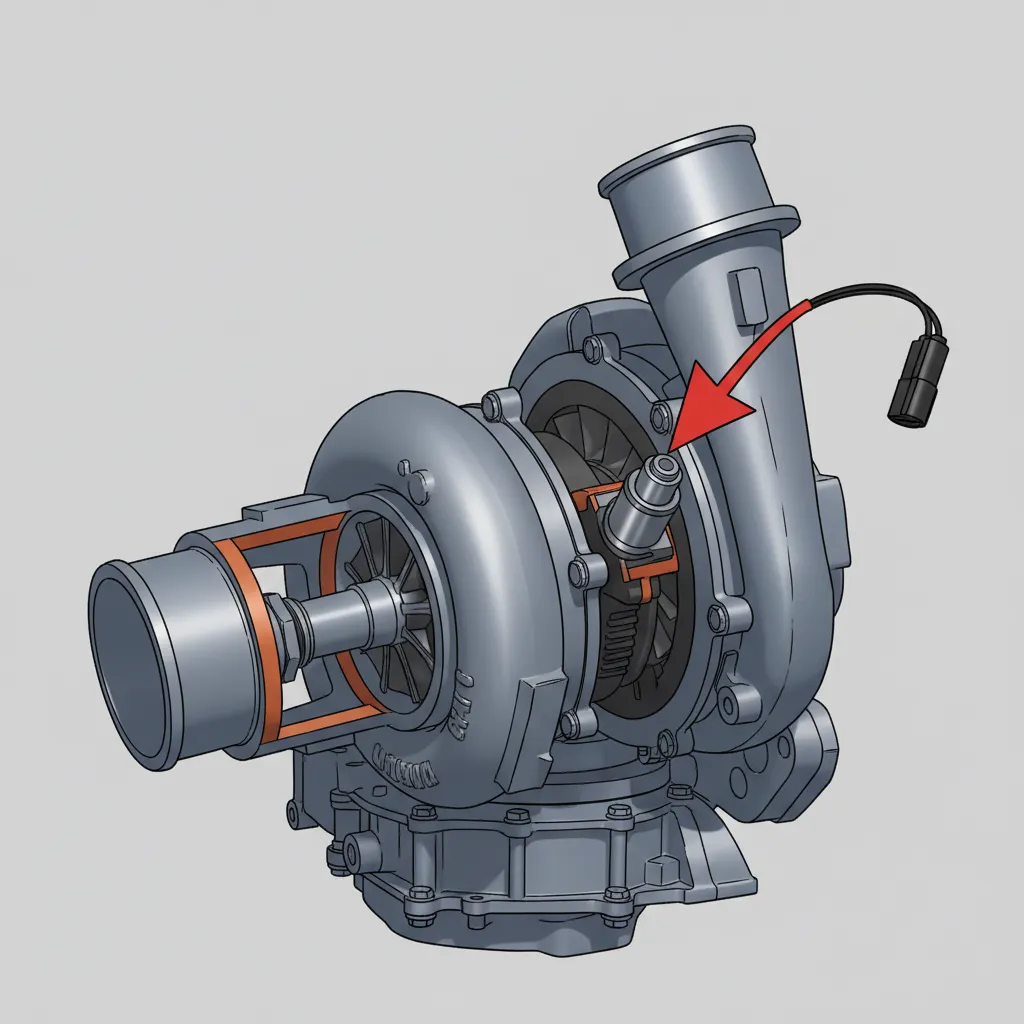
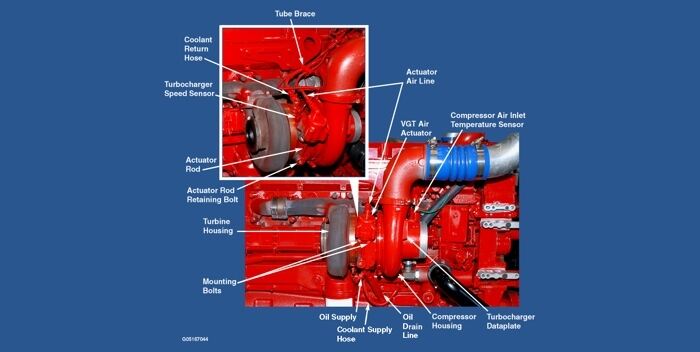
Finding the turbo speed sensor on a 6.7 Cummins engine requires looking directly at the turbocharger unit itself. Whether your truck is equipped with the Holset HE351VE (typically found on 2007.5–2012 models) or the HE300VG (common on 2013+ models), the sensor is integrated into the center section (bearing housing). Specifically, you will find it positioned between the compressor housing (the aluminum side) and the turbine housing (the cast iron exhaust side). It is strategically placed here to monitor the magnetic pulses of the shaft as it spins, providing real-time data to the Engine Control Module (ECM).
Visual Identification and Access
The sensor is easily identifiable by its two-wire electrical pigtail connector and a single mounting bolt—usually a 10mm hex head or an Allen-head screw, depending on the specific production year. While the location remains relatively consistent, the surrounding environment changes between model generations. For instance, on a 2012 RAM 2500, the sensor is quite accessible once the air intake piping is moved aside. However, on 2019 and newer High-Output variants, the cooling lines and revised plumbing may make the area more cramped, requiring you to work through the passenger-side inner fender liner for a clear line of sight.
Always verify your specific turbo model. While most 6.7 engines follow the standard Holset layout, some aftermarket turbo upgrades move the sensor port or eliminate it entirely, requiring a different ECM tune. Consulting an official guide for your VIN is the best way to confirm OEM placement.
The sensor’s role is high-stakes; it monitors rotational speeds that can exceed 100,000 RPM under heavy load conditions. Because the sensor tip sits in close proximity to the rotating assembly, any misalignment during installation can lead to catastrophic mechanical failure or immediate sensor shearing. It is a precision component serving a high-speed environment, meaning its location is engineered for millimeter-perfect accuracy.
Recognizing Symptoms of a Failing Turbocharger Speed Sensor
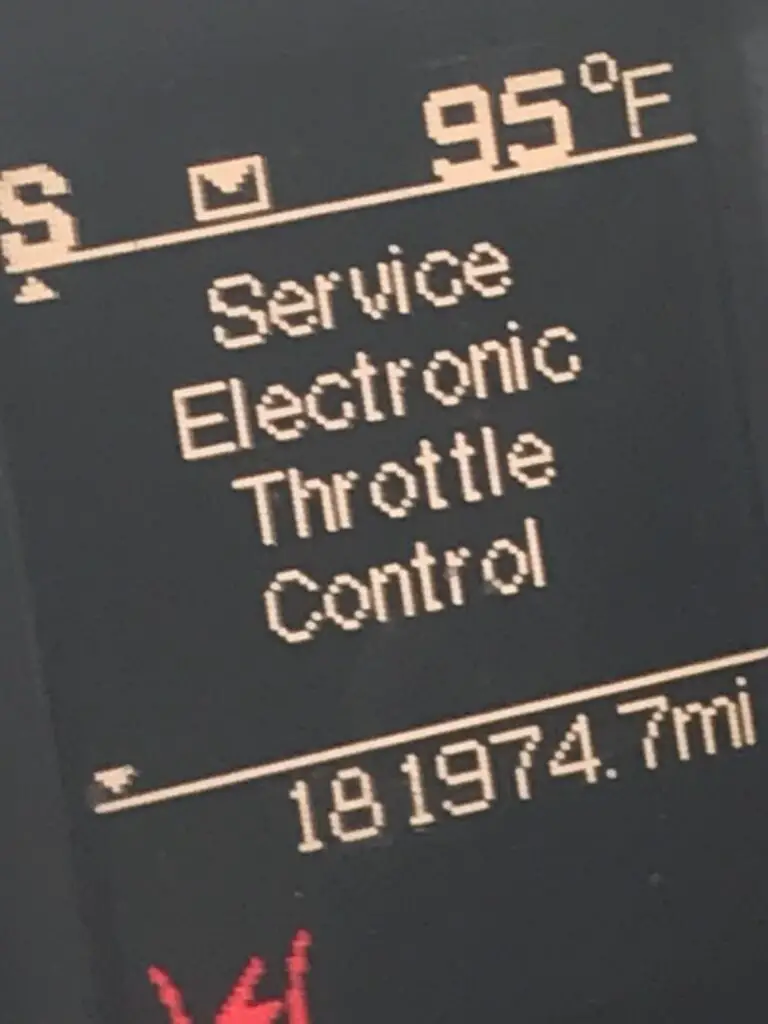
When the turbo speed sensor begins to degrade, the symptoms are rarely subtle. Because the ECM uses this data to manage the Variable Geometry Turbo (VGT) actuator, a loss of signal results in the computer “guessing” the turbo’s position. This often triggers a Limp Mode, where the engine’s power is severely restricted to prevent over-speeding the turbocharger. Drivers often report a sudden, jarring loss of power—an especially dangerous scenario when towing a heavy trailer on a steep grade.
Diagnostic Trouble Codes (DTCs)
The most definitive way to identify a failure is through a scan tool. The 6.7 Cummins will typically throw specific codes when the sensor circuit is compromised. Common codes include:
- P2579: Turbocharger Speed Sensor Circuit Range/Performance
- P2580: Turbocharger Speed Sensor Circuit Low
- P226C: Turbocharger Boost Control “A” Slow Response (often a secondary code caused by the lack of speed data)
By The Numbers
Restored Performance
Average Part Cost
Max Turbo RPM
Beyond electronic codes, you may notice secondary physical symptoms. These include increased soot accumulation in the Diesel Particulate Filter (DPF) due to improper air-to-fuel ratios and a noticeable decrease in fuel economy. Research indicates that maintaining a functional speed sensor is paramount for emissions compliance; a study by Diesel Power Magazine found that replacing a faulty turbo speed sensor restored turbocharger performance in 90% of the tested vehicles, highlighting how much “lost” power is actually just a sensor-related software restriction.
Step-by-Step Replacement Procedure and Torque Specifications
Replacing the turbo speed sensor is a straightforward task that most owners can complete in 45 to 90 minutes. However, because the sensor sits in the turbocharger’s bearing housing, cleanliness is non-negotiable. Any dirt or grit that falls into the sensor port during replacement can enter the oiling system or damage the turbo shaft.
📋
Replacement Guide
Disconnect the negative battery terminals. Ensure the engine is completely cool; the turbocharger retains heat for hours and can cause severe burns. Remove the air intake tube to gain clear access to the passenger side of the turbo.
Use a specialized brake cleaner or compressed air to clean the area around the sensor. It is vital that no debris falls into the hole once the sensor is extracted. This is a critical step often skipped by amateurs.
Unplug the electrical connector. Use a 10mm socket or Allen key to remove the single mounting bolt. Gently wiggle the sensor upward. If the O-ring is stuck, use a pick tool to carefully remove it without scratching the housing surface.
Lubricate the new O-ring with clean 15W-40 engine oil. Slide the new sensor into place. Reinstall the bolt and torque it to 71-89 in-lbs. Do not over-torque, as the sensor ear is plastic and can crack easily.
Before installing the new part, check the wiring harness and electrical connector for any signs of heat damage or corrosion. A faulty connection can mimic the symptoms of a bad sensor, leading to unnecessary part replacement. Always use expert tips when diagnosing electrical gremlins.
Finding Quality Parts and Support in Your Local Community
When it comes to sourcing a replacement 6.7 Cummins turbo speed sensor, you have several options ranging from OEM Mopar/Holset parts to aftermarket alternatives. Online forums suggest that the average cost for this sensor ranges from $50 to $150, excluding labor. While budget-friendly options are available at many convenient online retailers, industry experts recommend sticking with genuine Holset sensors (often part numbers 4032068 or 4036059) to ensure signal accuracy and longevity.
Leveraging Local Expertise
For those who are not comfortable performing a DIY repair, there are many reputable diesel performance shops nearby serving your area. These trusted local technicians have the specialized scan tools required not only to clear codes but to perform a VGT actuator calibration, which is often recommended after sensor replacement to ensure the system is perfectly synchronized. Engaging with your accessible community of RAM owners through platforms like the Ram specs forums can provide recommendations for the best shops in your location.
OEM Reliability
Genuine Holset sensors provide the most accurate frequency response for the ECM.
Local Support
Access to professional diagnostic tools for actuator calibration.
Comparing the Speed Sensor to MAP and EGT Sensor Roles
To truly understand why the turbo speed sensor is so vital, it helps to see how it interacts with other sensors in the 6.7 Cummins ecosystem. The engine utilizes over 15 critical sensors to maintain Tier 4 emissions compliance and engine protection. The speed sensor does not work in a vacuum; it is part of a “triangulation” of data used by the ECM to command the VGT slide ring position.
Distinguishing Data Points
It is easy to confuse a turbo speed sensor issue with a Manifold Absolute Pressure (MAP) sensor failure. While the speed sensor monitors rotational velocity, the MAP sensor monitors air density and pressure. If the speed sensor reports 100,000 RPM but the MAP sensor only reports 5 PSI of boost, the ECM knows there is a leak or a mechanical failure. Similarly, Exhaust Gas Temperature (EGT) sensors inform the ECM if the turbo is getting too hot, which might lead the computer to de-rate the engine regardless of what the speed sensor says. This interplay can sometimes create “ghost codes,” where a failure in one component triggers a code for another.
In many diagnostic scenarios, a cracked intercooler pipe might cause the turbo to over-spin to compensate for lost pressure. In this case, the turbo speed sensor isn’t “failing”—it is accurately reporting a dangerous over-speed condition caused by an external leak. This is why professional diagnostics are essential before assuming the sensor itself is the culprit.
Conclusion
The 6.7 Cummins turbo speed sensor is a small but mighty component located on the turbocharger bearing housing, serving as a critical feedback loop for the VGT system. Identifying a failure through codes like P2580 and recognizing symptoms like significant power loss or limp mode is the first step toward a fix. Fortunately, the replacement is a manageable DIY task for most truck owners, provided they respect the torque specs and maintain strict cleanliness. Inspect your sensor wiring today for any signs of fraying or heat damage, and if you need a replacement, check with your trusted local diesel parts specialist for immediate availability. Keeping this sensor in top shape is the best way to ensure your Cummins continues to deliver the reliable, heavy-duty performance you depend on.
Frequently Asked Questions
What are the symptoms of a bad turbo speed sensor on a 6.7 Cummins?
A failing turbo speed sensor typically triggers the Check Engine Light with codes P2579 or P2580. You may notice a sudden drop in boost pressure, erratic exhaust brake performance, and the engine entering a ‘limp mode’ to protect the turbocharger from overspeeding. In some cases, you might hear unusual whining sounds if the VGT is miscalibrated due to poor data.
How do I test a turbo speed sensor on a 6.7 Cummins?
Testing involves checking for 5 volts of reference power at the harness connector and verifying the ground. Using an oscilloscope is the professional method to observe the square-wave signal generated while the engine is running. However, most technicians check for continuity and resistance within the sensor pigtail; if the circuit is open or shorted, the sensor requires immediate replacement.
What tools are needed to replace a turbo speed sensor on a 6.7 Cummins?
You will need a basic metric socket set, specifically a 10mm socket for the mounting bolt (though some years use a 5mm Allen), a 1/4-inch drive ratchet with a long extension to reach the turbo housing, and a torque wrench. Additionally, keep shop towels and electronic cleaner nearby to ensure the mounting surface and electrical connector remain free of contaminants.
Where can I buy a replacement turbo speed sensor for a 6.7 Cummins?
Replacement sensors are readily available at local Chrysler/Ram dealerships and specialized diesel performance shops nearby. For those looking for cost-effective options, reputable online retailers and local automotive parts stores stock both OEM Holset/Mopar units and high-quality aftermarket alternatives from brands like Cummins or Dorman. Always ensure the part number matches your specific turbo model.
What is the torque specification for the turbo speed sensor mounting bolt?
For most 6.7 Cummins applications, the turbo speed sensor mounting bolt should be torqued to approximately 71 to 89 inch-pounds (about 8 to 10 Newton-meters). It is critical not to over-tighten this bolt, as the sensor body is often plastic and the threads in the turbo housing are susceptible to stripping. Always use a small amount of clean engine oil on the O-ring for a proper seal.