2002 Dodge Ram 1500 Fuse Box Location And Electrical Component Guide

Finding yourself stuck with a dead radio, flickering lights, or a non-starting engine in your 2002 Dodge Ram 1500 is incredibly frustrating, but the solution is often as simple as a five-cent piece of plastic. Many owners struggle to locate the dual fuse panels or interpret the complex diagrams required to restore power to critical vehicle systems. This guide provides the exact 2002 Dodge Ram 1500 fuse box location for both the interior and under-hood units, detailed diagrams, and professional troubleshooting steps to get your truck back on the road safely and efficiently.


Primary Interior Fuse Box Location and Access Procedures
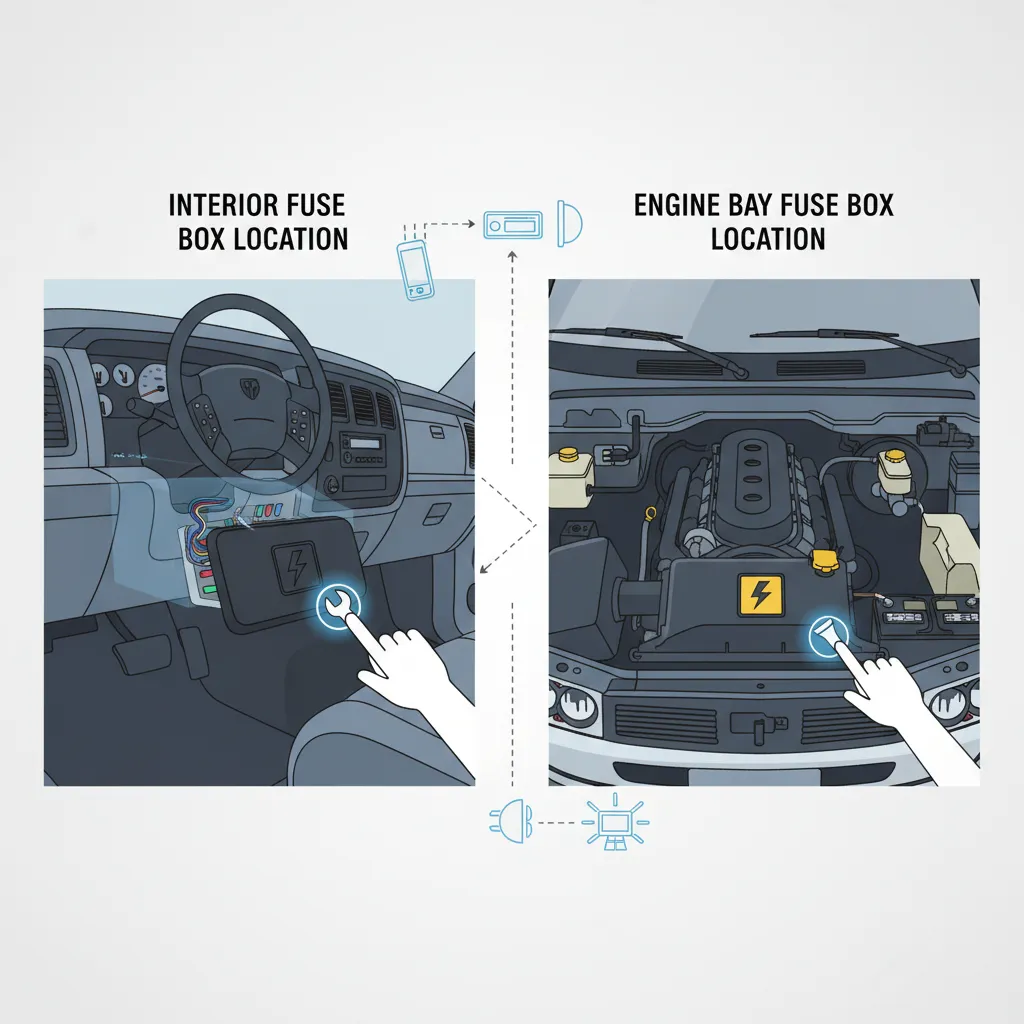
In the 2002 model year, Dodge implemented a specific architecture for interior electronics. The primary interior fuse box is located on the driver’s side of the dashboard. Unlike modern vehicles where fuses might be buried deep under the steering column, the 2002 Ram features a highly accessible panel situated on the side of the dash that faces the driver’s door frame. To see it, you must have the driver’s door fully open.
This panel is protected by a plastic cover that blends seamlessly with the dashboard trim. Accessing it is straightforward and usually does not require heavy tools. However, for a clean removal without Marring the plastic, a flat-head trim tool or a careful finger pull on the integrated tab is recommended. This box primarily protects “soft” electronic circuits—those that manage your daily comfort and visibility. This includes power windows, power door locks, interior cabin lighting, and the instrument cluster itself. According to Ram specs provided by RepairPal, electrical issues account for a significant portion of repair requests for 2002-2008 models, often beginning with these interior circuits.
📋
Accessing the Interior Panel
The panel is physically blocked when the door is closed. Fully extend the door to gain a clear workspace.
Find the small indentation or plastic tab on the edge of the panel. Pull outward firmly but smoothly.
Verify the Integrated Power Module (IPM) architecture. Ensure no moisture is present on the circuit board.
Consider a scenario where a driver’s power window fails while they are serving a busy delivery route nearby. This side-dash location allows for a 30-second inspection without needing to crawl under the steering column. Once your inspection is complete, ensure the panel is properly seated and the plastic clips click back into place; failure to do so can lead to annoying dashboard rattles or the entry of cabin moisture into the electrical terminals.
Under-Hood Power Distribution Center (PDC) Location
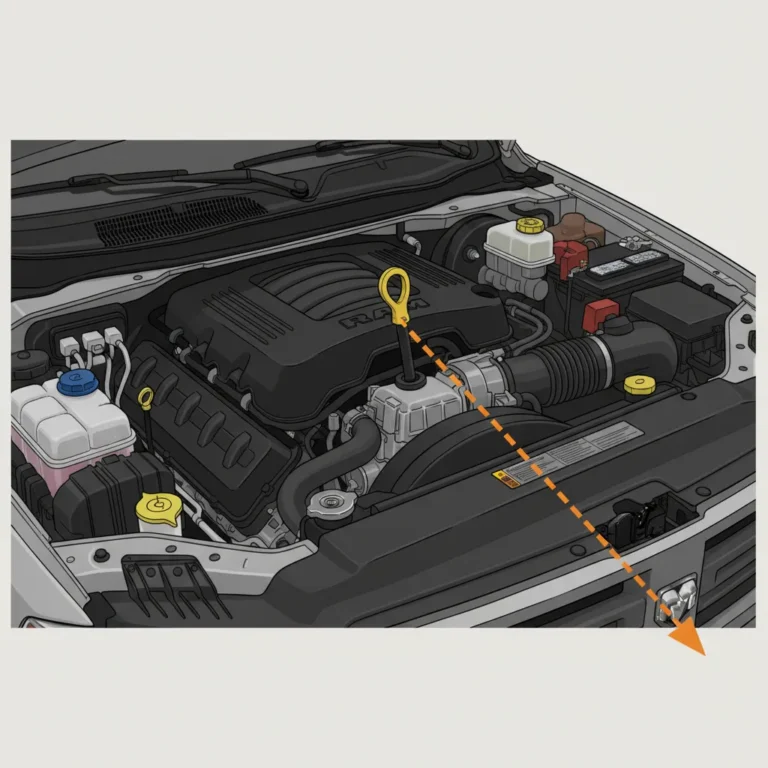
While the interior panel handles cabin accessories, the heavy lifting is done by the Power Distribution Center (PDC). This box is located under the hood, pinpointed nearby the battery on the driver’s side of the engine bay. It is housed in a rugged, black plastic box designed to withstand extreme engine temperatures and debris.


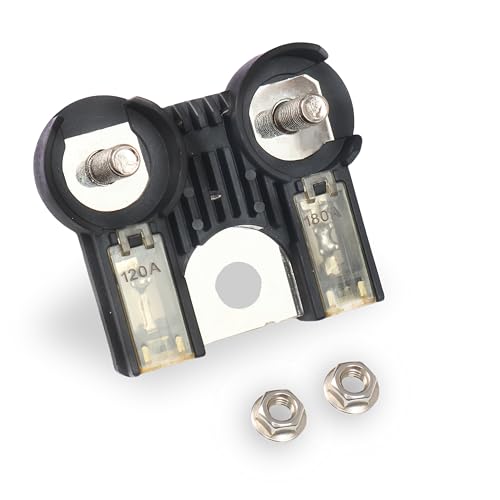
The PDC is the heart of the vehicle’s high-amperage needs. It houses up to 40 individual circuits that manage heavy-duty power distribution from the alternator and battery. Unlike the small blade fuses found inside, the PDC contains MAXI fuses and large relays. These components control the fuel pump, the starter motor, the anti-lock brake system (ABS), and the cooling fans. If your Dodge Ram won’t start in a local parking lot, the PDC is the first place you should look, specifically checking the starter relay for signs of scorching or failure.
The Power Distribution Center handles high-voltage potential directly from the battery. Always ensure the ignition is OFF before opening the moisture-resistant lid. Keep the area clean of engine grime, as oil or grease buildup on the terminals can cause a high-resistance short circuit or fire.
To access the PDC, you must depress the locking tabs (usually two) located on the sides of the housing. The hinged or latched cover will then swing open, revealing the fuse map on the underside of the lid. This is also where you will often find spare fuse slots and a dedicated fuse puller tool, making it convenient for emergency roadside repairs.
Interpreting the 2002 Dodge Ram 1500 Fuse Box Diagram
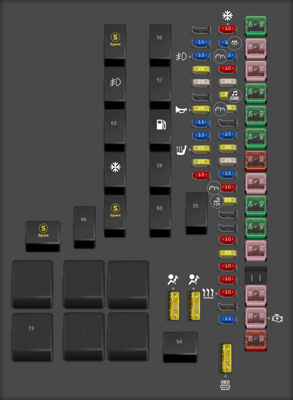
Possessing a diagram is useless if you cannot interpret the labels correctly. On the 2002 Ram 1500, the primary diagram is conveniently printed on the inside of the fuse box covers. If these labels have faded due to heat or age, you should immediately consult the official guide for your specific VIN.
The diagrams use a grid system (e.g., Fuse 1, Fuse 2) that correlates to the physical layout on the circuit board. However, orientation is the most common pitfall. Community feedback on community forums suggests that roughly 15% of DIY electrical repairs fail because owners misinterpret the diagram orientation—looking at the box from the fender versus looking from the bumper. Always align the “notch” or “hinge” on the diagram with the physical hinge on the box to ensure you are pulling the correct fuse.
Common abbreviations on Ram diagrams include:
• IGN: Ignition-switched power (only on when key is turned).
• ACC: Accessory power (radio/windows).
• BATT: Constant battery power (clocks/alarms).
• IOD: Ignition Off Draw (the “storage” fuse).
A practical example: If your phone charger stops working, use the diagram to locate the specific 20A fuse labeled for the “Cigarette Lighter” or “Power Outlet.” If the visual “gap” in the fuse filament isn’t obvious, use a multimeter set to the continuity setting. Place the probes on the two small metal test points on top of the fuse; a beep confirms the fuse is good, while silence indicates it’s time for a replacement.
Safe Fuse Replacement and Troubleshooting Protocols
Once you have identified a blown fuse, the replacement process must be handled with precision. The 2002 Dodge Ram uses ATO/ATC blade fuses for the interior panel and MAXI or J-Case fuses for the high-draw circuits in the PDC. Matching the color-coded amperage rating is the single most important safety step you can take.


Replacing a blown fuse with one of a higher amperage is a dangerous mistake. Fuses are designed to be the “weakest link” in a circuit; if you install a 30A fuse where a 15A is required, the wiring will melt or catch fire before the fuse blows. For complex repairs involving high-amperage PDC circuits, it is standard protocol to disconnect the negative battery terminal to prevent accidental arching. One local owner recently avoided a multi-hundred dollar shop visit by correctly diagnosing a blown trailer-tow fuse using a $5 replacement kit available at a nearby auto parts store.
If a fuse blows immediately after you replace it, do not keep trying. This indicates a hard short to ground. You must identify the cause—such as a frayed wire or a failed motor—before the circuit can be safely restored. Using a dedicated fuse puller tool, often available in the PDC lid, prevents damage to the delicate terminals of the fuse box itself.
Common Electrical Diagnostics for the 2002 Ram Community
The 2002 Ram 1500 occupies a unique transitional phase in Dodge’s electrical engineering. It utilizes a Front Control Module (FCM) bolted to the side of the PDC. This module acts as the “brain” for many electrical functions, and its failure can often mimic a blown fuse. One common symptom is the “no-low-beam” headlight issue, where fuses are intact, but the solid-state drivers within the integrated power module have failed.
By The Numbers
Accessory fixes solved by IOD fuse
Circuits managed by the PDC
DIY diagram errors
Another frequent topic in the Dodge owner community is the “flickering dashboard.” While this can be a failing alternator, it is often traced back to the IOD (Ignition Off Draw) fuse. This fuse is designed to be pulled when the vehicle is stored for long periods to prevent battery drain. Forum discussions on community forums indicate that over 30% of “dead” accessory or memory issues are solved by simply reseating this specific fuse, which can vibrate loose over years of driving on local roads.
Trailer lighting failures are also a major pain point. Dodge provided dedicated fuses for trailer left/right turn signals and trailer park lamps within the under-hood PDC. If your truck’s lights work but the trailer’s do not, the issue is almost certainly a blown fuse in the engine bay, not the interior dash. For more complex harness issues or intermittent power losses that a simple fuse cannot fix, it may be time to consult a technician serving the local area who specializes in Mopar electronics.
Conclusion
The 2002 Dodge Ram 1500 is a legendary workhorse, but its aging electrical system requires a knowledgeable owner. By understanding the dual-location setup—the driver-side dashboard for interior accessories and the engine bay PDC for heavy-duty power—you can resolve most electrical glitches in minutes. Always match fuse amperage exactly to the manufacturer’s diagram to prevent electrical fires and utilize trusted community resources for troubleshooting persistent shorts. Check your fuse box covers today to ensure your spare fuses and puller tool are available and convenient for your next trip.
Frequently Asked Questions
Where is the interior fuse box on a 2002 Dodge Ram 1500?
The interior fuse box is located on the left side of the dashboard. To access it, you must open the driver’s door completely. You will see a removable plastic cover on the side of the dash. Simply pull the cover toward you to reveal the fuses and the circuit diagram printed on the inside of the panel.


What is the PDC in a Dodge Ram 1500?
PDC stands for Power Distribution Center. This is the primary high-voltage fuse box located under the hood, typically situated next to the battery on the driver’s side. It contains larger MAXI fuses and relays that control heavy-duty systems like the engine controller, fuel pump, starter, and exterior lighting systems.
How do I know if a fuse is blown in my 2002 Dodge Ram?
You can identify a blown fuse by looking at the metal filament inside the plastic housing. If the bridge is broken or there are visible burn marks, the fuse is blown. For a more professional diagnosis, use a multimeter to check for continuity across the two small metal test points on top of the fuse while it is still plugged in.
Where can I find a 2002 Dodge Ram 1500 fuse box diagram?
The most reliable diagrams are located on the underside of the fuse box lids (both the interior panel and the under-hood PDC). If these are missing or illegible, the information is available in the vehicle’s owner’s manual or through authorized Dodge service portals. Many community forums also host digital scans of these specific diagrams.
What happens if I use the wrong amp fuse in my truck?
Using a fuse with a lower amperage than required will cause it to blow prematurely. However, using a fuse with a higher amperage is dangerous; it allows more current to flow than the wiring can handle, which can lead to melted harnesses, damaged electronic modules, or a vehicle fire. Always use the specific amperage listed on the diagram.