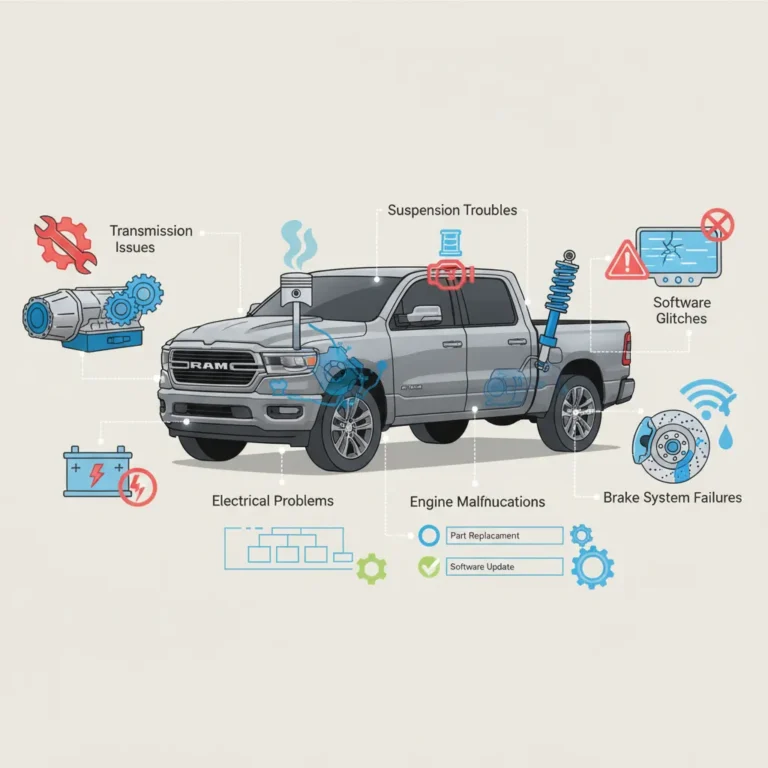
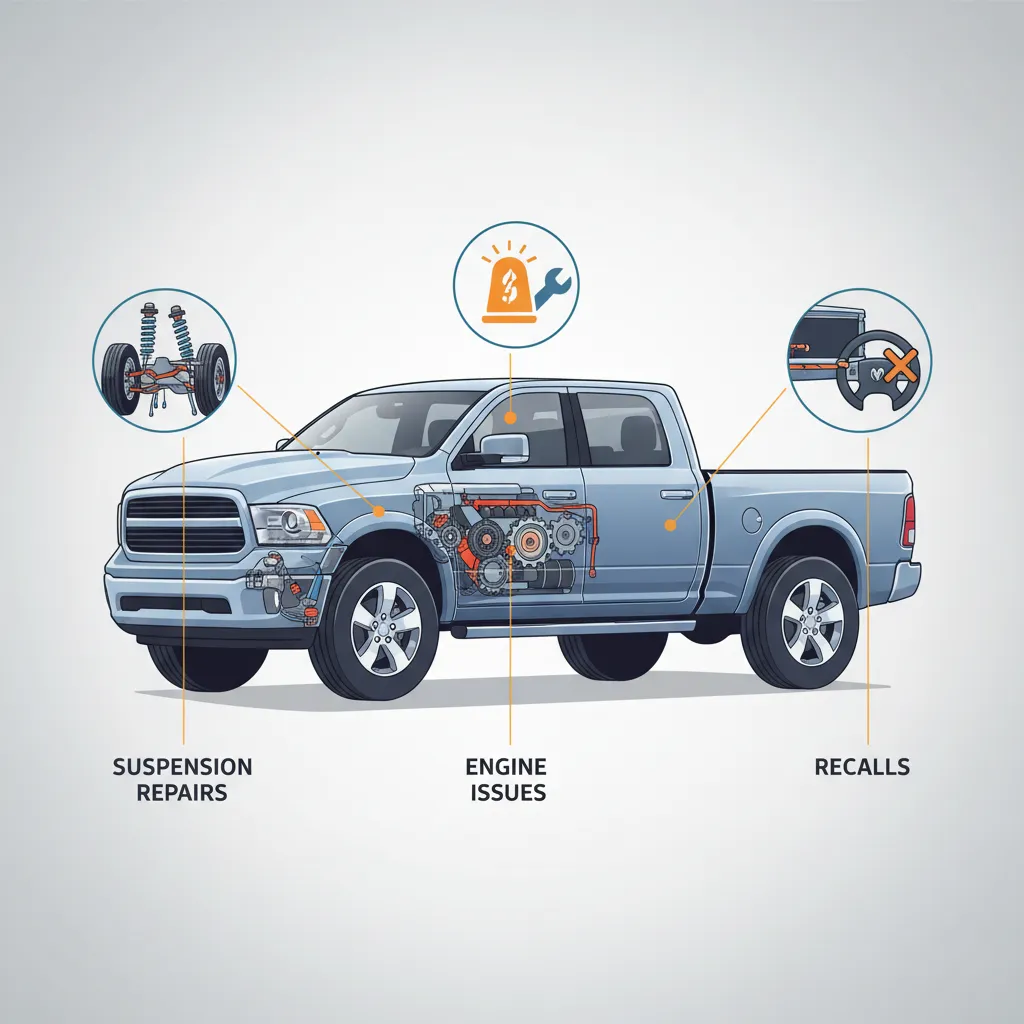
2017 Ram 1500 Problems: Troubleshooting Recalls, Engine Issues, And Suspension Repairs

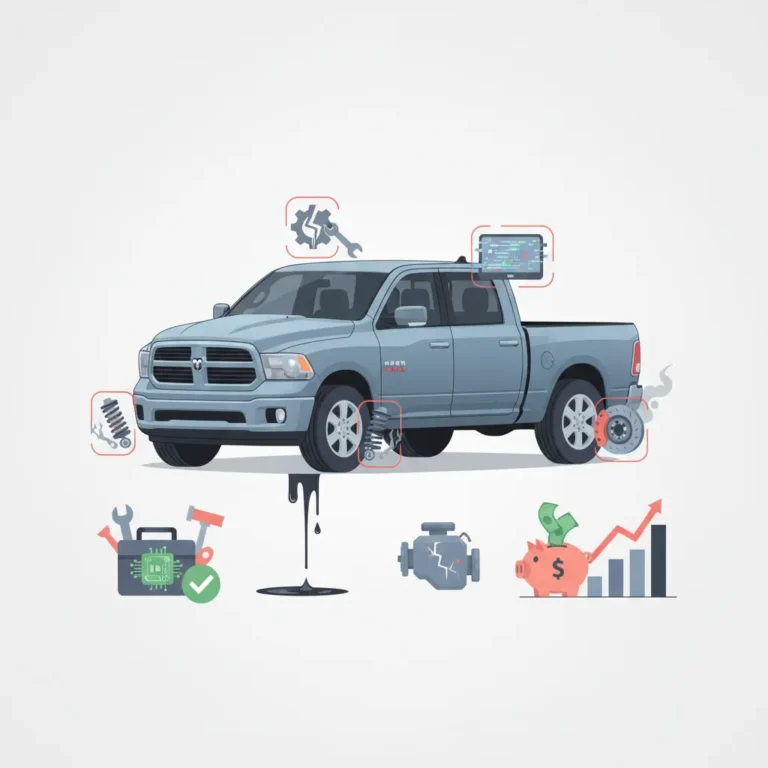
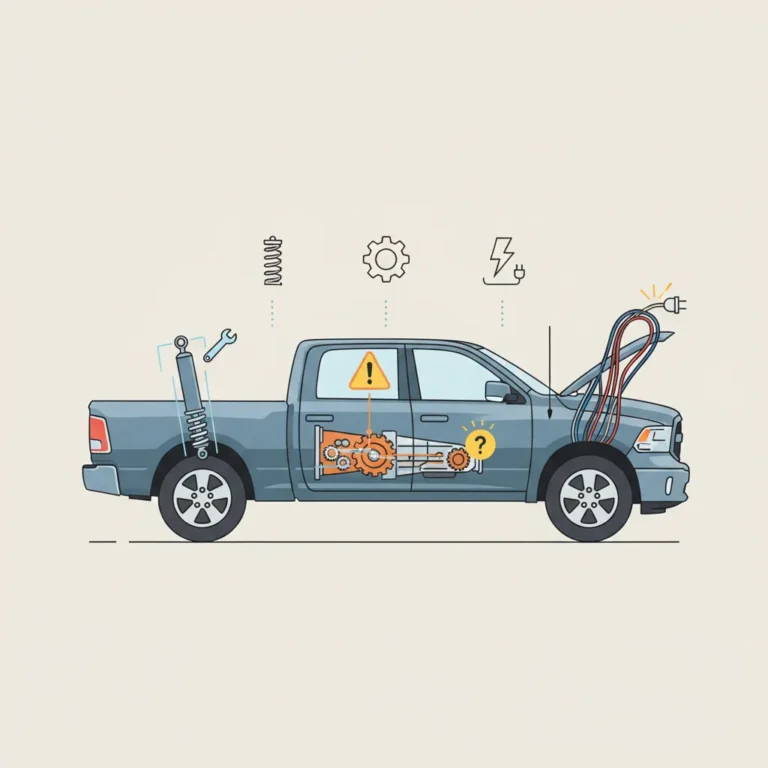
While the 2017 Ram 1500 remains a benchmark for ride quality and interior luxury in the light-duty truck segment, owners have identified several persistent mechanical and electronic hurdles. From high-priority safety recalls to frustrating infotainment glitches and air suspension failures, navigating the potential pitfalls of this model year requires a technical understanding of its most common failure points. This guide provides a detailed analysis of 2017 Ram 1500 problems, offering expert diagnostic steps, repair solutions, and preventative maintenance strategies to keep your vehicle on the road.


Critical NHTSA Recalls and Safety-Related Problems
Safety should always be the primary concern for any truck owner. The 2017 Ram 1500 has been subject to several significant recalls issued by the NHTSA, affecting potentially hundreds of thousands of vehicles. These are not merely suggestions; they are government-mandated repairs that dealerships must perform free of charge to mitigate life-threatening risks.
Rollaway Risk: The Electronic Rotary Shifter
One of the most publicized issues involves the vehicle’s “Park” lock function. Research indicates that certain units equipped with the electronic rotary shifter may experience a rollaway risk. This occurs when the vehicle fails to properly engage the park pawl, even when the dial is set to ‘Park’. If the driver exits the vehicle without engaging the manual parking brake, the truck can move unexpectedly. To troubleshoot this, owners should always use the emergency brake until the recall software update—which automatically engages the electronic parking brake when the door is opened in certain conditions—is applied.
Brake System and Hydraulic Control Failures
Another critical area involves brake system malfunctions. Some owners have reported a sudden loss of brake pedal pressure or an increased stopping distance. This has been linked to potential failures within the hydraulic control unit (HCU). When the HCU malfunctions, it can interfere with the Anti-lock Braking System (ABS) and Electronic Stability Control (ESC), leading to a higher risk of accidents during emergency maneuvers. Checking your VIN against an official guide is the only way to confirm if your specific truck requires an HCU replacement.
Electrical System and Power Distribution Recalls
Electrical malfunctions have also prompted safety interventions. Malfunctions within the power distribution center can lead to unexpected engine stalls while driving or, in extreme cases, fire hazards due to short circuits. This specific cause is often traced back to the wiring harnesses or the Totally Integrated Power Module (TIPM), which serves as the “brain” for the truck’s electrical distribution.
Do not wait for a component to fail. Visit NHTSA.gov or the Mopar owners’ portal immediately. Enter your 17-digit VIN to identify open recalls. Dealerships are required by law to resolve these issues at no cost to the owner.

Diagnosing Uconnect Infotainment and TIPM Electrical Failures
Beyond safety recalls, the 2017 Ram 1500 is frequently criticized for its electrical architecture. The issues generally fall into two categories: the user-facing Uconnect infotainment system and the underlying Totally Integrated Power Module (TIPM).
Uconnect Connectivity and “Ghost Touching”
The 8.4-inch Uconnect system is praised for its interface but lambasted for its reliability. Common reported problems include the screen freezing, crashing, and persistent Bluetooth connectivity issues. Perhaps most frustrating is “ghost touching,” where the screen acts as if it is being pressed by an invisible hand, changing radio stations or navigating menus without user input. This is often a hardware debug issue where the layers of the capacitive screen begin to delaminate.
📋
Uconnect Troubleshooting Guide


With the ignition in the ‘Run’ position, press and hold the Volume and Tune knobs simultaneously for 10-20 seconds. The screen will go black and the Ram logo will appear as the system reboots.
Visit the Ram specs and update portal. Enter your VIN to see if a software update is available. Many Bluetooth and freezing issues are resolved through these over-the-air or USB-based updates.
The TIPM: The Central Nervous System Failure
The Totally Integrated Power Module (TIPM) is a known weak point in Chrysler/Ram vehicles of this era. When a TIPM fails, it manifests as a variety of seemingly unrelated problems: fuel pumps staying on (draining the battery), phantom wiper activation, or headlights flickering. Expert insights suggest that when diagnosing electrical problems, start by checking the battery voltage, fuses, and ground connections first. A low-voltage battery can mimic a failing TIPM.
Troubleshooting the 2017 Ram 1500 Air Suspension System
The optional four-corner air suspension on the 2017 Ram 1500 offers an unparalleled ride, but it is notorious for failures, particularly in colder climates. This is a “closed” nitrogen system designed to maintain ride height regardless of load, but real-world performance often falls short of expectations.
Compressor Failure and Cold Weather Vulnerabilities
In regions with extreme winter climates, moisture can get trapped within the air lines and valves. When this moisture freezes, it blocks the flow of nitrogen, causing the compressor to overwork itself trying to level the truck. This eventually leads to total compressor burnout. If you hear your compressor running constantly or if you see a “Service Air Suspension” warning, immediate action is required to prevent a total repair bill that can exceed $2,500.
Identifying Air Leaks and Ride Height Issues
If your truck’s rear end sags significantly overnight, you likely have a leak in the air struts or the supply lines. A workaround for diagnosis is the “soapy water test”—spraying a mixture of soap and water on the air bags and fittings to look for bubbles. Additionally, faulty ride height sensors can send incorrect data to the computer, causing the truck to sit unevenly even if the air bags are intact.
For owners tired of frequent air ride failures, many aftermarket companies offer “Air to Coil” conversion kits. This replaces the air bags with traditional heavy-duty coil springs, providing a permanent solution to the air suspension headache at a fraction of the dealer repair cost.
Resolving Engine Ticking and Transmission Performance Issues
The powertrains in the 2017 Ram 1500—primarily the 3.6L Pentastar V6 and the 5.7L Hemi V8—are generally robust, but they aren’t without their quirks. Understanding the difference between a minor annoyance and a catastrophic failure is key for any high-mileage owner.


The “Hemi Tick” Diagnosis
The infamous “Hemi Tick” can be caused by two very different issues. Often, it is simply broken exhaust manifold studs. As the Hemi engine heat cycles, the manifold bolts can snap, creating an exhaust leak that sounds like a mechanical knock. However, a more severe cause involves the lifters and camshaft. If the roller lifters fail, they can “eat” the camshaft lobes, requiring an intensive engine teardown. Differentiating between the two requires a stethoscope or a professional diagnose; an exhaust leak usually disappears as the engine warms up, while lifter damage stays constant.
Transmission Shifting and Fluid Service
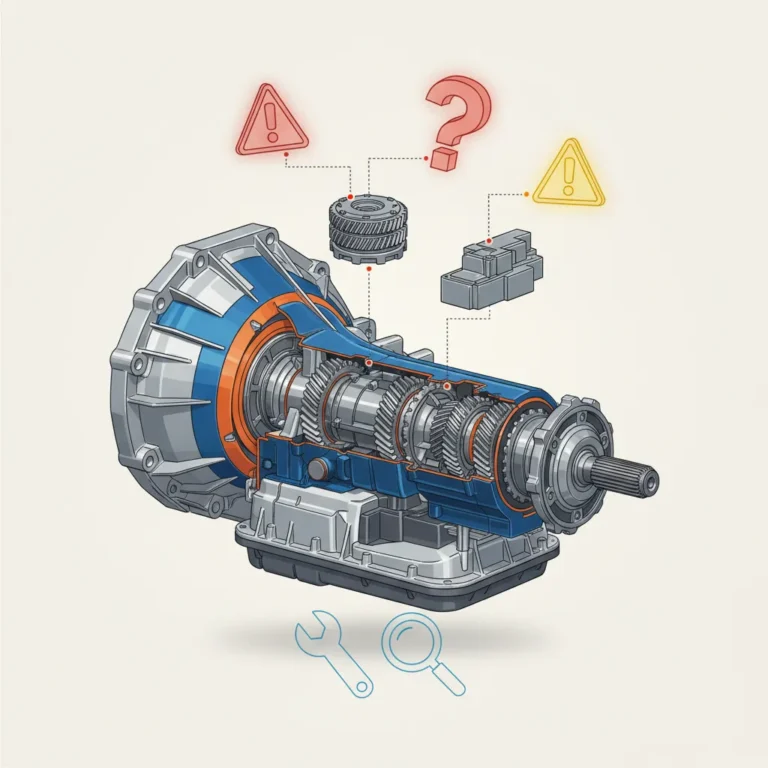
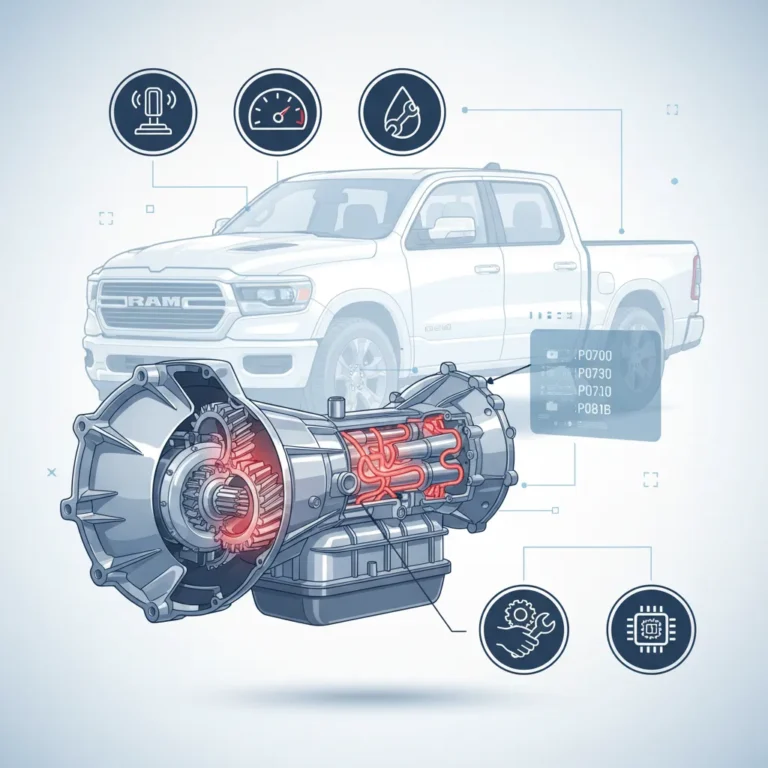
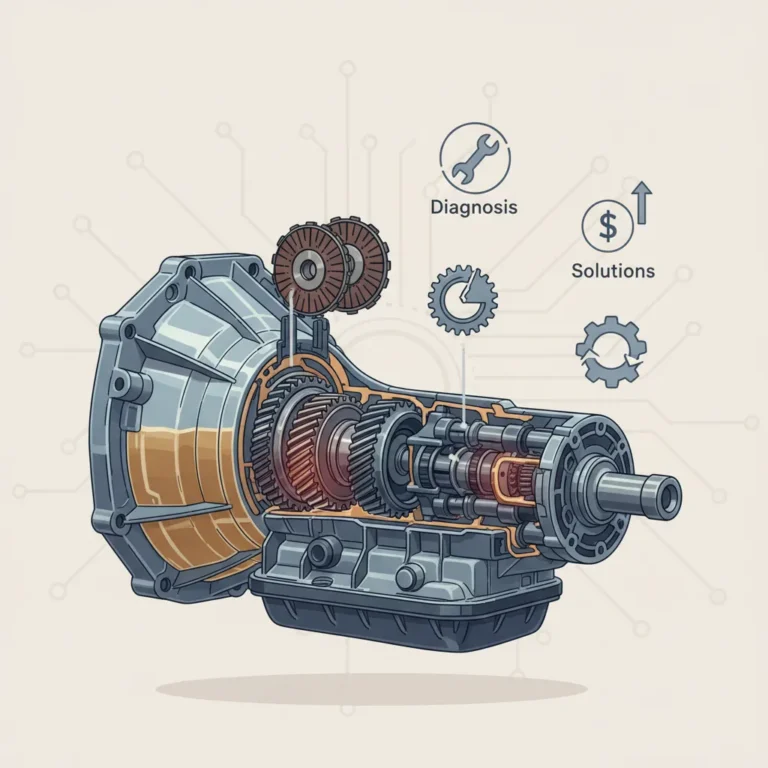
The ZF-sourced 8-speed automatic (8HP70 or 8HP45) is one of the best in the industry, but high-mileage units can experience rough downshifts or slipping gears. While Ram claims the transmission fluid is “sealed for life,” industry experts suggest this is a recipe for premature wear. For maximum longevity, ignore the “life” claim and perform a fluid and filter exchange every 60,000 to 80,000 miles. This helps prevent debris from clogging the sensitive valve body.
By The Numbers
RepairPal Reliability Rating
NHTSA Recalls Issued
Recommended Trans Service (Miles)
Preventative Maintenance and Long-Term Reliability Strategies
Maintaining a 2017 Ram 1500 requires more than just oil changes. Because of the specific vulnerabilities of this model year, a proactive approach to maintenance can save thousands in the long run. Use expert tips to stay ahead of the curve.
Corrosion Mitigation and Frame Care
Rust issues, particularly in areas that use road salt, can affect the vehicle’s frame and body panels. Addressing rust promptly is crucial to prevent structural damage. Apply rust inhibitors and consider professional undercoating (such as Fluid Film or Krown) every autumn. Regular frame washing during the winter months to remove salt buildup is a simple but effective solution for preserving the truck’s integrity.
Proactive Cooling and Braking System Care
Some owners have reported premature brake wear, potentially related to the electronic stability control system. Frequent inspections of the rotors and pads can prevent “warping” sensations. Similarly, watch for small radiator leaks or water pump weeping. Catching these early prevents overheating, which is the fastest way to ruin a 5.7L Hemi’s cylinder heads.
✅ Pros of Proper Care
- Extends transmission life past 200k miles
- Prevents expensive air ride compressor failure
- Maintains high resale value for Laramie/Limited trims
- Ensures safety systems (ABS/ESC) work correctly
❌ Cons of Neglect
- High risk of “Hemi Tick” lifter failure
- Potential for dangerous vehicle rollaway
- Ghost touching makes GPS/Radio unusable
- Severe frame rust reduces structural safety
Finally, invest in a mid-range OBD-II scanner. Modern Rams are highly sensitive to sensor data. If you can debug a pending code for a misfire or a wheel speed sensor before it triggers a “Limp Mode” event, you can save yourself a costly tow and diagnostic fee at the dealership.
In summary, prioritize NHTSA recalls regarding rollaway risks and brake failures to ensure occupant safety. Address Uconnect and air suspension issues early through software updates and sensor calibrations to avoid costly component replacements. Maintain a rigorous fluid service schedule for the Hemi engine and 8-speed transmission to mitigate ‘Hemi tick’ and shifting issues. If you are experiencing persistent mechanical issues, consult a certified technician and use an OBD-II scanner to pull specific fault codes for a more accurate diagnosis.
Frequently Asked Questions
What are the most common problems with the 2017 Ram 1500?
The most frequently reported issues include Uconnect infotainment system glitches (freezing/rebooting), air suspension failures in cold climates, and the notorious ‘Hemi tick’ caused by exhaust manifold or lifter issues. Additionally, several safety recalls regarding rollaway risks and brake malfunctions have been issued by the NHTSA.


![[2026 Upgraded] DooGooCoo Windshield Sun Shade for RAM 1500 2500 3500 2009-2017…](https://m.media-amazon.com/images/I/51wc2YRpoAL._SS500_.jpg)

Are there any recalls for the 2017 Ram 1500?
Yes, there are multiple recalls. Significant ones include a recall for a rollaway risk caused by the electronic shifter, potential brake failure due to hydraulic control unit issues, and electrical malfunctions in the power distribution center. Always check your VIN on the NHTSA website for the most current information.
How do I fix the Uconnect system in my 2017 Ram 1500?
Start with a soft reset by holding down the volume and tuner knobs simultaneously for 10-20 seconds. If the problem persists, check for software updates on the official Uconnect website. Persistent hardware issues like ‘ghost touching’ or complete screen failure may require a replacement of the head unit or the TIPM.
Why is my 2017 Ram 1500 air suspension not working?
Failures are often due to air leaks in the bags/lines or a burnt-out compressor, frequently exacerbated by moisture freezing in the system during winter. Diagnostic steps involve checking the fuse, inspecting for leaks with soapy water, and using a scan tool to check for ride height sensor calibration errors.
What is the life expectancy of the 2017 Ram 1500 transmission?
The 8-speed ZF-sourced transmission is generally robust and can last over 200,000 miles with proper care. However, despite being marketed as having ‘lifetime’ fluid, experts recommend changing the transmission fluid and filter every 60,000 to 80,000 miles to prevent rough shifting and premature clutch wear.