2016 Ram 1500 Problems: Troubleshooting And Repairing Common Mechanical And Electrical Issues

While the 2016 Ram 1500 remains a benchmark for ride quality and cabin luxury in the light-duty truck segment, several high-profile mechanical vulnerabilities have surfaced as these vehicles age. Owners are frequently reporting frustrating issues ranging from collapsing air suspensions and “spun” engine bearings to erratic electrical behavior managed by the Totally Integrated Power Module (TIPM). This guide provides a technical breakdown of the most common 2016 Ram 1500 problems, offering professional troubleshooting steps, repair costs, and preventative solutions to keep your truck on the road.



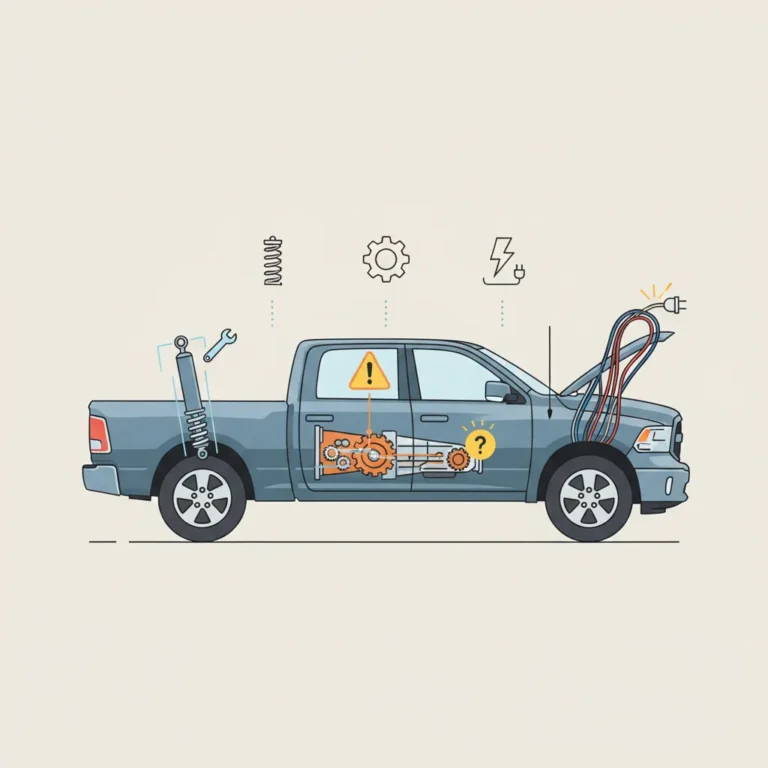
Diagnose and Resolve 2016 Ram 1500 Air Suspension Failure
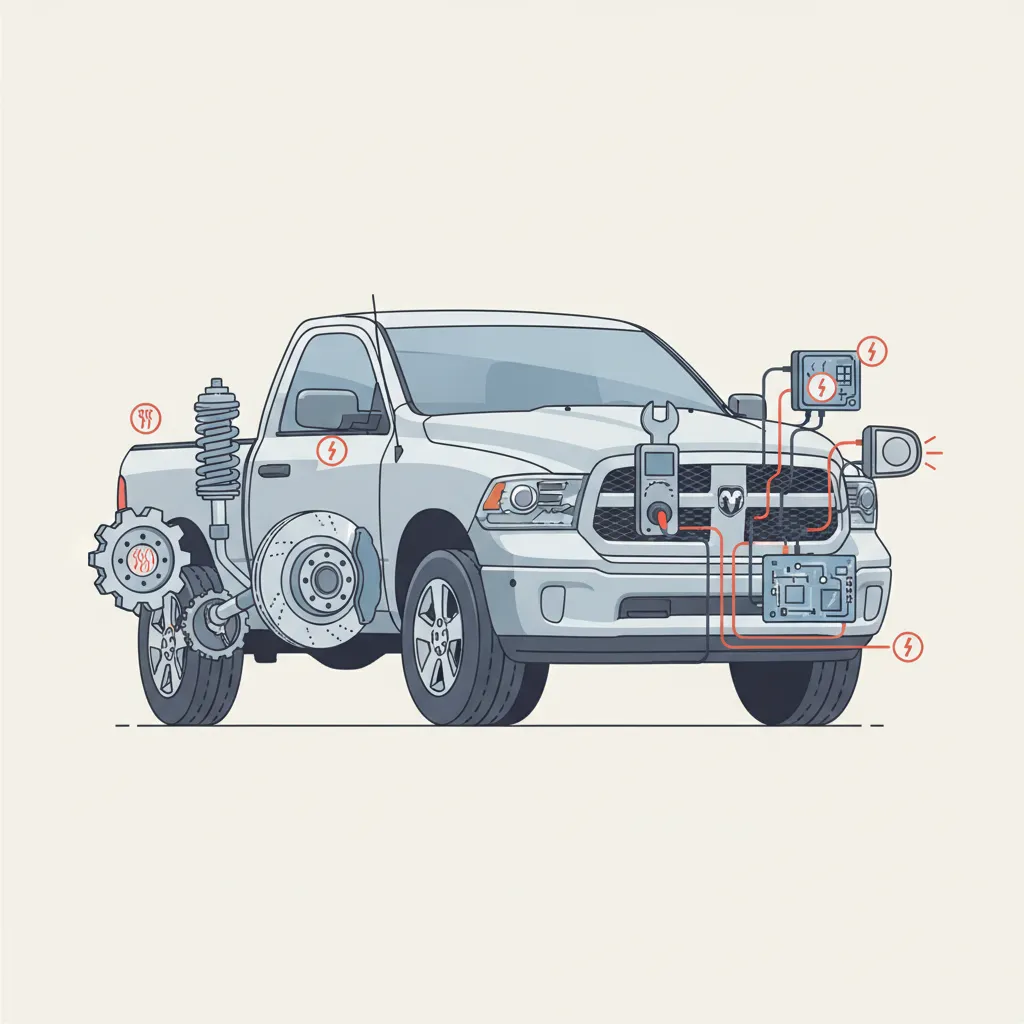
The 4-corner air suspension on the 2016 Ram 1500 was designed to provide a “luxury car” ride and adjustable load leveling. However, as these trucks age, the system often becomes a primary source of frustration. Common symptoms of failure include the truck sagging significantly to one side or failing to raise from the “Entry/Exit” height mode altogether. When the system fails, the ride quality becomes incredibly harsh, as the vehicle is essentially resting on its bump stops.
Troubleshooting the Air Compressor and Fuses
To troubleshoot a non-responsive system, start with the basics: check the air suspension fuses in the TIPM. If the fuse is blown, it often indicates the air compressor is overworking to compensate for a leak in the air struts or lines. Listen for excessive noise from the compressor located behind the rear passenger wheel well. A loud, grinding pump is a clear indicator of imminent mechanical failure. For a manual diagnose of leaks, use a soapy water solution sprayed onto the air lines and strut bags; escaping air will create visible bubbles.
In sub-zero climates, moisture trapped within the nitrogen-closed system can freeze, locking the valves and leaving the truck “bottomed out.” This is a common cause of system failure in northern regions, often requiring a heated garage to thaw the lines.
Repair Paths and Cost-Effective Solutions
When it comes to a repair, owners face a difficult choice. The average cost to replace a single air strut can exceed $1,500 at the dealership. Because of this high price point, many owners opt for a coil spring conversion kit. This workaround replaces the complex air system with traditional struts and springs, providing a permanent solution for $600 to $900 in parts. Before committing, use an OBD-II scanner to pull “C-prefix” chassis codes, which can help you debug the specific sensor or corner that is malfunctioning.
Troubleshoot 3.0L EcoDiesel Engine Wear and Catastrophic Failures
The 3.0L EcoDiesel was marketed as a high-torque, fuel-efficient alternative to the Hemi, but the 2016 model year is notorious for severe engine complications. The most critical issue reported by owners is premature main bearing failure, commonly referred to as “spun bearings.” This often results in a total engine seizure without much warning, occurring in some cases well before the 100,000-mile mark. According to reports on Ram specs, engine-related repairs are among the most expensive for this vehicle class.
EGR Leaks and Limp Mode Triggers
Another major concern is the Exhaust Gas Recirculation (EGR) cooler. These units are prone to internal leaks, which allow coolant to enter the intake manifold. This can lead to rapid coolant loss and, in extreme scenarios, thermal events or engine fires. Furthermore, a clogged Diesel Particulate Filter (DPF) can trigger “limp mode,” where the truck loses significant power to protect the engine. To resolve this, a forced regeneration may be required using a dealership scan tool, or in severe cases, the DPF must be professionally cleaned or replaced.
Many enthusiasts use the “Green Diesel Engineering” tune as a preventative solution. By modifying the EGR cycles, this aftermarket tune reduces the amount of soot entering the engine, potentially extending the life of the intake and bearings.


Maintenance as a Defensive Strategy
To mitigate the risk of engine failure, a strict maintenance schedule is non-negotiable. Owners should prioritize high-quality synthetic oil that meets the MS-11106 (or updated MS-12991) specification. Frequent oil and filter changes every 5,000 to 7,500 miles can help reduce sludge buildup. It is also important to note the legal context: the 2016 Ram 1500 was involved in a significant class action lawsuit regarding EcoDiesel emissions and performance. Settlement terms often included software updates that, while fixing emissions, have been noted by some owners to slightly decrease fuel economy and throttle response.

Repair Electrical Malfunctions and TIPM Connectivity Issues
The electrical architecture of the 2016 Ram 1500 is centralized around the Totally Integrated Power Module (TIPM). When this component begins to fail, the truck may exhibit “phantom” symptoms that seem unrelated. You might experience headlights turning on by themselves, the horn sounding randomly, or even the fuel pump staying active long after the engine is shut off. This constant fuel pump draw is a frequent cause of dead batteries in the morning.
📋
Uconnect Troubleshooting Guide
If the screen freezes or Bluetooth fails to pair, hold down the power and volume knobs simultaneously for 10-15 seconds until the screen reboots.
Navigate to the system settings to check your software version. Many connectivity bugs are fixed via over-the-air (OTA) updates or dealer-installed firmware.
If a reset doesn’t resolve the issue, the cause might be hardware-based. Screen delamination—where the outer layer of the screen appears to be peeling or bubbling—is a known hardware defect that often requires a full head unit replacement. For TIPM issues, a new unit can cost between $700 and $1,100. However, specialized electrical shops now offer internal relay repair services for a few hundred dollars, which is a much more affordable solution than replacing the entire module. Additionally, the Body Control Module (BCM) should be inspected if you experience issues with interior lighting or power locks, as it manages these specific sub-systems.
Fix 2016 Ram 1500 Transmission Shifting and Slipping Problems
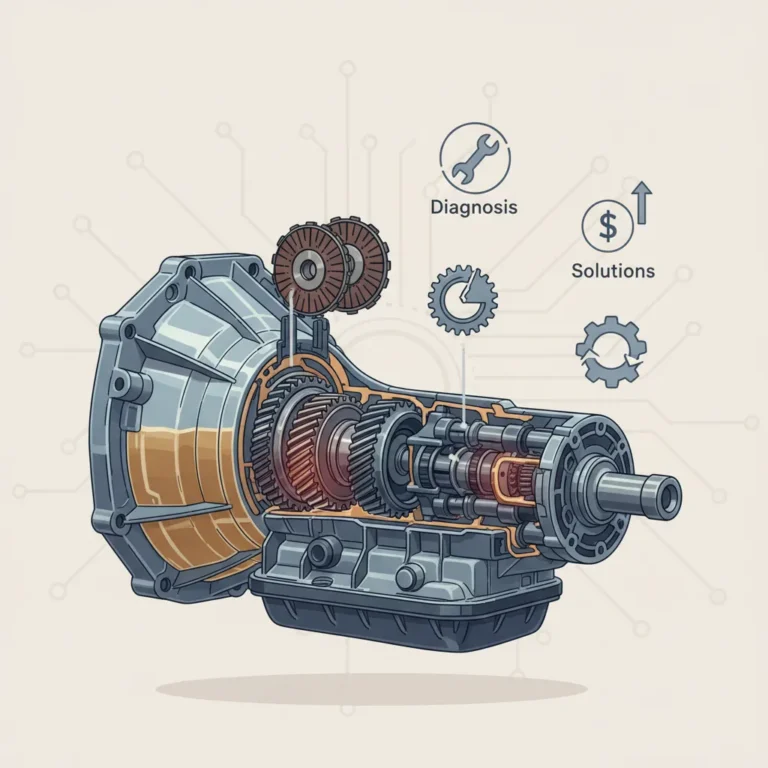
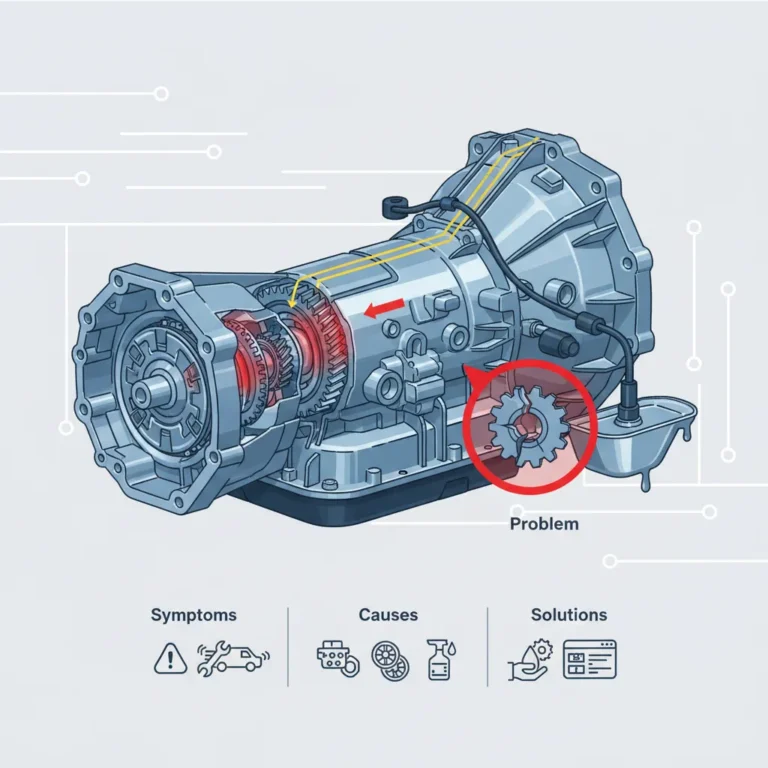
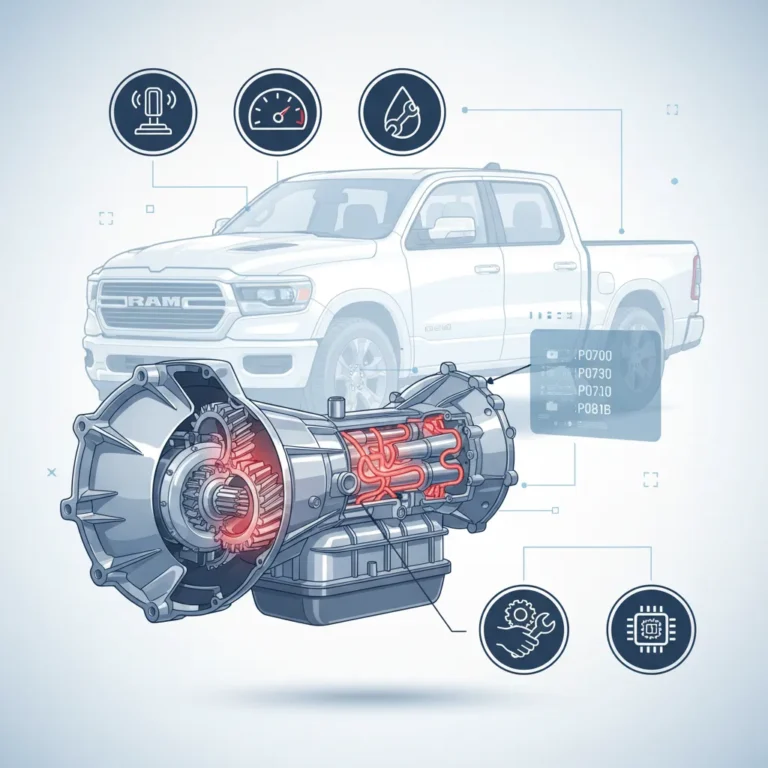
The ZF 8-speed transmission found in the 2016 Ram 1500 is generally regarded as one of the best in the industry, yet it is not without faults. Owners frequently report “harsh shifting,” specifically a noticeable “clunk” or violent downshift from 2nd to 1st gear when coming to a stop. This is often a software-related bug rather than a mechanical failure. To fix this, a dealership can perform a “Quick Learn” procedure using a scan tool to reset the adaptive shift parameters, allowing the Transmission Control Module (TCM) to recalibrate to your driving style.


Debunking the “Lifetime Fluid” Myth
One of the biggest pitfalls for owners is the manufacturer’s claim of “lifetime” transmission fluid. Professional technicians with years of experience recommend a fluid and filter change every 60,000 to 80,000 miles. Neglecting this maintenance can lead to transmission slipping or delayed engagement as the specialized Mopar 8-speed fluid breaks down. Be aware that the transmission pan has an integrated filter, meaning the entire pan must be replaced during service. For more details on parts, visit the official guide for maintenance intervals.
✅ Pros of ZF 8-Speed
- Exceptional towing performance
- Smooth gear transitions (when updated)
- Improved fuel economy over older 6-speeds
❌ Cons of ZF 8-Speed
- Extremely expensive fluid ($30+/quart)
- Integrated pan/filter is costly to replace
- Sensitive to cooler line leaks
Furthermore, always inspect the transmission cooler lines for leaks. A slow leak can lead to low fluid levels, which causes internal clutch damage and slipping. If you catch a leak early, replacing the lines is a relatively simple repair; if ignored, you may face a full transmission rebuild or replacement costing upwards of $5,000.
NHTSA Recalls and Critical Safety Inspections
Safety should always be the priority when managing a used vehicle. The 2016 Ram 1500 has been subject to several significant recalls issued by the National Highway Traffic Safety Administration (NHTSA). One of the most common involves the tailgate latch failure; a component inside the tailgate can break, causing the tailgate to drop open unexpectedly while driving. This is particularly dangerous if you are hauling cargo on the highway.
Cruise Control and Airbag Recalls
Another critical safety recall involves the cruise control system. A specific wiring short could prevent the cruise control from disengaging when the driver hits the brakes or the “off” button. This necessitates a mandatory software update at an authorized dealer. Additionally, some 2016 models were recalled for side curtain airbag issues and seat belt pretensioners. You can find more expert tips on safety by visiting the NHTSA website.
By The Numbers
Avg. Annual Repair Cost
Active NHTSA Recalls
Complaint: Engine Failure
Finally, many owners experience a persistent water leak coming from the Center High-Mount Stop Light (CHMSL) above the rear window. This isn’t just an annoyance; water dripping into the cabin can lead to mold, ruined carpets, and electrical shorts in the rear seat modules. Inspecting the seal and applying a bead of clear silicone is a quick DIY repair that can prevent thousands of dollars in interior damage. To ensure your truck is up to date, always enter your VIN at NHTSA.gov to check for outstanding safety campaigns.
In summary, the 2016 Ram 1500 is a capable and comfortable pickup, but it requires an owner who is proactive about maintenance. The 3.0L EcoDiesel and 4-corner air suspension represent the highest-risk components requiring diligent monitoring and a willingness to adopt permanent solutions like coil conversions. Electrical glitches are often centralized in the TIPM or Uconnect software, which may require resets or module replacements. Adhering to a strict maintenance schedule and addressing NHTSA recalls promptly can significantly mitigate the $662 average annual repair cost and keep your Ram on the road for years to come. Before attempting major repairs, enter your VIN at NHTSA.gov to see if your 2016 Ram 1500 is eligible for free dealership safety recalls.
Frequently Asked Questions
What are the most common problems with the 2016 Ram 1500?
The most frequent issues involve the 4-corner air suspension system failing in cold weather, the 3.0L EcoDiesel engine experiencing catastrophic bearing failure, and the Totally Integrated Power Module (TIPM) causing diverse electrical malfunctions. Additionally, many owners report ‘harsh shifting’ from the ZF 8-speed transmission and water leaks entering the cabin through the third brake light seal.


How do I troubleshoot air suspension problems on my 2016 Ram 1500?
Begin by checking the fuse for the air compressor in the engine bay power center. If the fuse is intact but the truck won’t lift, listen for the compressor running; a silent compressor often indicates motor failure. For trucks that sag overnight, use a soapy water solution to spray the air bags and lines to identify bubbles indicating a leak.
Why is my Uconnect system freezing or lagging?
Freezing is typically caused by outdated firmware or internal hardware failure within the head unit. First, attempt a soft reset by holding down the volume and tune buttons simultaneously for 10-20 seconds. If the problem persists, check the Uconnect website for a downloadable USB software update or inspect the screen for delamination (bubbles), which requires unit replacement.
What are the signs of a failing TIPM in a 2016 Ram 1500?
A failing TIPM (Totally Integrated Power Module) manifests as erratic electrical behavior: the fuel pump may continue to run after the engine is off, the horn might sound randomly, or power windows may fail to respond. Because the TIPM acts as the vehicle’s nervous system, simultaneous failure of unrelated components is the primary diagnostic red flag.
What can I do to prevent engine problems in my 2016 Ram 1500 EcoDiesel?
To preserve the 3.0L EcoDiesel, use only high-quality, manufacturer-approved synthetic oil and change it every 7,500 miles regardless of the oil life monitor. Ensure the EGR cooler recall is performed to prevent coolant leaks, and occasionally drive the truck at highway speeds for extended periods to allow the DPF to complete a full regeneration cycle.