2017 Ram 1500 Transmission Problems: Symptoms, Causes, And Repair Costs

While the 2017 Ram 1500 is widely praised for its class-leading ride quality and the robust power of its Hemi V8 or EcoDiesel engines, its sophisticated 8-speed transmission can occasionally become a source of significant frustration. Owners frequently encounter perplexing symptoms like “hard shifts,” “gear hunting,” or “slipping,” and are often met with conflicting advice from service centers claiming the unit is “sealed for life.” This guide draws on over 15 years of industry experience to help you troubleshoot the most common 2017 Ram 1500 transmission problems. We will explore the technical cause behind these failures and provide a clear, actionable path toward a solution with accurate cost expectations.


Identifying Common Symptoms of 2017 Ram 1500 Transmission Problems
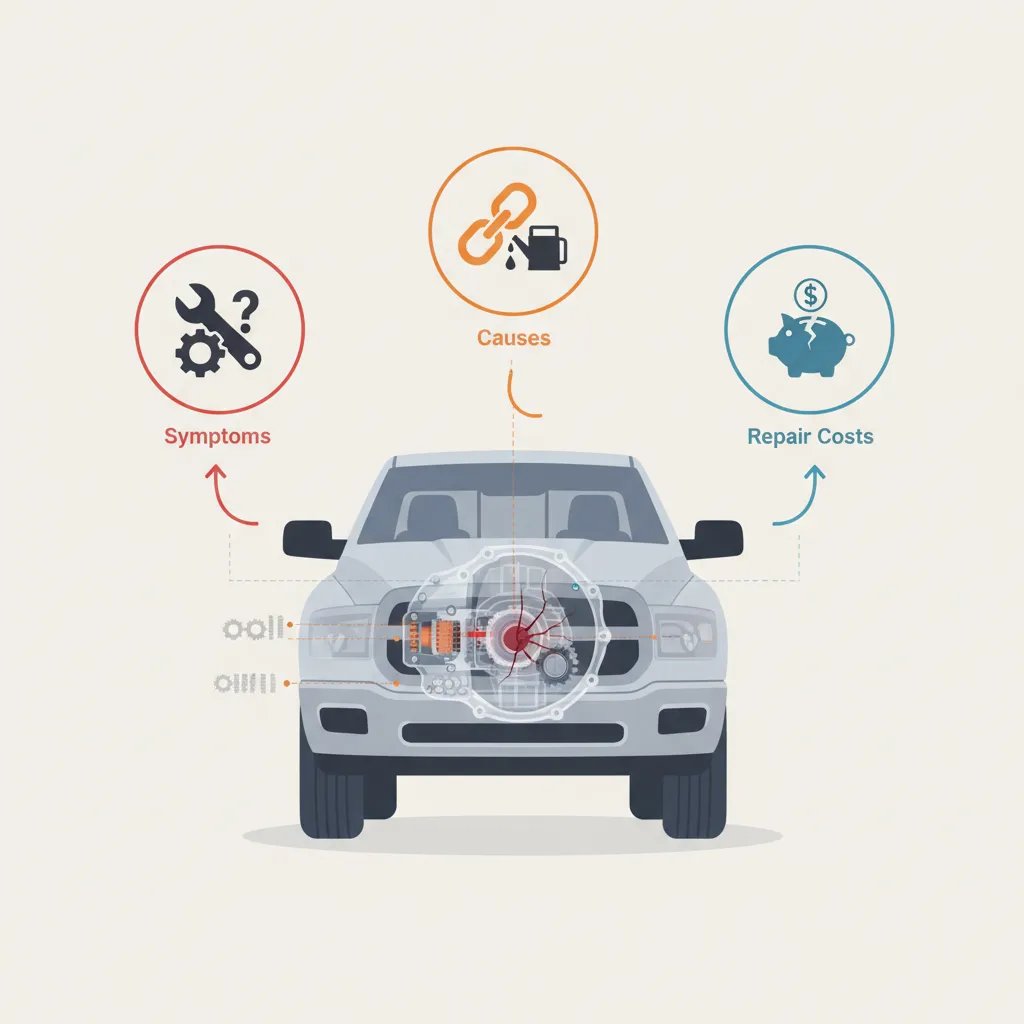
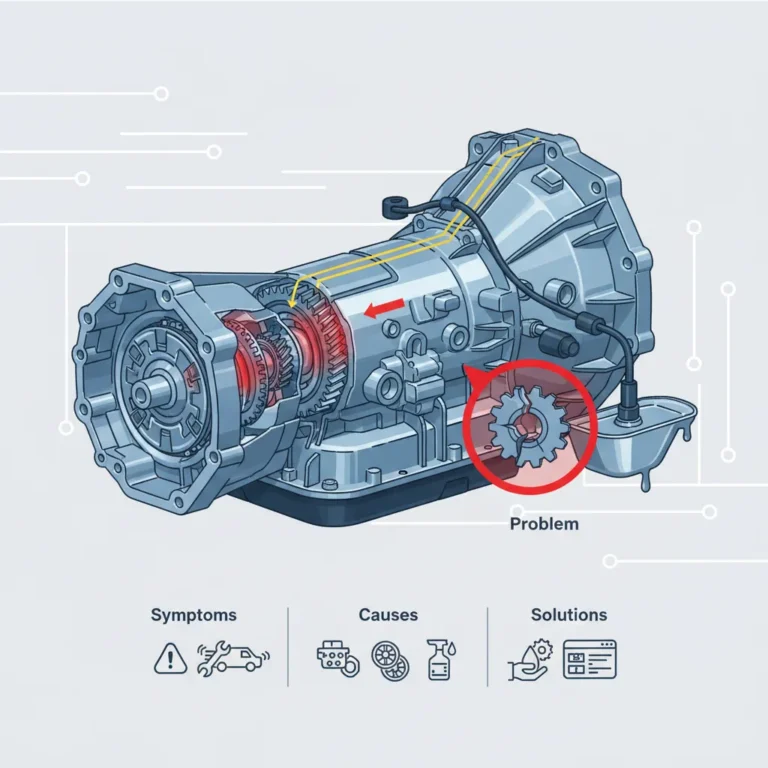
The 2017 Ram 1500 primarily utilizes the ZF-sourced 8HP70 8-speed automatic transmission. This unit is electronically controlled and exceptionally sensitive to fluid pressure fluctuations. Identifying symptoms early is the best way to resolve issues before they require a total rebuild. One of the most prevalent complaints involves rough or hesitant shifting. Owners often describe a “gear hunting” sensation where the transmission struggles to find the appropriate gear during steady speeds or experiences harsh downshifts. A common scenario involves a driver feeling a distinct “bang” or “thud” sensation when the vehicle downshifts from 2nd to 1st gear while approaching a stoplight.
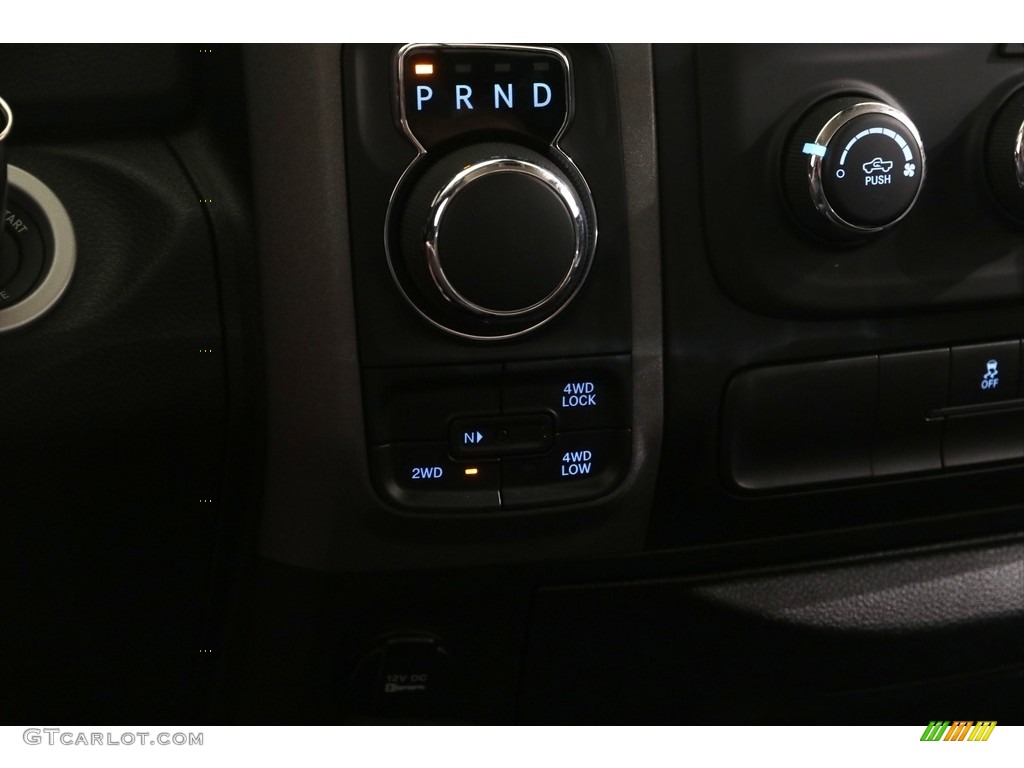
Slipping gears is another critical symptom. This manifests as the engine RPMs increasing significantly without a corresponding increase in vehicle speed. It often points toward internal pressure loss or worn clutch friction material. Similarly, delayed engagement—a 2 to 3-second pause when shifting from Park into Drive or Reverse—is a red flag commonly found in higher-mileage ZF units. This delay is typically a sign of internal seal wear or low fluid levels.
Audible indicators should never be ignored. Clunking, whining, or grinding noises during shift transitions are mechanical cries for help. Whining, in particular, often correlates with a failing torque converter or a clogged internal filter. Finally, when the Transmission Control Module (TCM) detects a serious deviation in performance, it may trigger the Check Engine Light or place the vehicle in “Limp Mode.” In this state, the transmission restricts the vehicle to a single gear (usually 3rd or 4th) to prevent further mechanical catastrophe while allowing you to limp to a official guide for service.
Root Causes: Why 2017 Ram 1500 Transmissions Fail
Understanding the cause of these failures is essential for any long-term repair. While Ram markets the 8HP70 as “sealed for life,” this is widely considered a marketing strategy rather than a mechanical reality by industry experts. Fluid contamination and thermal degradation are the leading causes of failure. Over time, the ZF Lifeguard 8 fluid breaks down, losing its viscosity and ability to manage heat. Once transmission fluid temperatures consistently exceed 220°F, the lifespan of internal seals and friction materials is drastically reduced.
Mechanical wear is often accelerated by heavy towing. While the 2017 Ram 1500 has a robust towing capacity of up to 10,640 lbs, frequent hauling near this limit generates immense heat. This heat causes the clutch packs to wear prematurely and can even warp the plastic integrated transmission pan. A leaking pan leads to low fluid levels, which in turn causes the very shifting issues owners fear.
Ignoring “hard shifts” can lead to catastrophic failure. The ZF 8-speed relies on precision fluid pressure; even a minor solenoid glitch can eventually burn out a clutch pack if left unaddressed.
Valve body and solenoid malfunctions also play a significant role. The valve body is the “brain” of the transmission, using hydraulic fluid to actuate shifts. Debris from normal wear can clog these small passages or cause solenoids to stick. Furthermore, software glitches within the TCM can lead to poor shift timing. In many cases, the hardware is fine, but the firmware requires an update to debug the shifting logic. Finally, failing torque converter clutches (TCC) can cause a distinct “shudder” at highway speeds, which feels like driving over rumble strips.
How to Diagnose and Troubleshoot Shifting Issues
To diagnose a transmission issue effectively, one must move beyond guesswork. A significant percentage of 2017 Ram 1500 transmission “failures” are actually traced back to a leaking plastic integrated pan/filter assembly or simple electronic errors. Follow this structured approach to troubleshoot your vehicle.



📋
Professional Diagnostic Steps
Perform a full system scan. Look for codes like P0731 (Gear 1 Incorrect Ratio) or P0700 (Transmission Control System Malfunction). These codes provide the digital footprint of the failure.
Since there is no dipstick, check the fill plug while the fluid is between 86°F and 122°F. Low fluid is a primary cause of delayed engagement.
Inspect the plastic transmission pan for warping and the output shaft seal for leaks. Also, check the electrical wiring harness for corrosion or loose pins.
If shifting problems persist after verifying fluid levels and clearing codes, a professional “Quick Learn” procedure may be the necessary workaround. This procedure resets the adaptive shift points in the TCM, allowing the computer to re-learn the optimal clutch engagement pressures. This is often successful in fixing minor “harsh shifts” that occur after a battery disconnect or fluid change.
Repair and Replacement Cost Analysis
The financial impact of transmission issues varies wildly depending on the severity of the damage. Minor repairs, such as a fluid and filter service using OEM Mopar/ZF fluid, typically range from $400 to $700. It is vital to use the correct Mopar 8 & 9 Speed ATF to avoid further damage. Intermediate repairs, such as replacing the valve body or individual solenoids, can range from $1,200 to $1,800 including labor.
![[2026 Upgraded] DooGooCoo Windshield Sun Shade for RAM 1500 2500 3500 2009-2017…](https://m.media-amazon.com/images/I/51wc2YRpoAL._SS500_.jpg)

By The Numbers
Upper Est. Replacement Cost
Critical Fluid Temp Limit
Number of Forward Gears
If the internal clutch packs are burnt or the gear train is physically damaged, a full replacement becomes the only viable solution. Research indicates that replacement costs for a 2017 Ram 1500 transmission typically fall between $4,026 and $4,299. This estimate includes the cost of a remanufactured unit and the 8 to 12 hours of labor required for the swap. Before committing to this expense, always check for any remaining powertrain warranty coverage or relevant Technical Service Bulletins (TSBs) at Ram specs that might cover the cost of a software flash or specific component replacement.
Preventative Maintenance: How to Resolve Problems Before They Start
The best way to repair a transmission is to prevent it from breaking in the first place. Despite the “lifetime” claims from the manufacturer, ZF—the actual producer of the 8HP70—recommends fluid changes every 62,000 miles (100,000 km) or 8 years. For truck owners who tow frequently or live in mountainous regions, I recommend a shorter interval of 50,000 miles.
Aluminum Pan Upgrade
Switching from the stock plastic pan to an aftermarket aluminum pan improves heat dissipation and allows for easier filter-only changes.
Warm-up Procedure
Allow the transmission fluid to reach at least 100°F before engaging in heavy acceleration to ensure proper lubrication of the gear train.
In my years of experience, I’ve seen owners achieve 200,000+ miles on these transmissions simply by ignoring the “sealed” label and performing regular fluid exchanges. Additionally, ensuring you are at a complete stop before shifting from Drive to Reverse (and vice versa) preserves the internal gear train. Finally, during every oil change, have your technician check for TCM software updates. These “flashes” often contain logic improvements that resolve shift quality issues that owners mistakenly attribute to mechanical failure.
Always use a high-quality OBD-II scanner capable of reading transmission fluid temperature. Checking the fluid level when it is too hot or too cold will result in an incorrect fill, leading to immediate shifting issues.
In summary, the ZF 8HP70 is a robust and sophisticated piece of engineering, but it is not invincible. By recognizing symptoms like rough shifting early, performing a digital diagnose of trouble codes, and adhering to a strict 60,000-mile maintenance schedule, you can avoid the $4,000+ replacement bill. If your Ram is currently experiencing erratic shifting, perform an OBD-II scan immediately or consult a specialist who understands ZF transmissions to resolve the issue before it leads to a complete mechanical breakdown.
Frequently Asked Questions
What type of transmission fluid does the 2017 Ram 1500 use?
The 2017 Ram 1500 with the 8-speed transmission requires Mopar 8&9 Speed ATF or the equivalent ZF Lifeguard 8 fluid. Using generic ATF+4 or multi-vehicle fluids not specifically rated for the ZF 8HP series can cause internal damage and improper friction coefficients, leading to immediate shifting issues.


How often should I change the transmission fluid in my 2017 Ram 1500?
While Ram officially suggests the fluid is ‘sealed for life,’ the transmission manufacturer (ZF) recommends changing the fluid and filter every 62,000 miles (100,000 km). If you frequently tow heavy loads or drive in extreme temperatures, reducing this interval to 50,000 miles is highly recommended for longevity.
What are the first symptoms of a failing transmission in this model?
Initial symptoms usually include a ‘thud’ when downshifting to first gear, a hesitation of 1-2 seconds when selecting Drive, or a shuddering sensation between 40-60 mph. These signs indicate that the fluid pressure is inconsistent or that the electronic solenoids are beginning to struggle with debris.
Is it possible to check the transmission fluid level myself?
The 8HP70 does not have a dipstick. To check the level, the vehicle must be level on a lift or jack stands, and the fill plug on the side of the transmission must be removed while the engine is running and the fluid is between 86°F and 122°F. It is a complex procedure for DIYers.
Can a software update really fix my shifting problems?
Yes, many shifting issues in the 2017 Ram 1500 are electronic rather than mechanical. Fiat Chrysler (FCA) frequently releases TCM updates to refine shift points and improve clutch application logic. A ‘Quick Learn’ procedure performed by a technician can often recalibrate the transmission and resolve harsh shifting.