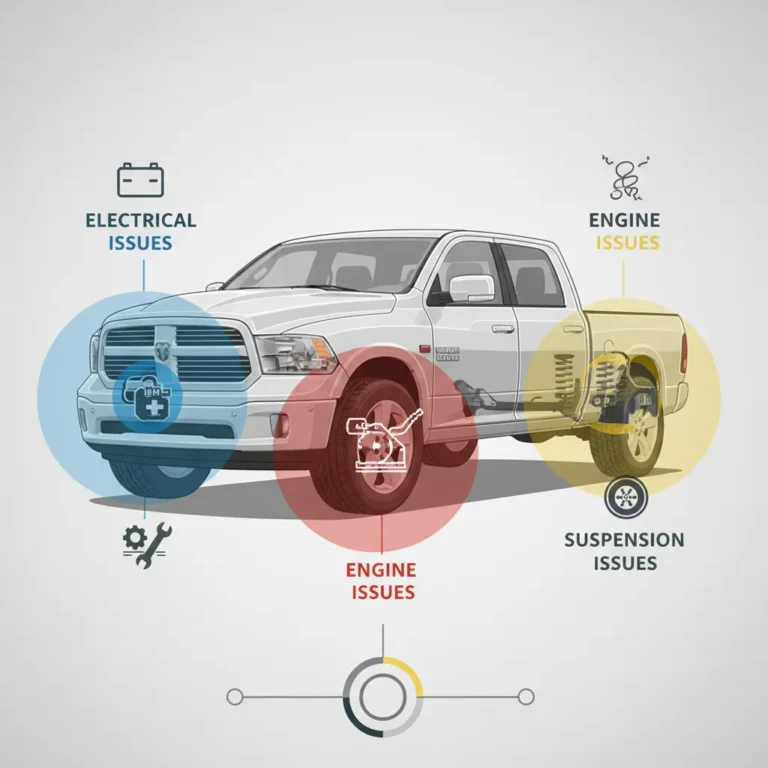
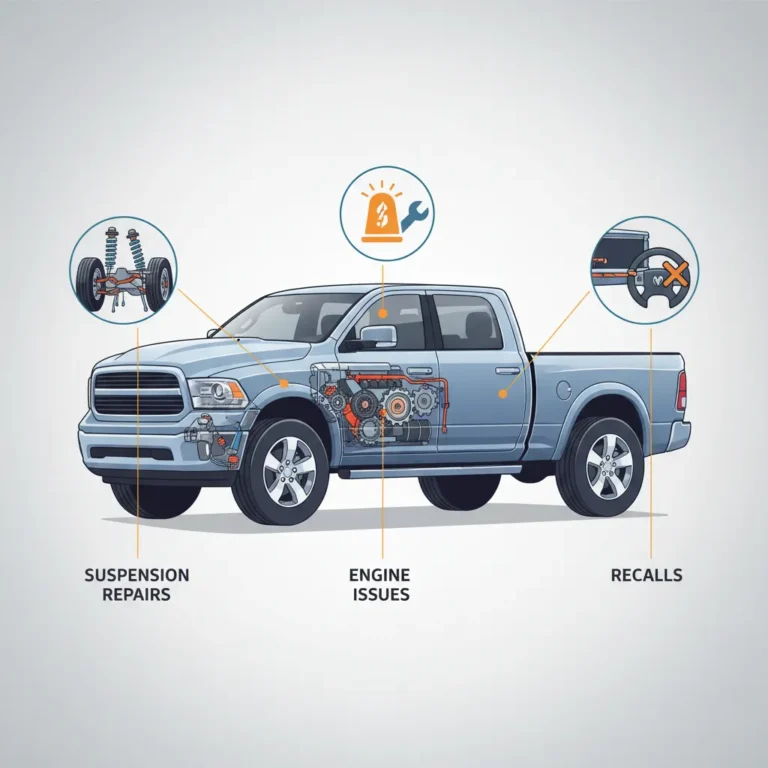
2018 Ram 2500 Diesel Problems: Troubleshooting And Repairing The 6.7L Cummins

The 2018 Ram 2500 equipped with the 6.7L Cummins turbodiesel remains a benchmark for heavy-duty performance, yet even this legendary powertrain faces distinct electronic and mechanical hurdles. For many owners, the experience of “limp mode,” “dead pedal” scenarios, or recurring emissions warnings can transform a reliable workhorse into a source of frustration and unexpected downtime. Understanding the specific 2018 Ram 2500 diesel problems is the first step toward maintaining the longevity of your investment. This comprehensive guide leverages fifteen years of diesel industry expertise to diagnose common failures and provide actionable repair strategies to resolve these issues permanently.


By The Numbers
RepairPal Reliability Rating
Avg. Annual Repair Cost
Non-Critical Sensor Visits
Common Emissions System Failures: Troubleshooting DPF and DEF Issues
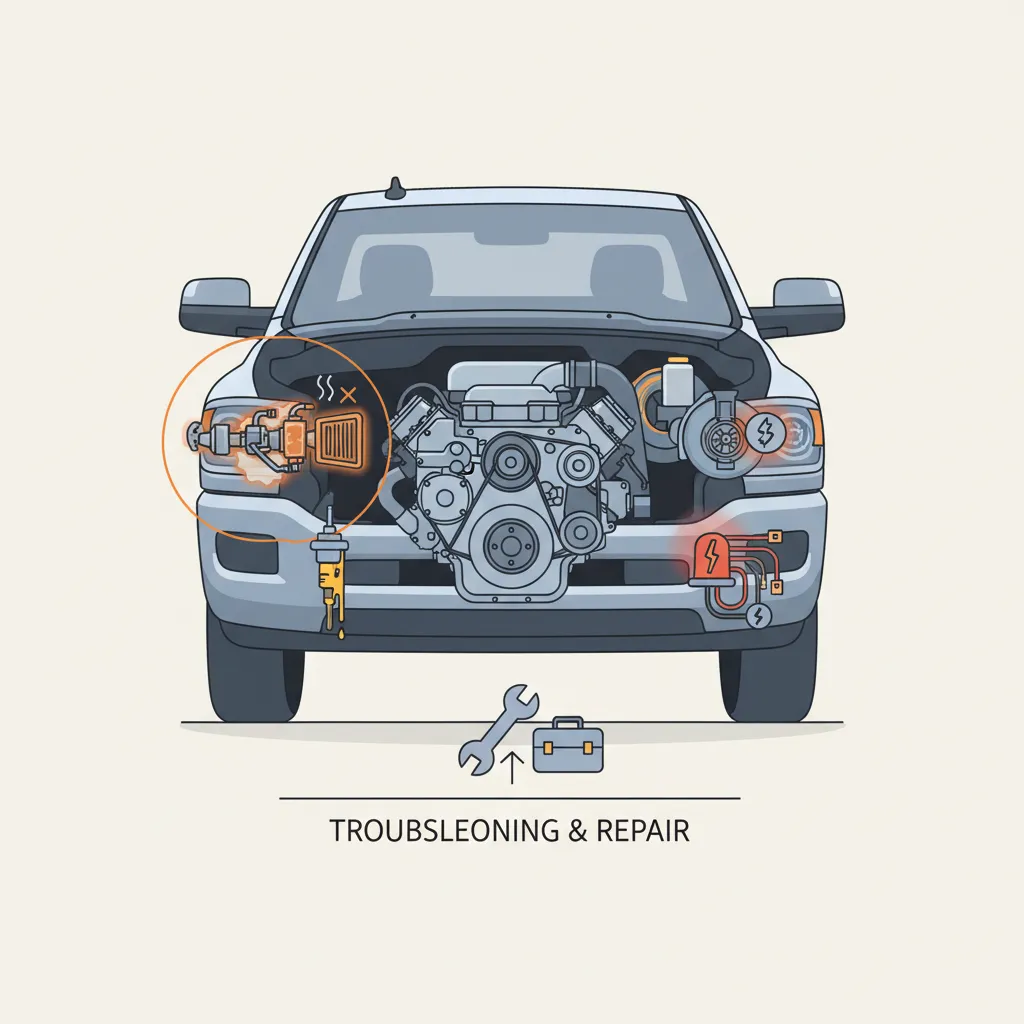
The 2018 Ram 2500 diesel utilizes a complex emissions suite designed to meet stringent EPA standards, but this complexity often results in the truck’s most frequent mechanical failures. The Diesel Particulate Filter (DPF) and Diesel Exhaust Fluid (DEF) systems are particularly susceptible to issues if the truck is not driven under specific duty cycles. Research indicates that a significant number of owners report DPF-related restrictions within the first 50,000 miles of service, primarily caused by short-trip driving and excessive idling.
DPF Clogging and Regeneration Failure
The DPF captures soot from the exhaust. To clean itself, the engine must perform an “active regeneration,” which requires high exhaust temperatures. Owners who primarily use their trucks for city driving or leave them idling for extended periods prevent the system from reaching these temperatures. This results in the “Exhaust Filter Full” message on the Electronic Vehicle Information Center (EVIC). If ignored, the truck will eventually trigger a “See Dealer” warning and enter a de-rated power state to prevent engine damage.
DEF System Vulnerabilities
The Selective Catalytic Reduction (SCR) system relies on DEF to neutralize NOx emissions. Common failure points include the DEF pump and the injector. Because DEF is essentially a urea solution, it can crystallize if it sits too long or is exposed to extreme temperatures. This crystallization blocks the injector, leading to SCR efficiency codes. In a worst-case scenario, a failed DEF heater or a bad NOx sensor can trigger a countdown on the dash, eventually limiting the truck’s speed to 5mph.
Avoid excessive idling, as this is the primary cause of DPF clogging. When possible, drive at highway speeds for at least 30 minutes weekly to allow the system to complete a full regeneration cycle. This simple habit can save thousands in filter replacement costs.

Electronic Throttle Control (ETC) and Limp Mode Diagnostic Steps
The “lightning bolt” icon on the dashboard is the universal sign of Electronic Throttle Control (ETC) failure in a 2018 Ram 2500. This system is a frequent culprit for the truck’s average reliability rating of 3.0/5.0. When the ETC system malfunctions, it often forces the truck into “limp mode,” a restricted power state that makes towing or highway merging nearly impossible.
Identifying ETC Symptoms
Symptoms often start with an erratic idle or a “dead pedal”—where the truck fails to respond to accelerator input for several seconds. This can be caused by a physical obstruction in the throttle body, such as carbon buildup, or more commonly, an electrical sensor malfunction. The Accelerator Pedal Position (APP) sensor and the throttle body sensor must send perfectly synchronized signals to the ECU; any discrepancy causes the computer to shut down power for safety.

📋
Diagnostic Troubleshooting for ETC


Use an OBD-II scanner to identify specific P-codes. P2121 or P2122 often point directly to the APP sensor or wiring harness friction points.
Perform a reset by turning the key to ‘Run’ (engine off), slowly depressing the pedal to the floor over 5 seconds, and slowly releasing it before turning the key off.
Fuel System Vulnerabilities: Lift Pump and Injector Performance
The fuel system on the 2018 model is generally robust, featuring the Bosch CP3 high-pressure pump, which many enthusiasts prefer over the later CP4. However, the system is not without flaws. Fuel system repairs are a major contributor to the $842 average annual repair cost for this truck. Troubleshoot these components early to avoid “engine-killing” debris from entering the high-pressure rails.
Lift Pump and Filtration
The factory lift pump, located in the fuel tank, can struggle under heavy towing loads or if fuel filters are neglected. A failing lift pump will cause the engine to stumble under load. Furthermore, the 6.7L Cummins is notoriously sensitive to water. Ignoring the “Water-In-Fuel” light is one of the most common pitfalls; even a small amount of moisture can destroy a set of injectors, manifesting as excessive white smoke or a distinct “knock” at idle. For detailed component lists, refer to the official guide for your specific VIN.
Aftermarket Upgrades
Installing an aftermarket fuel filtration system (like FASS or AirDog) can resolve common lift pump inadequacies and provide superior water separation.


Diagnose and Resolve Exhaust Temperature and Pressure Sensor Failures
Small sensors are responsible for over 40% of non-critical service visits for the 2018 Ram 2500. These sensors live in a harsh environment of extreme heat and vibration, leading to frequent failures. A faulty $50 sensor can prevent a DPF regeneration, leading to a $3,000 filter replacement if not addressed immediately.
EGT and MAP Sensors
The 6.7L Cummins uses multiple Exhaust Gas Temperature (EGT) sensors. If one fails, the ECU loses its ability to calculate the heat needed for soot oxidation. Similarly, the Manifold Absolute Pressure (MAP) sensor frequently becomes coated in oily soot from the EGR system. A dirty MAP sensor leads to poor fuel economy and significant turbo lag. Before replacing expensive parts, many technicians use electronic cleaner to debug whether the issue is simply carbon buildup on the sensor probe.
While tuners can increase power, they can exacerbate sensor failures or introduce new software glitches that confuse the factory ECU, potentially voiding warranties and complicating the diagnose process.
Preventative Maintenance: Strategies to Enhance Cummins Reliability
Adopting a proactive maintenance philosophy is the only way to ensure the 6.7L Cummins reaches its potential 300,000+ mile lifespan. For detailed maintenance schedules, consult the Ram specs provided by the engine manufacturer. The 2018 model requires more than just oil changes; it requires an understanding of how modern diesel chemistry works.
Maintenance Best Practices
- Oil Selection: Use high-quality synthetic 5W-40 in cold climates to ensure faster lubrication of the turbocharger bearings on startup.
- CCV Filter: The Crankcase Ventilation filter is a neglected 67,500-mile service item. If it clogs, it can cause oil leaks at the turbocharger.
- DEF Quality: Always use fresh, high-quality DEF fluid. Avoid buying DEF that has been sitting in a warm garage for over six months, as the urea degrades.
- Fuel Additives: Regularly use an additive designed for lubricity. Modern ultra-low sulfur diesel (ULSD) lacks the lubrication necessary for long-term injector health.
In summary, the 2018 Ram 2500 diesel is a formidable machine, but its reliance on sophisticated emissions (DPF/DEF) and electronic controls (ETC) creates specific vulnerabilities. By avoiding excessive idling, using an OBD-II scanner to diagnose sensor issues early, and following expert tips for filtration, you can mitigate these common problems. If your truck displays a ‘Check Engine’ light or enters a derated state, act immediately to prevent minor sensor malfunctions from cascading into catastrophic fuel or emissions system failures. Keeping your Cummins on the road requires vigilance, but the reward is a powertrain that will outlast almost any other vehicle on the market.
Frequently Asked Questions
What are the common causes of the ‘Check Engine’ light on a 2018 Ram 2500 diesel?
The most frequent triggers are related to the emissions system, specifically the DPF pressure sensors or NOx sensors. Additionally, the Electronic Throttle Control (ETC) system often throws codes due to soot buildup on the throttle plate or sensor glitches. Using a dedicated OBD-II scanner can pinpoint whether the issue is a simple sensor replacement or a more complex mechanical failure.
How often should I replace the fuel filter on my 2018 Ram 2500 diesel?
For optimal performance, it is recommended to replace both the engine-mounted fuel filter and the rear frame-mounted fuel filter/water separator every 15,000 miles or 12 months, whichever comes first. However, if you frequently tow heavy loads or use low-quality fuel, shortening this interval to 10,000 miles can help protect your expensive fuel injectors and high-pressure pump.


What are the symptoms of a failing DEF system?
Primary symptoms include a ‘DEF System See Dealer’ message on the dash, a countdown to speed limitation (limp mode), and increased frequency of DPF regenerations. You may also notice white crystalline deposits around the DEF injector or a distinct ammonia smell from the exhaust, indicating that the urea is not being processed correctly by the Selective Catalytic Reduction (SCR) catalyst.
How can I prevent DPF clogging on my 2018 Ram 2500 diesel?
To prevent DPF clogging, avoid excessive idling and ensure the truck reaches operating temperature regularly. Taking the truck for a ‘highway blow-out’—driving at sustained speeds for 30 minutes—allows the system to complete a passive regeneration cycle. Additionally, ensure you use high-quality, fresh DEF and stay current on your CCV filter replacements to minimize oil carryover into the exhaust.
What is the typical lifespan of the 6.7L Cummins diesel engine in the 2018 Ram 2500?
When properly maintained, the 6.7L Cummins is known to last between 300,000 and 500,000 miles. While the peripheral components like the turbocharger, water pump, and emissions equipment may require service or replacement around the 150,000-mile mark, the internal bottom end of the engine is exceptionally durable and built for long-term commercial use.