2013 Ram 1500 Problems: Troubleshooting Electrical, Engine, And Suspension Issues

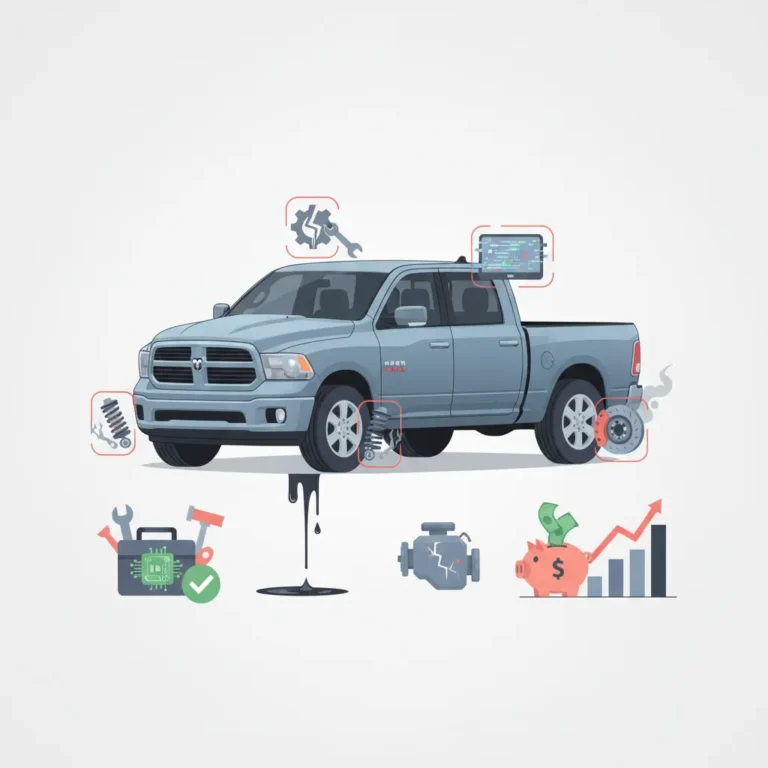
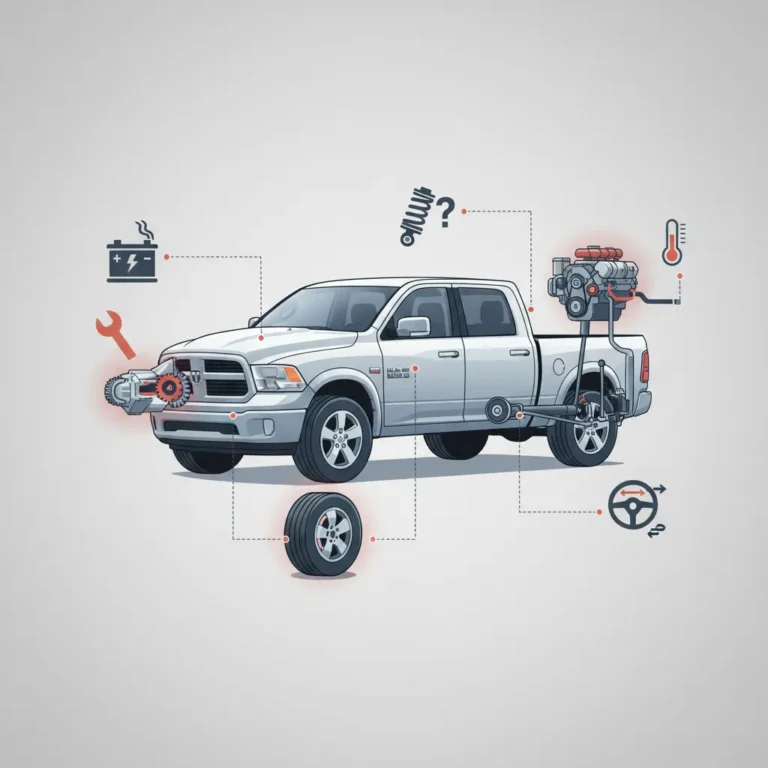
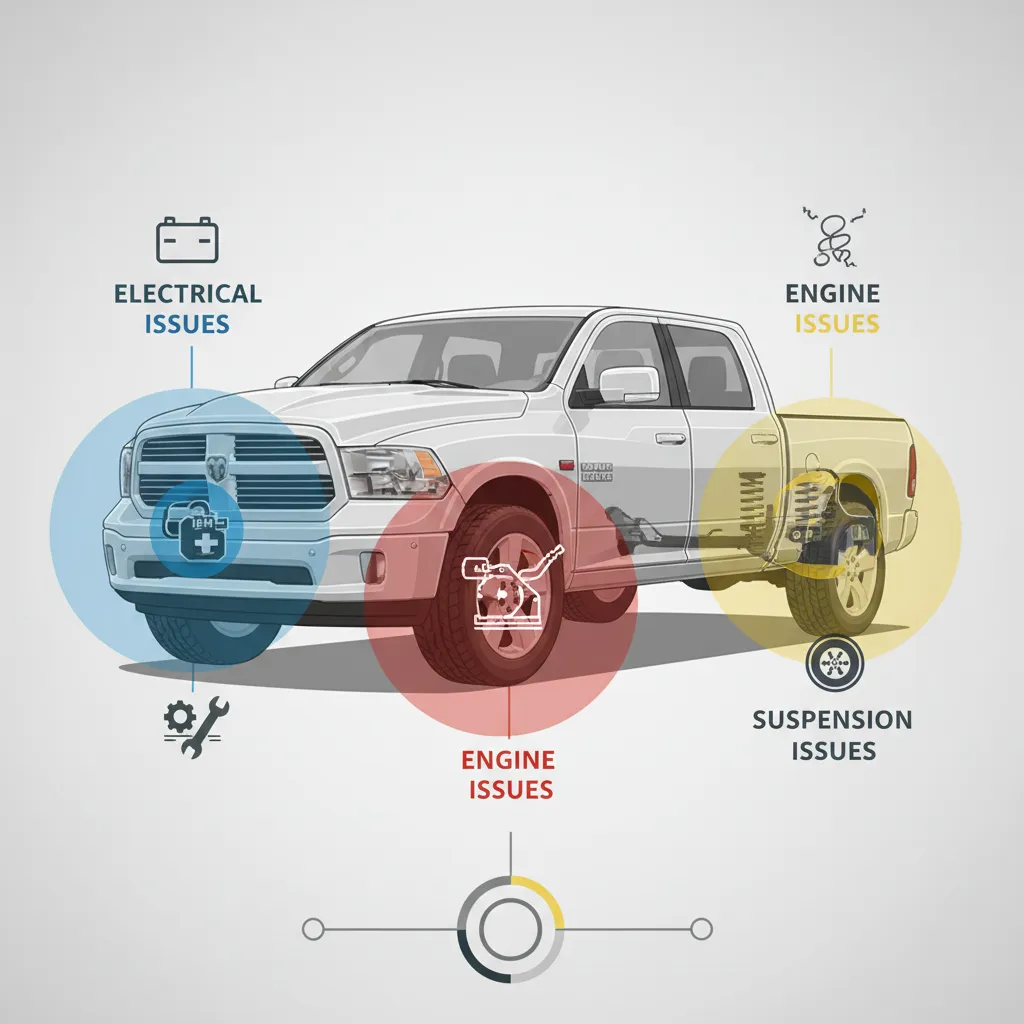
The 2013 Ram 1500 revolutionized the light-duty truck segment with its class-exclusive air suspension and refined interior, but a decade of service has revealed specific mechanical and electrical vulnerabilities. While it remains a popular choice on the used market due to its bold styling and the introduction of the eight-speed automatic transmission, long-term ownership has exposed several recurring pain points. Owners frequently encounter a range of issues from the notorious ‘Hemi tick’ and TIPM failures to temperamental air suspension systems that can be difficult to diagnose. In this guide, we will provide a technical breakdown of the most common 2013 Ram 1500 problems, offer professional troubleshooting steps, and review the critical recalls you need to address to ensure vehicle safety and longevity.


SECTION 1: Diagnosing Engine Ticking and Powertrain Malfunctions
The 5.7L Hemi V8 is the most frequent subject of ‘engine tick’ reports in the 2013 model year. For many owners, the first sign of trouble is a rhythmic tapping sound. However, not all ticks are created equal. It is vital to distinguish between normal fuel injector clicking and serious mechanical issues like lifter failure or worn camshaft lobes. A true lifter failure typically presents as a persistent metallic tapping that increases in frequency with engine RPM and does not dissipate as the engine reaches operating temperature.
The Exhaust Manifold Bolt Failure
A common cause of ticking that many mistake for internal engine damage is the failure of the exhaust manifold bolts. Due to the extreme thermal expansion and contraction cycles of the Hemi engine, the rear manifold bolts frequently snap off. This creates a small exhaust leak. Imagine a scenario where a driver hears a persistent metallic tapping that disappears once the engine warms up; this usually indicates that the manifold has expanded enough to temporarily seal the leak, pointing to a broken bolt rather than a lifter. Repairing this often requires manifold resurfacing or total bolt replacement.
Fuel Delivery and Transmission Performance
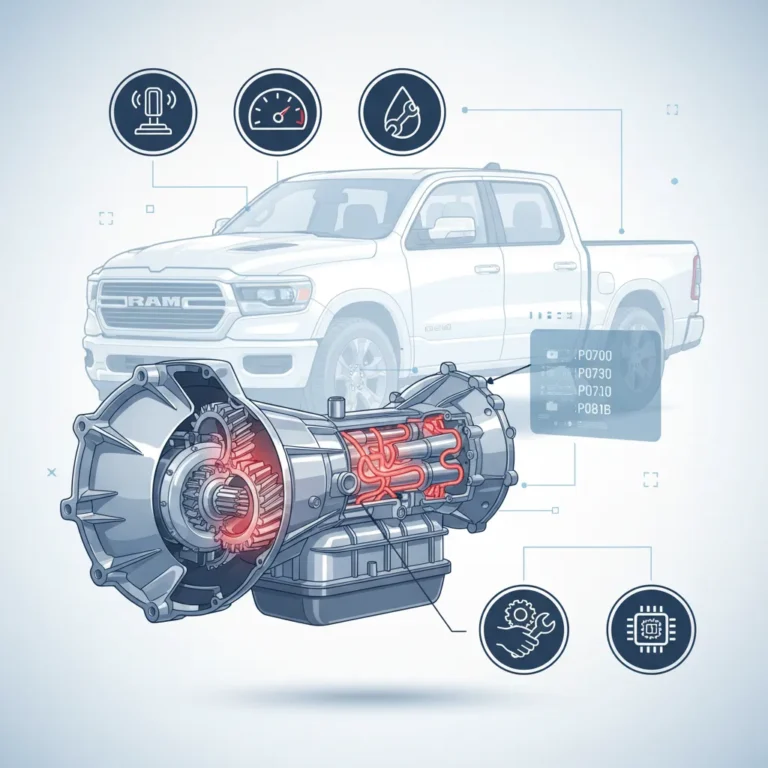
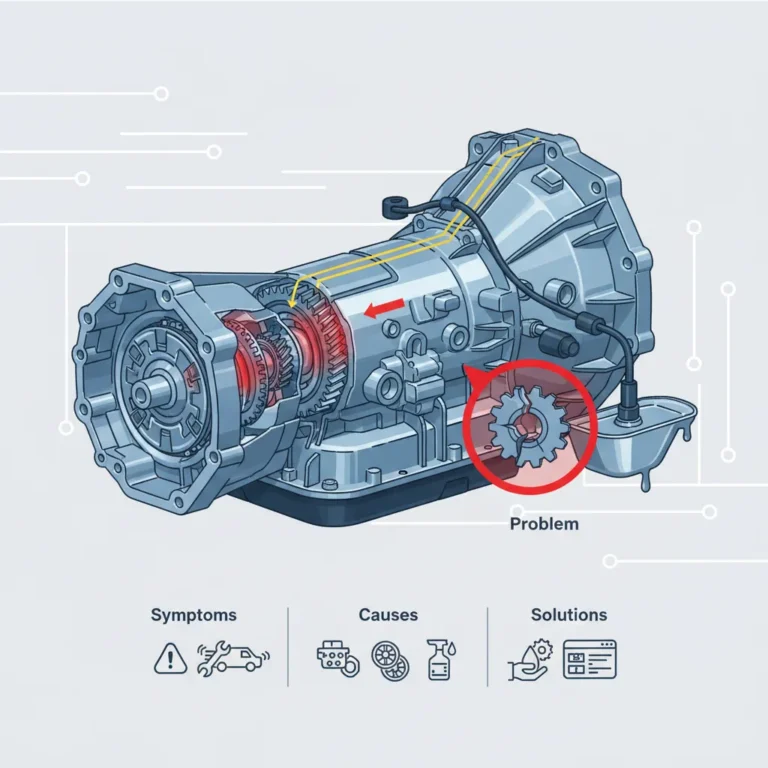
Fuel pump failure is another reported problem that can lead to vehicle stalling or long cranking times. If the vehicle hesitates under load or fails to start on the first attempt, the fuel delivery system is a primary suspect. Furthermore, the 2013 model was a transition year for the 8-speed Torqueflite transmission. While robust, some units suffer from software-related “gear hunting” or rough shifts between first and second gear. Often, a dealership software flash is the solution to resolve these erratic shifting patterns.
If you suspect a Hemi tick, use a mechanic’s stethoscope to isolate the sound. If the noise is loudest at the exhaust heat shield, it is likely a manifold bolt. If it is loudest through the valve cover, you may be facing a lifter or camshaft issue.
SECTION 2: Electrical System Glitches and TIPM Failure Solutions
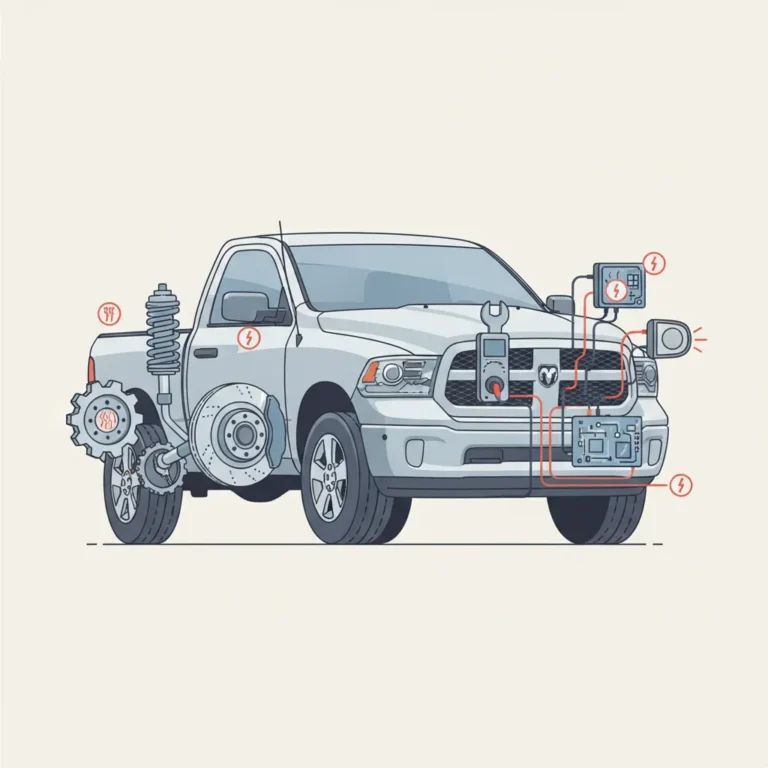
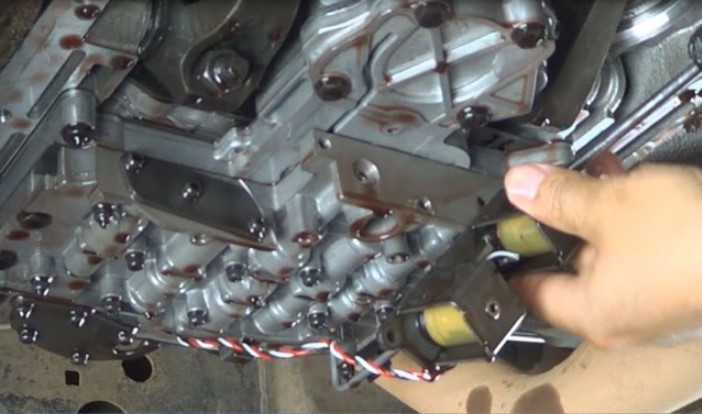
The Totally Integrated Power Module (TIPM) serves as the ‘brain’ of the truck’s electrical architecture, distributing power to everything from the fuel pump to the windshield wipers. Unfortunately, the TIPM has been a significant source of problems for 2013 Ram 1500 owners. When this module begins to fail, the truck may exhibit “haunted” behavior—horns honking spontaneously, wipers turning on by themselves, or the fuel pump remaining energized even after the ignition is turned off, leading to a dead battery.
Uconnect and Infotainment Stability
Issues with the Uconnect infotainment system are also prevalent, including screen freezing, GPS inaccuracies, and Bluetooth connectivity drops. While often dismissed as a minor nuisance, these glitches can debug the driving experience. Research indicates that many of these problems are software-based and can be rectified with a firmware update. However, persistent hardware failure in the head unit may require a full replacement. For more detailed community advice on these electronics, many owners seek expert tips from enthusiast forums.
Repair vs. Replacement for TIPM
When diagnosing a failing TIPM, owners must decide between a full module replacement and a bypass kit. A full replacement is the most thorough repair, but it can be expensive. Bypass kits are a popular workaround for the specific fuel pump relay failure within the TIPM, as they reroute power from another circuit. However, a bypass does not repair other failing circuits within the module, such as those controlling the headlights or airbags. According to data from Ram specs and reliability reports, electrical system issues contribute heavily to the truck’s maintenance profile.
By The Numbers
Average Annual Repair Cost
NHTSA Safety Recalls
Generation Year (2009-2018)

SECTION 3: Troubleshooting Air Suspension and Chassis Reliability
The 2013 model year was one of the first to feature the optional four-corner air suspension. While it provides an unparalleled ride quality and leveling capabilities, it has a higher frequency of ‘first-generation’ component failures. The most notorious issue involves cold weather operation. In sub-zero temperatures, moisture within the closed-loop nitrogen system can freeze. This leads to a frozen valve block, which prevents the truck from leveling and often causes it to ‘bottom out’ on its bump stops.


Identifying Leaks and Compressor Wear
If your Ram is sagging after sitting overnight, you likely have an air spring leak. A simple troubleshoot method is the ‘soapy water test’: spray a mixture of dish soap and water onto the rubber bellows and fittings. If bubbles form, you’ve found the leak. If the air compressor is running excessively or making a loud grinding noise, it is likely overworked due to a leak and is nearing the end of its lifespan. Ignoring a ‘Service Air Suspension’ warning can lead to total compressor burnout.
✅ Air Suspension Pros
- Superior ride comfort and vibration damping
- Automatic load leveling for towing/hauling
- Adjustable ride height for off-road clearance
- Aerodynamic ‘Aero Mode’ at highway speeds
❌ Air Suspension Cons
- High repair costs for compressor/valves
- Prone to freezing in cold climates
- Difficult for DIY diagnostic work
- Potential for total system failure
For owners tired of the complexity and expense, conversion kits are a viable solution. Switching to a traditional coil-over suspension system can eliminate future air system maintenance entirely, though it will sacrifice the automatic leveling and adjustable height features.
SECTION 4: NHTSA Recalls and Critical Safety Concerns
Safety is paramount, and the 2013 Ram 1500 has been subject to several significant recalls. It is essential for every owner to visit the official guide for recalls to check their specific VIN. One of the most critical recalls involves the rear axle pinion nut. In some units, the nut could loosen, potentially causing the rear wheels to lock up while driving—a catastrophic safety risk.
Never ignore steering-related recalls. Certain 2013 models were recalled for steering linkage and tie rod end fractures, which can lead to a complete loss of steering control. Ensure these components have been inspected and replaced by an authorized dealer.
Other notable recalls for the 2013 model include:
- Side Curtain Airbags: Software updates were required to prevent inadvertent deployment during certain driving maneuvers.
- Transmission Park Pawl: A recall was issued for vehicles that may roll away even when the gear selector is in ‘Park’ due to a defective engagement mechanism.
- Fire Extinguisher: For trucks equipped with a factory fire extinguisher, some were recalled because they could become clogged or fail to operate in an emergency.
SECTION 5: Buying a Used 2013 Ram 1500: Inspection Checklist
If you are in the market for a used 2013 Ram 1500, a rigorous inspection is your best defense against future headaches. Properly maintained units can easily exceed 200,000 miles, but neglected trucks often face major powertrain failure before the 120,000-mile mark. Before purchasing, follow this professional inspection protocol to diagnose potential issues before they become your responsibility.
📋
Pre-Purchase Inspection Steps


Listen specifically for a 2-3 second rattle upon cold start. This can indicate timing chain tensioner wear or a lack of oil pressure in the lifters. Also, check for the manifold bolt ‘tick’ mentioned earlier.
Use an OBD-II scanner to find pending codes that haven’t triggered a Check Engine Light yet. This can reveal intermittent electrical issues or emissions failures.
Check for frame rust and body rot, specifically in the rocker panels and wheel wells common in salt-belt states. Verify the air suspension cycles through all height settings without error.
Finally, verify the service history. Regular oil changes are the single most important factor in preventing Hemi lifter issues. Ensure that all recall work, especially the pinion nut and steering linkage, has been documented as completed by a certified technician.
Most 2013 Ram 1500 issues stem from early-generation air suspension components and the TIPM electrical module. Engine ticking is often a manageable exhaust bolt issue but requires immediate inspection to rule out internal lifter damage. Staying current with NHTSA recalls is essential for maintaining the safety of the steering and airbag systems. Before performing any major repairs, use an OBD-II scanner to check for diagnostic trouble codes and visit the NHTSA website to confirm your VIN is clear of open recalls.
Frequently Asked Questions
What are the most common problems with the 2013 Ram 1500?
The most frequently reported issues include failures of the Totally Integrated Power Module (TIPM), which causes erratic electrical behavior, and the ‘Hemi tick’ caused by broken exhaust manifold bolts or lifter failure. Additionally, the air suspension system is prone to failing in cold climates, and the Uconnect infotainment system may experience software glitches or hardware freezing.


Is the 2013 Ram 1500 a reliable truck?
The 2013 Ram 1500 is considered moderately reliable. While it offers a comfortable ride and capable powertrains, it scores slightly lower than competitors due to higher-than-average electrical and suspension repair frequencies. However, with proactive maintenance—specifically frequent oil changes and cooling system service—many owners successfully take these trucks past the 200,000-mile mark.
How much does it cost to repair a 2013 Ram 1500 annually?
According to data from RepairPal, the average annual repair cost for a 2013 Ram 1500 is approximately $662. This is slightly higher than the average for the full-size truck segment. Costs can spike significantly if the air suspension compressor requires replacement or if the Hemi engine develops camshaft and lifter issues that necessitate a partial engine rebuild.
Are there any major recalls for the 2013 Ram 1500?
Yes, the 2013 model has several significant recalls. Key safety concerns include a loose rear axle pinion nut that could lock the drive wheels, fractured steering linkage components, and unintended side curtain airbag deployment. Owners should check their VIN on the NHTSA website to ensure that all safety-related recalls have been performed by an authorized dealer.
How can I fix the ‘Hemi tick’ in my 2013 Ram?
The solution depends on the source. If the tick is caused by broken exhaust manifold bolts, the solution involves removing the manifold, extracting the broken bolts, and installing new high-grade fasteners. If the tick is internal (lifter failure), it requires removing the cylinder heads and replacing the lifters and camshaft, which is a significantly more expensive and technical repair.