2007 Dodge Ram 1500 Cabin Air Filter Location And Installation Guide

Maintaining the air quality inside your 2007 Dodge Ram 1500 is essential for both passenger comfort and the longevity of your HVAC system. While many modern vehicles make this maintenance task straightforward, the third-generation Dodge Ram presents a unique challenge: many 2007 models were manufactured with the internal housing for a filter but without an easily accessible opening from the factory. This often leads to confusion among owners who struggle to find the 2007 Dodge Ram 1500 cabin air filter location. This comprehensive guide will provide the exact coordinates of the filter, offer a technical step-by-step replacement tutorial, and explain the necessary steps to retrofit an access door if your truck was not originally equipped with one.


Pinpointing the 2007 Dodge Ram 1500 Cabin Air Filter Location
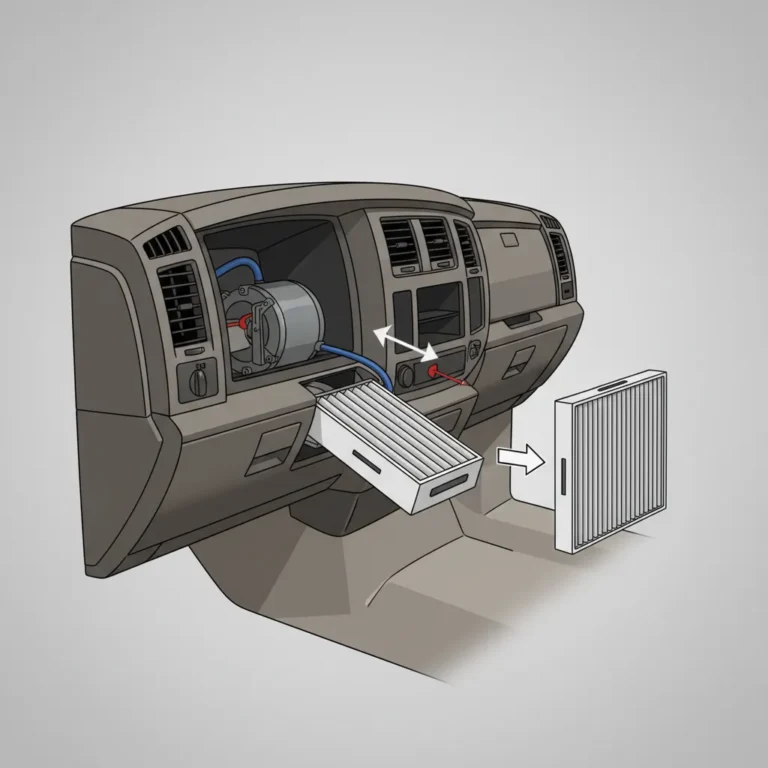
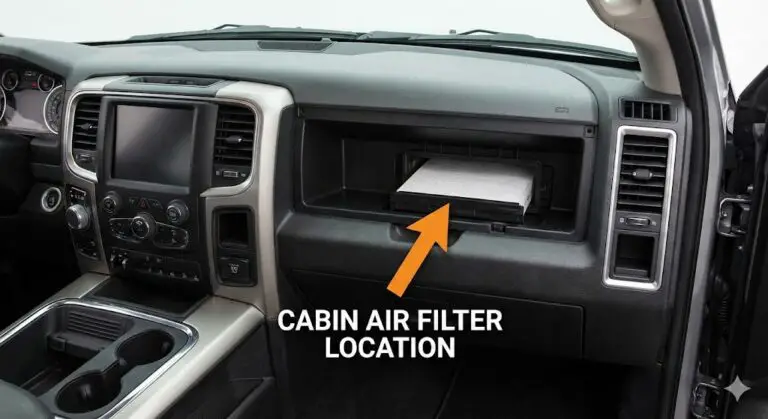
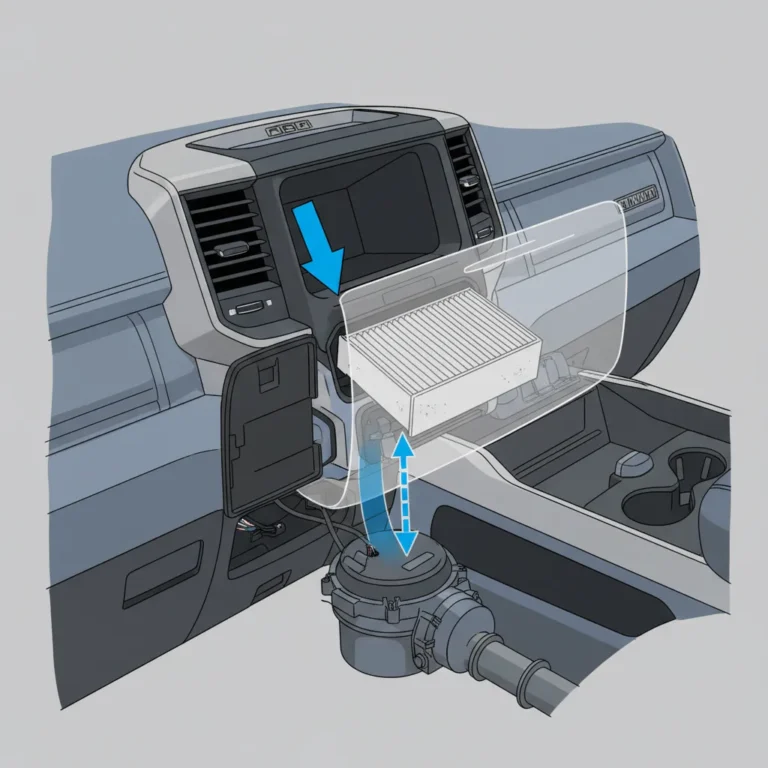
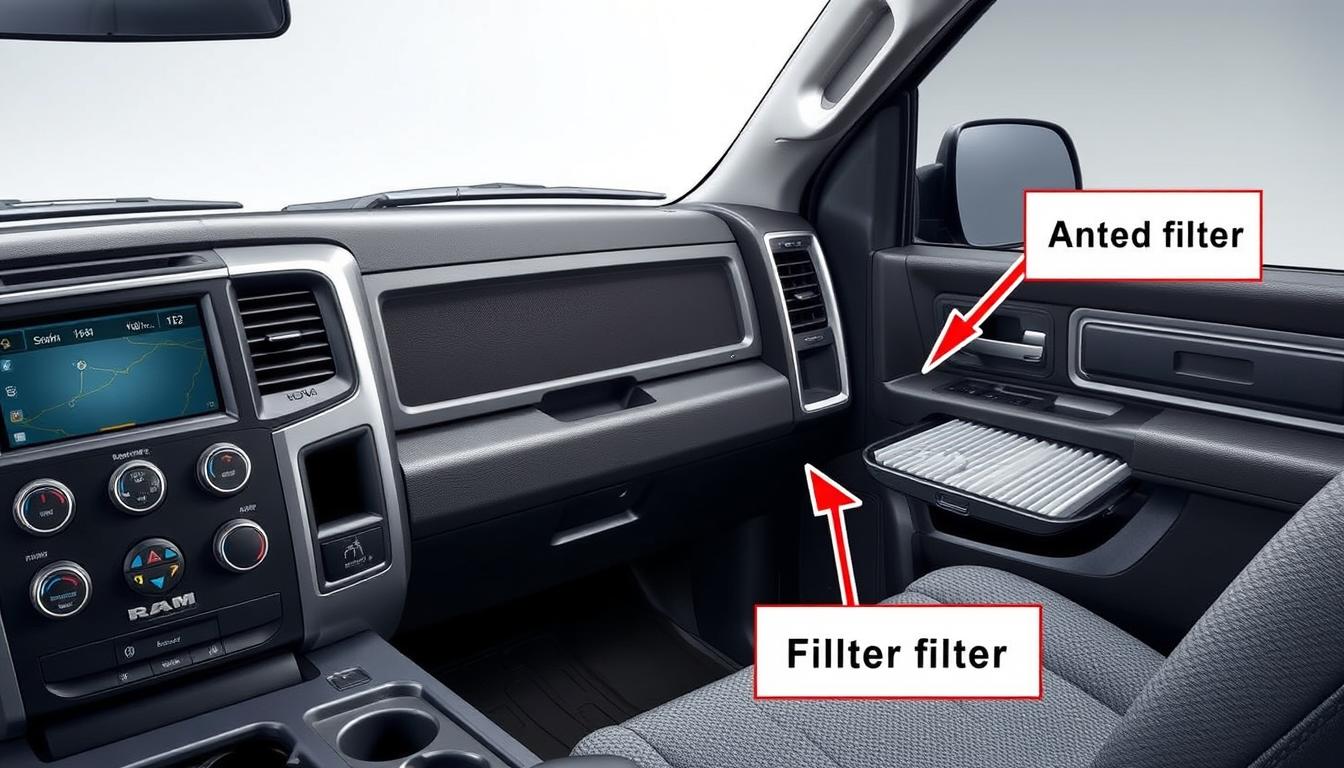
To locate the cabin air filter in a 2007 Dodge Ram 1500, you must focus your attention on the passenger-side dashboard. The filter housing is integrated into the HVAC plenum, situated directly behind the lower glove box compartment. Unlike engine air filters which are prominently displayed under the hood, the cabin variant is convenient once you understand the interior disassembly required to reach it. Regardless of whether you drive a Regular Cab, Quad Cab, or Mega Cab configuration, the dashboard substructure remains largely identical across these models.
Accessing the Housing and HVAC Plenum
Accessing the location begins with emptying the glove box and releasing the tensioner arm, usually located on the right side of the box. Once the arm is disconnected, you must gently squeeze the sides of the glove box door inward. This releases the integrated stops, allowing the door to drop fully toward the floorboard. Looking into the cavity, you will see a large black plastic assembly; this is the blower motor and HVAC plenum. The cabin air filter resides in a rectangular recessed area near the top of this assembly.
Research indicates that the cabin air filter is responsible for filtering 100% of the air entering the HVAC system before it reaches the evaporator core. In the 2007 Ram, this filter is positioned horizontally or slightly tilted depending on the specific interior trim. A common sign that the filter needs attention—or that the door is not sealed—is a high-pitched ‘whistling’ sound coming from the passenger footwell during high blower speeds. This indicates bypass air escaping the pressurized housing.
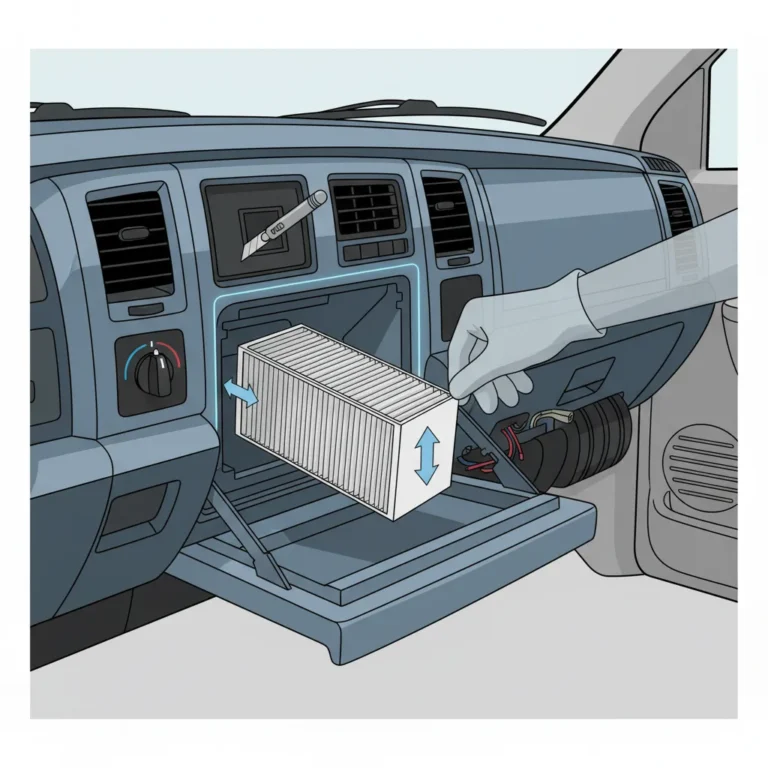
Many 2007 Rams left the factory with a “blocked” filter slot. If you see a solid plastic rectangle where the door should be, your truck has the housing but no opening. You can easily cut this plastic out with a utility knife to “unlock” the cabin air filtration feature.

Step-by-Step Replacement Procedures and Required Toolset
Replacing the cabin air filter is a relatively simple DIY task that requires minimal tools. However, precision is necessary to ensure the new filter is seated correctly to prevent debris from reaching the blower motor squirrel cage. While not strictly required, some expert tips suggest disconnecting the negative battery cable as a general safety practice when working near dashboard electronics.
📋
Installation Guide
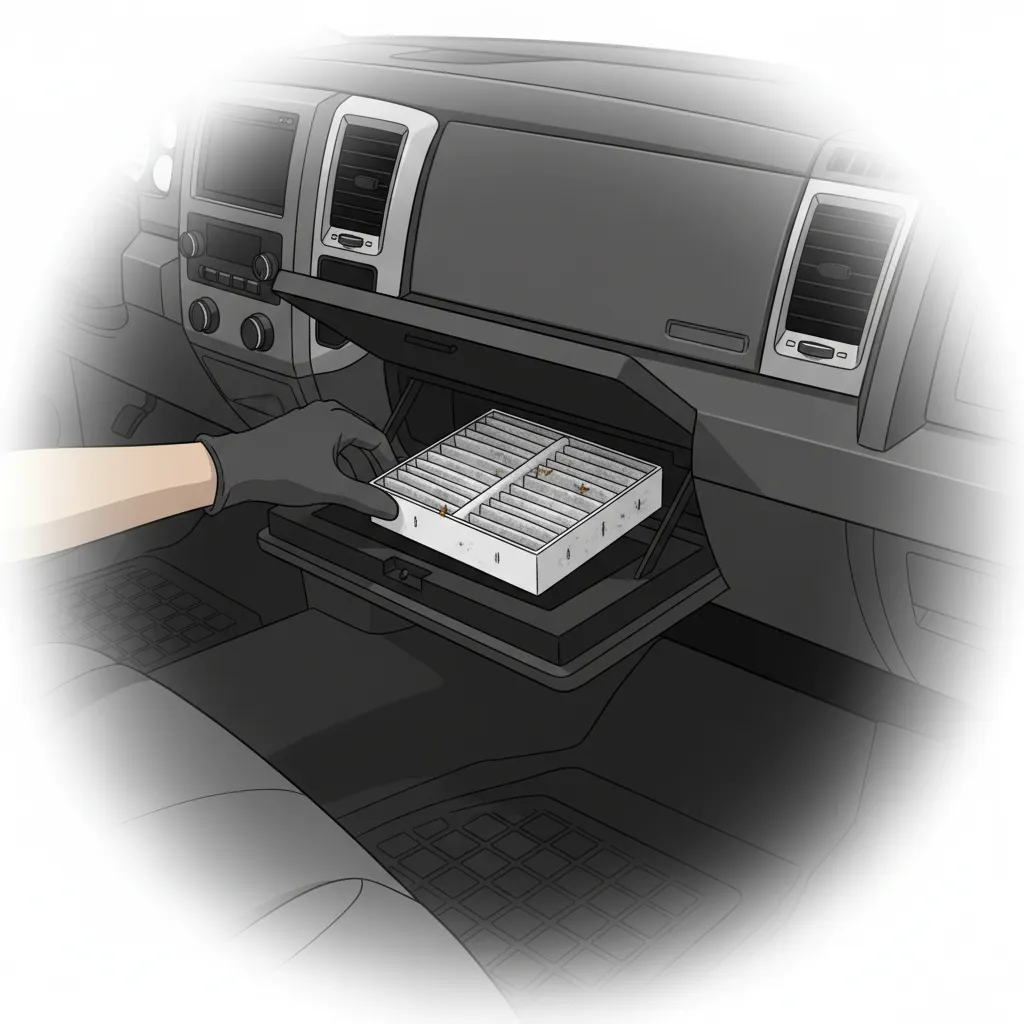
Open the passenger door and empty the glove box. Disconnect the dampener arm and depress the side tabs to let the glove box hang down. This makes the HVAC housing accessible for the following steps.
If your Ram is a “no-filter” model, use a sharp utility knife to carefully cut along the recessed rectangular line on the plastic housing. Once removed, you will see the slot where the filter element slides in.

Remove the old filter (if present) or any plastic shavings. It is highly recommended to use a shop vac to clean the interior of the housing to prevent immediate contamination of the new filter.
Slide the new filter into the slot. Important: Ensure the ‘Air Flow’ arrow on the filter points downward toward the blower motor. Snap the aftermarket or OEM cover door into place.
Tools and Logistics
Tools typically include a small flathead screwdriver or a T20 Torx bit for securing the filter door clips, and a pair of pliers for the tensioner arm. Performing this replacement personally is a savvy move; industry data suggests that DIY replacement can save between $40 and $70 in dealership labor costs. If you need specific part numbers or community advice, consulting a Ram forum advice thread can provide real-world insights into which tools work best for your specific trim.
Selecting the Correct Filter Type Available Nearby
Choosing the right filter depends largely on the environment in which you drive. For those living in a community with heavy traffic or industrial activity, a standard paper filter might not be sufficient. Modern aftermarket filters are available in several grades, each designed to tackle specific air quality issues. For instance, a driver in a high-traffic urban area might choose a carbon-activated filter to block diesel exhaust fumes and other volatile organic compounds (VOCs) that seep into the cabin during a daily commute.
When searching for parts at a retailer serving your local area, look for trusted local brands like Wix (Part #24578) or Purolator (Part #C25870). If your truck requires a retrofit kit because it lacks the factory door, look for the Mopar or Dorman access door kits. These kits typically include both the filter and the snap-on plastic lid required to seal the plenum after you have cut the access slot. For detailed technical Ram specs, online retailers provide comprehensive compatibility charts to ensure the dimensions match your HVAC housing perfectly.
Air Purification
High-quality filters remove allergens and mold spores, providing a healthier environment for passengers with respiratory sensitivities.
HVAC Protection
By capturing dust before it reaches the evaporator core, you prevent the buildup of “sludge” that leads to costly HVAC repairs.


Maintenance Intervals and Diagnostic Signs of Filter Failure
The standard recommendation for replacing the 2007 Dodge Ram 1500 cabin air filter is every 12,000 to 15,000 miles or annually, whichever comes first. However, these intervals are not set in stone. If your vehicle is frequently used in off-road, construction, or dusty rural locations, you may need to check the filter every six months. A filter used for 20,000 miles in a construction zone will be saturated with silica and organic matter, appearing dark grey or black compared to the pristine white of a new element.
By The Numbers
Recommended Mile Interval
Average Filter Cost
HVAC Efficiency Loss
Symptoms of a Clogged Filter
Recognizing the signs of filter failure can prevent secondary damage to your truck. A severely clogged filter can reduce HVAC efficiency by up to 30%, increasing the time required to defrost the windshield in winter or cool the cabin in summer. Other diagnostic signs include:
- Reduced Airflow: Even at the highest fan setting, the air coming from the vents feels weak.
- Lingering Odors: A musty or stale smell that persists regardless of whether you use the A/C or heater.
- Increased Window Fogging: Moisture trapped in a dirty filter can lead to persistent fogging on the interior glass.
- Blower Motor Strain: A restricted filter forces the blower motor to work harder, which can blow the blower motor resistor—a frequent failure point on 2007 Dodge Rams.
When removing a heavily soiled filter, leaves and twigs can fall into the blower motor fan below. Always inspect the fan blades for debris after removal; failure to do so can cause loud vibrations or mechanical damage to the blower motor.
Visual inspection remains the most reliable guide. If you pull the filter and can no longer see light through the pleats when holding it up to the sun, the media is fully saturated and requires immediate disposal. For 2007 Dodge Ram owners, the small investment in a high-quality filter—and the ten minutes of labor required to install it—pays significant dividends in both air quality and the long-term health of the vehicle’s heating and cooling system.
Understanding the 2007 Dodge Ram 1500 cabin air filter location is the first step toward better vehicle maintenance. While the factory might have made the initial access difficult, the process of retrofitting or replacing the filter is a straightforward task for any truck owner. By following these professional steps and adhering to regular maintenance intervals, you ensure that every mile driven in your Ram is spent breathing clean, purified air.
The cabin air filter is located behind the glove box, though it may require a minor modification to access on some 2007 models. Regular replacement every 12,000 to 15,000 miles ensures optimal airflow and protects the blower motor from unnecessary strain. Choosing the right filter grade (Standard or Carbon) can significantly improve the cabin environment, especially in high-traffic or dusty regions. Check your glove box today and inspect your filter to ensure you are breathing clean air on your next drive; high-quality filters are available at most auto parts stores nearby.
Frequently Asked Questions
Does every 2007 Dodge Ram 1500 have a cabin air filter?
Technically, many 2007 Dodge Ram 1500s were built with the HVAC housing but without a pre-cut hole or access door for a filter. However, the ‘knock-out’ panel is present. Owners can easily cut this panel out with a utility knife and install a filter and a plastic cover kit (Mopar part #68052292AA) to gain the benefits of cabin air filtration.


What tools do I need to change the filter in my 2007 Ram?
To access the filter, you typically won’t need tools to drop the glove box. However, if you are performing a first-time retrofit, you will need a sharp utility knife to cut the plastic access panel. For models already equipped with a door, a small flathead screwdriver or a T20 Torx bit may be required to release the retention clips or screws on the cover.
Can a dirty cabin air filter cause my AC to smell like vinegar or mold?
Yes, cabin air filters trap moisture and organic debris like leaves and dust. Over time, this mixture can promote mold and bacterial growth, especially in humid climates. If you notice a sour or musty odor when you turn on your vents, it is a definitive sign that the filter has reached its service limit and needs an immediate replacement.
Will a new cabin air filter improve my heater’s performance?
Absolutely. A clogged filter acts as a physical barrier that restricts the volume of air the blower motor can push through the heater core. By replacing a dirty filter, you restore the system’s ability to circulate hot air, which helps the cabin reach a comfortable temperature faster and improves the efficiency of your windshield defroster during winter months.
Is it worth upgrading to an activated carbon filter?
If you frequently drive in heavy traffic, near industrial zones, or in areas with high livestock density, an activated carbon filter is worth the extra $5 to $10. Unlike standard paper filters that only trap dust, carbon-activated versions use a layer of charcoal to chemically trap gases and odors, providing a much more pleasant interior environment for the driver and passengers.