2019 Ram 1500 Cabin Air Filter Location And Maintenance Guide

For the 2019 Ram 1500 owner, maintaining peak HVAC performance and cabin air quality starts with a component often hidden from plain sight. Locating and replacing the cabin air filter in a 2019 Ram 1500 can be frustrating for those unfamiliar with its position behind the interior dash assembly, especially since older truck designs often omitted this feature entirely. This authoritative guide will pinpoint the exact 2019 Ram 1500 cabin air filter location and provide a detailed walkthrough for a successful replacement. By the end of this article, you will have the expert knowledge required to ensure your vehicle’s air remains clean and your HVAC system runs with maximum efficiency, protecting both your health and your truck’s longevity.


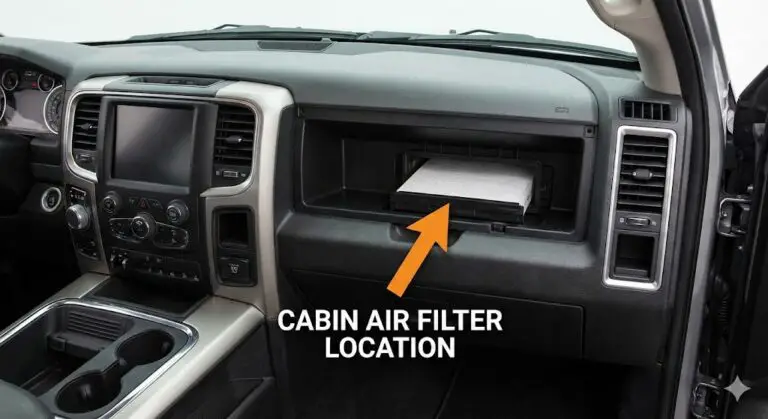
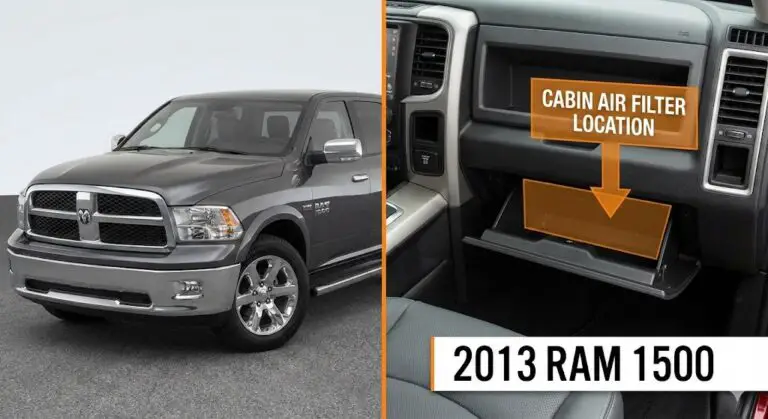
Section 1: Pinpointing the 2019 Ram 1500 Cabin Air Filter Location Behind the Glove Box
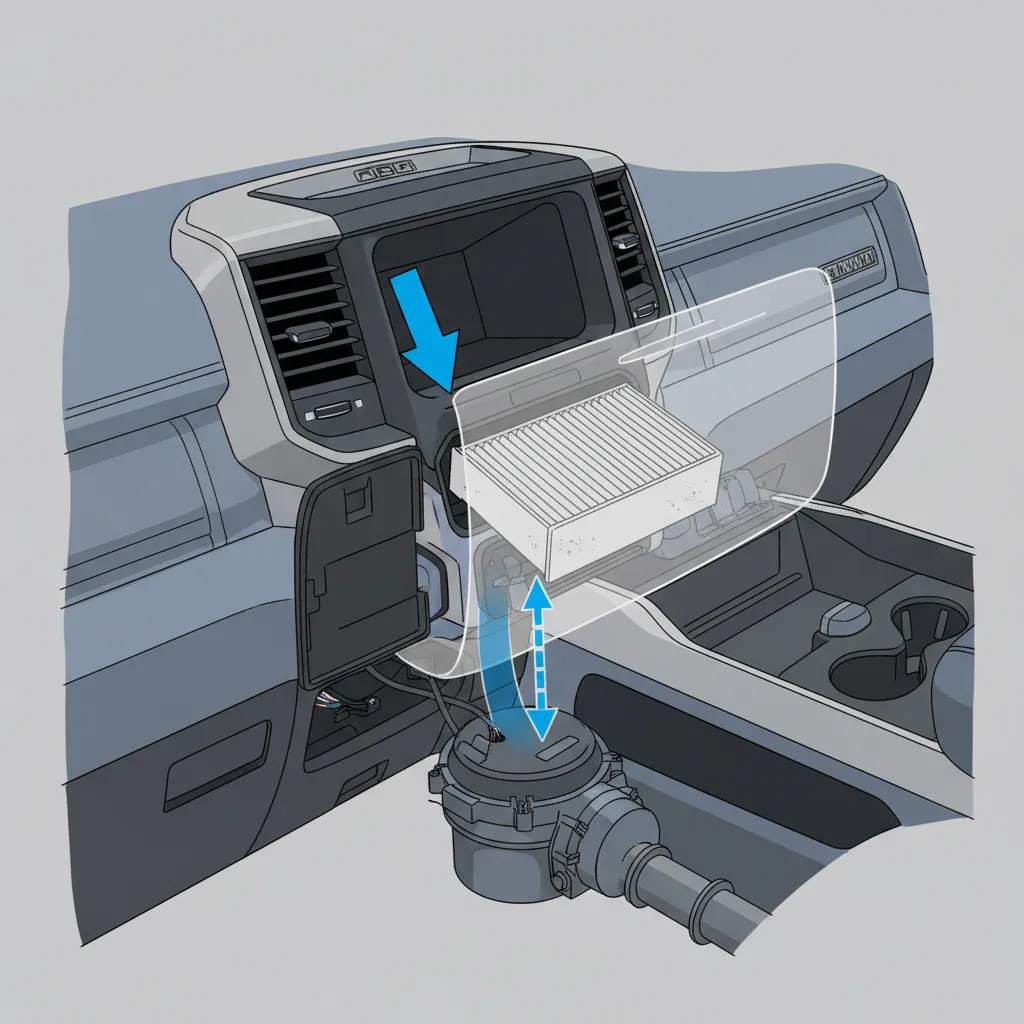
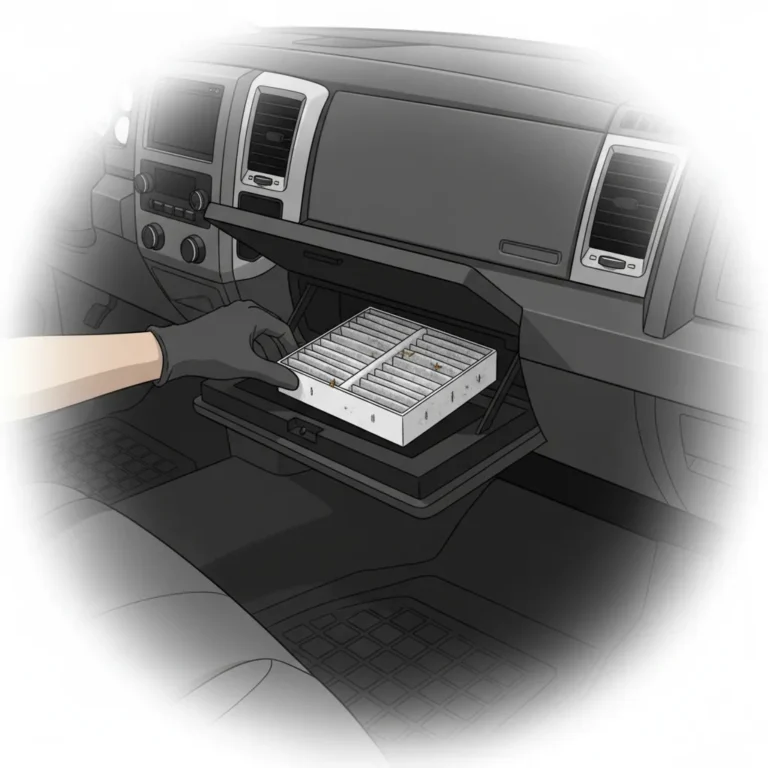
In the automotive world, the “new” 2019 Ram 1500 (the DT platform) marked a significant shift in interior refinement. One of the most critical, yet overlooked, updates was the standardization of a high-capacity cabin air filter across all trim levels, from the workhorse Tradesman to the opulent Limited. To find the location of this filter, you must look toward the passenger side of the cabin. Specifically, the filter is housed within the HVAC plenum, tucked securely behind the lower glove box compartment.
Unlike some vehicles where a simple panel under the dashboard provides access, the Ram 1500 utilizes a more integrated design. The filter is contained within a rectangular plastic housing, sealed by a snap-on access door. Because this housing is situated high up and deep behind the dashboard structure, it remains completely hidden during normal vehicle operation. You cannot see the filter by merely opening the glove box; rather, the entire glove box assembly must be lowered or removed from its hinges to reveal the air intake area. This “hidden” nature often leads owners to forget the filter exists until a musty smell or reduced defrosting capability becomes accessible to their senses.
It is vital for owners to distinguish between the 2019 Ram 1500 (New Body Style/DT) and the 2019 Ram 1500 Classic (DS model). While both may be sold as 2019 models, the DT platform features a refined interior where the cabin filter is a standard, easily serviced component. In contrast, older Classic models sometimes required a modification kit if they weren’t factory-equipped with a filter door. For the DT platform, the filter is always nearby the passenger’s knees, positioned to scrub the air before it reaches the blower motor.
If you notice a faint whistling sound or a persistent musty odor coming specifically from the passenger side dashboard when the A/C is on, it is a definitive sign that your filter is clogged or seated incorrectly in its housing.
Section 2: Step-by-Step Instructions for Accessing and Replacing Your Cabin Air Filter
Replacing the cabin air filter is a convenient task that requires no specialized tools. However, it does require a delicate touch to avoid damaging the plastic components of the dashboard. Following a specific sequence ensures that you don’t snap the tensioner cord or the door clips.
📋
Step-by-Step Guide
Empty the contents of the lower glove box. On the right-hand exterior side of the box, you will find a small “pigtail” or damper cord. Gently pull it toward the front of the truck and unhook it from the glove box frame. This cord controls the slow-drop motion; failing to unhook it can snap the internal spring mechanism.
Squeeze the two upper sides of the glove box inward. This will release the travel stops, allowing the glove box to hinge all the way down toward the floor mat. You may need to give the box a slight tug to pop it off its lower hinge pivots, though usually, letting it hang provides enough clearance.


Locate the rectangular plastic cover behind the glove box area. There is a tab on the left and right sides. Press these tabs inward to unclip the door. Pull the door straight out. Be careful not to force these; they are made of relatively thin plastic that can become brittle over time.
Slide the old filter out. Note the “Airflow Direction” arrow on the side of the old filter. Most 2019 Ram 1500s require the arrow to point DOWNWARD. Slide the new filter in, ensuring the pleats are not crushed. Snap the door back on, reattach the glove box, and hook the damper cord back into place.
Installing the filter upside down can lead to a 15% increase in blower motor noise and premature motor wear. The filter pleats are designed to catch debris in one direction; reversing this causes unnecessary air turbulence and restriction.
Section 3: Performance Benefits and Impact of the HVAC Filtration System
The cabin air filter is not just a comfort feature; it is a vital protective barrier for your vehicle’s complex HVAC system. By serving as the primary line of defense, the filter prevents road dust, pollen, and organic debris from entering the HVAC plenum. When this filter is neglected, that debris accumulates on the evaporator core. Moisture from the A/C system then mixes with this organic material, leading to “dirty sock syndrome”—a foul, moldy smell that is incredibly difficult and expensive to remediate once it takes hold.
Furthermore, a clean filter is essential for the mechanical health of the blower motor. A clogged filter acts as a physical wall, forcing the blower motor to draw more amperage to move the same volume of air. This extra strain can lead to premature failure of the blower motor resistor or the motor itself. Research indicates that maintaining a clean filtration path is one of the most effective ways to extend the life of your 2019 Ram 1500’s climate control system.
By The Numbers
Airflow Improvement with New Filter
Average Replacement Cost
Passenger health is the other side of the coin. For residents in your community, especially those dealing with seasonal allergies or urban smog, the cabin filter is a high-efficiency particulate air scrubber. It traps microscopic allergens before they can be circulated through the vents. This is particularly noticeable during winter months; a fresh filter allows for faster defrosting and defogging because it doesn’t restrict the dry, warm air needed to clear the windshield. In a 90-degree summer environment, a restricted filter can prevent the system from ever reaching the desired cabin temperature, leaving you in a hot, humid truck despite the A/C running at full blast.


Evaporator Protection
Prevents organic debris from nesting on the wet A/C evaporator, stopping mold growth.
Defrost Efficiency
Ensures maximum dry airflow hits the windshield for rapid clearing in cold weather.
Section 4: Choosing the Right Replacement Filter and Local Parts Availability
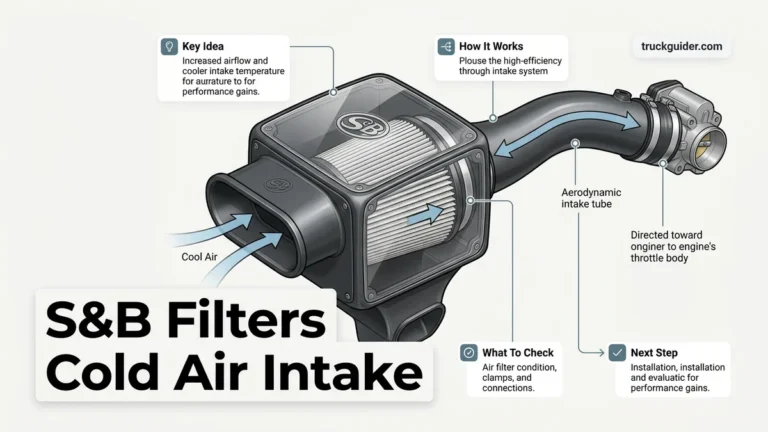
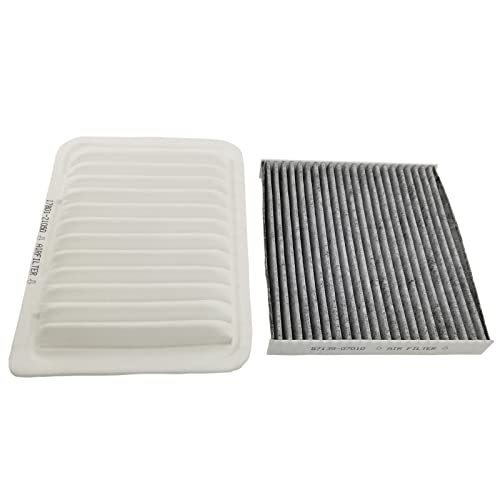
When it comes to purchasing a replacement, you have several available options ranging from basic paper filters to advanced multi-stage filtration units. The standard particulate filter is effective at stopping dust and larger pollen, but it does nothing for odors. If you frequently drive through industrial areas, heavy traffic, or near agricultural zones in your community, I highly recommend upgrading to an activated carbon filter.
Activated carbon filters contain a layer of treated charcoal that chemically bonds with odor-causing molecules and gases like nitrogen dioxide. While a $12 basic filter might keep the dust off your dashboard, a $28 premium carbon filter will actively scrub exhaust fumes and “cow-country” smells before they reach your nose. For those with severe respiratory issues, HEPA-rated filters provide the highest level of filtration, capturing 99.97% of particles as small as 0.3 microns, which is essential during wildfire seasons or in high-smog urban centers.
To find the right part, you can check an online catalog for specific fitment. While many Mopar parts are the gold standard for factory fitment, high-quality aftermarket brands like Bosch, Fram (Fresh Breeze), and Purolator offer excellent alternatives. Always verify that the filter is designed for the “New Body Style” 2019 Ram, as the dimensions differ from the Classic model. Many trusted local retailers like AutoZone or O’Reilly’s stock these filters, making it easy to pick one up during a routine weekend errand.
✅ Pros of Upgrading
- Eliminates exhaust and outside odors
- Reduces cabin dust accumulation
- Better health protection for kids/seniors
- Minimal cost difference ($10-$15 extra)
❌ Cons of Neglect
- Reduced HVAC blower motor lifespan
- Foul “musty” smells in the vents
- Poor defrosting performance
- Increased fuel use (A/C works harder)
Section 5: Recommended Maintenance Schedule and Signs of a Failing Filter
For most 2019 Ram 1500 owners, a replacement interval of every 12,000 to 15,000 miles is the sweet spot. However, this is not a one-size-fits-all rule. Environmental factors play a massive role in how quickly a filter saturates. If you drive on unpaved roads, live in a heavily wooded area where leaf litter can enter the cowl, or park in a dusty construction zone, you may need to perform a replacement every 6,000 miles. Conversely, if your truck is a “garage queen” driven mostly in clean highway environments, you can stick to the annual schedule.
Early warning signs of a failing filter include:
- Decreased Airflow: Even on the “High” setting, the air feels weak.
- Increased Fan Noise: The blower motor sounds like it is struggling or whining.
- Persistent Odors: A smell of damp earth or old gym clothes when you first start the truck.
- Window Fogging: Difficulty keeping the interior glass clear on rainy days.
From my years in the industry, I suggest performing a nearby inspection during every second oil change. It only takes two minutes to drop the glove box and look at the filter media. A new filter will be bright white or light yellow (unless it’s carbon-loaded, which is grey). A saturated filter will look grey-black and may have visible debris like pine needles or dead insects trapped in the pleats. Staying ahead of this maintenance ensures your Ram’s interior remains a sanctuary from the outside world. You can find more enthusiast community tips on maintaining your specific trim level through owner forums.
Conclusion
The 2019 Ram 1500 cabin air filter is located directly behind the lower glove box, serving as a critical component for both HVAC health and passenger comfort. By replacing this filter every 12,000 to 15,000 miles, you can improve airflow by up to 30%, protect your blower motor, and ensure the air you breathe is free of allergens and odors. Whether you choose a standard filter or an upgraded activated carbon version, the process is a simple, tool-free DIY task that any owner can master. Check your cabin air filter today or visit a nearby auto parts retailer to secure a replacement and maintain your Ram’s superior interior air quality.


Frequently Asked Questions
How often should I replace the cabin air filter in my 2019 Ram 1500?
For the 2019 Ram 1500, automotive experts recommend replacing the cabin air filter every 12,000 to 15,000 miles. However, if you frequently drive in dusty environments or heavy city traffic in your community, you should inspect it every 6,000 miles. Annual replacement is a professional standard to ensure your HVAC system maintains peak efficiency and keeps interior air free of allergens.
What type of cabin air filter should I use for my Ram 1500?
You generally have three options available: standard particulate filters, activated carbon filters, and HEPA filters. Standard filters catch dust and pollen, while activated carbon versions are superior for neutralizing odors from nearby traffic. HEPA filters offer the highest level of filtration for microscopic particles. Ensure the filter is specifically rated for the 2019 Ram 1500 DT chassis for proper fitment.
Are there any special tools required to replace the cabin air filter?
No specialized tools are typically required to access the 2019 Ram 1500 cabin air filter location. The process is designed to be tool-free, utilizing plastic tabs and a damper cord that can be manipulated by hand. Some owners prefer using a small flat-head screwdriver to gently release the filter door clips, but careful manual pressure is usually sufficient to complete the task.
Can a dirty cabin air filter affect my vehicle’s performance?
While it won’t impact engine horsepower, a dirty cabin air filter significantly affects the vehicle’s HVAC performance. A clogged filter restricts airflow, forcing the blower motor to work harder, which can lead to premature motor failure. It also reduces the efficiency of the air conditioning and heating systems, making it more difficult to maintain a comfortable temperature inside the cabin during extreme weather.
How do I know if my cabin air filter needs to be replaced immediately?
The most common signs include a noticeable decrease in airflow from the vents, even at high fan speeds, and persistent musty or ‘dirty’ odors when the HVAC is active. You might also notice increased noise from the blower motor as it struggles to pull air through the restricted media. If you see dust blowing out of the vents, the filter is likely saturated.