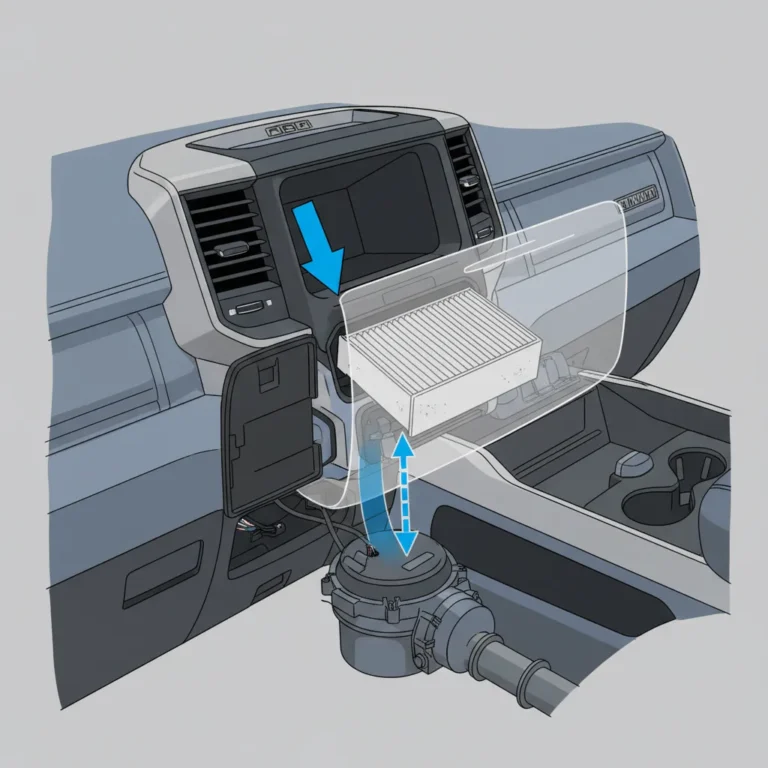
2005 Dodge Ram 1500 Cabin Air Filter Location And Retrofit Installation Guide

While many 2005 Dodge Ram 1500 owners assume their truck features a standard cabin air filter, they are often surprised to find an empty space or a sealed plastic housing during routine maintenance. The 2005 Dodge Ram 1500 was manufactured without a factory-installed cabin air filter, leaving the HVAC system vulnerable to dust, allergens, and debris that can compromise air quality and system efficiency. This omission was common across the third-generation Ram lineup, often frustrating owners who operate these vehicles in demanding environments. This guide will reveal the exact location where a filter can be retrofitted, the specific aftermarket kits available, and a detailed process for improving your vehicle’s interior environment. By the end of this article, you will have the expert knowledge required to upgrade your truck’s filtration capabilities.


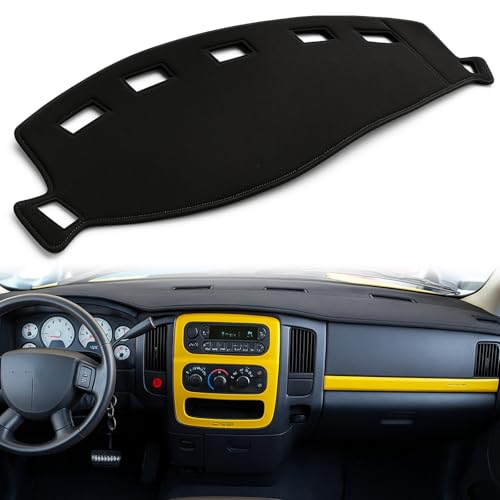
Identifying the 2005 Dodge Ram 1500 Cabin Air Filter Location and Factory Status
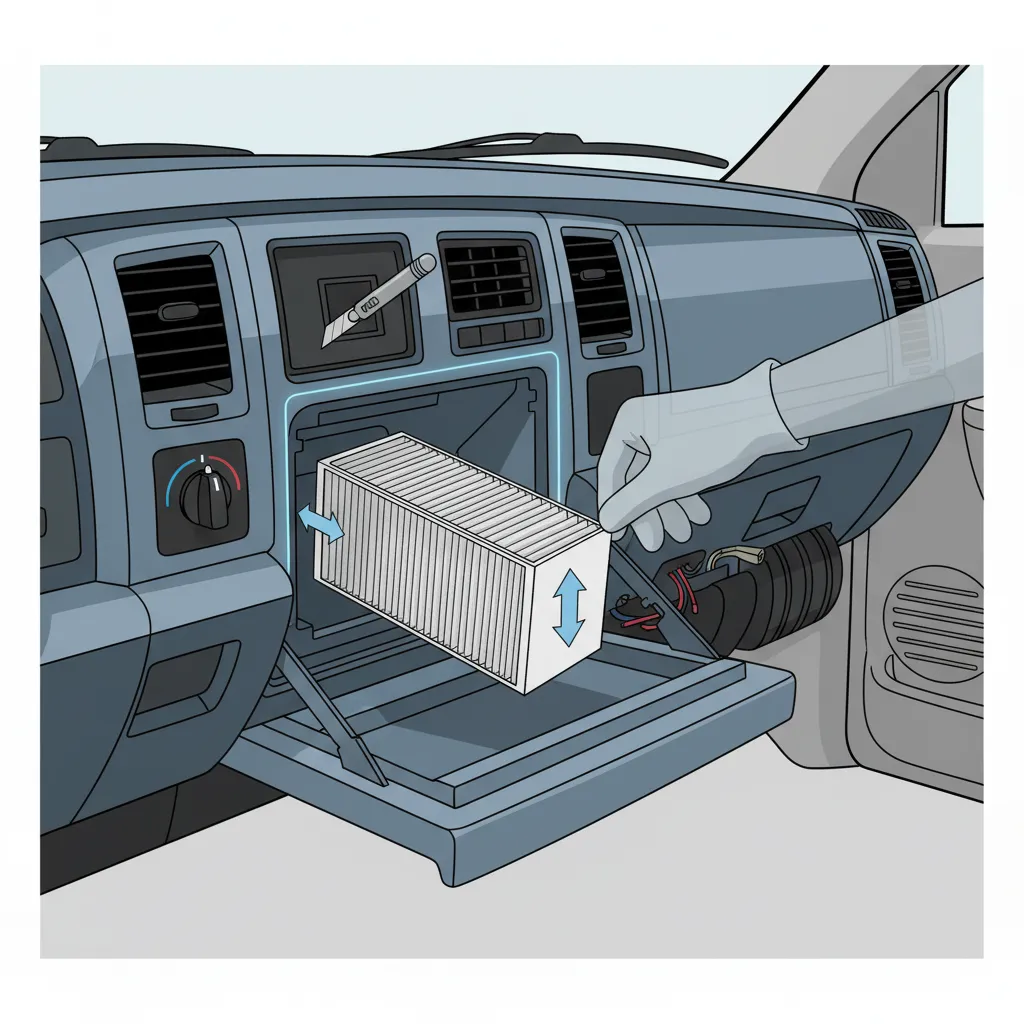
In the world of automotive maintenance, one of the most persistent myths among truck enthusiasts is the existence of a factory cabin air filter in the early third-generation Dodge Ram (DR Generation). To be absolutely clear: the 2005 Dodge Ram 1500 was not equipped with a cabin air filter at the assembly plant. During this era, many domestic manufacturers omitted interior filtration to streamline production costs, prioritizing mechanical durability over cabin air refinement. This lack of a filter means that every time you engage your HVAC system, the air being pulled into the cabin is virtually unfiltered, save for a coarse mesh at the base of the windshield.
The HVAC Plenum Architecture
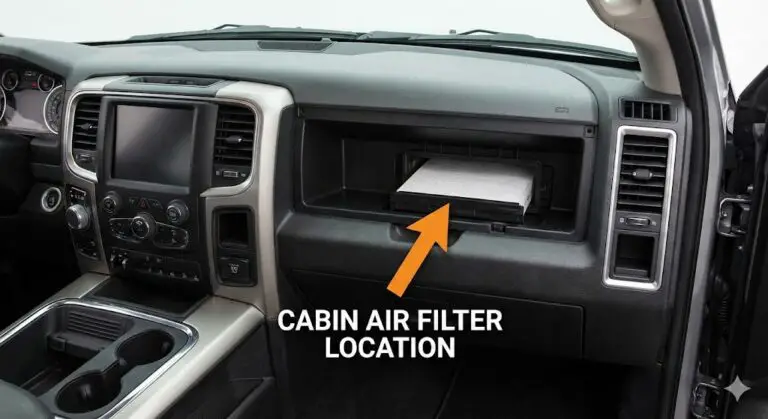
The technical architecture of the 2005 Ram’s HVAC system is located primarily behind the passenger-side dashboard. Behind the glove box assembly, you will find the HVAC blower motor and the plastic plenum housing. In newer vehicles, this housing features a convenient door for filter swaps. In the 2005 model, this area is a solid, sealed plastic unit. Within this housing, a rectangular indentation is often visible—this is the ‘ghost’ location where a filter slot was engineered into the mold but never cut open for production. Without a filter in this location, dust, organic debris, and pollutants bypass the system and settle directly onto the evaporator core.
Consequences for the Driver Community
The impact of this design choice is particularly felt by the Ram forum community of owners who use their trucks for heavy-duty work. Whether you are driving through construction sites or rural backroads, the absence of a filter leads to an accumulation of debris on the evaporator core over time. This debris can cause “dirty sock syndrome”—a musty, foul odor caused by mold growth on the moist evaporator—and can eventually lead to premature system failure or reduced cooling performance. For those with respiratory sensitivities, this filterless system offers zero protection against seasonal allergens.
If you find a filter already installed behind your glove box, a previous owner has performed the retrofit modification. Do not attempt to “remove” the plastic cover without having a replacement filter and door kit ready, as the system relies on a sealed housing to maintain proper air pressure for the vents.

Aftermarket Cabin Air Filter Kit Options and Available Retrofit Solutions
Fortunately, the “bones” of the HVAC housing in the 2005 Ram are nearly identical to those found in later 4th-generation models (2009-2018) that did eventually include a factory filter. This commonality has led to a highly successful aftermarket solution. By utilizing a specific Mopar part or a third-party equivalent, owners can transform their sealed HVAC box into a modern, filtered system. These kits are widely available filters through online retailers and specialized truck performance shops serving the enthusiast market.
The Mopar 68052292AA Retrofit Kit
The gold standard for this modification is the Mopar 68052292AA kit. Although technically cataloged for 2009 and newer Rams, it is compatible with the 2005 housing. This kit typically includes a plastic access door and a high-quality particulate filter. For those seeking even higher air purity, many owners opt to discard the basic filter included in the kit and upgrade to an activated carbon filter. Carbon filters are superior for odor neutralization, which is a major benefit if you frequently haul pets or work materials that leave a lingering scent.
Cost-Benefit Analysis
While the retrofit requires an initial investment of both time and money, the long-term benefits are substantial. The cost of a retrofit kit is significantly lower than the labor charges required to clean a clogged evaporator core, which often involves discharging the A/C system and removing the entire dashboard. By installing a filter now, you ensure the internal components remain pristine, maintaining the efficiency of your heating and cooling system for years to come.

Step-by-Step Guide for Modifying the 2005 Dodge Ram 1500 Cabin Air Filter Location
Performing this modification is a straightforward task for a DIY mechanic with intermediate skills. The entire process typically takes between 30 to 60 minutes. You will need a few basic tools: a sharp utility knife (or a Dremel tool for more precision), a flathead screwdriver, and the retrofit kit itself. Before beginning, ensure the vehicle is off and you have a work light nearby to see into the dashboard cavity.
📋
Retrofit Installation Guide

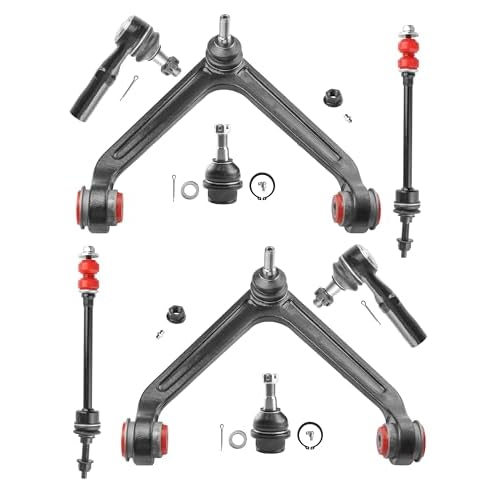


Open the passenger-side glove box. Squeeze the sides inward to release the stops and let the door hang down. Gently pull the hinge pins toward you to remove the entire assembly, revealing the black plastic HVAC plenum.
Identify the rectangular indentation on the lower portion of the heater box, just above the blower motor. This “slot” is the designated area for the filter. It is often marked by a raised plastic lip.
Carefully use a heated utility knife or Dremel to cut out the plastic rectangle. Be extremely cautious not to insert the blade too deeply, as the evaporator core is located just inches behind this plastic wall. A shallow cut is safest.
Slide your new cabin air filter into the freshly cut slot, ensuring the airflow arrow points downward. Snap the Mopar access door over the opening until it clicks securely into place, ensuring a vacuum-tight seal.
After installation, turn your HVAC fan to the highest setting and feel around the new door. If you feel air escaping, use a small amount of automotive weatherstripping or foam tape to ensure a perfect seal. This prevents whistling noises and ensures the glovebox closes with enough serving clearance.


Maintenance and Replacement Schedules for Your Retrofitted Cabin Filter
Once you have successfully retrofitted the filter, it is vital to treat it as a standard maintenance item. Neglecting a cabin air filter can be worse than having no filter at all, as a clogged element will strain the blower motor and reduce the overall efficiency of your A/C and heater. For the 2005 Dodge Ram 1500, industry standards recommend inspecting the filter every 12,000 to 15,000 miles. However, the unique demands of truck ownership often require a more frequent schedule.
Signs of a Clogged Filter
The most common symptom of a dirty filter in a 2005 Ram is a noticeable reduction in airflow through the dashboard vents. You may find yourself turning the fan to “High” just to achieve a comfortable cabin temperature. Additionally, if you notice a musty odor or increased window fogging during damp weather, the filter is likely saturated with moisture and debris. In dusty “nearby” regions or high-pollen areas, we recommend checking the filter at every oil change to ensure peak performance.
Professional Assistance and Blower Motor Health
If you have installed a filter but still experience poor performance, it may be time to visit a professional technician serving your area. Before the filter was installed, years of debris may have bypassed the system and accumulated on the blower motor resistor or within the fan blades. A trusted local mechanic can perform a deeper system flush. For high-quality replacement parts, the official guide provided by Mopar offers insights into the exact specifications required for maintaining your HVAC’s structural integrity.
By The Numbers
Pollutants Removed
Alertness Increase
Installation Time
Benefits of Enhancing Your HVAC System and Finding Professional Help Nearby
Modernizing your 2005 Dodge Ram 1500 with a cabin air filter is more than just a comfort upgrade; it is a long-term investment in the truck’s health. By preventing dust and grit from reaching the HVAC components, you are significantly extending the lifespan of the evaporator core and the blower motor. These components are notoriously difficult and expensive to replace on the third-generation Ram platform, often costing upwards of $1,000 in labor alone at a dealership.
Health and Driver Performance
Research underscores the importance of interior air quality. Studies indicate that poor air quality inside a vehicle can reduce driver alertness by up to 37%, which is a critical safety consideration for long-haul drives or work shifts. For the local community of truck owners who suffer from allergies, the installation of a filter that removes up to 99% of pollen and mold spores is a life-changing modification that makes the truck a much more pleasant place to spend time.
Evaporator Protection
Prevents dust and hair from clogging the delicate aluminum fins of the evaporator core.
Odorous Control
Eliminates external smells from traffic, exhaust, and industrial environments before they enter the cabin.
Resale Value and Professional Care
In the used truck market, buyers are increasingly savvy about maintenance. Showing a prospective buyer that you have retrofitted a cabin air filter speaks volumes about your attention to detail and care for the vehicle. If you are not comfortable cutting into your HVAC housing, many shops serving your region can perform this modification for a nominal fee. They have the professional diagnostic tools to ensure the blower motor resistor hasn’t already been compromised by debris, ensuring your truck remains reliable for the long haul.
The 2005 Dodge Ram 1500 lacks a factory cabin air filter but features a housing that can be modified to accept one. Retrofitting a filter requires an aftermarket kit and a precise cut into the HVAC plenum behind the glove box. This modification is a highly accessible and convenient way to modernize your truck. Adding filtration removes up to 99% of pollutants, significantly improving driver alertness and long-term HVAC health. Consult with a local automotive specialist nearby to find available retrofit kits and ensure your Dodge Ram’s cabin air stays clean and healthy for the road ahead.


Frequently Asked Questions
Can I install a cabin air filter if my 2005 Ram 1500 didn’t come with one?
Yes, you can install one using an aftermarket retrofit kit. You will need to remove the glovebox and carefully cut a slot into the existing HVAC plastic housing. Once the slot is created, you can slide in a standard cabin air filter and secure it with a Mopar or aftermarket access door to seal the system.
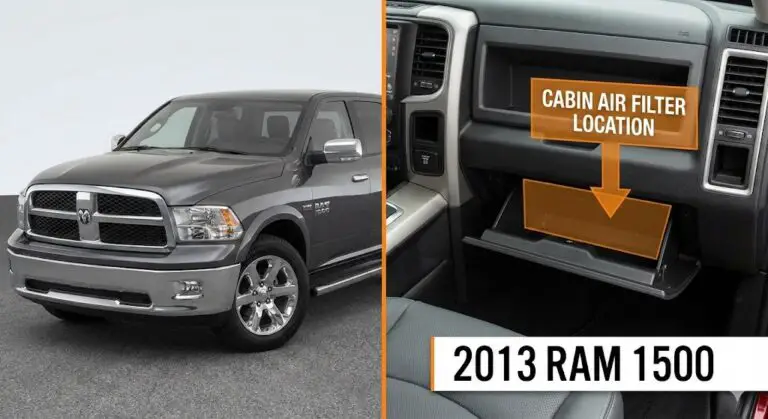
Where exactly is the cabin air filter location on a modified 2005 Dodge Ram?
The location is directly behind the passenger-side glovebox. If the vehicle has been retrofitted, you will see a rectangular plastic cover held by screws or clips on the vertical face of the HVAC blower motor housing. Removing this cover grants access to the filter element itself.
How often should I replace the filter if I add one to my truck?
For most drivers in the local community, replacing the filter every 12,000 to 15,000 miles is ideal. However, if you frequently drive on gravel roads or in high-pollen areas, you should inspect it every 6,000 miles. A dark, gray, or debris-filled filter indicates it is time for a replacement to maintain airflow.
What tools are required for the 2005 Dodge Ram cabin air filter modification?
The modification requires basic tools: a Phillips head screwdriver to remove the glovebox, a sharp utility knife or a Dremel tool to cut the plastic HVAC housing, and potentially a small vacuum to remove plastic shavings from the blower motor area. It is a straightforward project for most DIY enthusiasts.
Will adding a cabin air filter fix a bad smell in my truck’s vents?
An aftermarket filter with activated charcoal can significantly reduce odors from the outside air. However, if the smell is caused by mold already growing on the evaporator core due to years of filterless operation, you may need a professional HVAC cleaning ‘serving’ your vehicle before the new filter can be fully effective.
![Does a Cold Air Intake Void Warranty? Legal Rights Explained [2026]](https://truckguider.com/wp-content/uploads/2026/03/does-cold-air-intake-void-warranty-featured.webp)