2020 Ram 1500 Problems: Solutions For Electrical, Engine, And Suspension Issues

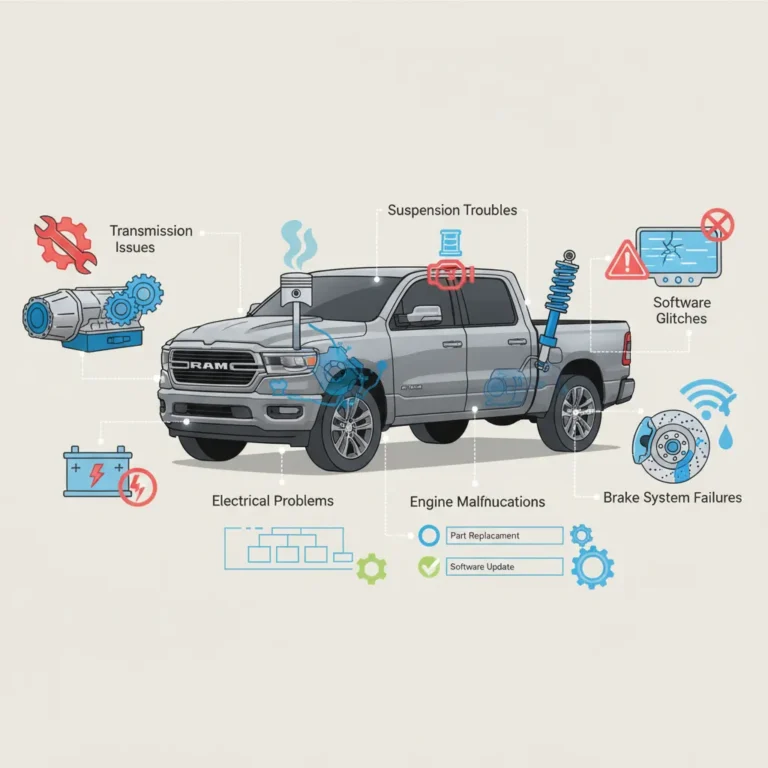
The 2020 Ram 1500 remains a benchmark for pickup truck luxury and capability, yet several years of real-world use have exposed specific mechanical and electronic vulnerabilities. Owners are increasingly reporting a range of issues from frustrating Uconnect screen reboots to serious Hemi engine ticks and air suspension failures. While the truck offers class-leading towing and interior quality, maintaining its performance requires a keen understanding of its common failure points. In this guide, we will analyze the most common 2020 Ram 1500 problems, providing technical diagnosis steps, repair solutions, and recall information to keep your truck on the road.


By The Numbers
RepairPal Reliability Rating
NHTSA Safety Recalls
Electrical Complaints
Section 1: Diagnose and Resolve 2020 Ram 1500 Electrical and Uconnect System Glitches
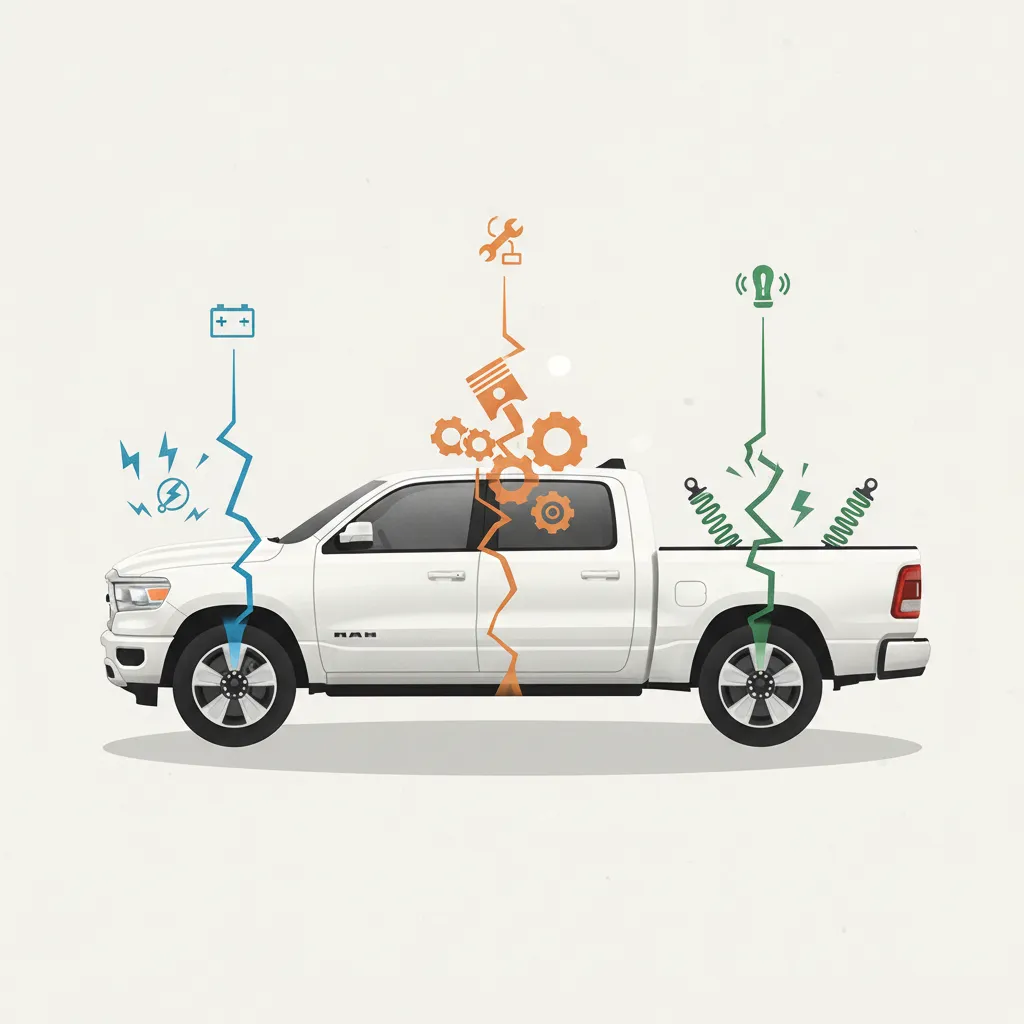
The electrical architecture of the 2020 Ram 1500 is sophisticated, but it has proven to be a double-edged sword. The primary point of contention for many owners is the 12-inch Uconnect 4C NAV infotainment system. This high-definition display is prone to random reboots, screen freezing, and complete blackouts. A common and particularly frustrating scenario involves the driver shifting into reverse only to find a black screen where the backup camera feed should be. This is not just a nuisance; it is a significant safety hazard that the NHTSA website has documented through hundreds of consumer complaints.
Beyond the infotainment, owners often struggle with parasitic battery drain. This phenomenon is frequently traced back to the Radio Frequency Hub (RF Hub) or the Body Control Module (BCM). In these cases, the modules fail to enter “sleep mode” after the ignition is turned off, leading to a dead battery the following morning. Furthermore, the ParkSense sensors and blind-spot monitors have been known to malfunction, triggering false obstacle alerts or, in extreme cases, unwanted emergency braking interventions during normal driving conditions.
📋
Uconnect Troubleshooting Guide
If the screen freezes, press and hold both the Volume and Tuner knobs simultaneously for 10-20 seconds until the screen goes dark and the Ram logo reappears.
Navigate to ‘Settings’ then ‘System Information.’ Compare your firmware version with the latest releases available on the official Uconnect update portal.
Download the update to a high-speed USB drive (formatted to FAT32). Plug it into the primary media hub while the vehicle is in ‘Run’ mode to initiate the overwrite.

Section 2: Troubleshoot Air Suspension Failures and Ride Height Issues
The 2020 Ram 1500’s Active-Level Four-Corner Air Suspension is lauded for its smooth ride, but its complexity makes it a frequent source of frustration. According to data from reliability rating metrics, suspension components are a major factor in the vehicle’s average scores. The most common symptom of failure is the “Service Air Suspension Immediately” warning light, often accompanied by the vehicle sagging noticeably in one corner or failing to rise when a load is applied.
A primary cause of these failures, especially in colder climates, is moisture intrusion. When humidity enters the closed-loop system, it can freeze within the air lines or valves, causing system blockages. Over time, this forces the air compressor to work overtime, leading to premature motor burnout. Additionally, the rubber air bags themselves are prone to dry-rotting or puncturing, while the height sensors—exposed to the elements—can provide erratic voltage signals to the suspension control module.


✅ Air Suspension Pros
- Superior ride quality and vibration damping
- Automatic load leveling for towing/hauling
- Adjustable ride height for off-road clearance
- Aerodynamic lowering at highway speeds
❌ Air Suspension Cons
- Extremely high out-of-warranty repair costs
- Frequent failures in freezing temperatures
- Compressor noise can become intrusive
- Higher potential for unexpected vehicle sagging
For owners facing out-of-warranty repairs, the cost of replacing a single OEM air strut can exceed $1,500. Consequently, many in the Ram community opt for air-to-coil spring conversion kits. These kits replace the problematic air components with traditional struts and springs, providing a permanent solution to ride height instability, albeit at the cost of the adjustable features and the ultra-plush ride quality.
Section 3: Addressing the Hemi Tick and Critical Engine Wear Patterns
The 5.7L Hemi V8 is a legendary powerhouse, but it is not without its mechanical quirks. The most pervasive issue is the “Hemi Tick.” It is critical for owners to differentiate between the normal, high-frequency “clicking” of fuel injectors and the deeper, rhythmic “ticking” of a mechanical failure. Most commonly, this tick is caused by broken exhaust manifold bolts. Due to the heat cycles of the V8, the manifold can warp, putting immense stress on the bolts—specifically the rear-most ones—causing them to snap and create an exhaust leak that sounds like a mechanical knock.
When checking for manifold leaks, look for soot trails around the exhaust ports on the cylinder head. If the tick disappears once the engine warms up, it is almost certainly a manifold leak rather than internal valvetrain wear.
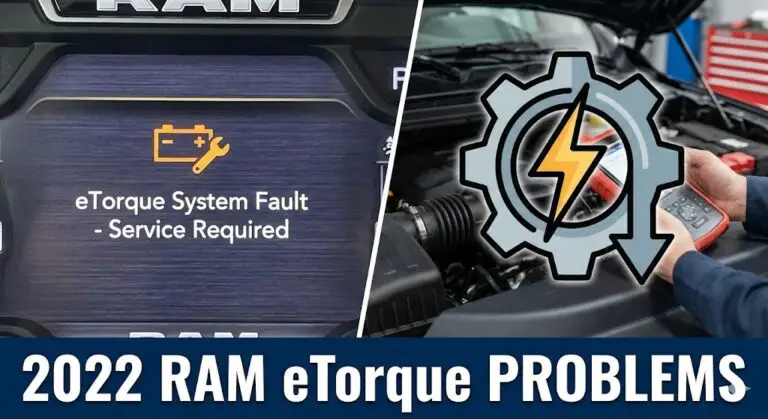
However, a more severe form of the tick involves premature lifter and camshaft wear. This often results from low oil flow to the top end of the engine during extended idling or malfunctions within the Multi-Displacement System (MDS). When a lifter roller seizes, it begins to grind down the camshaft lobe, eventually leading to a misfire and necessitating a complete engine tear-down. Furthermore, 2020 models equipped with the eTorque mild-hybrid system have faced unique challenges, including 48V battery cooling fan failures and alignment issues with the belt-start generator that can cause an audible chirping sound.
Synthetic Oil Use
Always use high-quality 0W-20 or 5W-20 full synthetic oil to ensure maximum flow to the lifters during cold starts.
Frequent Filters
Change the oil filter every 5,000 miles, regardless of the ‘Oil Life’ monitor, to prevent debris from clogging MDS solenoids.


Section 4: Repair and Calibrate ZF 8-Speed Transmission Shifting Problems
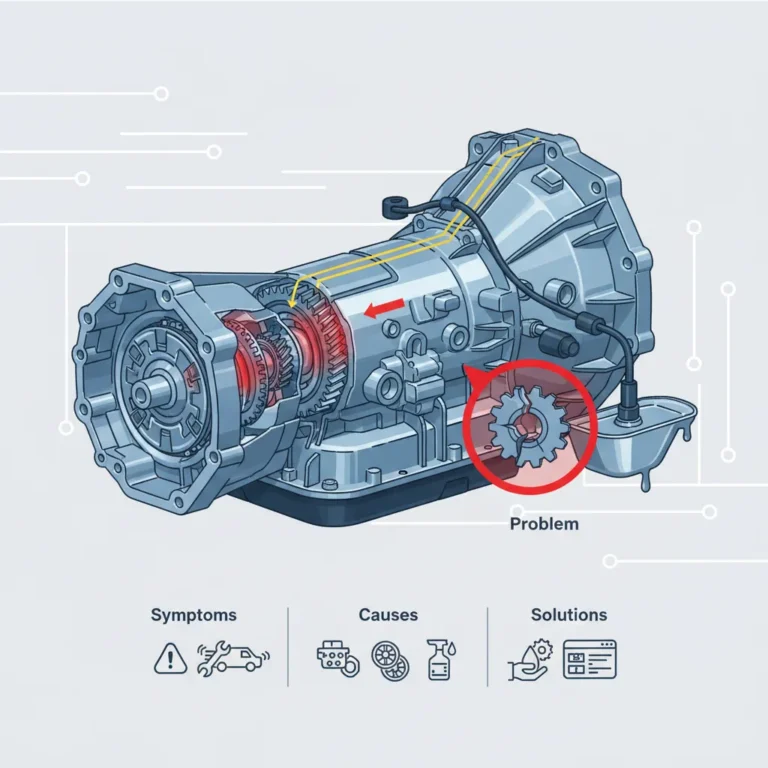
The TorqueFlite 8-speed automatic transmission (derived from ZF architecture) is widely considered one of the best in the industry, yet software-related logic issues can occasionally mar the experience. Many owners report a harsh 1-2 upshift or a clunky 2-1 downshift when slowing to a stop. These “shift shocks” are rarely indicative of mechanical failure; rather, they suggest that the Transmission Control Module (TCM) needs a recalibration. A “quick learn” procedure performed by a technician can often resolve these low-speed gear hunting issues by resetting the adaptive shift logic.
Another area to troubleshoot is the rotary e-shifter. Communication errors between the shifter and the BCM can lead to a condition where the vehicle refuses to shift out of ‘Park’ or ‘Neutral.’ This is often a software-induced “handshake” failure. Furthermore, some drivers experience a distinct driveline shudder during MDS activation transitions—the moment the engine switches from eight cylinders to four. This can often be mitigated by a TCM flash update that smooths the torque converter clutch engagement during these transitions.
Section 5: Brake System Maintenance and Premature Component Wear
The 2020 Ram 1500 is a heavy vehicle, and that weight takes a toll on the braking system. A common concern among owners—particularly those with higher trim levels like the Laramie or Limited—is premature wear of the rear brake pads. This is often exacerbated by the Electronic Stability Control (ESC) and Adaptive Cruise Control systems, which use the rear brakes to stabilize the vehicle and maintain distance. Additionally, high-speed brake pulsation is a frequently reported issue, usually caused by uneven pad deposits or warped rotors resulting from excessive heat during towing.
Certain 2020 Ram 1500 models were recalled for a brake pedal linkage issue where the pedal could detach from the booster. This leads to a complete loss of braking power. Check your VIN immediately to ensure this recall has been addressed.
To resolve these issues, many owners transition away from the standard OEM semi-metallic pads to heavy-duty ceramic aftermarket options. Ceramics tend to handle the thermal stress of towing more effectively while producing significantly less dust. It is also vital to inspect the Electronic Parking Brake (EPB) calipers during routine maintenance; if the EPB fails to fully retract, it can cause constant drag, leading to overheating, decreased fuel economy, and ruined rotors.
Conclusion
Electrical issues, particularly with the Uconnect system and battery drain, are the most frequent but often fixable via software updates and module resets. Mechanical concerns like the ‘Hemi Tick’ and air suspension failure require proactive maintenance, high-quality fluids, and specialized diagnostic tools to prevent catastrophic failure. Staying current with NHTSA recalls and Technical Service Bulletins (TSBs) is essential for maintaining the safety and resale value of the 2020 Ram 1500. Before attempting DIY repairs, check your VIN on the NHTSA website for open recalls and consult a certified technician for complex engine or transmission diagnostics to ensure your truck remains a reliable workhorse for years to come.
Frequently Asked Questions
What are the most common problems with the 2020 Ram 1500?
The most frequent issues reported include Uconnect infotainment system glitches (freezing/rebooting), exhaust manifold bolt failures (the Hemi Tick), air suspension sagging in cold weather, and premature brake wear. Electrical problems involving the 12-inch display and battery drain are also high-ranking concerns among long-term owners.


Is the 2020 Ram 1500 a reliable truck?
RepairPal gives the 2020 Ram 1500 a 3.0 out of 5.0 reliability rating, which is considered average for the full-size truck segment. While its powertrain is generally robust, the high volume of electronic features and sophisticated air suspension components lead to more frequent minor repairs compared to simpler competitors.
How do I fix Uconnect problems in my 2020 Ram 1500?
Most Uconnect issues can be resolved by performing a soft reset (holding the volume and tuner knobs for 10-20 seconds). If problems persist, check for over-the-air (OTA) updates or visit a dealer to have the latest firmware flashed via USB. Persistent hardware failures may require a replacement of the telematics box or the screen itself.
What should I do if my 2020 Ram 1500’s air suspension is not working?
First, check the fuse for the air compressor. If the fuse is intact, listen for the compressor running; if it runs constantly without raising the truck, you likely have a leak in an air bag or line. In cold weather, moisture can freeze in the lines; parking in a heated garage can help diagnose if the issue is temperature-dependent.
Are there any recalls for the 2020 Ram 1500?
Yes, the 2020 Ram 1500 has several notable recalls, including issues with the brake pedal linkage potentially detaching, rearview camera image display failures, and steering column complications. Owners should enter their VIN on the NHTSA.gov website to ensure all safety-related recalls have been addressed by a licensed dealer.