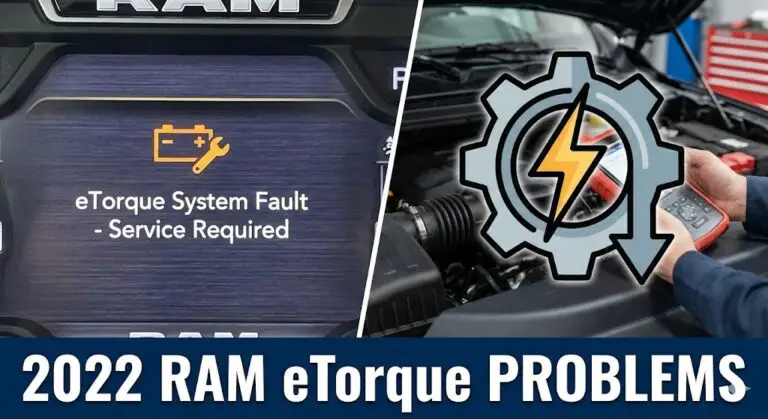
2022 Ram 1500 Transmission Problems: Common Symptoms And Technical Solutions

The 2022 Ram 1500 is widely praised for its class-leading ride quality and sophisticated interior, but for many owners, that smooth experience is being interrupted by frustrating transmission hiccups. While the truck remains a benchmark in the light-duty segment, specific issues regarding its shifting logic and mechanical longevity have surfaced in owner forums and service bays alike. Drivers are reporting unexpected harsh shifts, gear slipping, and electronic glitches in the TorqueFlite 8-speed system that can compromise both vehicle safety and long-term value.
In my 15 years of industry experience, I have seen the evolution of the ZF-sourced 8-speed automatic, and while it is generally a robust unit, the 2022 model year has unique vulnerabilities. This guide will analyze the most common 2022 Ram 1500 transmission problems, diagnose their technical causes, and provide actionable solutions ranging from simple software updates to complex mechanical repairs.


Common Symptoms of 2022 Ram 1500 Transmission Problems
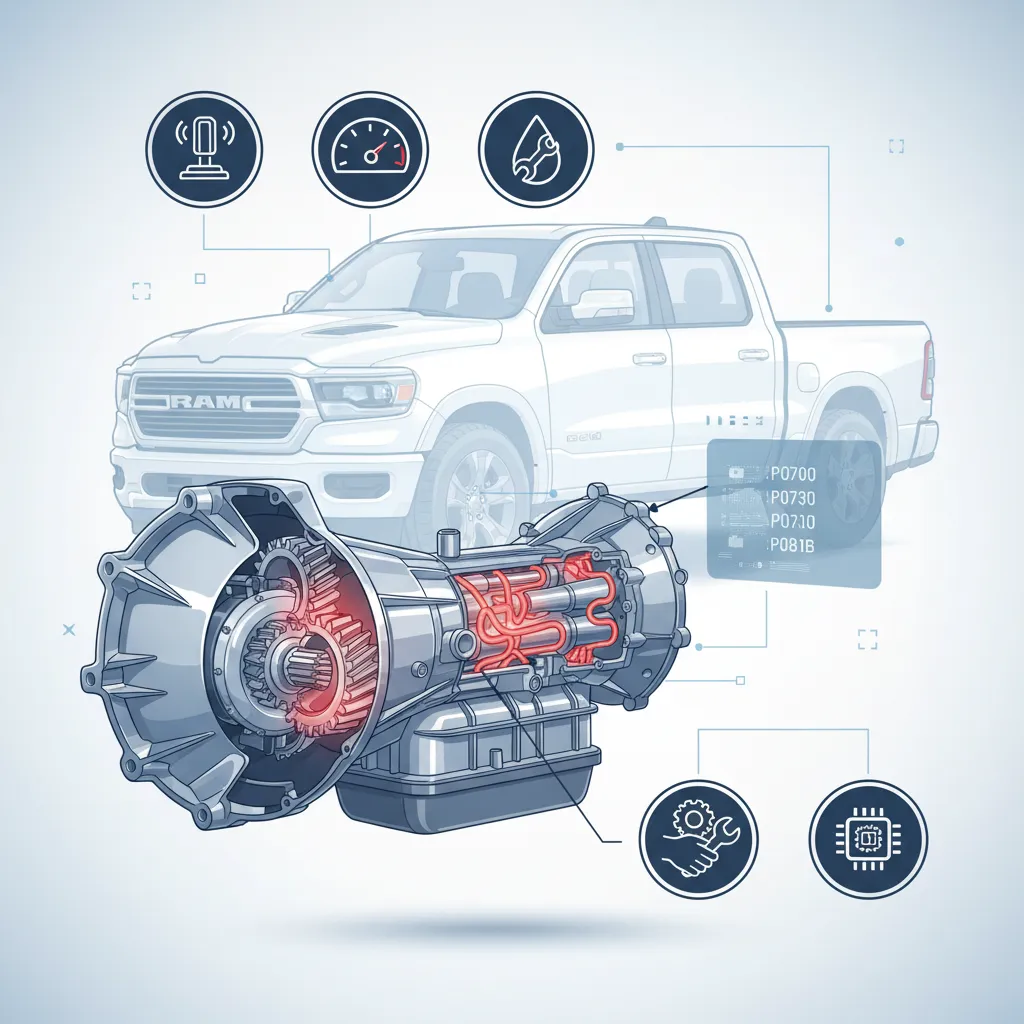
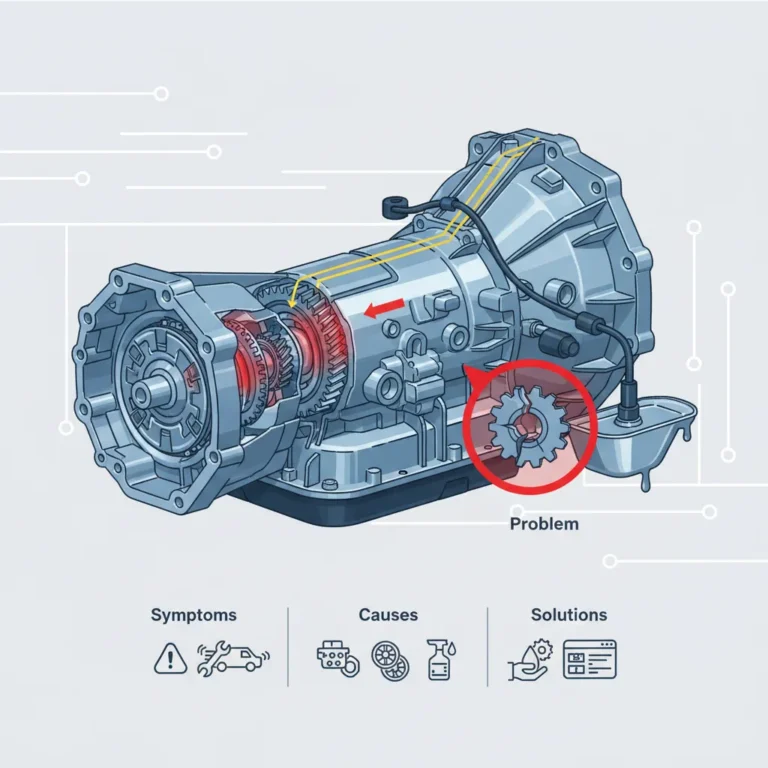
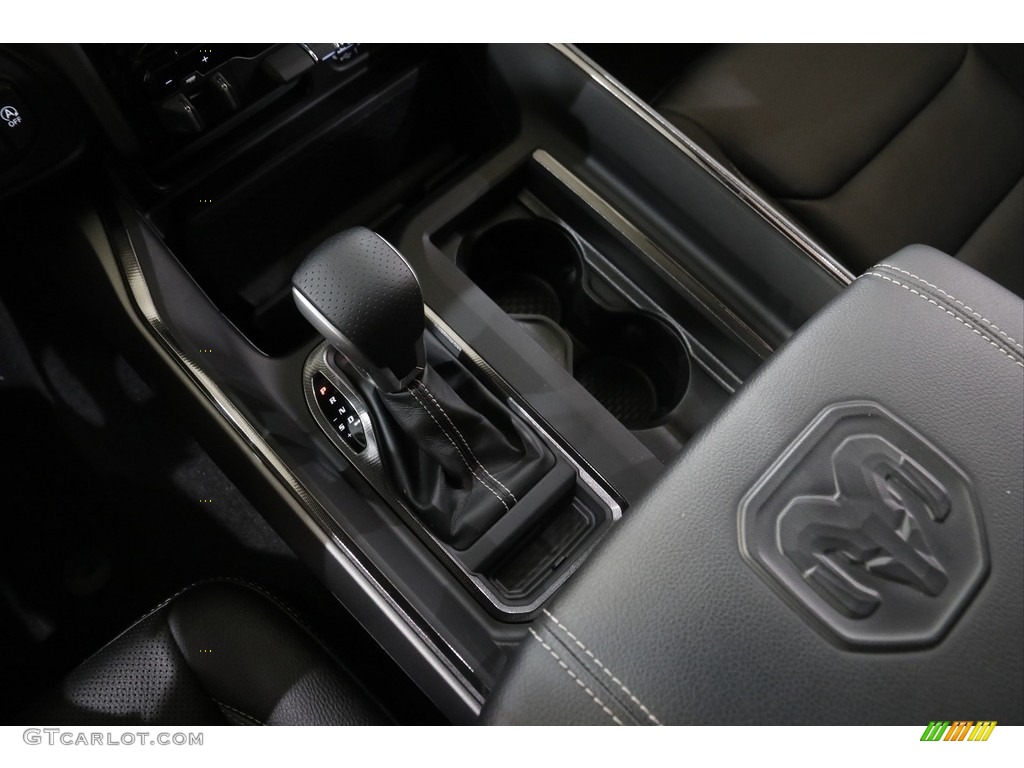
The 2022 Ram 1500 primarily utilizes the TorqueFlite 8HP75 8-speed automatic transmission. Because this is an electronically controlled unit, symptoms of a malfunction often manifest as a breakdown in communication between the vehicle’s computer and the hydraulic actuators. One of the most prevalent complaints involves harsh shifting, specifically a violent “clunk” or “thud” when the vehicle downshifts from 2nd to 1st gear as it comes to a stop. This is rarely a broken gear tooth; rather, it is usually an issue with the timing of the solenoid engagement.
Another critical symptom is gear slipping. Owners may notice the engine RPMs flare—increasing rapidly—without a corresponding increase in vehicle speed. This typically happens during moderate acceleration when the transmission is attempting to find the next gear but fails to “catch” the friction plates efficiently. In some cases, this leads to a delayed engagement. For instance, a driver may shift from Park into Reverse on a cold morning and experience a 2-second delay followed by a jarring sensation as the gear finally bites. For more information on vehicle capability, you can view the official guide for current Ram models.
Auditory cues should never be ignored. Unusual whining, humming, or grinding noises originating from the bell housing area often point to a failing torque converter or a pump issue. If the transmission detects a serious internal fault, it may enter “Limp Mode.” In this state, the transmission locks itself into a single gear (usually 3rd or 4th) to prevent further damage, severely limiting vehicle speed and power. This is a clear indicator that you must diagnose the vehicle immediately using a professional scan tool.
Root Causes: Why Your TorqueFlite 8HP75 Transmission is Failing
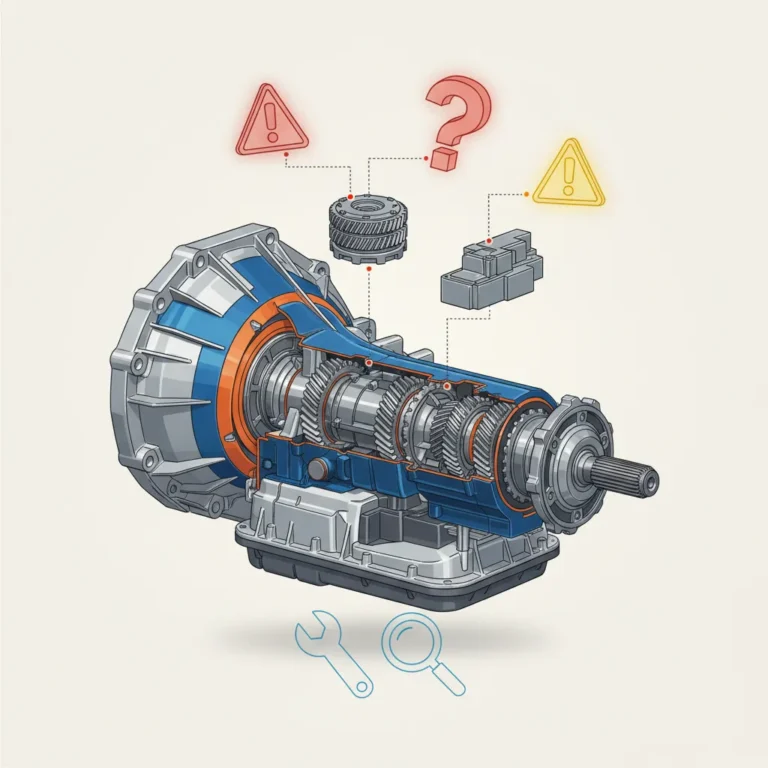
To troubleshoot a modern 8-speed transmission effectively, we must look at the technical architecture. The 8HP75 relies on a complex valve body and a series of solenoids to direct fluid pressure. The most common cause of erratic behavior in the 2022 model is Transmission Control Module (TCM) software glitches. These programming errors can lead to improper shift timing and pressure regulation, which feels like a mechanical failure but is actually a logic error.
Fluid health is the second pillar of transmission longevity. Low transmission fluid levels—often caused by microscopic leaks in the cooling lines or the thermal management unit—can lead to overheating. Research indicates that low fluid levels can increase internal temperatures by 20% or more, rapidly accelerating the breakdown of clutch materials. Furthermore, the 2022 Ram requires specialized Mopar ZF 8&9 Speed fluid. Using an incorrect or contaminated fluid leads to friction plate degradation and “shuddering” during gear transitions.
The 2022 Ram 1500 uses a sophisticated thermal bypass valve. If this valve sticks, it can prevent fluid from reaching the cooler, causing the transmission to overheat even during light driving. Always check the transmission temperature on your digital cluster; it should stay between 175°F and 200°F during normal operation.
Mechanical failures do occur, specifically within the valve body or the torque converter clutch (TCC) solenoid. If the valve body becomes “scarred” from debris, the valves can hang up, leading to the “clunking” mentioned earlier. Additionally, sensor malfunctions—specifically the Input/Output Speed Sensors—can send incorrect data to the powertrain control module, causing the system to debug the situation by defaulting to safe mode or erratic shifting. For those looking for official replacement components, expert tips can be found through authorized parts catalogs.


📋
Step-by-Step Guide to Troubleshoot and Diagnose Shifting Issues
Use a high-quality scanner to pull ‘P’ codes. A P0700 code indicates the TCM has requested the Malfunction Indicator Lamp (MIL). Look for specific codes like P0734 (Gear 4 Incorrect Ratio) or P0741 (Torque Converter Clutch Circuit Performance), which point to mechanical or hydraulic failures.
The 2022 Ram 1500 does not have a traditional dipstick. A technician must check the fluid level via the fill plug on the side of the transmission at a specific temperature. Inspect the cooling lines and the transmission pan for ‘weeping’ or active leaks of red/amber fluid.
Modern transmissions ‘learn’ your driving style. If you recently changed your driving habits or the truck was used for heavy towing, performing a software reset allows the TCM to re-learn optimal shift points. This can often resolve minor harsh shifting issues without hardware changes.
Repair Options and Estimated Costs for 2022 Ram Owners
If your 2022 Ram 1500 is outside of its initial window of trouble-free operation, you face several repair paths. The most common repair for shifting complaints is a software re-flash. Dealerships often issue Technical Service Bulletins (TSBs) that address these specific logic errors. A software update typically costs between $150 and $250 if not covered by warranty. However, many 2022 models are still within the 5-year/60,000-mile powertrain warranty, which should cover most major transmission issues at zero cost to the owner.


When the problem is mechanical, the costs rise significantly. Replacing a valve body can range from $800 to $1,500, while a full transmission replacement is a major financial undertaking. Before opting for a complete unit swap, I recommend exploring valve body repair or solenoid replacement. Independent transmission shops may offer remanufactured units which can save money compared to dealership OEM prices, though the 8HP75 is a specialized unit that requires specific expertise. To check for any safety-related recalls that might cover your repairs, consult the official guide for vehicle safety data.
Industry Data: Repair Estimates
Average Diagnostic Fee
Major Repair Range
Preventative Maintenance to Resolve Long-Term Reliability Concerns
While the manufacturer may label the 8HP75 fluid as “fill-for-life,” seasoned technicians know that this is a marketing term, not a mechanical reality. To resolve long-term reliability concerns, regular transmission fluid changes are crucial. For trucks used in “Severe” conditions—such as heavy towing, frequent off-roading, or stop-and-go delivery work—I recommend changing the fluid every 60,000 miles. This prevents the accumulation of microscopic metal shavings that can clog the valve body.
Monitoring the transmission cooling system is equally important. Ensure the transmission oil cooler remains unobstructed by mud or debris. Furthermore, driving habits play a significant role in wear and tear. Avoid “rocking” the vehicle (shifting rapidly between Drive and Reverse) when stuck in snow or mud, as this generates extreme heat and can snap internal sun gears. Using only Mopar-approved ZF 8-speed synthetic fluid is mandatory to maintain the correct viscosity standards; using generic ATF is a shortcut to a total rebuild.
Regular Fluid Changes
Replacing fluid every 60,000 miles removes contaminants and restores thermal stability.
Harness Inspection
Regularly checking the wiring harness for heat damage or rodent interference prevents electrical ghosts.
Towing heavy loads near the Ram’s maximum capacity without using ‘Tow/Haul’ mode causes excessive torque converter clutch cycling. This can lead to premature TCC failure. Always engage the appropriate drive mode to adjust the shift logic for heavy stress.
In summary, most 2022 Ram 1500 transmission issues stem from TCM software errors or fluid-related mechanical stress. Early diagnosis through OBD-II scanning and fluid inspection can prevent a total transmission failure. Since warranty coverage is likely still active for most 2022 models, making dealership intervention your preferred first step is both economically and technically sound. If you are experiencing persistent shifting issues, check your VIN against the latest NHTSA recall database and schedule a diagnostic appointment with a certified technician immediately to ensure your truck remains a reliable partner on the road.
Frequently Asked Questions
What are the common symptoms of a failing transmission in a 2022 Ram 1500?
The most frequent symptoms include harsh or ‘jerky’ downshifts when slowing to a stop, hesitation when accelerating from a standstill, and audible whining noises. Some owners also report ‘gear hunting,’ where the transmission shifts frequently and unnecessarily between 7th and 8th gears while cruising at highway speeds.


How often should I change the transmission fluid in my 2022 Ram 1500?
Although RAM officially describes the 8HP75 fluid as ‘fill-for-life,’ automotive experts and ZF (the transmission manufacturer) recommend changing the fluid and filter every 60,000 to 80,000 miles. If you frequently use your truck for heavy towing or stop-and-go commercial work, an interval of 50,000 miles is safer to prevent overheating.
Is there a recall for the transmission in the 2022 Ram 1500?
While there have been recalls for various Ram 1500 components, you should check the NHTSA website specifically for your VIN. Several Technical Service Bulletins (TSBs) have been issued regarding software updates for the Transmission Control Module (TCM) to address shifting quality, though these are often handled during routine service rather than as mandatory recalls.
What could cause harsh shifting in my 2022 Ram 1500?
Harsh shifting is often caused by ‘adaptive learning’ errors in the TCM or outdated software. It can also result from a faulty valve body that isn’t distributing hydraulic pressure correctly. In some cases, low fluid levels or a clogged internal filter can cause the transmission to slam into gear due to inconsistent pressure.
How much does it cost to replace the transmission in a 2022 Ram 1500?
A full transmission replacement for a 2022 Ram 1500 typically costs between $3,500 and $5,500, depending on whether you use a remanufactured or new unit. Labor alone accounts for a significant portion of this cost, as the 8-speed TorqueFlite system is labor-intensive to remove and calibrate. Most 2022 models should still be covered under the 5-year/60,000-mile powertrain warranty.