2019 Ram 1500 Problems: How To Troubleshoot And Resolve Common Issues

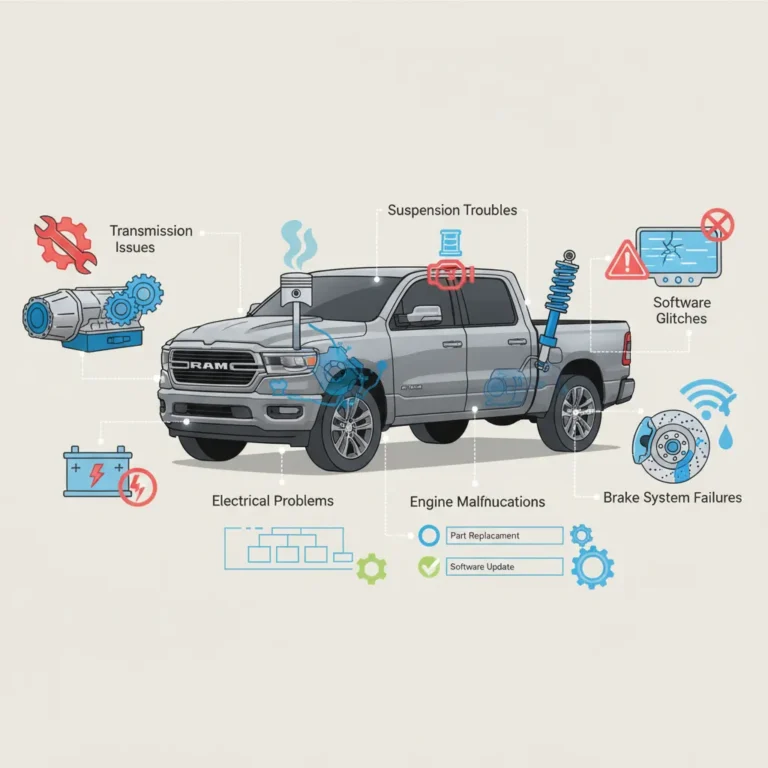
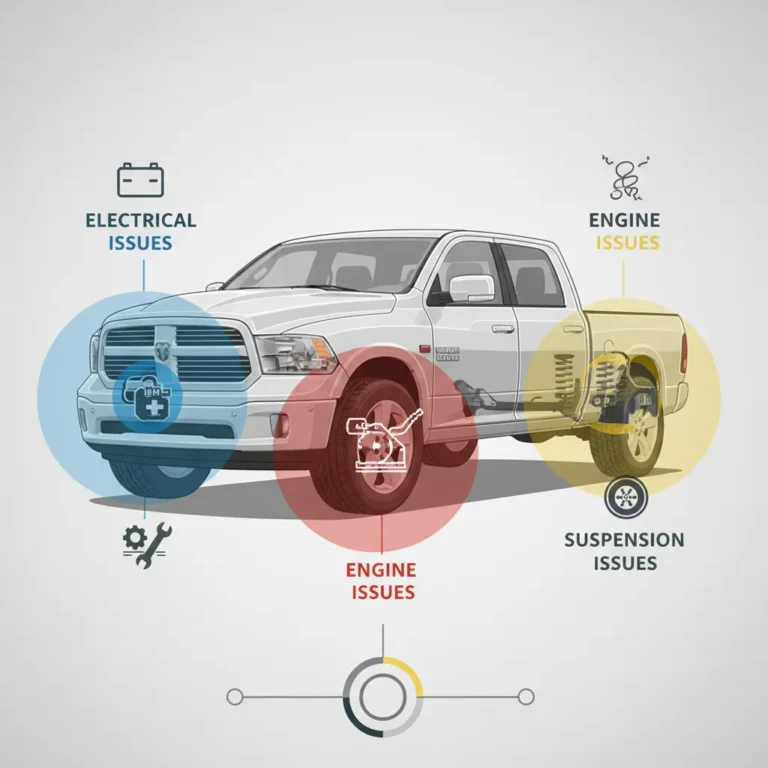
The 2019 Ram 1500 represented a quantum leap in pickup truck luxury and technology, marking the debut of the highly anticipated “DT” generation. While it successfully redefined the interior standards for the segment, being the first year of a total redesign meant it arrived with its share of “new model” growing pains. Owners frequently encounter frustrating issues ranging from unresponsive Uconnect touchscreens and mysterious battery drains to mechanical concerns like air suspension failure and the notorious Hemi tick. In this guide, we will provide an authoritative analysis of the most common 2019 Ram 1500 problems, offering expert troubleshooting steps, repair solutions, and recall information to keep your truck on the road and performing at its peak.


By The Numbers
RepairPal Reliability Rating
NHTSA Safety Recalls
Complaint: Electrical Systems
Diagnosing Uconnect Infotainment and Electrical System Failures
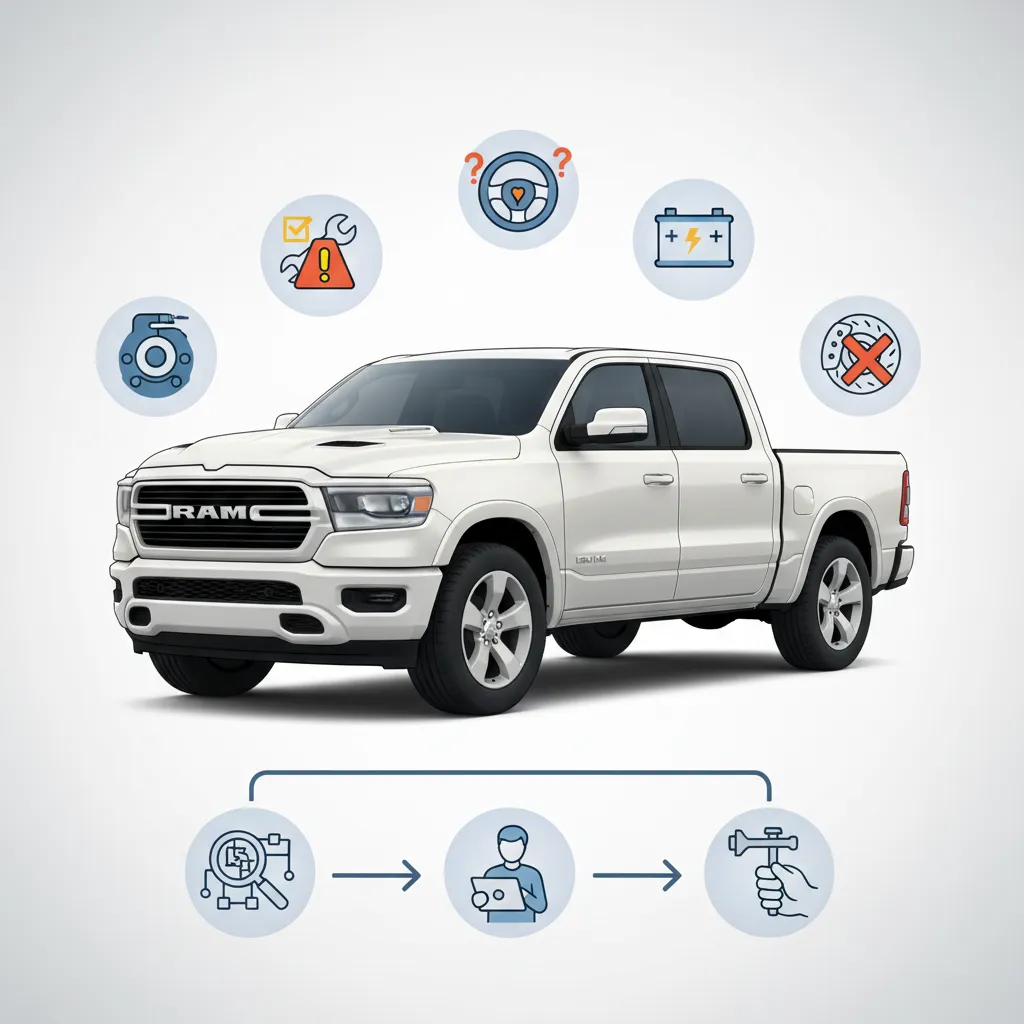
According to owner complaint data, electrical system issues are the single most significant pain point for the 2019 Ram 1500. The centerpiece of these frustrations is the Uconnect 4C NAV system, particularly the optional 12-inch vertical display. Owners frequently report screen delamination (where the display appears to have bubbles or “leaking” liquid), spontaneous reboots, and total freezing of the interface. In many cases, drivers experience a “black screen” while reversing, which renders the backup camera useless—a significant safety concern that often requires a hardware replacement if a soft reset fails.
Phantom Battery Drain and the BCM
Beyond the screen, many owners suffer from a “phantom” or parasitic battery drain that leaves them stranded with a dead truck after it sits overnight. The cause is often the Body Control Module (BCM) or the radio unit failing to “go to sleep” after the ignition is turned off. If your radio remains powered or your lights flicker after you’ve exited the vehicle, your BCM may be keeping the vehicle’s computer network active, pulling 3-5 amps continuously. Research indicates that the 48V eTorque mild-hybrid system can also trigger “battery saver mode” warnings if the DC-DC converter isn’t properly managing the 12V lead-acid battery’s charge levels.
📋
Troubleshoot Uconnect Glitches
With the ignition in the ‘Run’ position, hold down the Volume and Tune knobs simultaneously for 10-20 seconds until the screen goes dark and the brand logo reappears.
Navigate to the ‘Settings’ menu on your Uconnect screen and check for ‘System Information.’ Ensure you are running the latest version; if not, visit the dealer for a firmware flash.
To mitigate potential electrical issues, ensure the battery terminals are clean and properly connected. Have the battery tested regularly, especially if you live in a hot climate, as the eTorque system is sensitive to 12V voltage drops.
Troubleshooting Air Suspension System Leaks and Compressor Failures
The 2019 Ram 1500 offers an optional Active-Level Four-Corner Air Suspension system that provides an unmatched ride quality. However, it is a complex, closed-loop nitrogen-filled system that is notoriously temperamental, especially in cold climates. When temperatures drop below freezing, moisture trapped in the lines can freeze, leading to valve block malfunctions or compressor burnout as the system tries to over-compensate for restricted airflow.
The ‘Leaning Truck’ Syndrome
A common scenario involves owners discovering their truck “leaning” to one side or sitting completely on the bump stops after being parked overnight. This usually indicates a leak in one of the air springs or a failing fitting. If you see the “Service Air Suspension” warning light, use an OBD-II scanner to look for codes like C1562-98 (Ride Height Bank 1 Circuit Performance). Repair costs for these systems can be astronomical at dealerships, often exceeding $2,000 for a compressor and manifold assembly replacement.


Identifying the ‘Hemi Tick’ and Exhaust Manifold Issues
The 5.7L Hemi V8 is a legendary powerplant, but it is not without its signature sounds. It is crucial for owners to distinguish between a harmless “injector click” and the more serious “Hemi Tick.” There are two primary causes for a ticking noise in the 2019 model year. The most common—and fortunately, the less catastrophic—is a broken exhaust manifold bolt. Due to the different expansion rates between the cast-iron manifold and the aluminum cylinder head, the rear-most studs frequently shear off.
Lifter Failure vs. Manifold Leak
If your truck makes a loud ticking sound upon a cold start that slowly disappears as the engine warms up, you likely have an exhaust leak. As the metal expands, it seals the gap created by the broken bolt. However, if the tick is constant, rhythmic, and increases with engine RPM regardless of temperature, you may be facing lifter and camshaft wear. This occurs when the needle bearings in the roller lifters seize, causing the lifter to “skate” across the camshaft lobe. Using high-quality full synthetic oil and shortening your oil change intervals can help mitigate this risk, though it remains a known engineering hurdle for the Hemi platform.
Ignoring a constant Hemi tick can lead to total engine failure. If the lifter bores are damaged by a seized roller, you may require a complete engine long-block replacement rather than a simple top-end repair.
Resolving Rear Window Leaks and Interior Water Intrusion
One of the most physically damaging issues for the 2019 Ram 1500 is water intrusion. Owners have reported finding standing water in their “Ram Bins” (the in-floor storage compartments) or damp headliners after heavy rain. This is almost exclusively caused by a design flaw in the rear sliding window frame or the Center High Mount Stop Light (CHMSL) seal. Over time, the plastic frame of the rear window can develop stress cracks, or the foam gasket behind the third brake light can degrade, allowing water to bypass the exterior and drain down the interior C-pillars.
How to Resolve the Leak
The solution for the third brake light is relatively simple: remove the two screws holding the light assembly and replace the factory foam seal with a thicker aftermarket silicone gasket or high-grade butyl tape. However, if the leak originates from a cracked window frame, the entire rear glass assembly usually needs to be replaced. Technical Service Bulletins (TSBs) have been issued specifically for this issue, so checking your vehicle’s service history is essential before paying out-of-pocket for a Ram specs compliant repair.
Quick Inspection
Check the headliner directly above the rear seat for water stains after a car wash.


Sealing Fix
Apply a thin bead of clear RTV silicone around the top edge of the third brake light as a workaround.
Navigating Safety Recalls and Technical Service Bulletins
The 2019 model year has been subject to an unusually high volume of recalls—over 20 according to the official recall guide. Many of these are critical safety items that must be resolved by an authorized dealer at no cost to the owner. Two of the most significant recalls include 19V-043, which concerns a potentially loose steering column coupler that could lead to a total loss of steering control, and 19V-077, involving the adjustable brake pedal assembly that could detach during use.
Transmission and Powertrain Updates
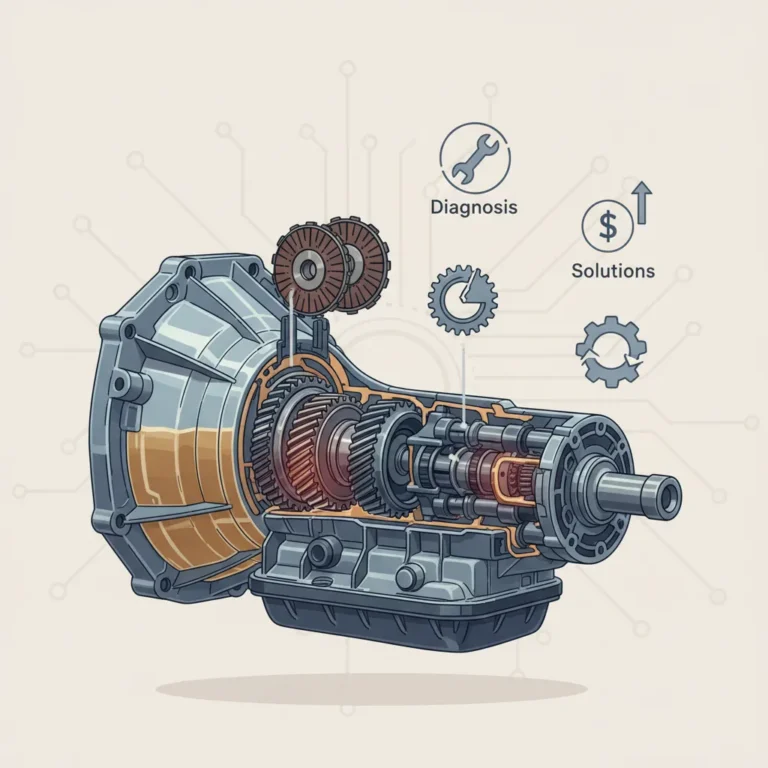
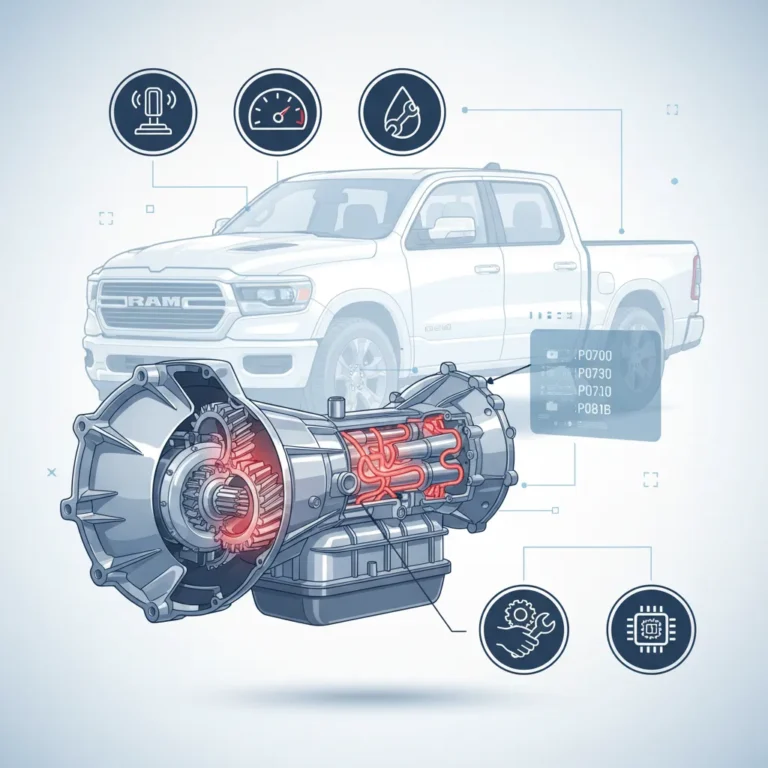
Beyond safety recalls, several TSBs address the ZF 8-speed automatic transmission’s behavior. Owners often report “clunky” downshifts or hesitation when accelerating from a stop. These are usually not mechanical hardware failures but software logic issues. A dealership can perform a “Quick Learn” procedure or flash the Transmission Control Module (TCM) with updated shift maps to debug these 1500-series shifting quirks. Additionally, if you have an eTorque-equipped truck, ensure the generator/motor assembly has the latest cooling line updates to prevent overheating during heavy towing.
✅ Pros of 2019 Model
- Class-leading interior luxury
- Quiet cabin with active noise cancellation
- Smooth 8-speed ZF transmission
- Innovative eTorque fuel efficiency
❌ Cons of 2019 Model
- First-year manufacturing defects
- Glitchy Uconnect software
- Prone to rear window leaks
- High frequency of safety recalls
In summary, the 2019 Ram 1500 is a sophisticated machine that requires diligent maintenance to overcome its early-production hurdles. Most electrical and Uconnect issues can be resolved through software updates or proper parasitic draw testing, while mechanical issues like the Hemi tick and air suspension leaks require proactive maintenance and high-quality replacement parts. Always verify your VIN against the NHTSA database to ensure critical safety recalls for steering and brakes have been addressed.
If you are experiencing persistent issues with your truck, do not wait for a total breakdown. Consult a certified technician to run a full diagnostic scan and check for applicable Technical Service Bulletins that may cover your repair costs. By staying ahead of these common 2019 Ram 1500 problems, you can enjoy the power and comfort this iconic pickup was designed to provide.
Frequently Asked Questions
What are the most common problems with the 2019 Ram 1500?
The most frequent issues reported by owners include electrical glitches within the Uconnect 12-inch infotainment system, premature battery failure, and water leaks from the rear window or third brake light. Additionally, models equipped with air suspension may experience compressor failures in cold weather, and the 5.7L Hemi engine is susceptible to exhaust manifold bolt breakage.
Are there any major recalls for the 2019 Ram 1500?
Yes, several significant recalls have been issued. Notable ones include a steering column coupler that could disconnect, a brake pedal linkage that could malfunction, and potential issues with the occupant restraint controller. Owners should use their VIN on the NHTSA website to check for open recalls related to their specific vehicle build.


How reliable is the 2019 Ram 1500 overall?
RepairPal gives the 2019 Ram 1500 a reliability rating of 3.5 out of 5.0, ranking it average for full-size trucks. While the powertrain is generally robust, the truck’s reliability score is often lowered by frequent electrical and ‘fit-and-finish’ issues typical of a first-year redesign for a new generation.
What causes the ‘Hemi Tick’ in 2019 models?
The ‘Hemi Tick’ is usually caused by one of two issues: a broken exhaust manifold bolt or failing hydraulic lifters. An exhaust leak usually quiets down as the engine warms and the metal expands, whereas a lifter issue—caused by a lack of lubrication to the needle bearings—is a consistent mechanical tap that requires immediate internal engine repair.
Why is my 2019 Ram 1500 battery draining overnight?
Battery drain in the 2019 Ram is frequently linked to modules that fail to ‘go to sleep’ after the ignition is turned off. The Uconnect system and the Body Control Module (BCM) are the primary culprits. Often, a software update for the infotainment system or replacing a faulty smart battery sensor (IBS) will resolve the parasitic draw.