2019 Ram 1500 Transmission Problems: Symptoms, Causes, And Solutions

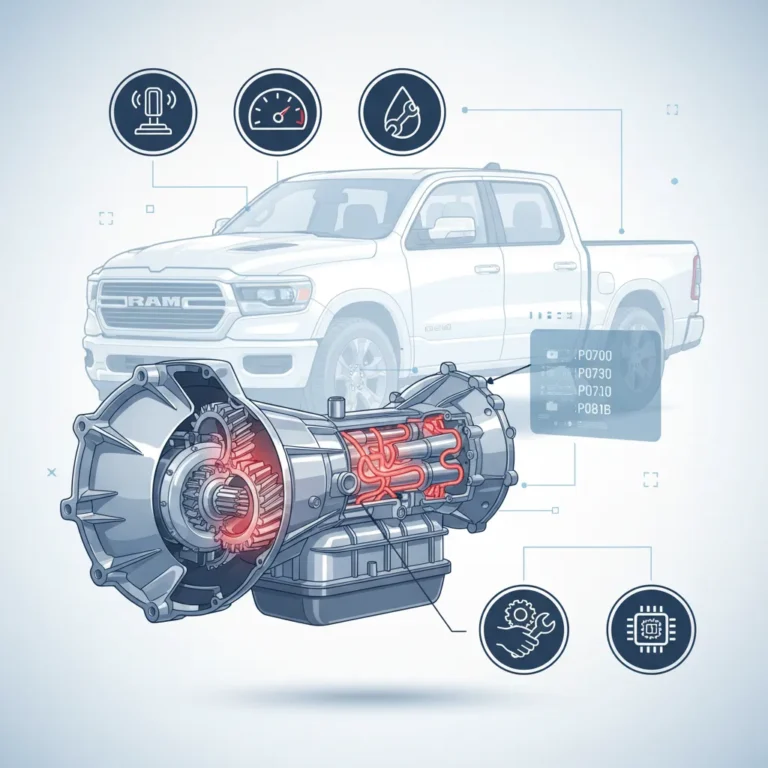
The 2019 Ram 1500 redefined the light-duty truck market with its luxury interior and smooth ride, but for many owners, that experience has been marred by the unpredictable behavior of the TorqueFlite 8-speed transmission. Owners frequently report frustrating symptoms ranging from harsh shifting and gear hunting to complete mechanical failure, often occurring shortly after the factory warranty expires. In this guide, we will diagnose the primary cause of 2019 Ram 1500 transmission problems, outline critical troubleshoot steps, and provide actionable solutions to repair these issues and restore your truck’s reliability.


Common Symptoms of 2019 Ram 1500 Transmission Failure
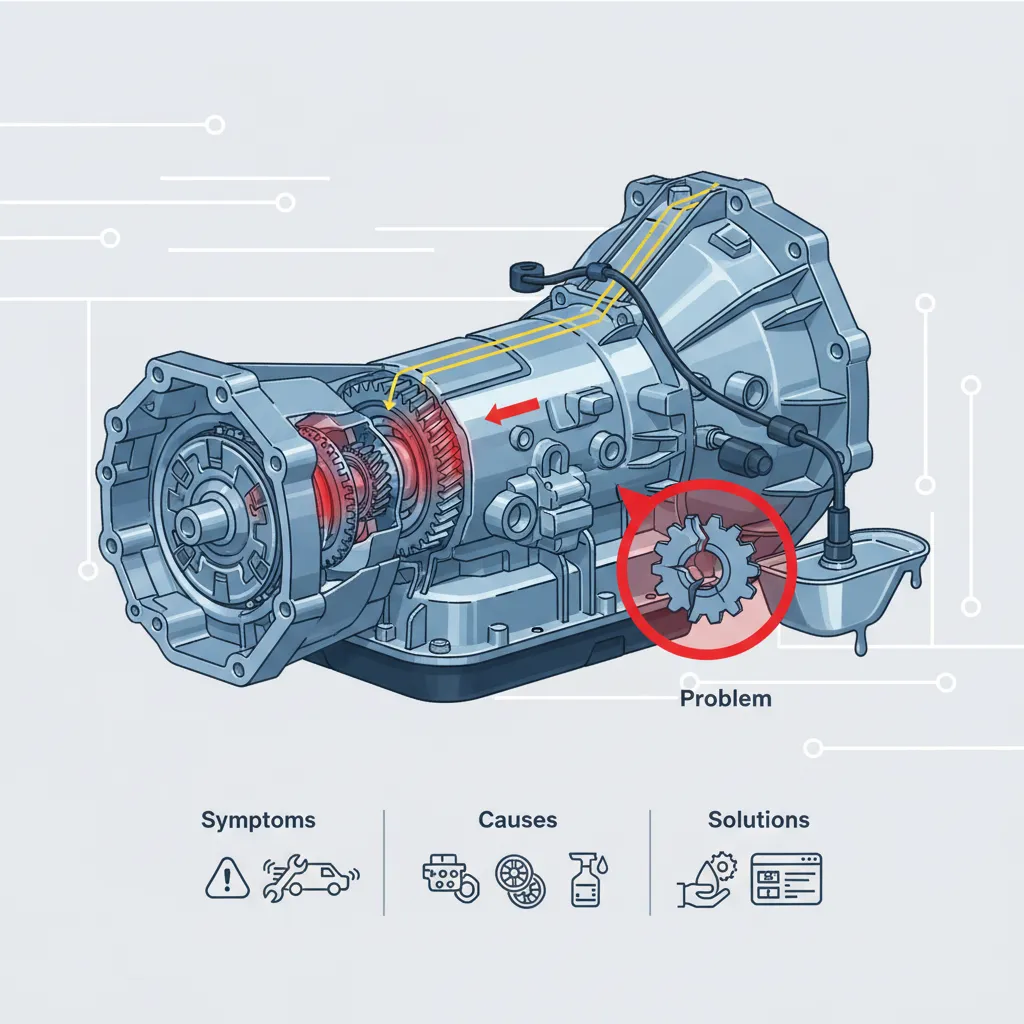
Identifying transmission trouble in the 2019 Ram 1500 requires a keen ear and a sensitive foot. While the TorqueFlite 850RE is designed for seamless operation, mechanical or electronic degradation manifests in very specific ways. According to data from CarComplaints.com, transmission problems are the top concern for this model year, with a significant number of owners reporting issues well before the 50,000-mile mark. Recognizing these red flags early is the best way to resolve issues before they leave you stranded.
Rough or Delayed Shifting
One of the most frequent complaints involves a harsh “clunk” or hesitation during low-speed maneuvers. This is particularly prevalent during the 2-to-1 downshift when coming to a stoplight. Instead of a smooth transition, the truck may feel like it was “rear-ended” by a smaller vehicle. Similarly, a delay when accelerating from a stop—where the engine revs before the gear finally engages with a thud—indicates a timing mismatch between the Transmission Control Module (TCM) and the internal hydraulic pressure.
Gear Slipping and RPM Spikes
Gear slipping is a critical safety concern. You may notice the engine RPMs spike upward without a corresponding increase in vehicle speed. This “flare” between gears suggests that the internal clutches are not fully engaging, often due to low fluid pressure or worn friction plates. If you are cruising on the highway and the transmission suddenly “kicks” out of gear, it is a clear sign that the system is struggling to maintain the requested gear ratio.
Limp Mode and Warning Indicators
When the onboard computer detects a serious deviation in performance, it may trigger “Limp Mode.” This electronic safety measure locks the transmission into a single gear (usually 2nd or 3rd) to prevent further internal damage while allowing you to drive at low speeds to a service center. This is almost always accompanied by a “Check Engine” light or a specific “Trans Temp” warning on the digital cluster. In some cases, the vehicle may refuse to shift into ‘Drive’ or ‘Reverse’ entirely after being moved from ‘Park’.
Unusual Auditory Cues
A healthy 850RE should be nearly silent. Whining or buzzing noises often point toward a failing torque converter or fluid cavitation caused by a clogged internal filter. Grinding sounds are more ominous, typically indicating metal-on-metal contact from broken planetary gear sets or bearing failure. If your truck sounds like a jet engine taking off when you are only doing 30 MPH, the transmission is likely crying out for professional diagnose work.
Root Causes: Why the TorqueFlite 850RE Experiences Issues
Understanding the “why” behind these failures is essential for choosing the right solution. The TorqueFlite 8-speed is a complex piece of engineering that relies on a delicate balance of hydraulic pressure, electronic signals, and thermal management. When one of these pillars fails, the entire driving experience suffers. For detailed parts information, you can check the official guide for your specific VIN.
By The Numbers
Speeds in the TorqueFlite
Critical Temp Threshold
Max Replacement Cost
Software and TCM Calibration
Modern transmissions are “smart,” meaning they learn your driving habits and adjust shift points accordingly. However, outdated TCM logic in the 2019 model can lead to “confused” shifting. Software glitches can cause the transmission to hunt for gears or hold a gear too long, leading to excessive wear. This is often the primary cause of the erratic shifting patterns reported by owners.
Solenoid and Valve Body Malfunctions
The valve body acts as the “brain” of the transmission, using electronic solenoids to direct fluid to the correct clutch packs. If a solenoid fails or becomes clogged with debris, the hydraulic pressure cannot be regulated correctly. This often results in a specific Diagnostic Trouble Code (DTC) like P0731 (Gear 1 Incorrect Ratio). These electronic components are highly sensitive to fluid cleanliness and can fail prematurely if the fluid is not maintained.


Overheating and Thermal Management
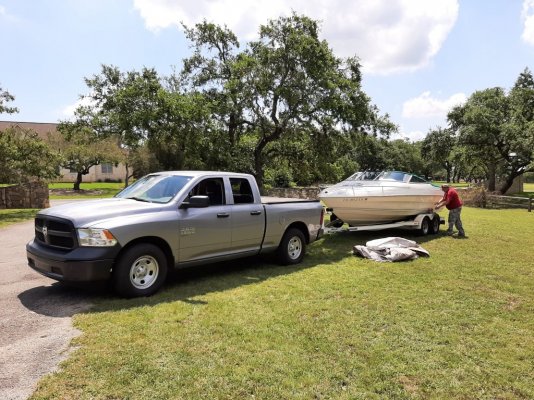
The 850RE utilizes high-viscosity synthetic fluid that is engineered to last, but it is highly susceptible to thermal breakdown. If the transmission fluid temperature consistently exceeds 220 degrees Fahrenheit—common when towing heavy loads without proper cooling—the fluid loses its lubricating properties. This leads to accelerated wear on the internal clutches and can eventually warp the valve body.
eTorque System Interference
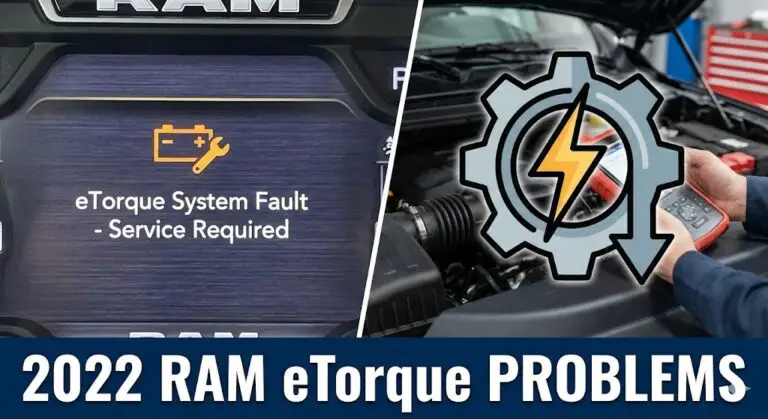
Vehicles equipped with the eTorque mild-hybrid system use a belt-driven motor generator to assist with the stop-start function and torque smoothing. If the communication between the eTorque system and the transmission is out of sync, the transition from an electric-assist stop to a mechanical-drive takeoff can feel jerky or disconnected. This debug process often requires specialized software to recalibrate the interaction between the two systems.
How to Troubleshoot and Diagnose Transmission Faults
Before committing to an expensive repair, a systematic troubleshoot approach is mandatory. Jumping to conclusions in the drivetrain world often leads to unnecessary part-swapping. Use the NHTSA database to check if your symptoms match recorded patterns for potential recall coverage.
📋
Diagnostic Checklist
Use an OBD-II scanner to pull codes from the PCM and TCM. Even without a light, “pending” codes can reveal internal timing issues.
Inspect the fill plug for signs of burnt-smelling or dark fluid. Look for external leaks near the transmission pan and cooler lines.
Check the electrical connections to the TCM for corrosion or loose pins, which can cause intermittent signal loss and erratic shifting.
Monitoring Live Data
A sophisticated diagnose involves monitoring live data while driving. Using a professional-grade scan tool, a technician can watch the transmission fluid temperature and clutch engagement times in real-time. If the fluid temperature spikes rapidly during moderate acceleration, it suggests a blockage in the transmission oil cooler or a failing thermal bypass valve. This data is invaluable for pinpointing whether the issue is hydraulic, electronic, or purely mechanical.
Proven Solutions to Repair and Resolve Shifting Issues
Once you have identified the cause, you must decide on the most cost-effective repair path. Fortunately, not every transmission problem requires a $5,000 replacement. Many shifting issues can be resolved through targeted interventions.
Always check for the latest Technical Service Bulletins (TSBs) first. For example, TSB 18-043-18 was specifically released to address and resolve shift quality complaints through a software reflash. This is often covered under the emissions or powertrain warranty.


Software Reflash and Recalibration
The first line of defense is a TCM/PCM update. Dealerships can “reflash” the computer with the most recent shifting logic developed by Ram engineers. This workaround often cures the “bump” felt during downshifts and optimizes the eTorque transitions. It is the least invasive solution and should always be the starting point for any 2019 Ram 1500 drivetrain debug.
Valve Body and Solenoid Replacement
If software doesn’t fix the problem, but the internal gears are still healthy, a valve body replacement may be necessary. This mid-tier repair involves dropping the transmission pan and replacing the hydraulic control unit. This addresses the cause of gear-specific slipping or failure to engage without requiring the entire transmission to be pulled from the truck.
Full Transmission Replacement
In cases of catastrophic internal failure—where metal shavings are found in the pan—a full rebuild or replacement is the only viable solution. A remanufactured unit from Ram specs typically carries a better warranty than a local shop’s rebuild. Expect costs to range between $3,500 and $5,500, including labor. Before paying out of pocket, verify your VIN for any open powertrain warranty extensions.
Preventative Maintenance Strategies for Longevity
The best repair is the one you never have to perform. While Ram advertises “lifetime fluid,” professional experience in the industry suggests otherwise. Proactive care is the only way to ensure the TorqueFlite 850RE reaches 200,000 miles and beyond.
✅ Pros of Early Service
- Removes metallic debris early
- Restores hydraulic pressure
- Prevents thermal fluid breakdown
- Maintains smooth shift quality
❌ Cons of Neglect
- Accelerated clutch wear
- Overheating under load
- Risk of total limp mode
- Higher long-term repair costs
Adhering to ‘Severe Service’ Intervals
If you use your Ram for towing, off-roading, or heavy stop-and-go city driving, you fall under the “Severe Service” category. Forget the 100,000-mile fluid interval. Industry experts recommend a full transmission fluid and filter change every 60,000 miles. This simple solution can extend the life of an 8-speed automatic by up to 50% compared to units that never receive a fluid exchange.
Smart Driving Habits
Avoid “hunting” for gears by utilizing the Tow/Haul mode when carrying significant weight; this adjusts the shift points to keep the transmission from shifting too frequently, which generates heat. Furthermore, avoid aggressive acceleration before the transmission fluid has reached at least 100°F. Operating a cold transmission under heavy load puts undue stress on the seals and solenoids.
The 2019 Ram 1500 remains a benchmark for truck comfort, but its TorqueFlite 850RE transmission requires vigilant ownership. While software-related shifting issues and solenoid failures are common, early diagnose through DTC scanning and fluid inspection can prevent a total transmission rebuild. Regular maintenance, staying updated on TSBs, and monitoring thermal loads are essential for long-term 5th Gen Ram ownership. If your Ram is exhibiting these symptoms, begin by checking for open recalls via the NHTSA website and consult a certified technician to perform a TCM software update before considering major mechanical repairs.
Frequently Asked Questions
What are the first signs of transmission trouble in a 2019 Ram 1500?
The earliest signs usually include a noticeable ‘thud’ when downshifting from second to first gear as you come to a stop. You may also notice a momentary hesitation or ‘flare’ in RPMs when the vehicle shifts between third and fourth gear. These symptoms often indicate that the TCM needs a software recalibration or that fluid levels are beginning to drop.


Does the 2019 Ram 1500 have a transmission recall?
While there have been various recalls for the 2019 Ram 1500, including issues with the electrical system and steering, there is no universal recall for total transmission replacement. However, several Technical Service Bulletins (TSBs) have been issued to address shifting software. Owners should check the NHTSA website with their specific VIN to see if their vehicle is covered under a powertrain-related safety recall.
How often should I change the fluid in my 2019 Ram 1500 transmission?
Ram officially suggests that the 8-speed transmission fluid is ‘filled for life,’ but industry experts and transmission specialists recommend a change every 60,000 to 80,000 miles. If you frequently tow heavy loads or drive in extreme heat, moving that interval to 50,000 miles is a prudent investment to prevent the breakdown of synthetic additives and protect the internal clutch packs.
Can a software update really fix my transmission’s rough shifting?
Yes, in many cases. The 2019 Ram 1500 uses a complex electronic control system to manage shift points. Over time, the software can develop ‘learning’ errors or become outdated. A dealership can perform a ‘Quick Learn’ procedure or flash the TCM with updated firmware, which often resolves harsh engagement and gear hunting without the need for mechanical disassembly.
Is it safe to drive my Ram if the transmission is slipping?
It is not recommended. Driving with a slipping transmission causes rapid heat buildup and excessive wear on the friction plates. What might start as a simple solenoid repair or fluid top-off can quickly escalate into a total transmission failure, potentially leaving you stranded or causing an accident if the vehicle enters ‘limp mode’ while you are in traffic.