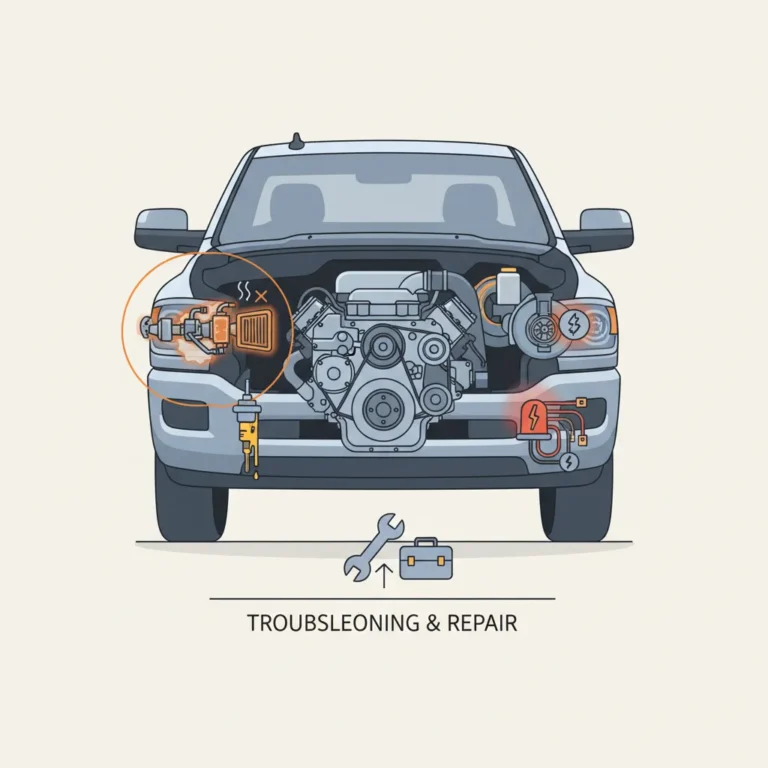
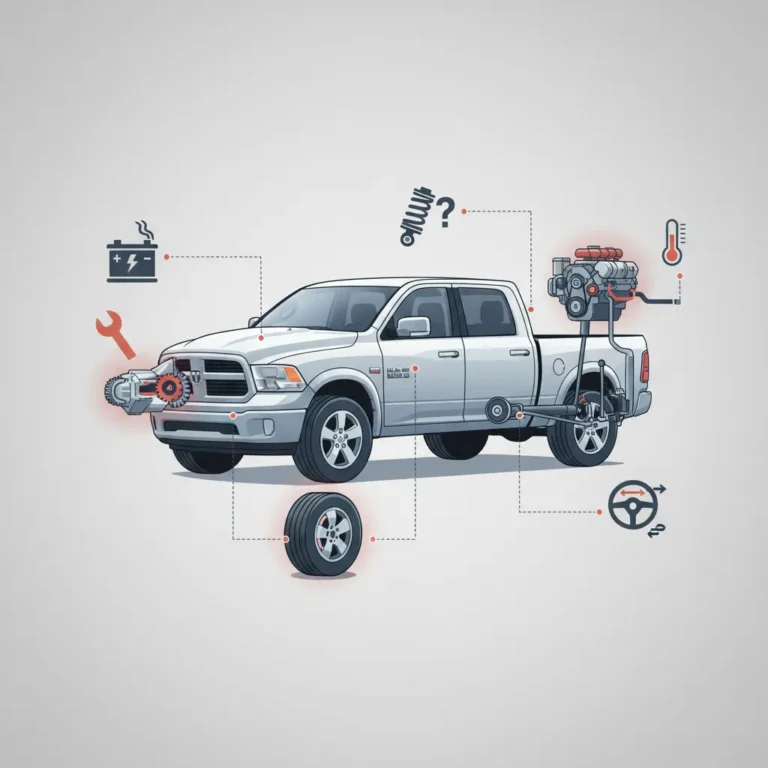
2014 Ram 2500 Diesel Problems: How To Diagnose, Troubleshoot, And Repair Common Issues

While the 2014 Ram 2500 with the 6.7L Cummins is a legendary towing powerhouse, owners often find themselves battling a specific set of mechanical hurdles that can stall even the toughest jobs. From frustrating emissions system “limp modes” to complex fuel delivery failures and transmission hesitations, these trucks require specialized knowledge to keep them on the road. In this guide, we will provide a technical deep-dive into the most common 2014 Ram 2500 diesel problems, offering professional troubleshooting steps and repair solutions to help you resolve issues efficiently before they become catastrophic failures.



Addressing Emissions System Failures: DPF and EGR Valve Malfunctions
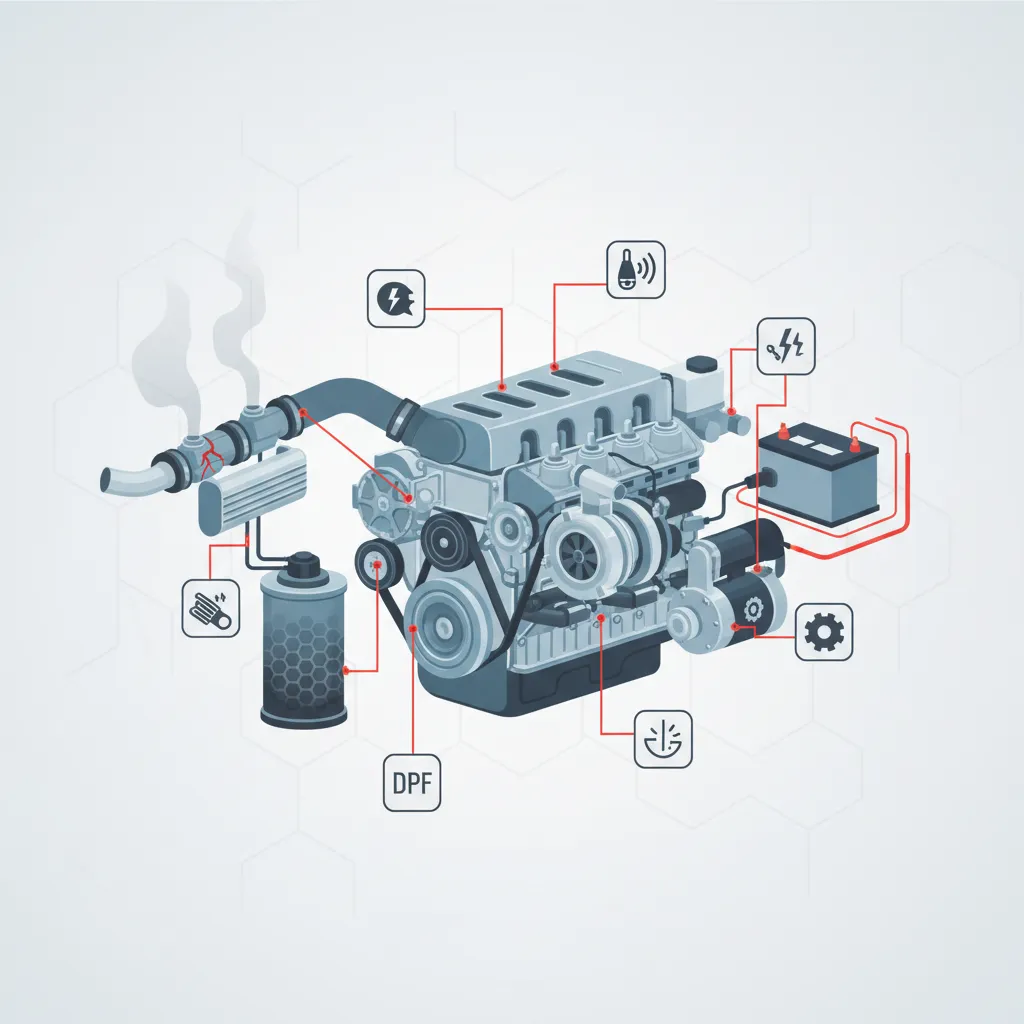
The emissions system on the 2014 Ram 2500 is perhaps its most sensitive characteristic. To meet stringent federal standards, the 6.7L Cummins utilizes a Diesel Particulate Filter (DPF) and an Exhaust Gas Recirculation (EGR) valve. When these components fail to function correctly, they are the primary cause of the dreaded “Limp Mode,” where the engine’s power is severely restricted to prevent environmental damage. Research indicates that emissions-related complaints are among the highest reported categories for the 2014 model year on the NHTSA’s reliability data database.
Diagnostic Signs of DPF Clogging
A DPF functions as a soot trap, which must periodically “burn off” accumulated carbon through a process called regeneration. You can diagnose a failing DPF by monitoring how often your truck enters this cycle. If you notice your fuel economy dropping significantly or the truck enters “Regen” every time you drive, the filter is likely nearing its capacity. For drivers who primarily use their truck for short trips around town, the exhaust never reaches the temperatures necessary for a natural burn-off, leading to a P242F (DPF Restriction) fault code.
Consider a scenario where a driver is towing a heavy fifth-wheel trailer up a steep grade. Suddenly, a “Service Exhaust System” message appears, followed by an immediate power de-rate. This is a safety protocol; however, it can be dangerous in high-traffic or high-load situations. The soot accumulation also puts backpressure on the turbocharger, which can lead to premature bearing wear.
EGR Valve Impact and Troubleshooting
The EGR valve redirects a portion of the exhaust back into the intake manifold to lower combustion temperatures. Over time, oily soot coats the valve, causing it to stick. Common symptoms include rough idling, stalling, and a P0401 (EGR Flow Insufficient) code. To troubleshoot this, one must inspect the EGR cooler and valve for heavy carbon buildup. While some owners opt for chemical cleaning, a professional repair often requires replacing the valve entirely or performing a manual “forced” regeneration via a professional-grade scan tool.
If you frequently use your truck for short commutes, take it on a 30-minute highway drive at least once a week. Maintaining speeds above 50 MPH allows the DPF to reach the temperatures required for a passive regen, preventing soot from hardening into the filter.
Diagnosing Fuel System Vulnerabilities: Injectors and Lift Pumps
The common-rail fuel system in the 2014 Ram 2500 is a marvel of engineering, capable of extreme pressure for efficient combustion. However, this precision makes it vulnerable to contaminants. According to data from RepairPal, the average annual repair cost for a Ram 2500 is $932, with a significant portion allocated to fuel and engine system maintenance. Failure to maintain the fuel system doesn’t just result in a breakdown; it can lead to catastrophic engine damage if an injector fails in the “open” position.
Identifying Lift Pump and Injector Wear
The lift pump is responsible for pulling fuel from the tank and delivering it to the CP3 high-pressure pump. Symptoms of a failing lift pump include long cranking times or engine hesitation under heavy load. A classic “crank-no-start” condition is often diagnosed as a lost prime in the fuel system or a failed lift pump relay. If the engine starts but produces excessive white smoke and a distinct “knocking” sound, you are likely looking at fuel injector wear.
To debug injector issues, a technician will perform a “balance rate test.” This measures how much fuel each injector is contributing relative to the others. If one injector is significantly higher or lower, it indicates an internal failure or a nozzle blockage. Using high-quality fuel and additives specifically designed for diesel engines can help prevent these fuel system problems by providing necessary lubrication to the moving parts of the injectors.
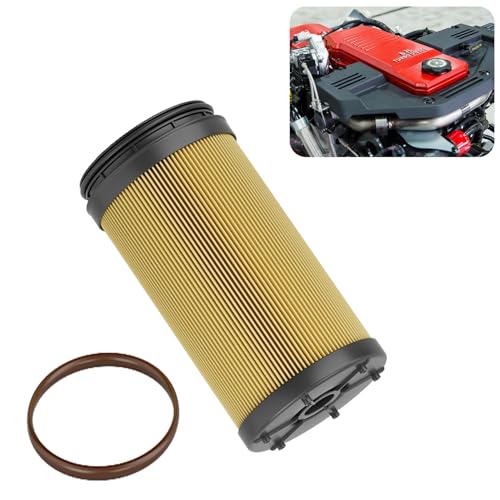

The Importance of the Dual-Filter Setup
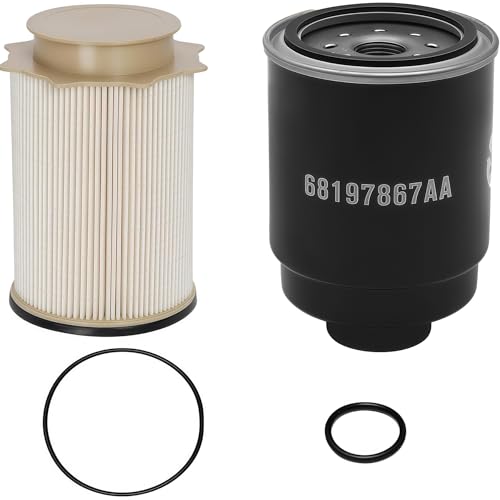
The 2014 model features a dual fuel filter system—one under the hood and one near the rear axle. This was a critical solution to address earlier fuel contamination issues. Strict adherence to the 15,000-mile filter change interval is non-negotiable. When these filters clog, they cause fuel rail pressure fluctuations that can be seen using an OBD-II scanner. Always refer to the Mopar service guides for the exact filter part numbers to ensure your warranty remains valid and your engine stays protected.
By The Numbers: Maintenance Costs
Avg. Annual Repair Cost
Fuel Filter Interval (Miles)
NHTSA Complaint Category (Fuel)
Troubleshooting 68RFE and Aisin Transmission Shifting Issues
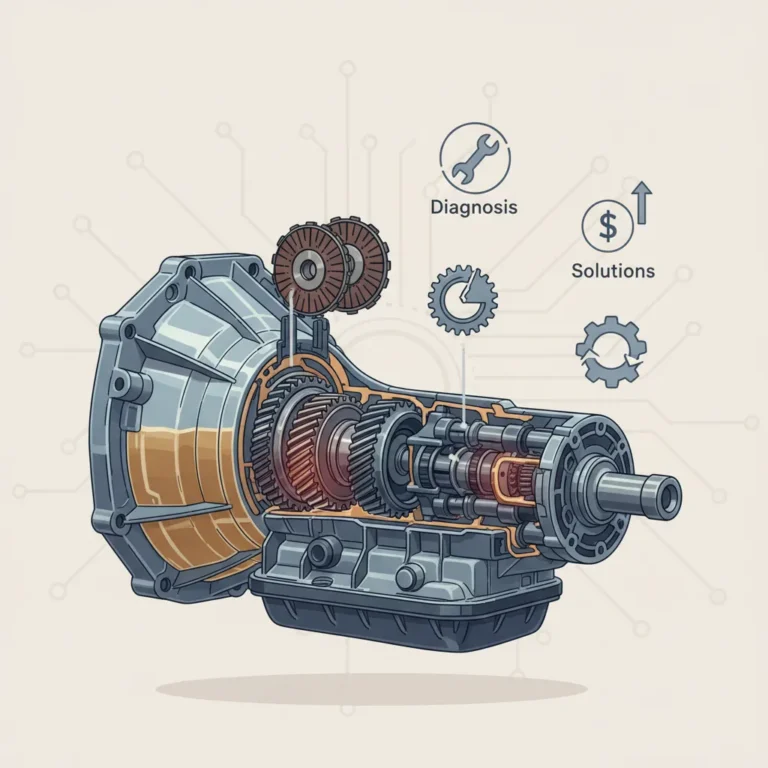
The 2014 Ram 2500 utilized two primary transmissions: the corporate 68RFE and the heavy-duty Aisin AS69RC. While the Aisin is generally more robust, both units have unique failure points that owners should be aware of. Multiple NHTSA reports cite “powertrain” issues, specifically involving erratic shifting and unexpected downshifts that can disrupt the towing experience.
Differentiating Shifting Issues
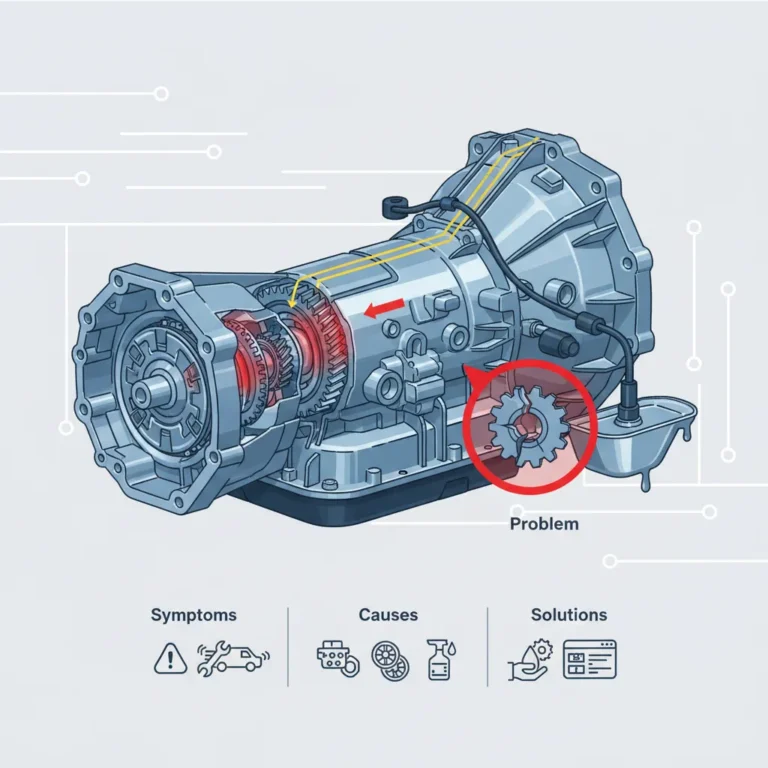
If your truck feels like it is “searching” for gears during highway cruising or experiences a shudder when the torque converter locks up, you are likely dealing with a 68RFE issue. This transmission is sensitive to line pressure. A common troubleshoot involves checking the solenoid pack and the valve body. If the internal seals leak, the transmission cannot maintain enough pressure to keep the clutch packs fully engaged, leading to slipping and eventual failure.
Conversely, the Aisin transmission may experience harsh shifting from 1st to 2nd gear. A frequent solution is a TCM (Transmission Control Module) software update, which recalibrates the shift points. In extreme cases, the truck may enter “limp mode,” where it gets stuck in 4th gear. This is a protective measure intended to allow the driver to reach a service station without destroying the internal gears.
📋
Transmission Health Checklist
Check fluid levels at operating temperature. If the fluid smells burnt or looks dark brown, the clutch packs are likely wearing prematurely.
Use a scan tool to verify that the “Actual Pressure” matches the “Desired Pressure” during shifting. Discrepancies indicate solenoid or valve body failure.
Resolving DEF System and NOx Sensor Faults
The Selective Catalytic Reduction (SCR) system requires Diesel Exhaust Fluid (DEF) to reduce NOx emissions. This system is a notorious weak point for the 2014 Ram 2500. Crystallized DEF is one of the leading causes of sensor malfunctions in 2013-2018 Ram diesel trucks. When the system detects a failure, it triggers a “5 MPH Max Speed” countdown, which can be incredibly frustrating.
NOx Sensor and Injector Maintenance
The NOx sensors (inlet and outlet) monitor the efficiency of the SCR catalyst. Because they are located in the exhaust stream, they are subjected to extreme heat and soot. When they fail, they often incorrectly report emissions levels to the Engine Control Module (ECM), causing a “Service DEF System” warning. Before replacing expensive sensors, a technician should diagnose the DEF injector nozzle. These nozzles frequently become clogged with crystallized fluid. A thorough cleaning with warm distilled water can often resolve the issue without needing new parts.
Cold Weather Failures
In colder climates, the DEF heater element is a high-failure item. DEF freezes at 12°F, and if the heater fails to thaw the fluid, the pump will run dry or the sensors will trigger a fault. To troubleshoot this, use a multimeter to check the resistance of the heater element. If the circuit is open, the entire DEF pump assembly usually needs to be replaced. For more information on winter operation, check the official Ram specs for cold weather package details.


Never use old or contaminated DEF. Once DEF begins to crystallize in the tank, it can ruin the pump and the injectors. Always buy from high-turnover retailers to ensure the fluid is fresh.
Electrical System and Wiring Harness Troubleshooting
Intermittent electrical “gremlins” are common in the 2014 Ram 2500, often caused by vibration and heat cycles in the engine bay. Wiring harness issues are often misdiagnosed as component failures, leading to unnecessary repair costs and frustration. A professional repair starts with a visual inspection of the harness rub points.
Common Wiring Rub-Through Points
The 6.7L Cummins vibrates significantly, which can cause the wiring harness to rub against the engine block or frame. Look for frayed wires near the steering column, the transmission tunnel, and the AC compressor. These shorts can cause the “Christmas tree” effect on your dashboard—where multiple warning lights for ABS, Airbags, and Traction Control illuminate simultaneously. A single frayed wire can interrupt the CAN bus communication, making it appear that multiple modules have failed.
TIPM and Battery Health
The Totally Integrated Power Module (TIPM) is the “brain” of the truck’s electrical system. If your fuel pump isn’t getting power or your headlights are acting erratically, the TIPM is a likely cause. Furthermore, Cummins engines require massive amounts of amperage for the grid heater and starting. If your batteries are even slightly weak, the low voltage during cranking can cause “ghost codes” in various sensors. Always test both batteries and ensure terminal connections are clean and tight as your first step in any electrical debug process.
Voltage Verification
Always ensure your batteries are producing at least 12.6V resting. Low voltage is the #1 cause of false sensor codes.
Harness Protection
Using plastic loom or friction tape on known rub points can prevent future electrical shorts.
In summary, while the 2014 Ram 2500 diesel faces specific challenges, most can be managed with vigilant maintenance. Emissions systems like the DPF and EGR remain the primary source of reliability issues and require proactive monitoring. Transmission and fuel system longevity are highly dependent on strict fluid and filter maintenance schedules. Finally, remember that many electrical “failures” are actually the result of sensor calibration issues or wiring harness wear. Before heading to the dealership, use a high-quality OBD-II scanner to pull specific codes and follow our troubleshooting steps to determine if a DIY repair is feasible.
Frequently Asked Questions
What are the most common problems with the 2014 Ram 2500 diesel?
The most frequent issues involve the emissions system, specifically DPF clogging and EGR valve soot buildup. Other common concerns include NOx sensor failures, DEF pump crystallization, and shifting issues in the 68RFE automatic transmission. Fuel system components like the lift pump and injectors also see higher failure rates if maintenance is neglected.


How do I troubleshoot a DPF issue on my 2014 Ram 2500 diesel?
Start by checking for codes like P242F or P2463. Perform a ‘forced regeneration’ using a diagnostic tool if the truck cannot complete an active regen on its own. If the pressure differential sensor reads high after a regen, the filter may be face-loaded with ash and require professional aqueous cleaning or replacement.
What are the symptoms of a failing EGR valve on a 2014 Ram 2500 diesel?
Common symptoms include a significant drop in fuel economy, rough idling, and hesitation during acceleration. You may also see the ‘Check Engine’ light with codes P0401 or P0402. In severe cases, the valve can stick open, causing excessive black smoke and preventing the engine from starting or staying at idle.
How often should I change the fuel filter on my 2014 Ram 2500 diesel?
Ram recommends changing both fuel filters every 15,000 miles or every 12 months, whichever comes first. However, if you are frequently using high-biodiesel blends or idling for long periods, a 10,000-mile interval is safer. Always use high-quality filters with the correct micron rating to protect the sensitive high-pressure common rail system.
What type of oil should I use in my 2014 Ram 2500 diesel?
You should use a high-quality 15W-40 heavy-duty engine oil that meets the Cummins CES 20081 or 20086 standards. In colder climates where temperatures drop below 0°F, a synthetic 5W-40 oil is recommended to ensure proper lubrication during cold starts and to reduce wear on the turbocharger bearings.