2014 Ram 1500 Problems: How To Diagnose And Repair Common Faults

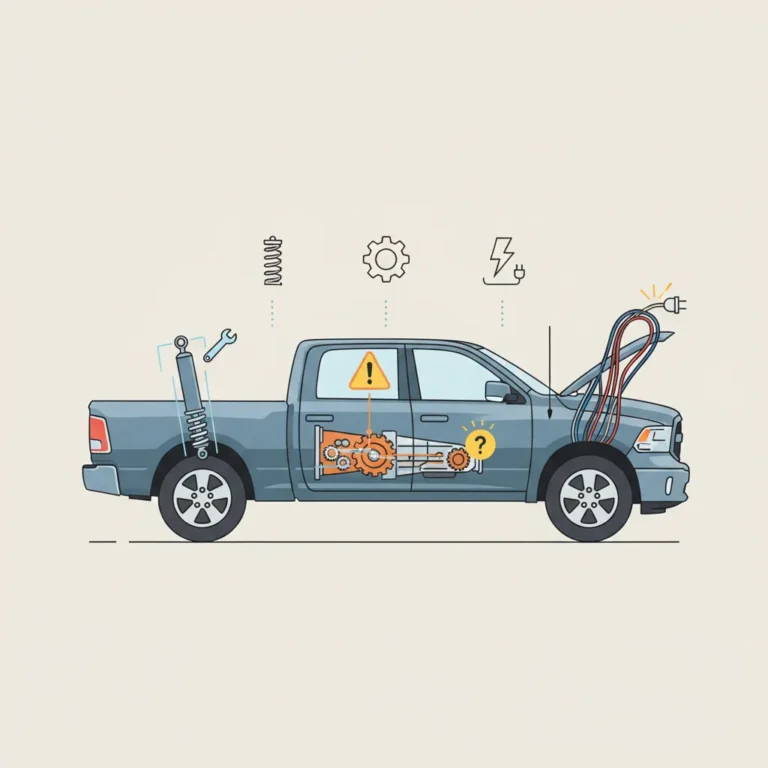
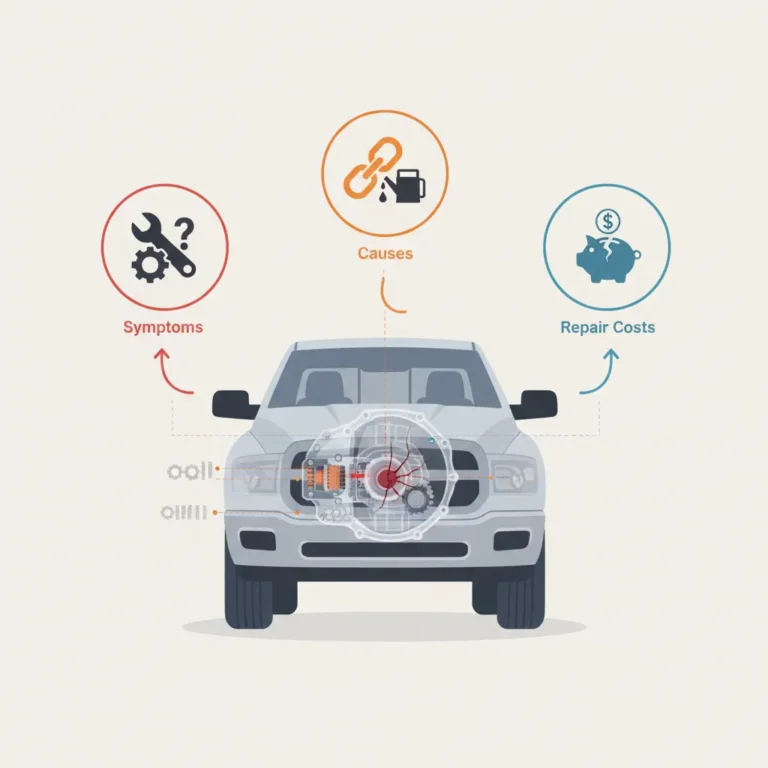
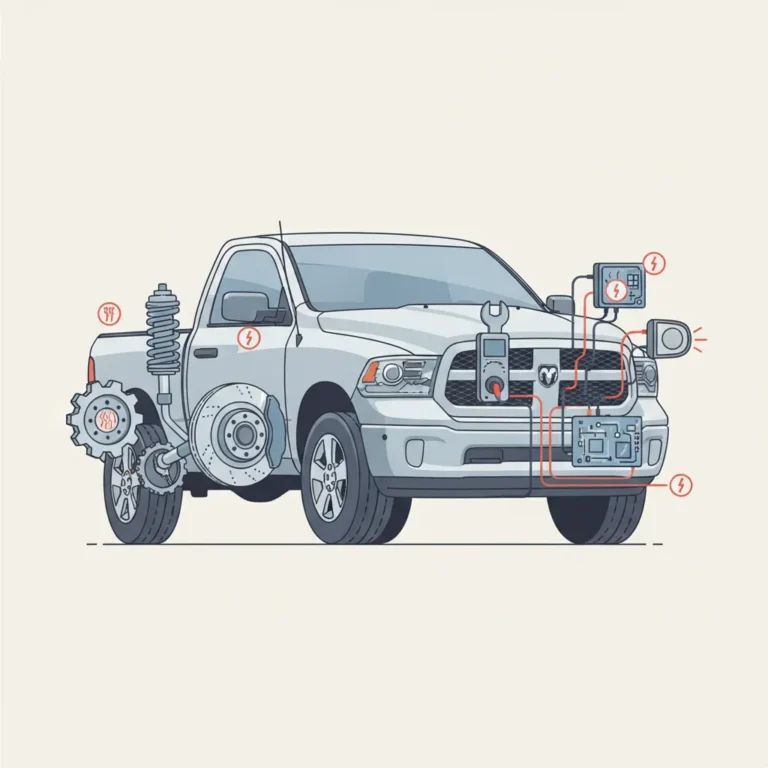
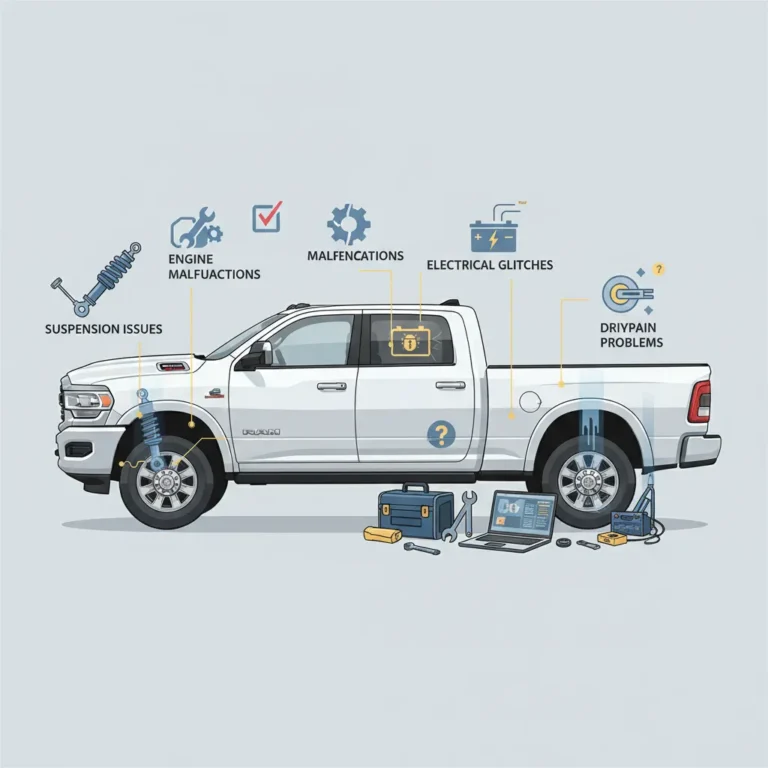
The 2014 Ram 1500 redefined the light-duty truck market with its coil-link rear suspension and class-leading interior, but a decade later, certain mechanical ‘gremlins’ have become well-documented among high-mileage owners. While the fourth-generation Ram remains a favorite for its ride quality and HEMI power, owners often struggle with the complexity of the 2014 model’s advanced features, including the Active-Level air suspension, HEMI engine lifter noises, and Uconnect electrical glitches. This guide provides a technical deep dive into these common 2014 Ram 1500 problems, offering expert troubleshooting steps, repair solutions, and data-backed advice to keep your truck on the road.



Common Air Suspension System Failures and Solutions
The Active-Level Four-Corner Air Suspension system was a standout feature for the 2014 model, offering load leveling and improved aerodynamics. However, this system has become one of the highest-frequency complaint categories, particularly for those living in northern climates. The primary cause of failure is often environmental, where extreme cold and moisture lead to a total system collapse.
Identifying Pneumatic Failure
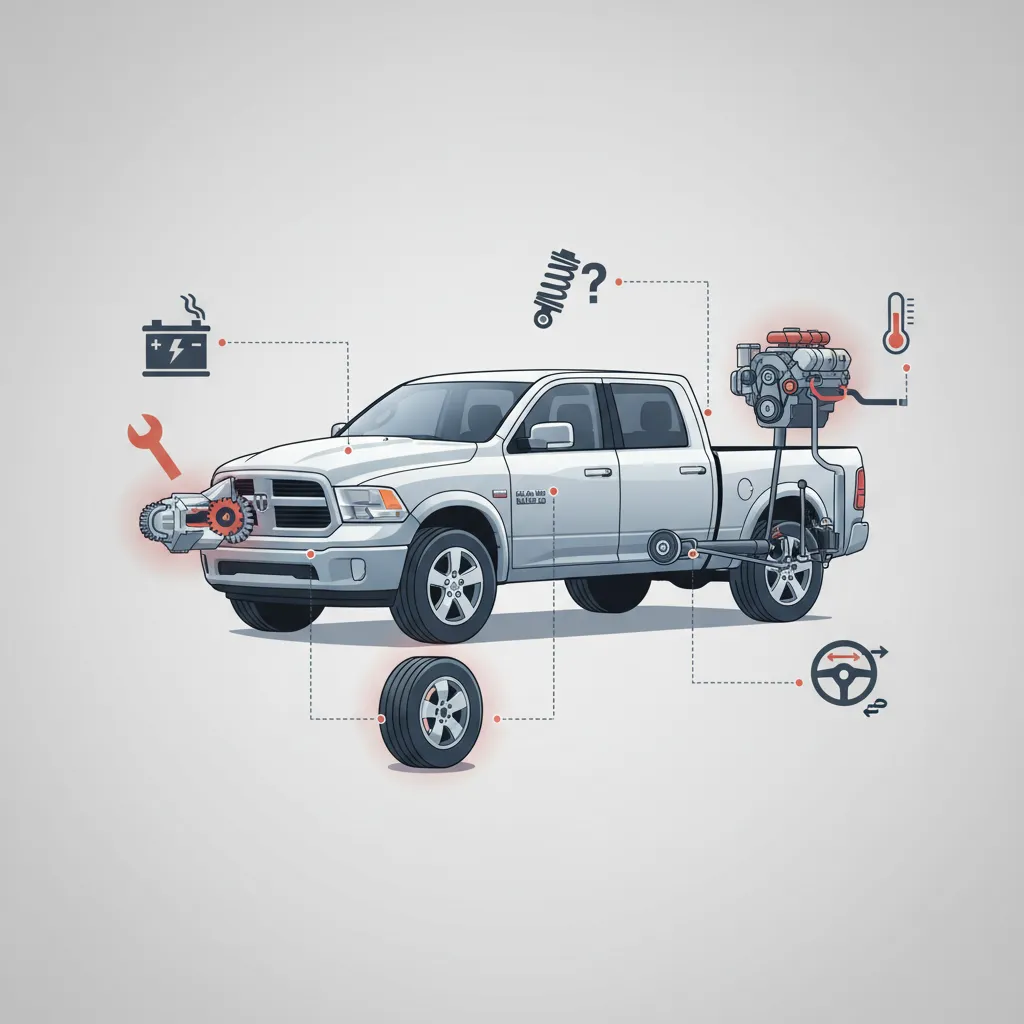
Symptoms of failure typically begin with an unlevel ride height or “sagging” when the vehicle is parked overnight. In cold weather, it is common for a 2014 Ram 1500 to bottom out completely because moisture in the air lines freezes, preventing the valves from opening or closing. You may also notice the air compressor running excessively or sounding louder than usual as it attempts to compensate for a leak.
Troubleshooting the Closed-Loop System
The 2014 Ram uses a closed-loop nitrogen system. To diagnose a leak, use a soapy water solution sprayed onto the fitting points, air springs, and reservoir tanks. Bubbles will indicate a breach in the system. If the ‘Service Air Suspension’ warning appears on the Electronic Vehicle Information Center (EVIC), the first step should be to check the air suspension control module and the compressor relay for electrical continuity. Many owners find that the system fails to engage ‘Entry/Exit’ mode because of a simple blown fuse or a faulty height sensor that has been knocked out of alignment.
Never attempt to service the air suspension system without properly supporting the frame on jack stands. A sudden loss of pressure can cause the vehicle to drop instantly, posing a severe crush hazard.
Repair vs. Conversion
Minor issues can be resolved by replacing O-rings or performing a nitrogen refill to remove moisture. However, for those facing repetitive compressor failures, a popular workaround is installing a coil-spring conversion kit. This replaces the pneumatic components with traditional struts and springs, providing a permanent solution to ride-height instability at the cost of the leveling feature.
Engine Reliability: Addressing the HEMI Tick and MDS Issues
The 5.7L HEMI V8 is the heart of the 2014 Ram 1500, but it is not without mechanical vulnerabilities. As a seasoned technician, I often see two distinct “ticks” that owners report: one is an easy fix, the other is an engine-out surgery. Distinguishing between them is critical for your wallet.
The “HEMI Tick”: Manifold Bolts vs. Lifters
If you hear a ticking sound that disappears once the engine warms up, you likely have an exhaust manifold leak. This is a chronic issue where thermal expansion causes the rear-most mounting bolts to snap off. To confirm, look for soot around the heat shield of the exhaust manifold. Research indicates that exhaust manifold bolt failure typically occurs between 60,000 and 100,000 miles. To repair this, you must extract the broken studs from the cylinder head and install new bolts, ensuring they are properly torqued to specification.
Use a mechanic’s stethoscope to isolate the noise. If the ticking is coming from the top of the valve cover and persists when warm, it’s likely a seized lifter roller—a much more serious issue that can wipe out the camshaft lobe.



MDS and Cooling System Faults
The Multi-Displacement System (MDS) deactivates four cylinders to save fuel. When MDS solenoids fail, the engine may struggle to transition between modes, causing noticeable vibration or a drop in fuel economy. Furthermore, the 2014 model is prone to water pump failures. A failing water pump often gives no warning before it seizes, leading to rapid overheating and potential head gasket damage. Always monitor your temp gauge and check for weeping coolant around the pump pulley.
Electrical System Troubleshooting and Uconnect Malfunctions
Modern trucks are rolling computers, and the 2014 Ram 1500 is no exception. While the Uconnect 8.4 system is generally well-regarded for its user interface, it is prone to software glitches that can be frustrating to troubleshoot.
Uconnect and Infotainment Glitches
Common symptoms include screen freezes, spontaneous reboots, and GPS inaccuracies. Before seeking hardware replacement, try a “soft reset” by holding down the volume and tuner knobs simultaneously. If that fails, checking for a firmware update is essential. Many ‘Phone Not Available’ errors can be resolved by downloading the latest software from the Ram specs forum and installing it via a USB stick.
TIPM and Sensor Failures
The Totally Integrated Power Module (TIPM) is the brain of the electrical system. A faulty TIPM can cause parasitic battery drains, fuel pump issues, or headlights that refuse to turn off. Additionally, faulty wheel speed sensors often trigger a “Christmas tree” of dashboard lights, including ABS and Traction Control. Using a diagnostic scan tool to retrieve specific trouble codes is the most efficient way to debug these sensor communication errors.
By The Numbers
Reliability Rating
Avg. Yearly Repair Cost
Recorded Recalls
Transmission Performance: Diagnosing Harsh Shifting and Shudders
The 2014 Ram 1500 primarily utilized the ZF 8-speed automatic (8HP70), though some models retained the 6-speed. While the 8-speed is widely praised for its efficiency, it is highly sensitive to fluid quality and electronic calibration.
Shifting Irregularities
Owners frequently report a “clunk” when coming to a stop or harsh 1-2 upshifts. This is rarely a mechanical failure of the gears; instead, it usually requires a Transmission Control Module (TCM) relearn or a software calibration update. If you experience a “shudder” during acceleration, it may not be the transmission at all, but rather the torque converter clutch engaging during MDS activation. According to the official guide, transmission software issues contribute significantly to the truck’s overall repair frequency.
The “Sealed for Life” Myth
ZF claims these units are sealed for life, but real-world experience suggests otherwise. Leaks at the plastic oil pan or output shaft seal can lead to low fluid levels, resulting in gear slipping. To maintain longevity, replace the fluid and the integrated pan filter every 60,000 to 80,000 miles using only ZF-specification fluid (Lifeguard 8). Attempting to use generic ATF can cause irreparable damage to the valve body.
NHTSA Recalls and Critical Safety Inspections
Safety is paramount, and the 2014 Ram 1500 has been subject to several significant recalls. Ensuring these have been addressed is the first step in responsible ownership. You can check your specific vehicle’s status on the NHTSA database using your 17-digit VIN, found on the driver-side dashboard.



📋
Critical Recall Checklist
Verify if your truck is part of the massive Takata recall, where inflators can rupture during deployment.
Ensure the pin connecting the pedal to the master cylinder is secure to prevent total brake loss.
Check for a defect that may prevent the cruise control from cancelling, requiring a PCM flash.
Preventative Maintenance for High-Mileage Reliability
Owners who follow a proactive maintenance schedule report reaching 200,000+ miles with their 2014 Ram 1500, despite its middle-of-the-pack reliability rating. The key is to exceed the manufacturer’s minimum requirements, especially if the truck is used for frequent towing.
Lubrication and Fluids
To protect the HEMI lifters and camshaft, implement a strict oil change regimen using high-quality synthetic 5W-20 oil every 5,000 miles. Don’t wait for the oil life monitor to hit 0%. Additionally, service the cooling system every 100,000 miles or 10 years. A fresh mix of OAT (Organic Additive Technology) coolant is vital to prevent internal corrosion that leads to water pump failure.
Suspension and Driveline Care
If you have air suspension, regularly clean and lubricate the ride-height sensors located near the control arms. Road salt and grime can cause these to seize, leading to false readings and system errors. Furthermore, don’t neglect the differential and transfer case fluids. Towing puts immense heat into these components; changing the gear oil every 50,000 miles is a cheap insurance policy against a costly rebuild.
✅ Maintenance Pros
- Extends HEMI engine life significantly
- Prevents common air suspension faults
- Ensures smooth transmission shifting
- Maintains high resale value
❌ Neglect Cons
- Costly “HEMI Tick” cam repairs
- Sudden air suspension collapse
- Overheating and head gasket failure
- Electrical parasitic drain issues
In summary, air suspension failures and engine manifold leaks are the most frequent mechanical hurdles for the 2014 model year. However, many of the truck’s electrical glitches are software-dependent and can be resolved with system updates or module resets. Adhering to safety recalls and a rigorous preventative maintenance schedule is essential for long-term ownership success. Check your VIN against the NHTSA recall database today and perform a visual inspection of your exhaust manifold bolts to catch issues before they escalate.
Frequently Asked Questions
What are the most common problems with the 2014 Ram 1500?
The most frequent issues reported by owners include air suspension failure in cold climates, exhaust manifold bolt breakage on the 5.7L HEMI engine, and ‘HEMI tick’ caused by lifter or camshaft wear. Additionally, electrical glitches in the Uconnect infotainment system and harsh shifting from the 8-speed automatic transmission are common complaints that often require software updates to resolve.


How reliable is the 2014 Ram 1500 compared to other trucks?
The 2014 Ram 1500 earns a reliability rating of 3.5 out of 5.0 from RepairPal, ranking it 10th out of 17 full-size trucks. While it offers a superior ride quality due to its unique suspension design, it has higher-than-average frequencies of minor and major repairs compared to competitors like the Toyota Tundra or Chevrolet Silverado from the same year.
What is the average repair cost for a 2014 Ram 1500?
Owners can expect an average annual repair cost of approximately $662. This figure is slightly higher than the industry average for full-size trucks. Costs can spike significantly if the air suspension compressor fails (up to $1,500) or if the HEMI engine requires lifter and camshaft replacement (up to $3,500).
Are there any active recalls for the 2014 Ram 1500?
Yes, there are several significant recalls for this model year. Major recalls involve the Takata airbag inflators, a faulty brake pedal link pin that can cause the pedal to detach, and software issues related to the cruise control system. Owners should visit the NHTSA website and enter their VIN to confirm if all safety recalls have been completed.
How do I troubleshoot air suspension problems on my 2014 Ram 1500?
Start by checking for the ‘Service Air Suspension’ message on the dash. If the truck is sagging, spray the air springs and line fittings with a mixture of soap and water to look for bubbles indicating a leak. Listen for a loud or constantly running compressor. In cold weather, moisture in the lines is often the culprit, requiring a system purge and nitrogen refill.