Dodge Ram 2500 Steering Diagram: Component Identification And Troubleshooting Guide

For the Dodge Ram 2500 owner, the steering system is the critical link between a high-torque powerhouse and a controlled, professional driving experience. These trucks are engineered to move massive loads, yet the complexity of the heavy-duty recirculating ball system can make troubleshooting issues like the ‘death wobble’ or excessive play difficult without a clear understanding of the component layout. This guide provides a detailed steering diagram breakdown, expert component identification, and reliable maintenance advice to ensure your Ram 2500 remains a trusted tool on the road, whether you are hauling a fifth-wheel or navigating a job site.


The Architecture of the Dodge Ram 2500 Recirculating Ball Steering System
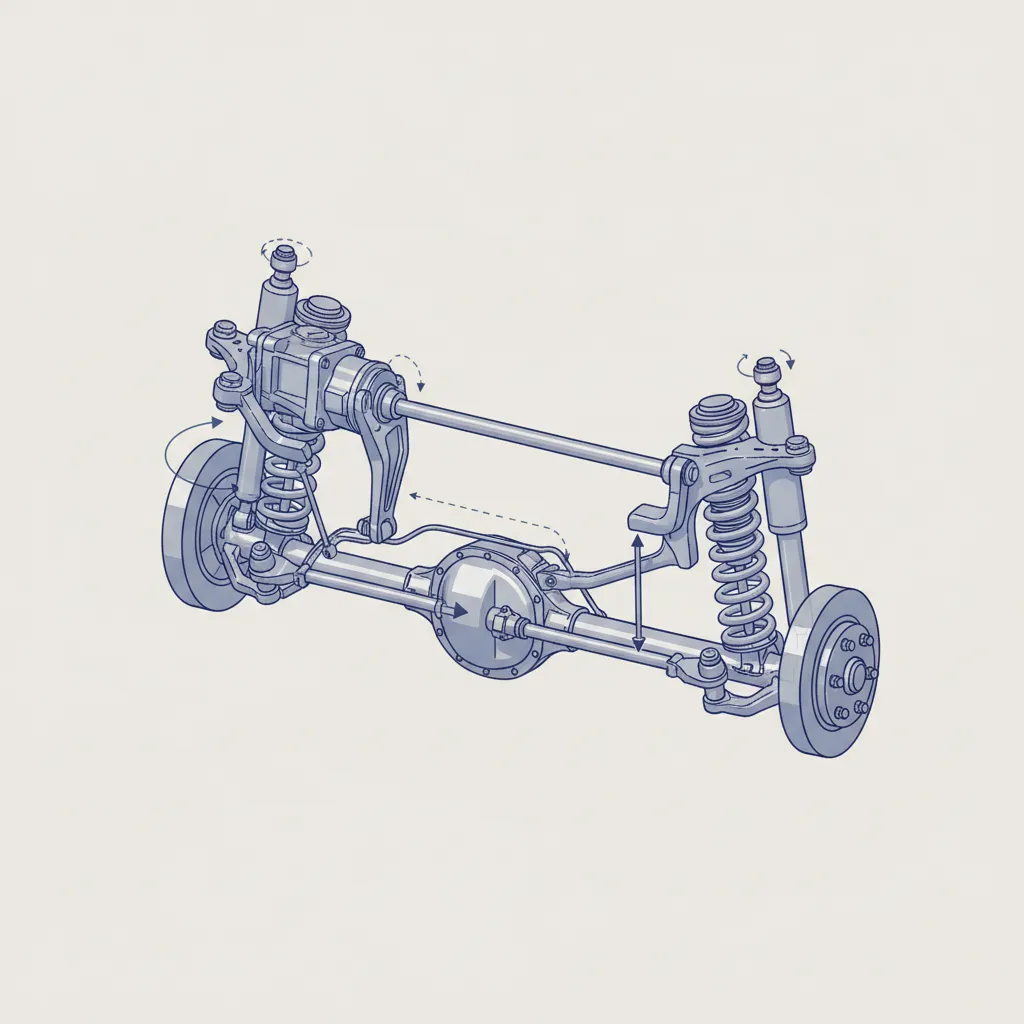
Unlike lighter half-ton pickups or passenger cars that typically use rack-and-pinion steering, the Dodge Ram 2500 employs a recirculating ball steering gearbox. This design is an industry standard for vehicles with a GVWR exceeding 8,500 lbs. The primary reason for this choice is the system’s inherent robustness; it can handle the significant high-torque demands and heavy front-axle loads associated with Cummins diesel engines and heavy-duty towing applications. In a rack-and-pinion system, the steering forces are concentrated on a relatively small area of the gear teeth, whereas the recirculating ball system distributes the load over a series of ball bearings within a worm gear, significantly reducing localized stress.
The steering gearbox acts as the central hub of the entire assembly. It converts the rotational force from the steering shaft into linear movement. Inside the housing, a worm gear turns, moving a nut that is threaded onto it. Ball bearings “recirculate” through the nut to provide a smooth, low-friction interface. This movement rotates the sector shaft, which is connected to the exterior linkage. For the professional driver, this results in a steering feel that is less about “darty” car-like handling and more about stable, linear control under load.
Stability and Geometry
The frame-mounted design of the Ram 2500 gearbox provides a rigid foundation. This is crucial during heavy-duty towing, where front-end lift or suspension compression can alter steering geometry. There are notable differences between models:
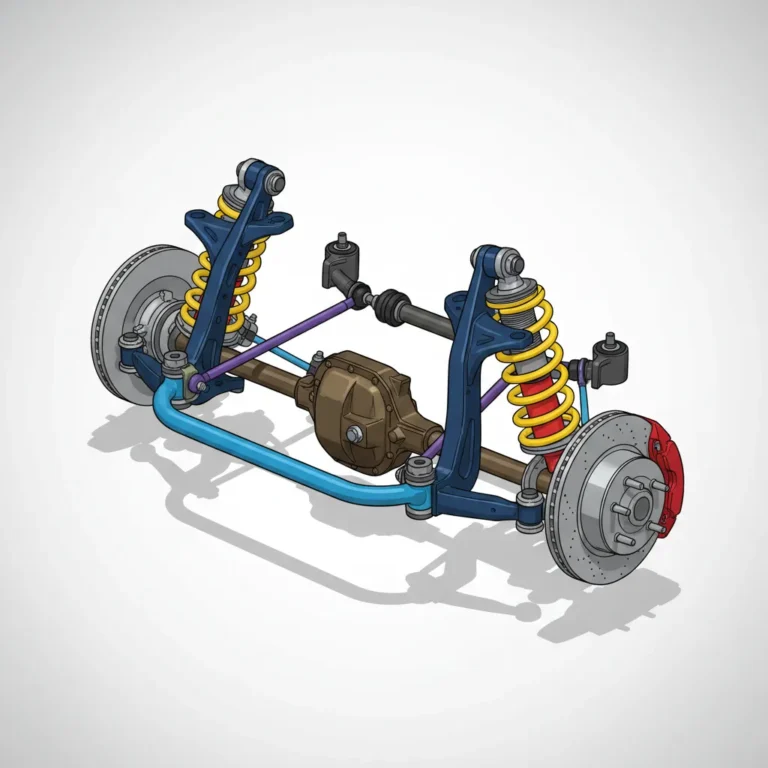
- 4WD Models: Utilize a solid front axle, which requires a more complex linkage (drag link and track bar) to manage the vertical movement of the entire axle.
- 2WD Models: Typically use an independent front suspension (IFS), which employs a different geometry but maintains the same heavy-duty gearbox principles.
Understanding this architecture is the first step in performing a quality inspection or repair.
Dodge Ram 2500 Steering Diagram: Essential Components and Linkage
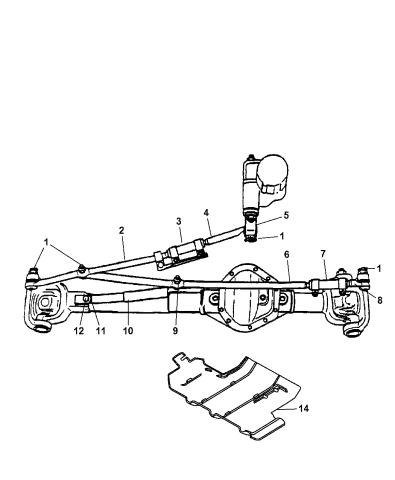
Visualizing the steering system requires breaking it down into the “steering gear” and the “steering linkage.” When looking at a comprehensive steering diagram, several critical components stand out as the primary actors in moving your wheels.
The Pitman Arm and Drag Link
The Pitman Arm is the heavy-duty lever that connects the steering gearbox’s output shaft to the linkage. It is the bridge between the hydraulic power of the box and the physical movement of the wheels. From the Pitman Arm, the force travels through the Drag Link. In many Ram 2500 configurations, the drag link connects directly to the passenger-side steering knuckle or to a tie rod assembly. If you experience “wandering” at highway speeds—where the truck feels like it is drifting and requires constant correction—it is often due to wear at the drag link’s ball joints.
Older Ram models often featured a “Y-style” linkage where the toe setting changed as the suspension moved. Many experts recommend upgrading to the “T-style” linkage (standard on 2008.5+ models) for a more reliable and stable feel, as it keeps the tie rods in a straight line between the knuckles.


Tie Rods, Knuckles, and Ball Joints
The Tie Rods are responsible for the final stage of movement, pushing or pulling the Steering Knuckles. These knuckles house the wheel bearings and provide the pivot point for the wheels. Supporting these knuckles are the Upper and Lower Ball Joints. Because the Ram 2500 is a heavy vehicle, these joints are under immense pressure. A single failed boot on a tie rod end can allow moisture to ingress, leading to internal corrosion and dangerous “play” in the steering. Professional mechanics know that most steering linkages contain 4 to 6 critical pivot points that must be checked for movement during every oil change.
Power Steering System Dynamics: Pumps, Hoses, and Hydraulic Fluid
The steering on a Ram 2500 is not purely mechanical; it is a high-pressure hydraulic system. The engine-driven hydraulic pump is the heart of this assistance. It generates the necessary pressure to allow a driver to turn 35-inch tires with one hand. This pump is connected to the gearbox via a high-pressure supply line and a low-pressure return line.
By The Numbers
Avg. Pump Replacement Cost
Wobble Issues via Track Bar
Recommended Fluid Flush (Miles)
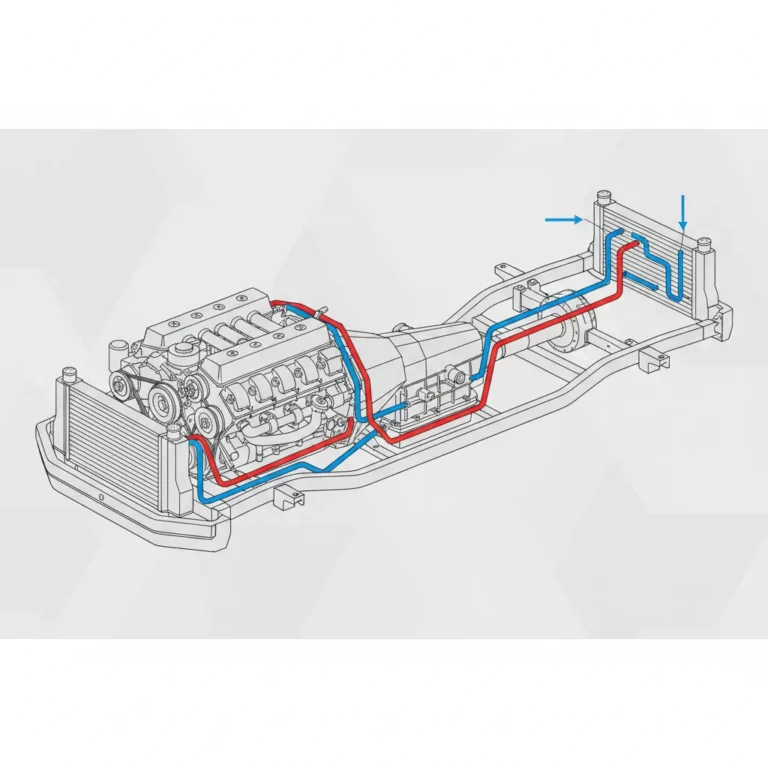
Research from RepairPal estimates indicates that replacing a power steering pump on a Ram 2500 typically costs between $526 and $637. Given this expense, maintaining fluid health is paramount. Most modern Ram trucks require ATF+4 or a specific Mopar power steering fluid. Using the wrong fluid can lead to seal swelling and pump cavitation, often characterized by a “moaning” or “whining” noise during low-speed maneuvers. Furthermore, many 2500 models include a steering fluid cooler, which is essential for dissipating heat during intense towing or off-road use.
Diagnosing Common Issues: The ‘Death Wobble’ and Steering Play
Perhaps the most notorious issue associated with the Ram 2500’s solid front axle is the “Death Wobble.” This is a violent, self-sustaining oscillation of the front wheels that usually occurs after hitting a bump at highway speeds. It is not just a vibration; it is a frightening loss of control that requires the driver to slow down significantly to stop the shaking.
Root Causes of Steering Instability
While the death wobble can be terrifying, it is always caused by a mechanical deficiency. Expert diagnostic shops report that a vast majority of these cases are linked to:
- Track Bar Failure: The track bar keeps the axle centered under the frame. If the bushings are soft or the bolt holes are ovaled, the axle can shift laterally, triggering the wobble.
- Worn Steering Stabilizer: While a stabilizer shouldn’t be used to mask mechanical issues, a failed dampener cannot suppress the minor oscillations that lead to a full wobble.
- Ball Joint Play: Excessive vertical or lateral play in the knuckles allows the wheels to “flutter.”
Regularly reviewing an official guide for torque specifications can prevent many of these issues from developing.
📋
Professional Inspection: The Dry Park Test
With the engine running and the truck in park, have a helper cycle the steering wheel rapidly back and forth between the 10 o’clock and 2 o’clock positions.
Lay under the front of the truck (use safety precautions) and watch the pitman arm, drag link, and tie rod ends. Any “pop” or delay in movement indicates a worn joint.


Focus specifically on the frame-side mount of the track bar. If the bar moves before the truck does, the bushings or mounting hardware are compromised.
Maintenance Protocols and Quality Steering Upgrades
To keep your Ram 2500 steering system in peak condition, a proactive maintenance schedule is non-negotiable. Unlike modern “sealed-for-life” passenger cars, many heavy-duty Ram components feature grease zerks. Using a high-quality NLGI Grade 2 EP (Extreme Pressure) grease every oil change can extend the life of your tie rod ends and ball joints by as much as 40%.
Aftermarket Enhancements
For owners who have lifted their trucks or run larger tires (35″+), the factory steering system may face accelerated wear. In these cases, trusted aftermarket upgrades can provide a significant benefit. One of the most effective modifications is a Steering Box Stabilizer Brace. This brace ties the sector shaft of the gearbox to both frame rails, preventing the frame from flexing and protecting the gearbox internal bearings from side-load stress. Additionally, switching to a heavy-duty forged track bar can provide the rigidity needed to eliminate steering wander.
✅ Pros: HD Linkage Upgrades
- Reduced steering “dead zone”
- Better handling with oversized tires
- Increased resistance to Death Wobble
- Greaseable joints for longer life
❌ Cons: HD Linkage Upgrades
- Higher initial part cost
- Requires professional alignment
- Can transmit more road vibration
- May require specific wheel backspacing
When searching for Ram specs or parts, always prioritize quality. The steering system is a safety-critical assembly. Cheap, no-name tie rod ends may save money today but can lead to catastrophic failure under the weight of a heavy diesel engine tomorrow. Always perform a front-end alignment after any component replacement to ensure even tire wear and predictable handling.
Never ignore a sudden change in steering effort or the onset of a wobble. These are indicators of mechanical failure. A snapped drag link or tie rod will result in a total loss of steering control. If your Electronic Stability Control (ESC) light activates during normal driving, it may be detecting an alignment issue caused by worn steering components.
In summary, the Dodge Ram 2500 steering system is a robust, professional design optimized for heavy-duty demands. Identifying components like the pitman arm, drag link, and gearbox is the first step in diagnosing steering instability or excessive play. By understanding the hydraulic dynamics and the importance of the recirculating ball architecture, owners can better maintain their vehicles and make informed decisions on upgrades. Regular lubrication and hydraulic fluid maintenance remain non-negotiable for system longevity and safety. Consult our detailed diagram points during your next inspection to identify worn parts before they lead to costly repairs or safety hazards on the road.
Frequently Asked Questions
Where can I find a specific steering system diagram for my year of Dodge Ram 2500?
The most reliable sources for specific model-year diagrams are official Mopar service manuals or trusted repair databases like ALLDATA and Mitchell 1. These provide detailed exploded views of the gearbox, linkage, and hydraulic routing tailored to your VIN, ensuring you reference the correct T-style or Y-style configuration used in your specific production run.


What are the primary causes of the ‘death wobble’ in a Ram 2500?
The ‘death wobble’ is typically triggered by a combination of worn track bar bushings, loose steering stabilizers, or excessive play in the ball joints. When one component fails to dampen road vibrations, it creates a harmonic oscillation across the solid front axle. Professional diagnosis involves checking the track bar for lateral movement and ensuring all steering linkage nuts are torqued to factory specifications.
How do I correctly check the power steering fluid level?
To get a professional and accurate reading, check the fluid while the engine is at operating temperature. Park on level ground, turn the steering wheel lock-to-lock twice to bleed any air, and then check the dipstick attached to the reservoir cap. Ensure the level falls between the ‘HOT’ marks. Always use ATF+4 or the fluid specified in your owner’s manual to avoid seal damage.
When should I consider replacing a tie rod end on my Ram 2500?
Tie rod ends should be replaced immediately if there is any visible movement within the joint during a dry park test, or if the protective rubber dust boot is torn. A failed tie rod end can lead to sudden loss of steering control. Expert mechanics recommend replacing tie rods in pairs to maintain consistent alignment and prevent uneven tire wear across the front axle.
Is an aftermarket steering box brace worth the investment?
For owners of the Ram 2500, a steering box stabilizer (sector shaft brace) is a highly recommended professional upgrade. It supports the sector shaft of the steering gearbox, preventing it from flexing under the side-loading forces common with heavy engines and oversized tires. This brace significantly reduces frame flex, improves steering precision, and extends the overall life of the steering gearbox.