
2006 Dodge Ram Relay Location And Power Distribution Center Identification

A sudden electrical failure in your 2006 Dodge Ram—whether it is a refusal to start, a flickering headlight, or a complete lack of horn response—often traces back to a single, inexpensive component: the relay. These electromagnetic switches act as the gatekeepers for high-amperage circuits, protecting your sensitive electronic control modules from the heavy loads required to operate fuel pumps and starter motors. Locating the specific relay for your fuel pump, starter, or A/C can be difficult without a clear map of the Power Distribution Center and interior panels. This guide provides an authoritative breakdown of every 2006 Dodge Ram relay location, identifying their functions and offering professional diagnostic steps to get your truck back on the road.

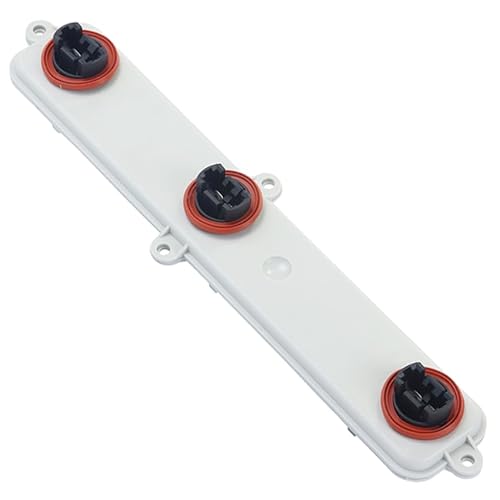


Locating the Primary Power Distribution Center Under the Hood
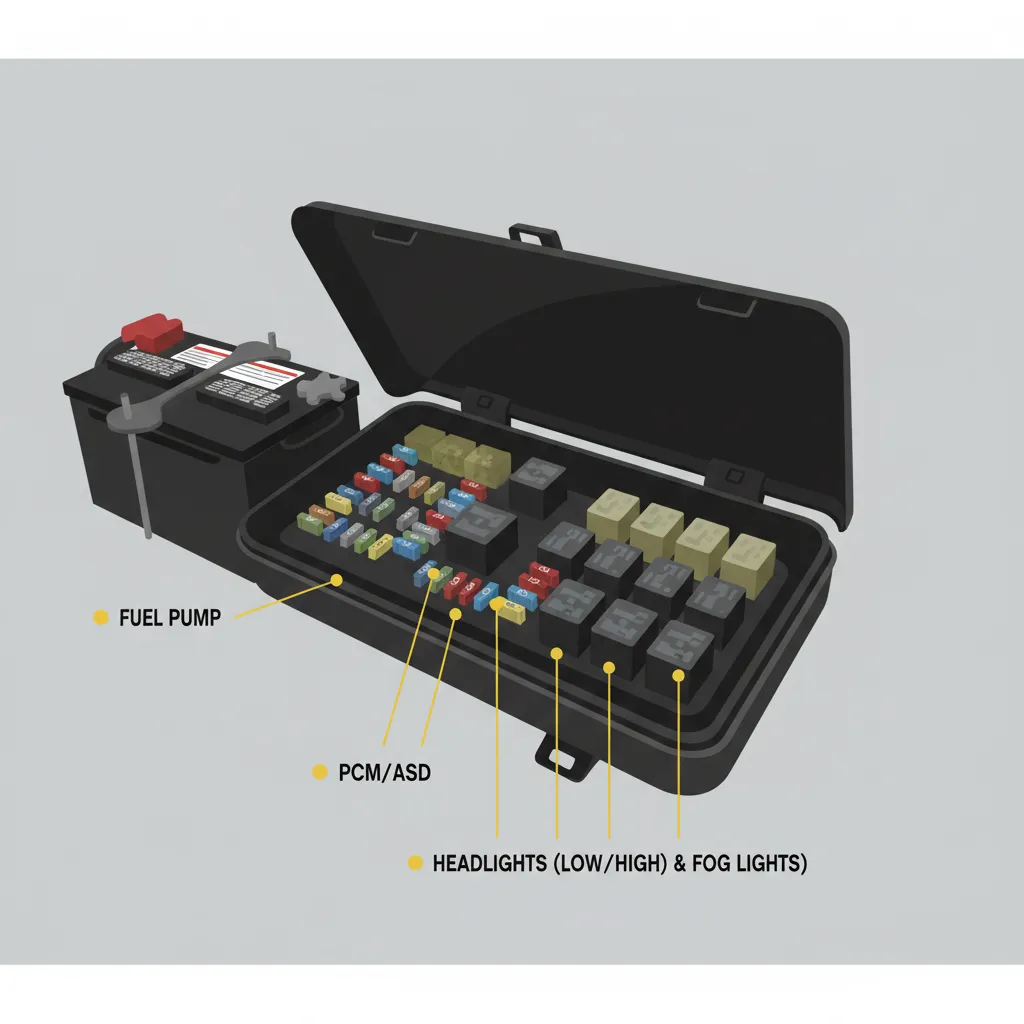
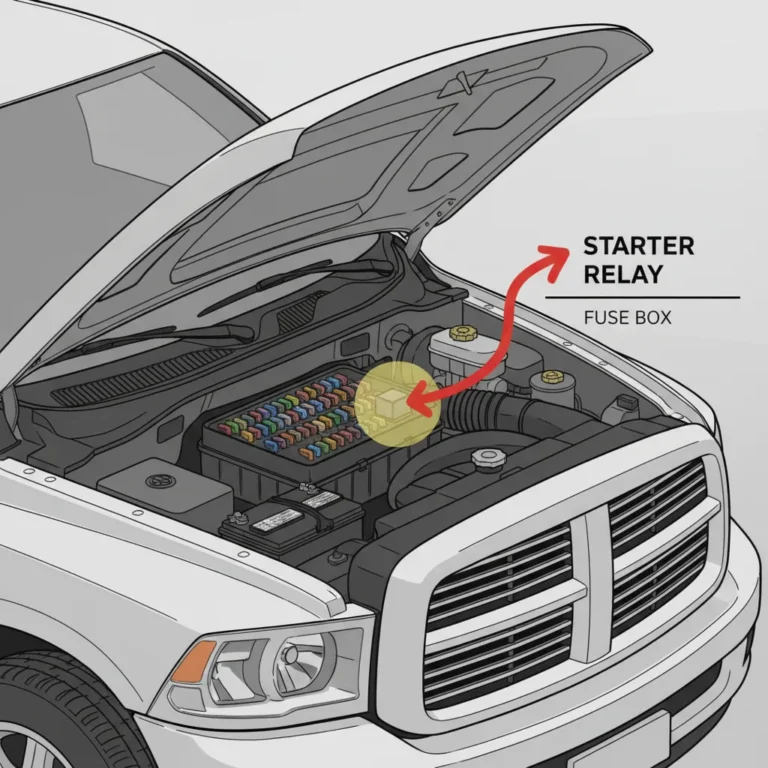
For any 2006 Dodge Ram owner, the primary nexus of electrical control is the Power Distribution Center (PDC). This unit, also frequently referred to as the fuse box or the Integrated Power Module (IPM), is situated on the driver-side engine compartment, directly adjacent to the battery. Its proximity to the battery is strategic; by placing the PDC nearby, engineers minimize voltage drop across high-current circuits. However, this location also exposes the unit to significant thermal cycling from the engine block and vibration from the road, which can lead to fatigue in relay coils over time.
Accessing the relays within the PDC is a straightforward process but requires care to avoid damaging the plastic housing. You must release the two primary plastic tabs on the side of the cover to lift it away. One of the most critical “expert tips” for any Ram owner is to flip the lid over once it is removed. The underside of this cover contains a printed coordinate map that serves as an official guide for identifying which relay corresponds to which circuit for your specific VIN configuration.
This centralized location is the first point of inspection for systemic electrical failures. For example, if you find your horn is non-functional or your headlights refuse to ignite, you would navigate to the PDC and identify Relays 14 and 18. Research indicates that electrical problems account for approximately 10-15% of all vehicle repairs, according to industry standards. In the 2006 Ram, the IPM design integrates many of these relays directly onto a circuit board, though the most common user-serviceable relays remain modular and “plug-and-play.”
By The Numbers
Avg. Electrical Repair Share
Cycle Lifespan of Relays

2006 Dodge Ram Relay Diagram and Critical Component Functions
Understanding the specific function of each relay is vital for troubleshooting. Relays are essentially electronic switches that use a low-current signal (from your dashboard switch or the ECM) to close a high-current circuit. In the 2006 Dodge Ram, several “mission-critical” relays are located within the PDC that, if faulty, will completely disable the vehicle.
Critical Relay Identification
- Fuel Pump Relay: This relay energizes the fuel pump in the tank. If this fails, the engine will crank indefinitely but will never ignite because it lacks fuel pressure.
- Starter Relay: This handles the massive amperage draw required to engage the starter motor solenoid. A failure here results in a “dead” key turn, where nothing happens despite having a fully charged battery.
- A/C Compressor Clutch Relay: This regulates the engagement of the cooling system based on HVAC pressure switches. It is a frequent point of failure in hot climates where the local community relies heavily on climate control.
- Wiper High/Low Relays: These control the varying speeds of your windshield wipers, which are essential for safety during inclement weather.
One of the most useful interchangeability protocols for the 2006 Ram is that many of these relays share the same ISO footprint and amperage rating. For instance, if you suspect your fuel pump relay has failed while you are in a remote area, you can often swap it with a less critical relay—like the horn relay—to test the circuit. While relays are rated for 100,000 to 1,000,000 cycles, environmental factors like humidity and salt in the coastal or winter-heavy local community can cause the internal contacts to pit or corrode prematurely.
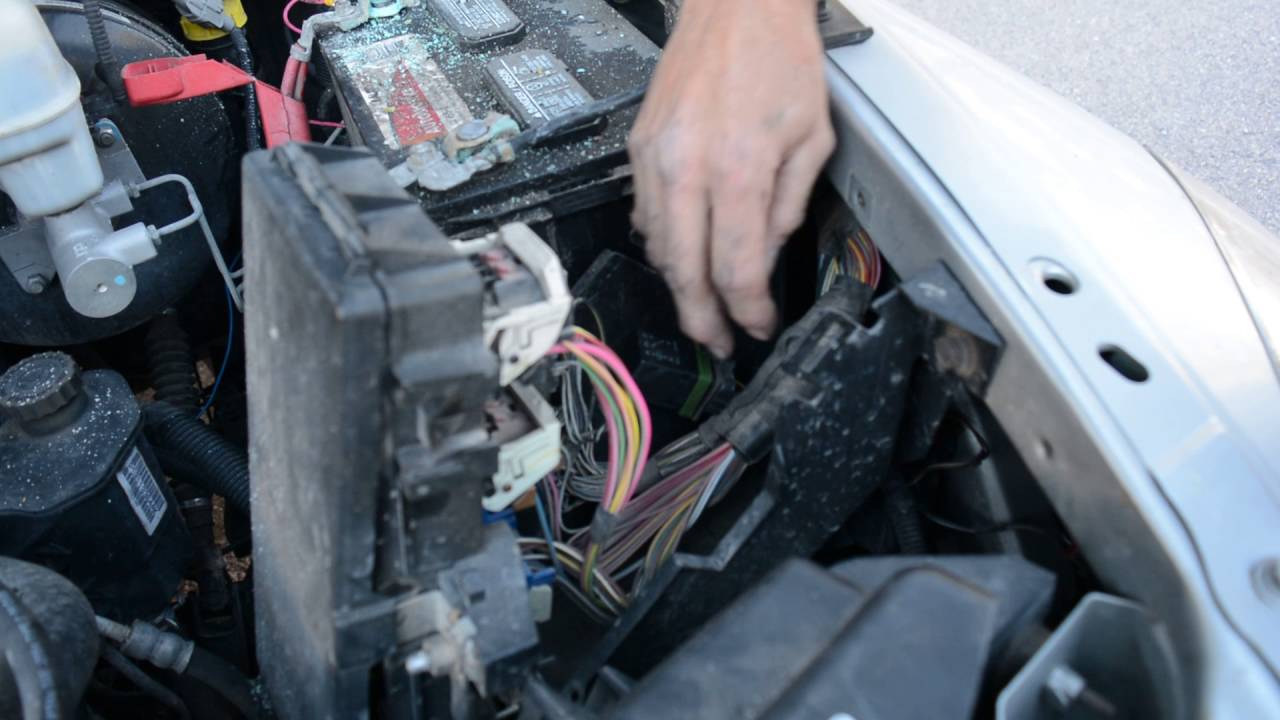
Secondary Interior Relay Locations and Cab Electrical Access
While the heavy lifting is done under the hood, the 2006 Dodge Ram also utilizes interior electrical hubs for cabin-specific logic. The primary secondary location is the Junction Block, situated on the left side of the dashboard. This is accessible only when the driver-side door is fully open, behind a removable plastic panel. While this block mostly houses fuses, certain accessory relays are integrated here to manage interior lighting and convenience features.
Additional relays, such as the turn signal flasher or the interior lighting delay relay, are often tucked behind the lower dash bolster or integrated into the wiring harness near the glove box. In this model year, the Body Control Module (BCM) plays a significant role in managing these interior relays. Unlike the engine-mounted PDC, interior relays generally experience 30% less thermal stress, leading to a significantly longer operational life. However, they are more susceptible to physical damage or loose connections from vibrations or improper aftermarket accessory installations.


When removing interior trim panels in cold weather to access relays, use a plastic pry tool and apply heat to the panels with a hairdryer first. This prevents the plastic clips from becoming brittle and snapping.
Professional Troubleshooting and Multimeter Testing Protocols
Diagnosing a relay problem requires more than just listening for a “click.” While a clicking sound indicates the electromagnetic coil is functioning, it does not guarantee that the high-current switch inside is actually making a clean connection. This is known as the “Click Test Fallacy.” Over time, the internal contacts can develop high resistance or carbon buildup, preventing power from reaching the component.
📋
Step-by-Step Diagnostic Guide
Pull the relay and inspect pins 85, 86, 30, and 87. Look for discoloration or “burnt” marks, which indicate excessive heat and resistance.
Use a multimeter to check the coil resistance across pins 85 and 86. A healthy relay coil typically shows between 50 and 120 ohms.
Apply 12V to the coil and check for zero ohms (continuity) across pins 30 and 87. If there is infinite resistance, the relay is dead.
Always disconnect the negative battery terminal before removing or inspecting high-amperage components. Working on a live PDC can cause short circuits that may damage the truck’s expensive Engine Control Module (ECM).


Expert insights suggest that before replacing a relay, you should always check the associated fuse. A blown fuse is often the root cause of common Ram problems, and replacing the relay without checking the fuse is a waste of resources. If you are stuck and need to verify the health of the component being powered (like the fuel pump), you can use a jumper wire between the slots for pins 30 and 87 in the PDC to manually bypass the relay and see if the pump engages.
Sourcing Replacement Relays and Local Specialized Support
When it comes time to purchase a replacement, quality matters. The “Serving” community of professional mechanics typically prefers Mopar-certified OEM components over cheap aftermarket alternatives. While generic relays are widely available, they often lack the internal sealing required to survive the harsh environment of a Dodge Ram engine bay. Over 90% of standard 5-pin automotive relays are stocked at nearby retail locations, ensuring that you can usually complete a repair on the same day.
Convenient Access
Most 2006 Dodge Ram relays are accessible without specialized tools in the PDC.
Trusted Local Support
Nearby parts stores frequently offer free testing for both your battery and individual relays.
If your troubleshooting leads to a dead end, or if you suspect a wiring harness failure within the IPM, it may be time to consult the community forums or a local ASE-certified technician. Specialized relay puller tools are available at nearby hardware retailers and are highly recommended for the 2006 Ram, as the relays are often packed tightly together in the PDC, making manual removal difficult without cracking the plastic housing. For those using their trucks for heavy-duty towing or agriculture, consider keeping a “emergency kit” of high-amperage relays in the glove box to ensure you are never stranded by a minor electrical failure.
The Power Distribution Center under the hood is the primary location for most 2006 Dodge Ram relays. By identifying relays using the diagram on the PDC lid and testing pins 30 and 87 with a multimeter, you can solve the majority of electrical issues yourself. Electrical maintenance is a critical part of vehicle longevity, as these components have a finite cycle life and are essential for the safe operation of your truck. If troubleshooting doesn’t resolve your issue, consult a local ASE-certified technician or visit a nearby parts specialist to ensure your electrical system is functioning within factory specifications.
Frequently Asked Questions
Where is the fuel pump relay located on a 2006 Dodge Ram?
The fuel pump relay on a 2006 Dodge Ram is typically integrated into the Power Distribution Center (PDC) located under the hood on the driver’s side. On many 2006 models, this relay is part of the Integrated Power Module (IPM). You should check the diagram on the underside of the PDC cover to locate the specific ‘Fuel Pump’ slot, often designated as Relay 1 or a similar numerical identifier depending on the engine configuration.


How do I test a relay on my 2006 Dodge Ram?
To test a relay, first perform a visual inspection for burnt pins. Use a multimeter to verify 12V at the constant power pin (30). You can also perform a swap test by replacing the suspect relay with a known good one of the same type and amperage (such as the horn relay) from within the same PDC. For a bench test, apply 12V to the coil pins (85 and 86) and check for continuity across the switch pins (30 and 87).
What does each relay in the fuse box control?
The relays in the PDC control high-draw electrical systems including the starter motor, fuel pump, radiator fan, A/C compressor clutch, and various lighting circuits. Smaller relays found in the interior junction block manage cabin-specific functions like the power windows, door locks, and interior illumination. Each relay acts as a remote switch, allowing a low-current signal from the dashboard to trigger a high-current circuit.
Can I use a different relay if it has the same amperage?
Yes, as long as the relay shares the same ISO pin configuration, voltage, and amperage rating. Most 2006 Dodge Ram relays are standard 4-pin or 5-pin ‘mini’ or ‘micro’ relays. Swapping relays for troubleshooting is a common professional practice, but ensure the replacement relay does not have a lower amperage rating than the original, as this could lead to overheating or circuit failure.
What are the symptoms of a bad relay?
Common symptoms include a component failing to activate (like the starter not engaging), a component staying on indefinitely (draining the battery), or intermittent operation. For example, a failing fuel pump relay may cause the truck to stall unexpectedly or fail to start when the engine is hot. Physically, a bad relay may feel excessively hot to the touch or produce a ‘chattering’ sound during engagement.

![2013 Ram 1500 Headlight Bulb Replacement: Complete Specs Guide [2026]](https://truckguider.com/wp-content/uploads/2026/03/2013-ram-1500-headlight-bulb-replacement-featured.webp)
![2011 Ram 1500 5.7 Hemi: Specs, Reliability & Towing Guide [2026]](https://truckguider.com/wp-content/uploads/2026/03/2011-dodge-ram-1500-5-7-hemi-featured.webp)