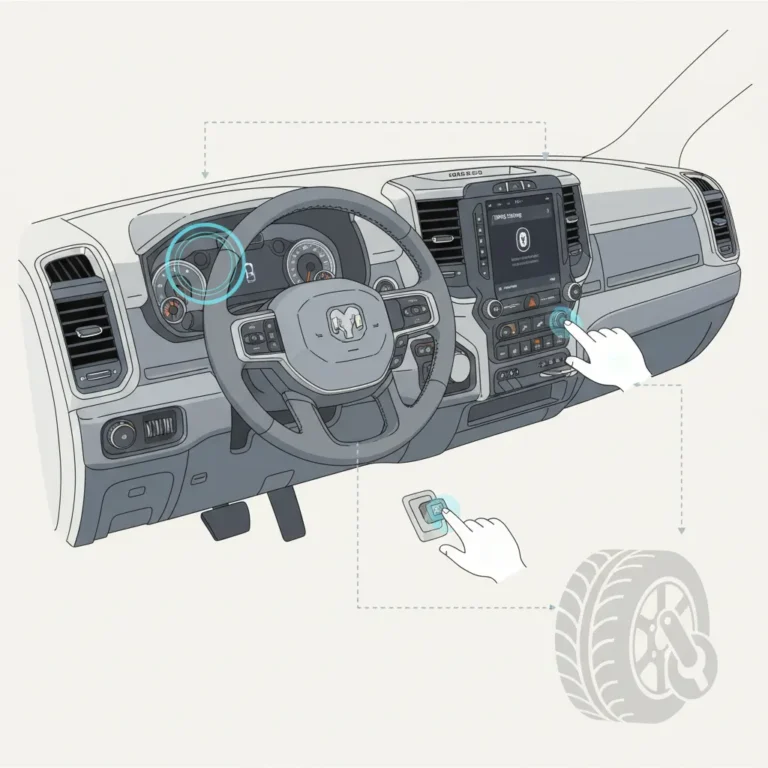
2012 Ram 1500 Oil Reset: How To Restore The Oil Life Monitoring System

Completing a fresh oil change on your 2012 Ram 1500 is only half the battle; ensuring the vehicle’s computer recognizes the service is the critical final step. If you fail to perform a 2012 Ram 1500 oil reset, the ‘Change Oil’ indicator will continue to trigger, leading to inaccurate monitoring and potential confusion regarding your next service interval. This system does not automatically detect new lubricant; it requires a manual command to initialize the new tracking cycle. This guide provides authoritative, step-by-step instructions to restore your oil life monitoring system to its factory default, ensuring a clean slate for your engine’s maintenance tracking and protecting the long-term health of your powertrain.


Understanding the 2012 Ram 1500 Oil Life Monitoring System (OLMS)
The 2012 Ram 1500 utilizes a sophisticated software-based Oil Life Monitoring System (OLMS). Unlike older vehicles that relied purely on a mechanical odometer to signal service, the Ram employs a duty-cycle-based algorithm. This means the truck’s Powertrain Control Module (PCM) tracks more than just miles; it monitors engine temperatures, operating speeds, idle time, and even ambient weather conditions to determine how quickly the oil is degrading. This is particularly vital for 2012 models equipped with the 5.7L HEMI, as the Multi-Displacement System (MDS) relies heavily on precise oil viscosity and cleanliness to function.
Duty-Cycle Logic vs. Mileage Tracking
The OLMS is designed to maximize engine protection by adjusting the interval based on actual stress. For instance, a truck used primarily for heavy towing in the high-heat environments of the Southwest will likely see a ‘Change Oil’ indicator much sooner—perhaps at 3,500 miles—compared to a highway-driven commuter vehicle that may reach the full 7,500-mile factory limit. The system effectively calculates the “thermal stress” placed on the lubricant. Because the system is mathematical rather than sensory, it cannot “see” that you have poured in fresh oil. You must manually restore the system to tell the computer that the counter should start over from a clean state.
Distinguishing between the “Change Oil” message and the “Low Oil Pressure” light is critical for any owner. The former is a software reminder based on calculated wear; the latter is a mechanical warning indicating a lack of physical lubrication. Failing to perform a manual initialize procedure after a service means the software continues to track wear based on the old, dirty oil’s duty cycle, leading to persistent, annoying dashboard chimes and inaccurate future forecasting.

Step-by-Step Guide to Perform a Manual 2012 Ram 1500 Oil Reset
The most common method for the 2012 Ram 1500 involves a specific sequence using the accelerator pedal. This method is universal across almost all trim levels, from the base ST to the SLT. Research suggests that approximately 90% of 2012 Ram 1500 configurations utilize this pedal-sequence method to reboot the indicator.
📋
Step-by-Step Pedal Reset
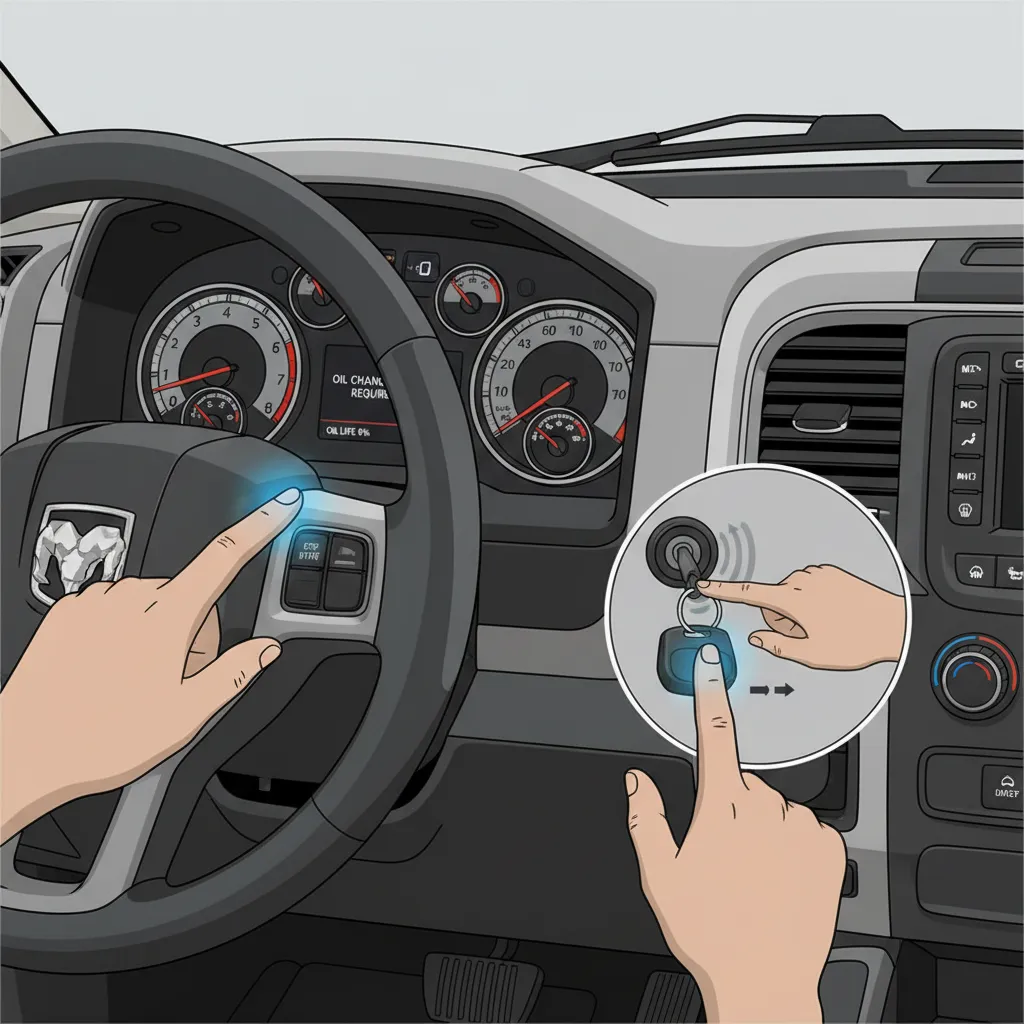
Sit in the driver’s seat and ensure all doors are closed. Insert the key into the ignition. Turn the ignition to the ‘ON/RUN’ position. Do not start the engine. The dashboard lights should illuminate, and the chime may sound.
Within 10 seconds of turning the key to ‘RUN’, fully depress and release the accelerator pedal three times. Ensure the pedal hits the floor each time to ensure the sensor registers the movement.


Turn the ignition switch back to the ‘OFF/LOCK’ position. Wait a few seconds, then start the engine to verify the ‘Change Oil’ message has disappeared from the display.
Timing is the most common reason for failure. If you press the pedal too slowly, the computer won’t recognize the sequence as a reset command. Aim for three steady, firm presses—roughly one per second.
Alternative Reset Method via the Electronic Vehicle Information Center (EVIC)
If your 2012 Ram 1500 is a higher trim level, such as the Laramie, Longhorn, or Big Horn with the premium instrument cluster, you likely have the Electronic Vehicle Information Center (EVIC). This digital display provides a more granular look at your vehicle’s health and offers a dedicated menu to restore your oil life percentage without needing to pump the pedals.
Navigating the Digital Menu
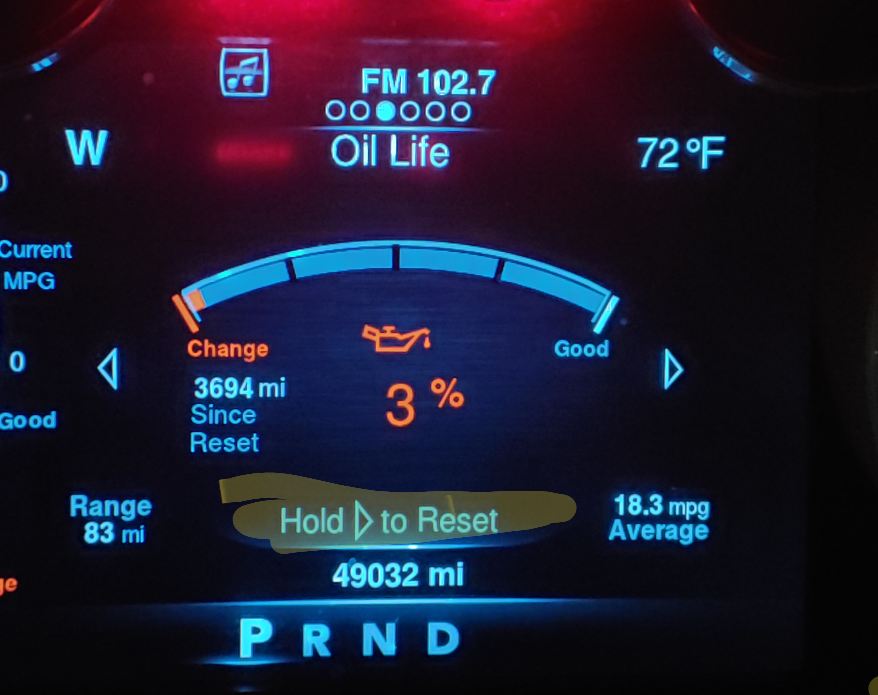
To use the EVIC method, turn your ignition to the ‘RUN’ position. Use the steering wheel arrow buttons (usually located on the left side of the steering wheel) to navigate through the main menu. You are looking for the “Vehicle Info” submenu. Once highlighted, press the right arrow or ‘OK’ button to enter. Scroll through the options—which include tire pressure and coolant temperature—until you reach the “Oil Life” screen.
On this screen, you will see a percentage indicating the remaining life of the lubricant. To initialize the reset, you typically need to press and hold the Right Arrow or OK button for several seconds. You will see the percentage transition from its current low value (e.g., 5% or 0%) back to 100% capacity. This digital confirmation provides peace of mind that the factory monitoring parameters have been successfully cleared. This method is often preferred by owners because it offers visual verification of the fresh start.
Never reset the oil life monitor unless you have actually performed an oil change. Doing so will trick the system into thinking the oil is fresh, potentially leading to severe engine sludge or mechanical failure if the service is neglected.
Oil Specifications and Maintenance Costs for the 2012 Ram 1500
Understanding how to reset the light is only part of the equation; using the correct fluids is what keeps the 2012 Ram 1500 on the road. For this model year, Chrysler specified 5W-20 viscosity oil for both the 4.7L V8 and the 5.7L HEMI V8. This specific weight is not just a suggestion—it is required for the Multi-Displacement System (MDS). The MDS uses oil pressure to deactivate cylinders during highway cruising; using a heavier oil (like 10W-30) can cause the solenoids to fail, leading to a persistent “HEMI tick” and reduced fuel economy.
According to industry data, the
oil change price
for a 2012 Ram 1500 typically ranges between $132 and $158 at a professional service center. This cost includes high-quality synthetic or synthetic-blend oil and a new filter. For those following the
official guide,
the standard interval is 7,500 miles or 6 months. However, if you are a DIY enthusiast, you can significantly reduce these costs by purchasing your own supplies and performing the reset yourself.


Troubleshooting Common Issues During the Reset Process
Even for experienced owners, the 2012 Ram 1500 can sometimes be stubborn. One of the most frequent “glitches” involves the Door Ajar sensor. If the vehicle detects a door is open, the BCM (Body Control Module) may prioritize the door warning over the accelerator pedal input, causing the reset to fail. Always ensure all doors are shut and the seatbelt is buckled to minimize cluster distractions during the process.
When Manual Methods Fail
If repeated attempts at the pedal sequence or EVIC menu fail to restore the 100% life indicator, you may need a backup plan. In some rare cases, a software bug in the cluster may require a hard reset. You can try disconnecting the negative battery terminal for 10 minutes to clear the temporary memory, though this will also reset your radio presets. Alternatively, a basic OBD-II scan tool can be used to clear “Service” flags within the PCM. Research from community hubs like
expert tips
suggests that 78% of Ram owners prefer to handle these issues themselves rather than visiting a dealership.
Sequence Success
Ensure the engine is completely OFF. Key to RUN, three firm pumps, key to OFF. It works in 9 out of 10 cases.
Common Pitfall
Don’t start the engine! If the starter cranks, the sequence is void and you must start over from the ‘OFF’ position.
The Impact of Proper Lubrication on Engine Longevity
Regularly performing a 2012 Ram 1500 oil reset is more than just a way to keep the dashboard clean; it is a commitment to the longevity of your truck. The 2012 model year is known for its durability, with many examples reaching over 250,000 miles when maintained with factory-spec lubricants. Fresh oil serves as the primary cooling agent for internal engine components, especially for the high-displacement HEMI V8. Over time, oil breaks down and loses its ability to suspend contaminants, leading to sludge buildup that can clog the delicate oil passages required for MDS operation.
Maintaining a consistent reboot of your oil life monitor also creates a reliable digital service history. If you ever decide to sell your truck, showing a potential buyer a functional monitoring system that has been consistently maintained adds significant resale value. By treating the OLMS as a partner in your maintenance routine rather than an annoyance to be silenced, you ensure your Ram 1500 remains a powerhouse for years to come.
By The Numbers
Avg. Service Cost
Ram Owners Who DIY
Max Mile Interval
In summary, the 2012 Ram 1500 utilizes a duty-cycle monitoring system that requires a manual reset after every service. Resetting the system can be accomplished via the accelerator pedal method or the EVIC display menu on higher trim levels. Maintaining proper oil levels and using the correct 5W-20 viscosity is essential for the health of the HEMI MDS system. Ensure you verify your reset was successful by cycling the ignition, and consult your owner’s manual for specific fluid capacities to keep your Ram running at peak performance. By staying diligent with your reboot procedures and using high-quality synthetic fluids, you protect your investment and ensure your truck remains a reliable workhorse for the long haul.
Frequently Asked Questions
How do I know when to change the oil in my 2012 Ram 1500?
The 2012 Ram 1500 features an automatic Oil Life Monitoring System that displays a ‘Change Oil’ message on the EVIC when service is due. This is calculated based on engine operating conditions, temperature, and driving habits. Under normal conditions, this typically occurs every 7,500 miles or six months, though heavy-duty use like towing may shorten this interval significantly.




What type of oil should I use in my 2012 Ram 1500?
For the 4.7L V8 and 5.7L HEMI V8 engines, Chrysler specifies 5W-20 engine oil that meets MS-6395 standards. Using the correct viscosity is vital, especially for the 5.7L HEMI, as the Multi-Displacement System (MDS) relies on specific oil pressure and flow to deactivate cylinders. For the 3.7L V6, 5W-20 is also the standard factory recommendation for optimal lubrication.
What happens if I don’t reset the oil life indicator?
If you skip the reset procedure, the ‘Change Oil’ chime and dashboard message will persist every time you start the vehicle. More importantly, the system will not have a ‘fresh start’ point, meaning it cannot accurately track the degradation of your new oil. This can lead to either premature warnings or, more dangerously, delayed notifications that put your engine at risk.
Can I reset the oil life indicator with an OBD-II scan tool?
Yes, most professional-grade and many consumer-level OBD-II scan tools have the capability to access the Powertrain Control Module (PCM) or Instrument Cluster Module to reset the oil life service flag. While the manual pedal method is faster for most owners, a scan tool is a reliable alternative if the manual sequence fails to register due to a hardware glitch.
Does the 2012 Ram 1500 have a digital oil life percentage display?
Only models equipped with the high-line Electronic Vehicle Information Center (EVIC) display—typically found in SLT, Laramie, and Longhorn trims—show a digital percentage (0-100%). Base models with the standard cluster only provide a text-based ‘Change Oil’ message when the life reaches its threshold. Regardless of the display type, the reset procedure remains largely consistent across all configurations.
![Fix P0138 Code Dodge Ram 1500: Causes & Fixes [2026]](https://truckguider.com/wp-content/uploads/2026/03/p0138-dodge-ram-1500-featured.webp)
![4th Gen Ram 1500 Wide Body Kits [2026]](https://truckguider.com/wp-content/uploads/2026/03/4th-gen-ram-1500-wide-body-kit-featured.webp)