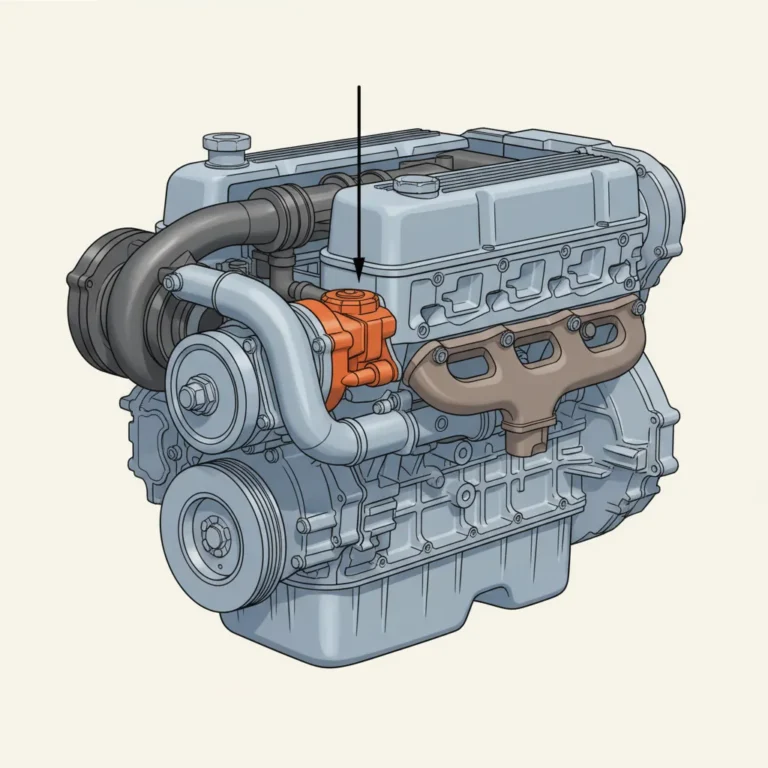
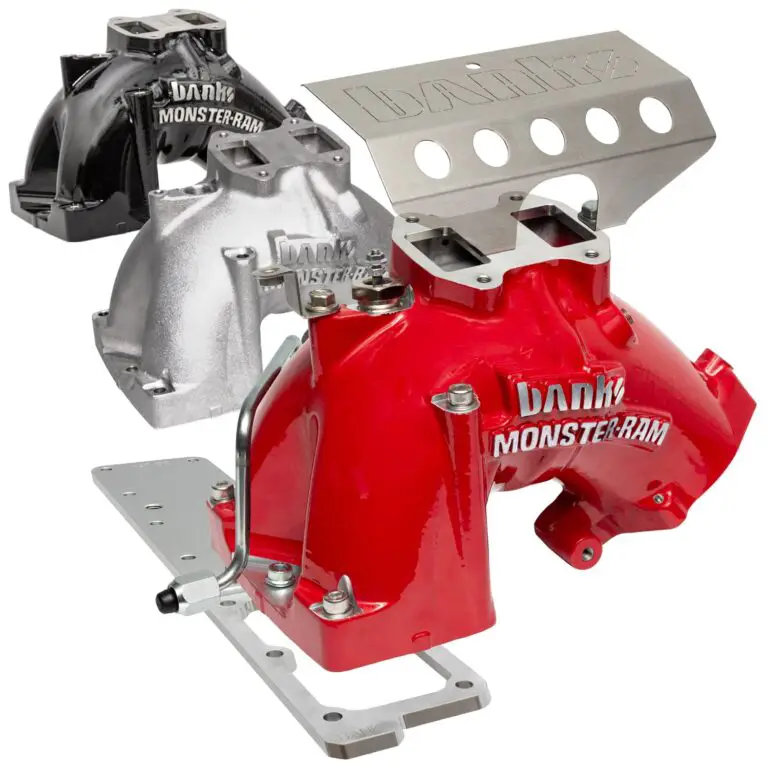
6.7 Cummins Intake Manifold Pressure Sensor Location And Troubleshooting Guide

For the 6.7L Cummins engine to deliver its legendary torque and reliability, every sensor in its intricate network must perform with surgical precision. When your truck experiences power loss or unexpected black smoke, the culprit is often the intake manifold pressure sensor, but finding its exact location amidst the engine’s plumbing can be a challenge for many owners. This guide will pinpoint the exact 6.7 Cummins intake manifold pressure sensor location, explain the symptoms of failure, and provide a detailed roadmap for replacement to get your truck back to peak efficiency.


Identifying the 6.7 Cummins Intake Manifold Pressure Sensor Location
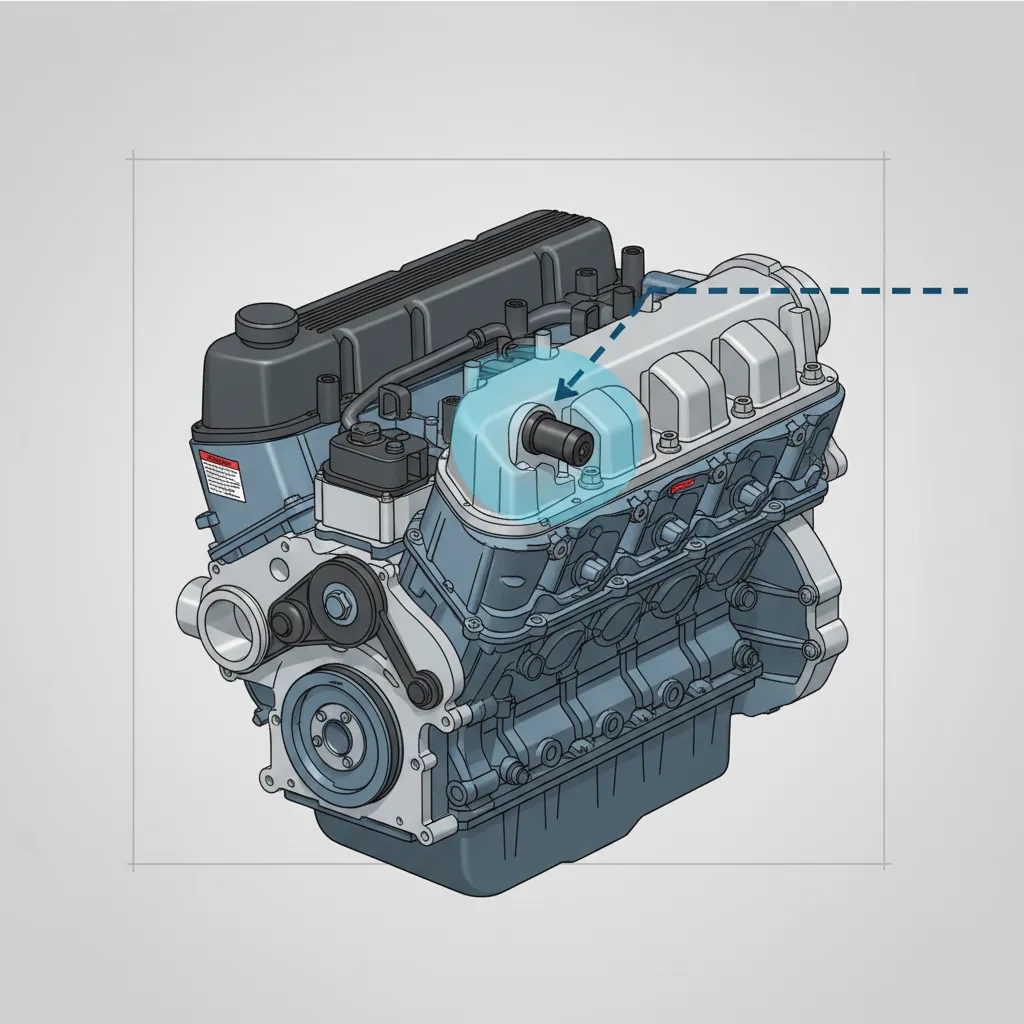
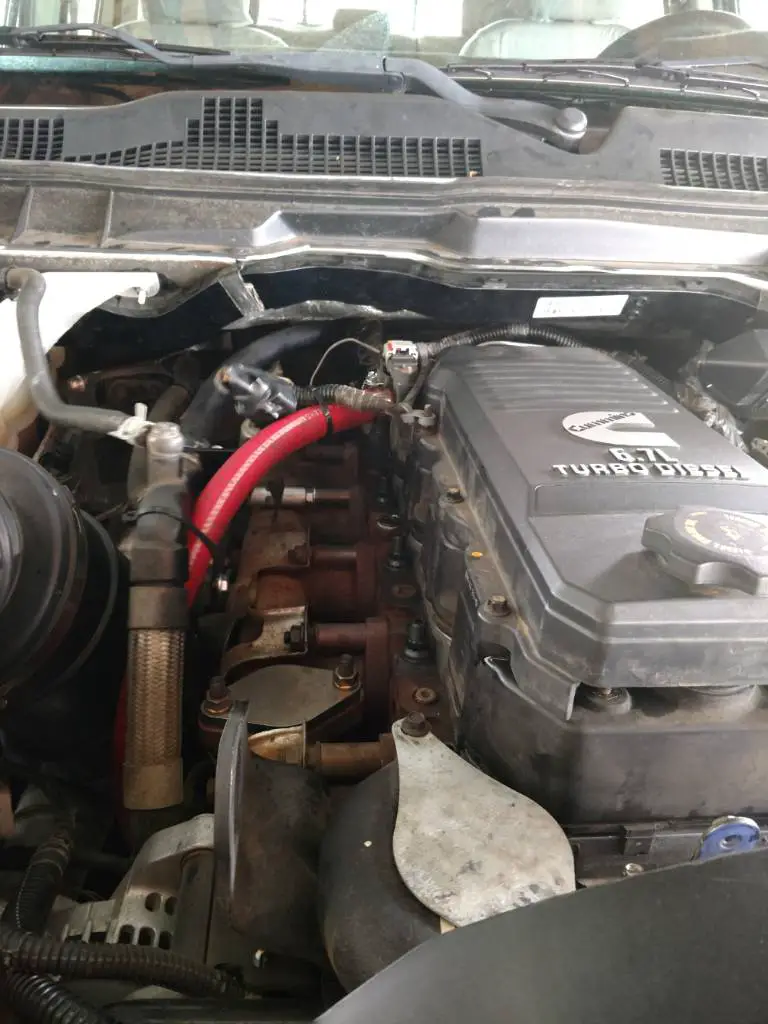
Locating the Manifold Absolute Pressure (MAP) sensor is the first hurdle in diagnosing performance issues. On the 6.7L Cummins engine found in RAM 2500 and 3500 heavy-duty trucks, the primary location is on the back side of the intake manifold plenum, situated on the driver’s side of the engine block. Because this area is crowded with wiring harnesses and the fuel rail, the sensor is often obscured from immediate view.
Model Year Variations and Visual Cues
While the general area remains consistent, the routing of nearby harnesses can make the sensor more or less accessible depending on the year of manufacture. For engines produced between 2007.5 and 2012, the sensor typically sits very close to the rear of the intake plate. On 2013 and newer models, the location remains the same, but the integration with the updated high-pressure common rail system may require moving the wiring loom or the oil dipstick tube slightly to gain a clear line of sight.
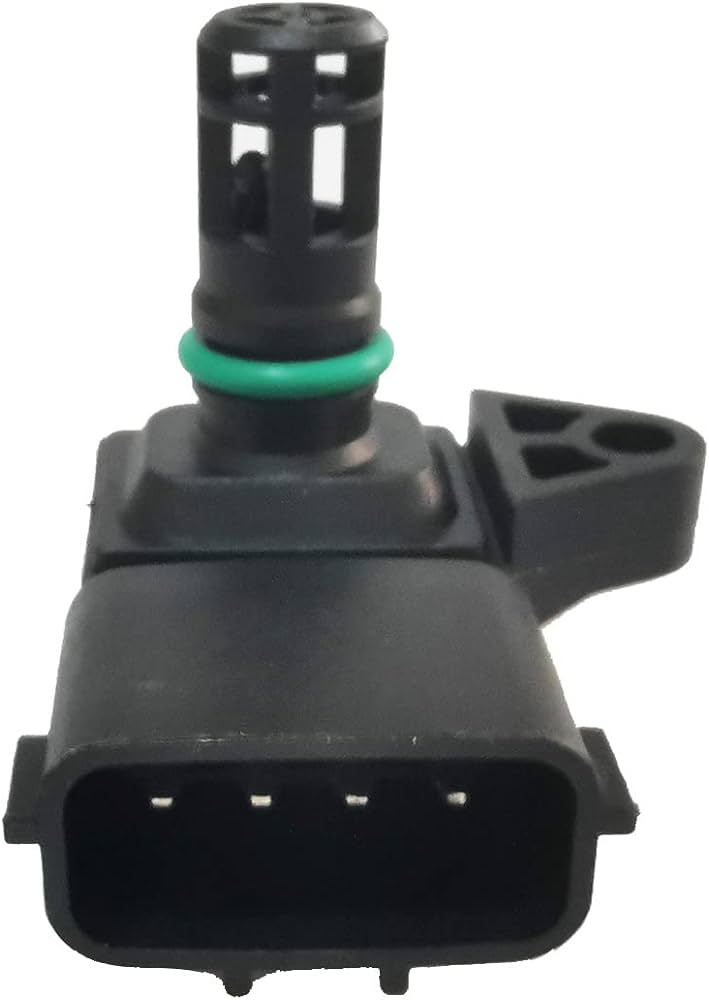
When searching for the sensor, look for a small, black plastic component secured to the manifold by a single 10mm bolt (though some configurations utilize a Torx bit). A 3 or 4-wire electrical connector will be plugged into the top or side of the unit. The MAP sensor is secured by a single mounting bolt and sealed with an O-ring to maintain intake manifold pressure integrity. This seal is vital; even a minor leak here can throw off the sensor’s readings.
It is common for owners, particularly of 2014+ models, to mistake the Intake Air Temperature (IAT) sensor for the MAP sensor. They are positioned in the same general vicinity on the manifold rail. The MAP sensor is specifically the one plumbed directly into the pressure chamber of the plenum, usually sitting slightly further back and closer to the firewall than the IAT.
Proximity to other components is another key indicator. The sensor sits adjacent to the EGR crossover tube connection point. This proximity is a double-edged sword; while it helps in identifying the sensor, it also makes the sensor highly susceptible to soot accumulation. In a trusted local diesel shop, technicians often look at the EGR tube’s condition to gauge how much carbon may be clogging the MAP sensor’s internal port.
Critical Functions of the Intake Manifold Pressure (MAP) Sensor
The MAP sensor is not merely a monitoring device; it is a primary input for the Engine Control Unit (ECU). Its job is to measure real-time boost pressure (absolute pressure) within the intake manifold. This data allows the ECU to calculate air density, which is a prerequisite for determining the precise amount of diesel fuel to inject. Without accurate MAP data, the engine cannot maintain the stoichiometric ratio required for efficient combustion.
Turbocharger and EGR Interaction
Beyond fuel delivery, the MAP sensor is integral to the operation of the Variable Geometry Turbocharger (VGT). The ECU monitors pressure readings to adjust the VGT vane positions. If the sensor reports low pressure when the engine is under load, the ECU commands the VGT to tighten the vanes to increase boost. Conversely, accurate readings prevent over-boost conditions that could damage the engine or the turbocharger itself. According to official guide documents, the MAP sensor facilitates the ECU’s ability to maintain a balanced ratio even under varying load and atmospheric conditions.
Altitude Compensation
When a truck travels from sea level to a high-altitude environment, the atmospheric pressure drops. The MAP sensor detects this change, allowing the ECU to retard timing and adjust boost levels to prevent the turbo from over-spinning in the thinner air.
Furthermore, the sensor plays a secondary role in monitoring Exhaust Gas Recirculation (EGR) flow. By detecting subtle pressure fluctuations as the EGR valve cycles, the ECU can verify that exhaust gases are actually entering the intake stream. This ensures the engine remains within legal NOx and particulate matter emission limits, which in turn prevents the Diesel Particulate Filter (DPF) from clogging prematurely due to excessive soot production.


Common Symptoms of a Failing 6.7 Cummins MAP Sensor
Identifying a failing sensor before it leaves you stranded is vital for any owner. Because the MAP sensor is “upstream” in the ECU’s logic, its failure creates a domino effect across several engine systems. One of the most immediate signs is a dramatic shift in fuel consumption. Research indicates that a faulty MAP sensor can cause a decrease in fuel economy by up to 10-15%, as the engine often defaults to a “rich” fuel map to protect internal components from potential lean-burn damage.
Performance Degradation and Error Codes
Engine performance issues often manifest as a “dead pedal” sensation, where throttle input results in little to no engine response for several seconds. You might also experience surging at idle or a noticeable loss of horsepower when attempting to pass or tow. In many cases, these symptoms are accompanied by excessive black smoke from the exhaust, indicating that the ECU is providing more fuel than the available air can burn—a direct result of incorrect pressure readings.
By The Numbers
Reduction in Fuel Economy
Average Mile Lifespan
Diagnostic Trouble Codes (DTCs) are the most definitive way to identify a sensor issue. Common codes include P0107 (Manifold Absolute Pressure Circuit Low) and P0108 (Manifold Absolute Pressure Circuit High). If the signal is lost entirely or remains static regardless of boost levels, the 6.7 Cummins may enter ‘Limp Mode,’ significantly limiting RPM and power to protect the engine from over-boost scenarios.
Consider the case of a truck owner exhibiting surging while towing a 10,000lb trailer. Despite the turbo sounding healthy, the truck struggled to maintain speed on inclines. Upon inspection, the MAP sensor port was completely bridged with carbon soot, preventing the sensor from seeing the actual boost being generated by the VGT.
Step-by-Step Guide to Replacing the MAP Sensor
Replacing the MAP sensor is a straightforward DIY task that can be completed with basic hand tools. However, precision and cleanliness are paramount to ensure the new sensor functions correctly and doesn’t become immediately fouled by existing debris.
📋
Step-by-Step Replacement Guide
Park on a level surface and ensure the engine is completely cool. To protect the ECU, disconnect both negative battery cables. This prevents electrical shorts while handling the harness.
Locate the red locking tab on the MAP sensor connector. Slide it back, then press the release lever to unplug the harness. Inspect the connector pins for any signs of corrosion or green “crust.”


Use a 10mm socket to remove the single mounting bolt. Gently wiggle the sensor upward to break the O-ring’s seal. Be careful not to drop the bolt into the engine bay crevices.
Before installing the new unit, use a shop vac to clear any loose carbon flakes from the manifold hole. Clean the seating surface with a lint-free cloth to ensure the new O-ring seals perfectly.
Do not over-tighten the mounting bolt. The intake manifold plenum is made of cast aluminum or heavy plastic, and the threads can strip easily. Tighten the bolt to approximately 89 in-lbs. Lubricate the new O-ring with a drop of clean engine oil to prevent it from tearing during insertion.
Sourcing Assistance and Maintenance Near Your Location
If you find that troubleshooting the electrical harness or cleaning the port does not resolve your issues, professional diesel shops serving your community have the diagnostic tools to perform live-data logging. This is especially helpful if the problem is intermittent or related to a chafed wire further down the harness near the firewall.
OEM vs. Aftermarket Components
When it comes to sensors, the 6.7 Cummins is notoriously picky. While “no-name” aftermarket sensors are available and may be a convenient quick-fix, they often lack the precise calibration needed for the VGT and fuel maps. It is highly recommended to source genuine Ram specs compliant sensors from Mopar or Cummins. These trusted local parts hubs ensure the sensor’s voltage output matches what the ECU expects.
✅ Pros of Cleaning
- Cost-effective preventative maintenance
- Restores response if only soot-fouled
- Easy to perform every 30,000 miles
- Extends sensor life in high-EGR engines
❌ Cons of Cleaning
- Does not fix internal electronic failure
- Harsh chemicals can damage the diaphragm
- O-ring may not reseal after removal
- Temporary fix for deeper EGR issues
Expect to pay between $60 and $120 for a high-quality replacement sensor. If you choose to have the work performed by a technician, local labor rates typically add one hour of service, which can range from $100 to $150 depending on the local market. For those seeking more expert tips, online communities often recommend checking the MAP sensor wiring harness for heat-related brittleness, a common issue in trucks frequently used for heavy hauling.
The MAP sensor is located on the driver’s side rear of the intake manifold and is critical for boost and fuel management. Symptoms of failure include a 10-15% drop in fuel economy, black smoke, and specific DTCs like P0107. Regular cleaning and using OEM replacement parts are the best ways to ensure long-term sensor reliability. If you are experiencing persistent performance issues, consult with a diesel specialist nearby or visit a local service center serving your community to perform a comprehensive diagnostic scan.



Frequently Asked Questions
What does a MAP sensor do on a 6.7 Cummins?
The Manifold Absolute Pressure (MAP) sensor measures the pressure of the air entering the engine’s cylinders. This information is vital for the ECU to calculate the engine’s air mass flow rate, which determines the correct amount of fuel to inject for efficient combustion and governs the turbocharger’s boost levels.
Can I clean my 6.7 Cummins MAP sensor instead of replacing it?
Yes, cleaning is often effective if the sensor is simply covered in soot from the EGR system. Use a specialized mass airflow or electronic cleaner that leaves no residue. However, if the internal diaphragm of the sensor is damaged or the electrical circuit has failed, a full replacement is the only solution.
Where is the MAP sensor located on a 6.7 Cummins engine?
The sensor is located on the intake manifold plenum on the driver’s side of the engine. It is situated toward the rear of the engine block, near the firewall. You will find it held in place by a single bolt, positioned behind the fuel rail and close to the EGR crossover tube.
What are the symptoms of a bad MAP sensor on a 6.7 Cummins?
Common symptoms include a significant drop in fuel economy, sluggish acceleration, ‘limp mode’ activation, and excessive black smoke from the exhaust. You may also see a Check Engine Light with codes such as P0107 or P0108, indicating the ECU is receiving incorrect pressure data.
How much does it cost to replace a MAP sensor on a 6.7 Cummins?
The cost for the part itself generally falls between $60 and $120 for an OEM-quality sensor. If you have the work performed at a local repair shop, labor costs typically add another $100 to $200, depending on the diagnostic time required to confirm the failure.