Cummins Isb 6.7 Belt Diagram: Serpentine Belt Routing And Maintenance Procedures

For the Cummins ISB 6.7 engine, the serpentine belt is the critical lifeline connecting the crankshaft’s raw power to essential cooling and electrical systems. A snapped or slipping belt on a 6.7L Cummins diesel can lead to immediate engine overheating, loss of power steering, and a complete electrical shutdown, yet many operators lack the correct diagram or procedure to perform a reliable replacement. Whether you are operating a heavy-duty Ram pickup or a vocational vehicle, understanding the intricacies of the accessory drive system is paramount to uptime. This official guide provides a professional-grade Cummins ISB 6.7 belt diagram, detailed routing instructions, and expert troubleshooting tips to ensure your accessory drive system remains reliable under the heaviest loads.


The Role of the Serpentine Belt in Cummins ISB 6.7 Performance
The Cummins ISB 6.7 is an engineering marvel, widely recognized for its high-torque output and durability in Ram specs for the 2500 through 5500 series. However, all that power is useless if the accessory drive system fails. The serpentine belt serves as the primary mechanical link that translates rotational energy from the crankshaft to the alternator, water pump, power steering pump, and air conditioning compressor. In high-load environments, such as towing heavy trailers or operating a school bus with multiple electrical accessories, the integrity of this belt is the difference between a successful haul and a costly tow.
The 6.7L design utilizes a high-torque drive system. Unlike older engines that used multiple V-belts, the single serpentine belt must manage the combined resistance of all accessories simultaneously. This design offers a trade-off: it is easier to maintain but introduces a single point of failure. If the belt snaps, the water pump stops instantly, leading to rapid engine overheating—a catastrophic scenario for a diesel engine under load. Furthermore, research indicates that a worn or glazed serpentine belt can reduce the efficiency of engine accessories by as much as 20% through micro-slippage. This efficiency loss results in parasitic drag, potentially increasing fuel consumption and placing unnecessary strain on the alternator’s charging capacity.
By The Numbers
Loss in accessory efficiency due to belt wear
Life reduction if oil or fluids contaminate the belt
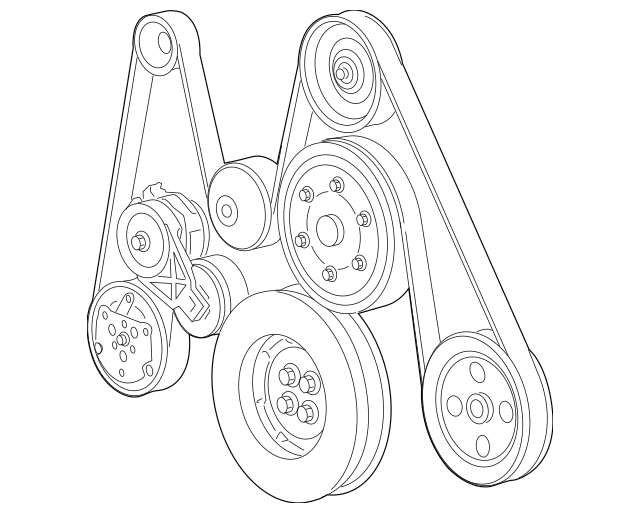
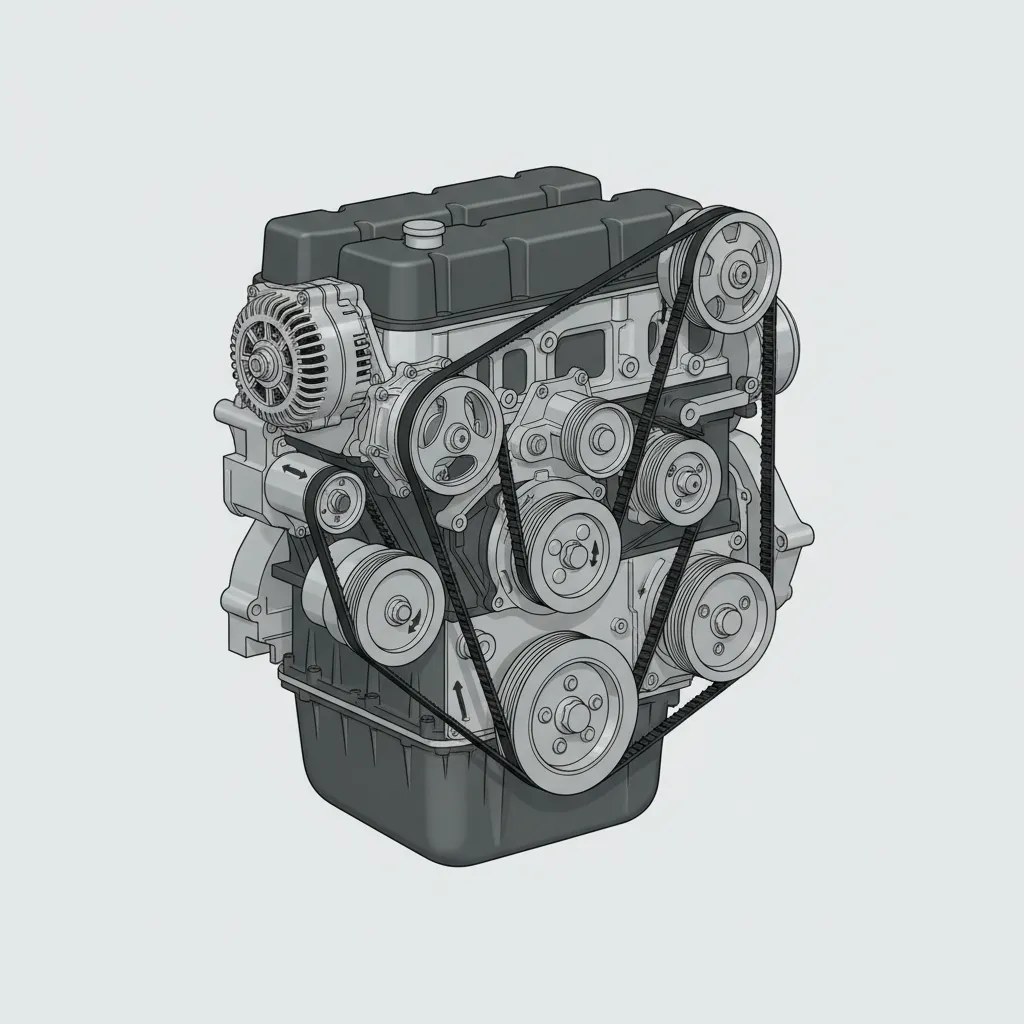
Detailed Cummins ISB 6.7 Belt Diagram and Component Layout
Navigating the belt path on a Cummins ISB 6.7 requires a clear understanding of the component layout. While there are slight variations between a standard Ram pickup and a medium-duty freight application, the core routing remains largely consistent. The path is designed to maximize “wrap angle”—the amount of surface area where the belt touches the pulley—to prevent slippage under heavy electrical or cooling demands.
Mapping the Routing Path
A complete visual walkthrough of the routing typically follows this sequence:
- Crankshaft Pulley: Located at the bottom center, this is the primary drive source.
- Water Pump: The belt travels upward from the crank to the water pump. Note that the “smooth” side of the belt often contacts the water pump pulley in many configurations.
- Alternator: Located at the top of the engine, the belt wraps over the alternator to provide the necessary friction for the charging system.
- A/C Compressor: Positioned to the side, the belt loops around this pulley to drive the cabin cooling system.
- Idler Pulleys: These are static pulleys used to guide the belt and maintain the correct wrap angles.
- Tensioner Pulley: The final piece of the puzzle, providing the spring-loaded force necessary to keep the system tight.
Incorrect routing is the number one cause of immediate belt failure and water pump impeller damage during the first 50 miles of operation. Always verify that the belt ribs are perfectly seated in the pulley grooves before starting the engine.
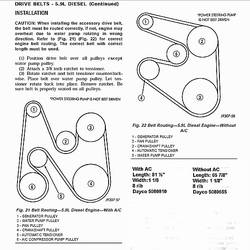
Professional Procedure for Serpentine Belt Replacement
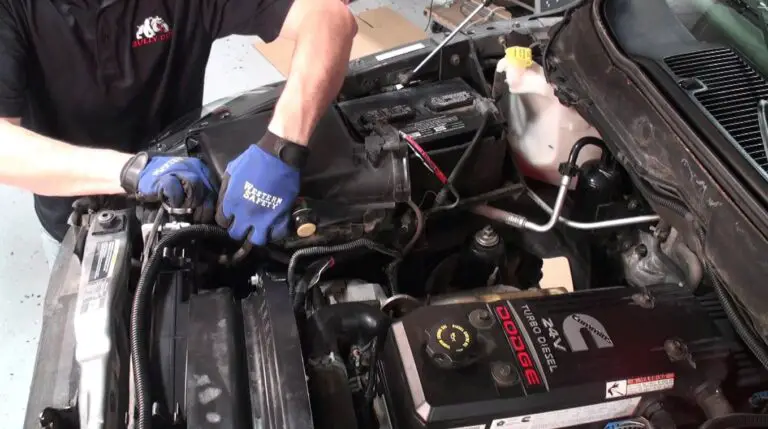
Replacing the belt on a 6.7L Cummins requires more than just muscle; it requires the right expert tools and a methodical approach. Because these engines are often found in tight engine bays (like the Ram 3500), space is at a premium. A standard wrench is rarely enough to fight the high-tension spring found in the OEM tensioner.
📋
Step-by-Step Guide
Ensure the engine is completely cool. Disconnect the battery to prevent accidental cooling fan engagement. Locate the belt routing diagram on the radiator shroud; if it’s missing, take a photo of the current path.
Use a 1/2-inch drive breaker bar or a specialized serpentine belt tool. Insert it into the square hole on the tensioner arm. Rotate the tensioner clockwise (on most 6.7L models) to compress the spring and slip the belt off the alternator pulley first.
Before installing the new belt, spin every idler pulley. Listen for grinding and check for side-to-side ‘end-play’. If a pulley is seized or noisy, replace it immediately to prevent snapping the new belt.
Start from the bottom at the crankshaft. Route the belt according to the diagram, leaving the alternator pulley for last. While holding tension with the tool, slip the belt over the alternator and slowly release the tensioner arm.
Serpentine belts typically maintain peak performance for 60,000 to 100,000 miles. However, high-idle applications—such as delivery trucks or emergency vehicles—require much more frequent replacement intervals due to the constant rotation without vehicle airflow.
Troubleshooting Common Belt and Tensioner Failures
Identifying a problem before it leaves you stranded is a hallmark of an expert technician. On the ISB 6.7, diagnostic signs are often audible. A “chirping” sound at engine startup or shutdown is frequently indicative of a weak tensioner spring that can no longer dampen the high-compression vibration of the diesel cycle. Conversely, a high-pitched “squeal” usually points to belt slippage or a misaligned pulley.
Physical inspection should follow the “three cracks per inch” rule. While modern EPDM belts do not crack as visibly as older neoprene belts, if you see more than three cracks in a single linear inch of ribbing, the belt has reached the end of its trusted service life. Additionally, look for “glazing”—a shiny, hard surface on the belt ribs—which suggests the belt has been slipping and overheating.
Check the automatic tensioner for “chatter” while the engine is running. If the tensioner arm is bouncing excessively, the internal dampener has failed. Replacing just the belt in this scenario will lead to a repeat failure within weeks.
Environmental factors also play a massive role. In northern climates, road salt can get trapped in the pulley grooves, causing misalignment. In vocational trucks with small oil leaks, even a minor amount of fluid can be devastating; the presence of fluid or oil on a belt reduces its lifespan by up to 50% due to chemical softening of the rubber compounds.
Selecting Reliable Replacement Parts and Maintenance Tips
When it comes to the Cummins ISB 6.7, cutting corners on parts is a high-risk gamble. Always prioritize OEM Cummins parts or high-grade EPDM (Ethylene Propylene Diene Monomer) aftermarket belts from quality brands. EPDM is significantly more resistant to heat-cycling and ozone degradation than standard neoprene versions, making it the reliable choice for heavy-duty diesel applications.
It is standard professional practice to replace the automatic tensioner at the same time as the belt. According to industry data, replacing the tensioner concurrently with the belt can reduce the likelihood of road-side service calls by 40% over the life of the vehicle. For those looking to budget for this, checking a serpentine belt replacement cost guide can help you plan for both parts and labor.
Maintenance Best Practices
- Clean the Grooves: Use a wire brush or a specialized groove tool to remove old rubber deposits from the pulleys. This ensures the new belt seats perfectly.
- Verify Your ESN: Always check your Engine Serial Number (ESN) on the rocker lever cover data plate. Cummins uses different accessory drives for different vocational builds; the ESN ensures you get the exact belt length.
- Check After Install: After installing a new belt, check the tension after the first few miles of driving. Some belts may stretch slightly during initial heat-up.
In summary, the accessory drive system of the Cummins ISB 6.7 is a robust but demanding component. Proper belt routing is non-negotiable for the correct rotation and longevity of accessories like the water pump and alternator. Regular inspections for cracking, glazing, and tensioner chatter can prevent catastrophic roadside failures that cost both time and money. Always utilize high-quality EPDM belts and consider replacing the tensioner every 100,000 miles as a trusted preventative measure. Before your next long haul or heavy tow, perform a visual inspection of your Cummins ISB 6.7 belt and keep a spare routing diagram in your glovebox for emergency reference.
Frequently Asked Questions
Where is the Cummins ISB 6.7 belt diagram usually located on the vehicle?
On most Ram trucks and medium-duty vehicles, a factory belt routing sticker is located on the top of the radiator shroud or the underside of the hood. However, if this sticker is missing or illegible, you must refer to the service manual or a professional diagram, as routing varies slightly between models with and without air conditioning or specialized air compressors.
How can I tell if my ISB 6.7 serpentine belt needs immediate replacement?
Perform a physical inspection for deep cracks, missing chunks of the ribbing, or a shiny ‘glazed’ appearance on the flat side of the belt. Additionally, if you hear a loud squeal during cold starts or notice the battery voltage fluctuating, the belt is likely slipping. Industry standards suggest replacing any belt that shows more than three cracks in a one-inch segment.
What tools are required to change the belt on a 6.7 Cummins?
The primary tool required is a 1/2-inch drive breaker bar or a long-handled serpentine belt wrench. The Cummins ISB 6.7 tensioner features a 1/2-inch square drive hole. You simply insert the tool and rotate the tensioner counter-clockwise (on most models) to relieve the spring pressure, allowing you to slide the belt off the uppermost pulley.
Should I replace the tensioner when I replace the serpentine belt?
Yes, professional diesel technicians highly recommend replacing the tensioner assembly when installing a new belt, especially if the engine has over 100,000 miles. A weak tensioner spring can lead to belt slippage and premature wear, while a failed tensioner bearing can cause the belt to throw or snap entirely, potentially damaging the radiator or cooling fan.
Are there different belt sizes for the Cummins ISB 6.7?
Yes, belt length is determined by the specific accessory drive configuration of your engine. Factors such as whether your engine has an A/C compressor, a dual-alternator setup, or an air brake compressor will change the required belt length. Always use your Engine Serial Number (ESN) when ordering parts to ensure you receive the correct professional-grade replacement belt.