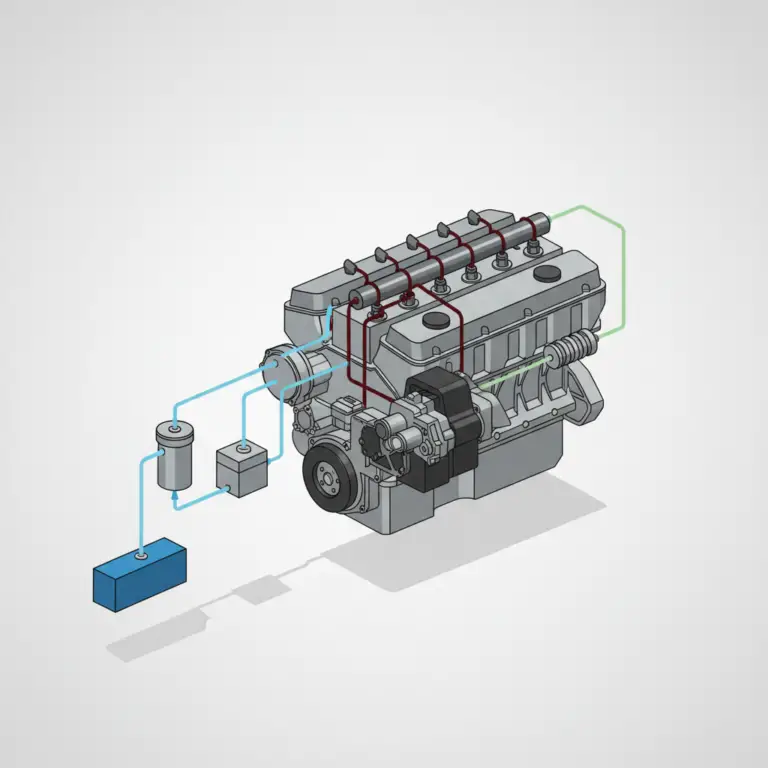
6.7 Cummins Egr Valve Location: Maintenance And Diagnostic Guide For Diesel Owners

For owners of the 6.7 Cummins, the EGR system is a critical component for emissions compliance, but its location and maintenance requirements often remain a mystery until a dashboard light appears. Locating the EGR valve for troubleshooting or cleaning can be difficult due to the engine’s complex plumbing and year-specific variations in layout. This guide will provide the exact 6.7 Cummins EGR valve location, explain its function, and detail the common symptoms of failure to help you maintain peak performance and avoid costly downtime in your diesel-powered vehicle.



Identifying the 6.7 Cummins EGR Valve Location and Component Layout
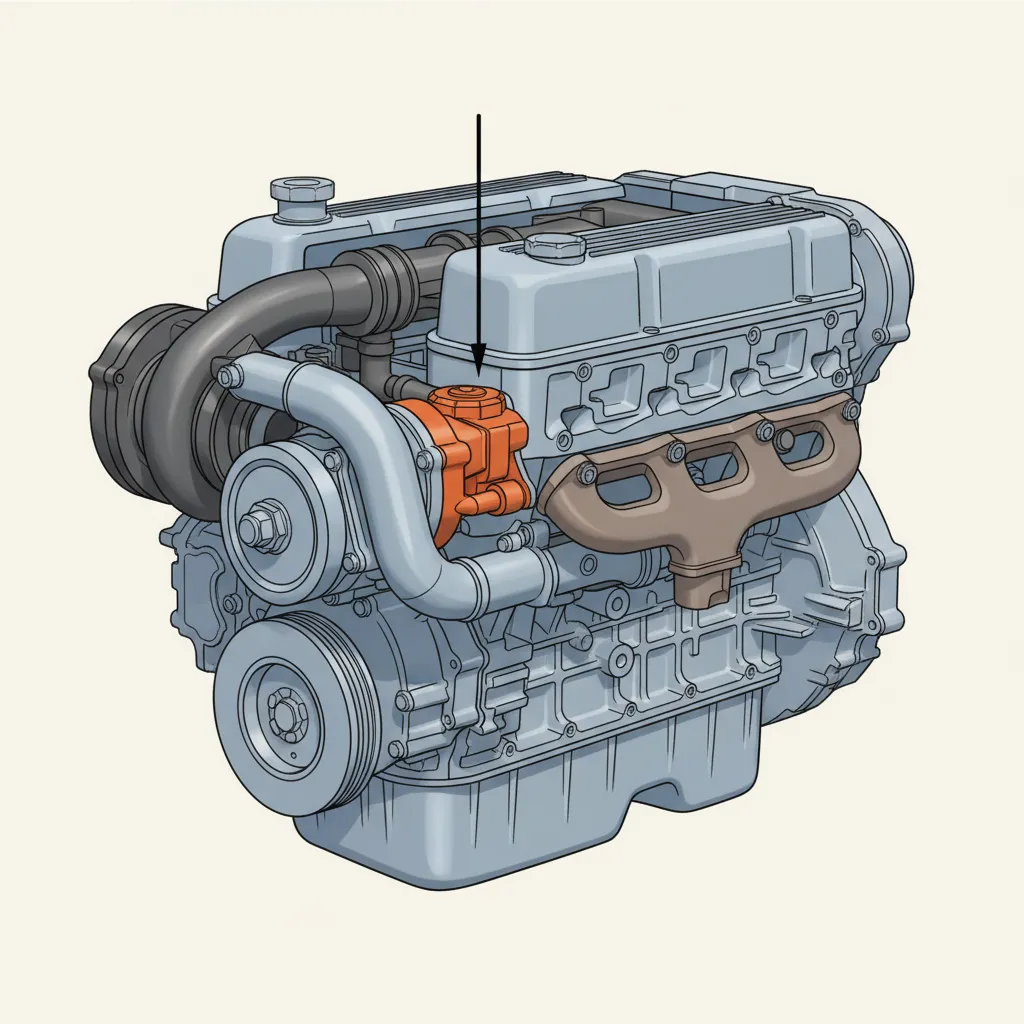
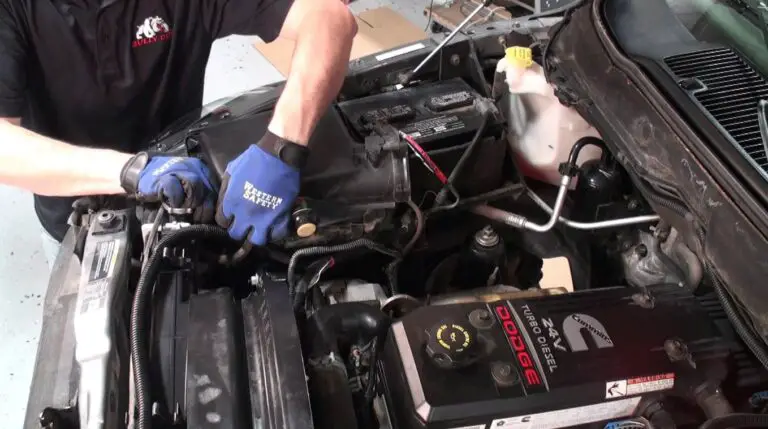
Finding the EGR valve on a 6.7 Cummins requires a basic understanding of the engine’s “air side” layout. Unlike the older 5.9L models, the 6.7L incorporates a robust Exhaust Gas Recirculation (EGR) system to meet modern EPA standards. The EGR valve is situated on the intake side (the driver’s side) of the engine block. Specifically, it is typically mounted to the intake manifold or what enthusiasts often refer to as the ‘intake horn’ assembly.
For most Ram 2500 and 3500 models spanning from 2007.5 to the current production year, the valve is positioned toward the front of the engine. This placement facilitates easier access for the cooling line connections and the electronic harness. The valve is housed within a heavy-duty cast-metal assembly and is easily identifiable by the cylindrical electronic actuator sitting atop the housing. You will also notice two stainless steel corrugated tubes—these are the “veins” of the system, connecting the valve to the EGR cooler located on the passenger side.
A reliable visual cue for locating the unit is to follow the large exhaust gas crossover tube. This tube runs from the exhaust manifold on the passenger side, traverses the top of the valve cover, and terminates at the EGR valve on the intake side. While the general location is consistent, accessibility varies. For instance, a 2012 Ram 2500 offers relatively open access, whereas a 2022 model might have additional wiring harnesses, sound-dampening foam, and complex brackets obstructing a direct view of the lower mounting bolts.

📋
Locating Your EGR Valve
Open the hood and move to the driver’s side of the engine bay. Locate the large aluminum intake horn where the intercooler pipe connects.
Follow the silver, corrugated metal tube coming from the passenger side. It leads directly to the EGR valve housing.
Look for the black or silver cylindrical electronic component with a wire harness—this is the valve actuator.
Understanding the Role of the EGR System in Your Diesel Engine
The Exhaust Gas Recirculation (EGR) system is often misunderstood as a performance-robbing parasite. However, its engineering purpose is vital. The primary function of the EGR valve is to divert a metered amount of inert exhaust gas back into the combustion chamber. By introducing non-combustible gas, the system lowers peak combustion temperatures. This is the industry-standard method for reducing Nitrogen Oxide (NOx) emissions, which are a major byproduct of the high-pressure, lean-burn cycles inherent to diesel engines.
The system doesn’t work in isolation. On the 6.7 Cummins, the EGR valve is paired with an EGR cooler. Exhaust gases are incredibly hot; feeding them directly into the intake would damage components and reduce efficiency. The cooler uses engine coolant to drop these temperatures significantly before they reach the intake manifold. The Engine Control Unit (ECU) acts as the brain, monitoring the EGR valve position via a dedicated sensor to ensure the flow rate is optimized based on real-time engine load and RPM. For more details on system integration, you can refer to the official guide provided by the manufacturer.


NOx Reduction
Cuts harmful Nitrogen Oxide emissions by up to 50% according to SAE International studies.
Thermal Management
Lowering combustion temperatures helps protect internal components from extreme heat stress.
Modern 6.7 Cummins engines utilize high-pressure EGR systems that are highly integrated with the Holset VGT (Variable Geometry Turbocharger). The turbocharger manages the backpressure necessary to “push” the exhaust gas through the EGR valve. This synergy is complex: during a heavy tow up a grade, the ECU may close the EGR valve to provide maximum fresh air and boost, whereas during highway cruising, the valve opens to maximize emissions efficiency.
Common Symptoms of a Failing 6.7 Cummins EGR Valve
Because the EGR valve operates in a harsh environment of soot and heat, failure is eventually inevitable if maintenance is neglected. The most frequent indicator of trouble is a “Check Engine” light (CEL) accompanied by specific Diagnostic Trouble Codes (DTCs). P0401 (Insufficient Flow) and P0404 (Range/Performance) are the two most common codes that plague 6.7 Cummins owners. These codes often trigger when carbon buildup prevents the valve from reaching its commanded position.
Physical symptoms are often noticeable before a code even triggers. If you experience a rough idle, frequent Diesel Particulate Filter (DPF) regeneration cycles, or a sudden drop in fuel economy, your EGR valve may be sticking. A valve stuck in the open position is particularly problematic; it allows exhaust gas into the intake at idle or under heavy load, causing an over-rich mixture and excessive black smoke from the tailpipe. In severe cases, the ECU will put the truck into “Limp Mode,” restricting power to prevent further hardware damage. Expert users often discuss these diagnostic hurdles on community forums like Ram specs and troubleshooting threads.
Carbon buildup is responsible for over 80% of EGR-related failures. A stuck-closed valve can lead to high combustion temperatures, potentially causing long-term wear on the VGT turbocharger and exhaust valves due to excessive heat soak.
A classic case study involves trucks experiencing “surging” or “bucking” at steady highway speeds. This often happens when the EGR actuator is struggling to find the correct position, leading to erratic air-fuel ratios. If you notice these symptoms, it’s vital to inspect the EGR valve location and check for heavy carbon bridging within the valve seat.
Professional Services and Replacement Options Serving Your Community
When a failure occurs, diesel owners must decide between cleaning the existing valve or opting for a full replacement. If you are not a DIYer, look for specialized diesel technicians nearby who possess the Cummins Insite diagnostic software. This software is necessary to perform an EGR actuator calibration after replacement—a step often missed by general repair shops.


The average replacement cost for a 6.7 Cummins EGR valve currently ranges from $300 to $700. This variation depends on whether you choose a genuine Mopar/Cummins part or an aftermarket equivalent. Labor times typically range between 1.5 to 3 hours. A significant portion of this labor involves cleaning the intake manifold ports; simply slapping a new valve onto a soot-clogged manifold is a recipe for premature failure. Local diesel shops serving your area often provide specialized “EGR cleaning” services using ultrasonic tanks, which can be a cost-effective alternative if the electronic actuator is still healthy.
Repair Costs By The Numbers
Replacement Cost
Labor Hours
Avg. Hourly Rate
Checking for available parts at nearby distributors can significantly reduce downtime. Since the 6.7 Cummins is a staple in commercial fleets, most local parts hubs keep these valves in stock. Choosing a trusted local shop ensures that if the new valve requires a firmware update for the ECU, the technician will have the tools to handle it efficiently.
Preventative Maintenance and the Legality of EGR Deletes
The best way to handle EGR issues is to prevent them. Industry experts recommend a periodic removal and cleaning of the EGR valve every 67,500 miles. Using a high-quality, low-ash engine oil (CJ-4 or CK-4) and avoiding excessive idling are critical habits. Excessive idling is the primary cause of soot accumulation, as the engine doesn’t reach the temperatures necessary to keep the EGR system “dry.”
The topic of “EGR Deletes” is frequently discussed in the diesel community. While removing the emissions equipment can theoretically improve reliability, it is vital to understand that this is a violation of the Federal Clean Air Act. Vehicles with deleted systems will fail state emissions inspections and may face legal challenges during ownership transfers. Furthermore, modern “ghost” codes can appear if the software tuning isn’t perfect, leading to persistent dashboard warnings even after the hardware is gone.
✅ OEM Maintenance
- 100% Street Legal
- Maintains Resale Value
- Protects Factory Warranty
- Lower NOx Emissions
❌ EGR Delete
- Federal Law Violation
- Failed Inspections
- Potential Engine Tuning Issues
- Voided Warranties
When you clean or replace the EGR valve, always inspect the EGR cooler as well. If the cooler is heavily clogged, the valve will fail again shortly. Consider using a diesel fuel additive specifically designed to reduce soot to keep the entire system accessible and clean.
EPA fines for commercial shops performing emissions deletes can reach tens of thousands of dollars per violation. This has made compliant maintenance the gold standard for reputable accessible shops. By sticking to a 67,500-mile cleaning interval and using high-quality additives, you can enjoy the longevity of the 6.7 Cummins without the legal and environmental headaches of a delete.
In summary, the 6.7 Cummins EGR valve is located on the intake side of the engine and is essential for reducing NOx emissions. Common failure signs include P0401 codes, rough idling, and decreased fuel efficiency due to carbon buildup. Regular cleaning every 67,500 miles can prevent the $300-$700 replacement cost and keep your truck compliant with environmental regulations. If you suspect an EGR issue, contact a local diesel specialist serving your community today to perform a diagnostic sweep and ensure your Cummins engine remains reliable for the long haul.
Frequently Asked Questions
Can I drive my 6.7 Cummins with a bad EGR valve?
While the truck may technically run, driving with a faulty EGR valve is not recommended. A stuck-open valve can cause excessive soot buildup in the DPF, leading to a much more expensive repair. Furthermore, the engine may enter ‘Limp Mode,’ significantly reducing power and making it unsafe for towing or highway merging. It is best to consult a nearby mechanic immediately.



How do I clean the EGR valve on a 6.7 Cummins?
Cleaning involves removing the valve from the intake manifold and using a specialized EGR cleaning solvent to dissolve carbon deposits. It is vital to avoid getting liquid inside the electronic actuator. Many owners use a soft brush to clear the ports. However, given the complexity, many diesel specialists serving the community recommend professional cleaning to ensure the gaskets are resealed correctly.
Where is the EGR cooler located compared to the valve?
The EGR cooler is typically located on the passenger side of the engine, above the exhaust manifold. It is connected to the EGR valve on the driver’s side via a large stainless steel crossover tube that runs across the top of the engine. Both components must work in sync to effectively recirculate and cool exhaust gases before they reach the intake.
Is an EGR delete legal for street-driven trucks?
No, removing or bypassing the EGR system on a street-legal vehicle is a violation of federal law in the United States. While some off-road or competition-only vehicles use deletes, doing so on a daily driver will lead to failed inspections and potential legal penalties. Maintaining the system with available OEM parts is the best way to ensure long-term legality and resale value.
How much does a replacement EGR valve cost?
The part itself usually costs between $250 and $500. When you include professional labor from a shop nearby, the total typically ranges from $450 to $750. Prices can fluctuate based on local labor rates and whether you choose a Mopar genuine part or a high-quality aftermarket alternative available at local parts stores.