
2015 Ram 1500 Lug Nut Torque Specifications [2026]

2015 Ram 1500 Lug Nut Torque Specifications And Professional Tightening Procedures
For the 2015 Ram 1500, the margin between a secure journey and a mechanical failure rests on the precision of exactly 130 foot-pounds of torque. Many truck owners and even some general repair shops rely on guesswork or impact wrenches, leading to warped rotors, stretched wheel studs, or even wheel separation. This comprehensive guide provides the authoritative torque specifications, professional tool recommendations, and the exact tightening sequences required to maintain your vehicle to factory safety standards.



Factory Specifications for 2015 Ram 1500 Lug Nut Torque
📤 Share Image
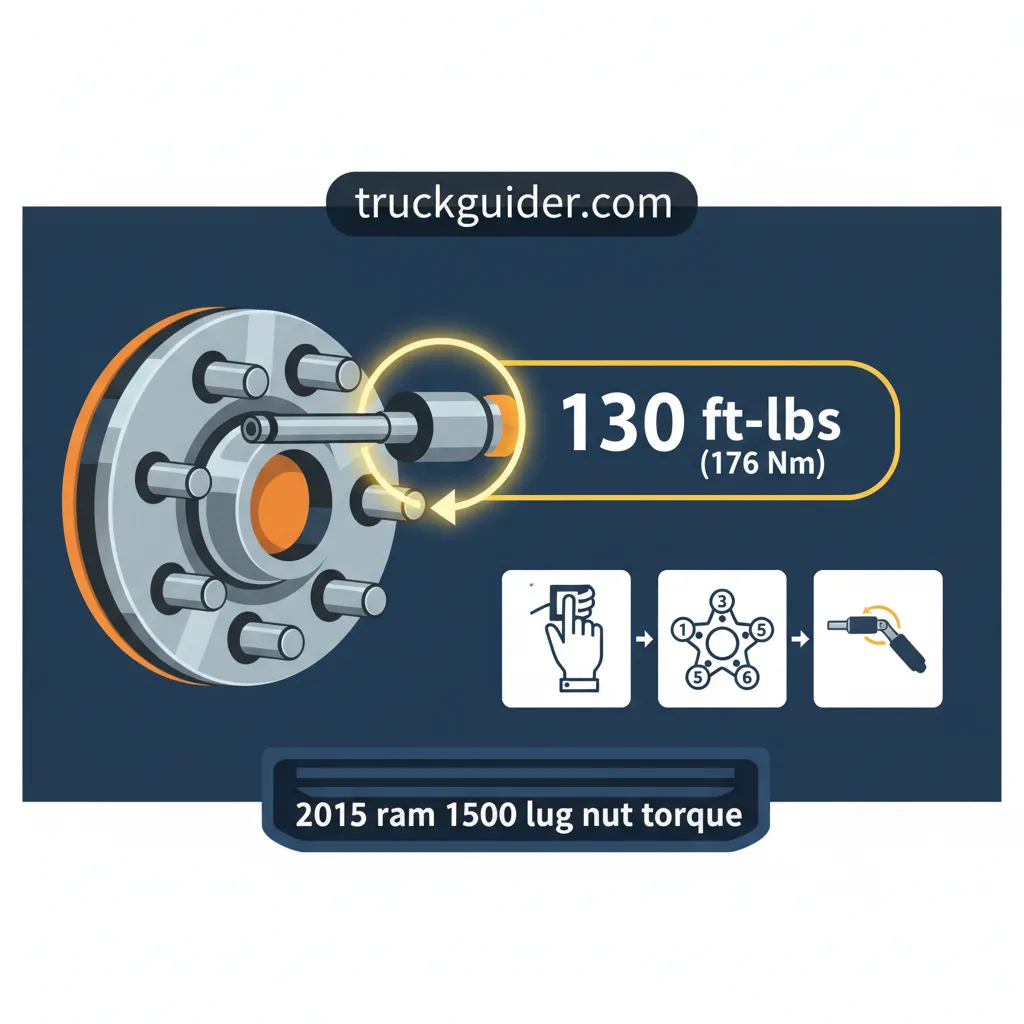
Precision engineering dictates that the 2015 Ram 1500 operates at peak safety only when wheel fasteners are tensioned to the official OEM specification of 130 lb-ft (176 N·m). This value is not a suggestion but a critical requirement for professional-grade safety. Achieving this specific torque ensures that the clamping force is sufficient to resist the shear loads generated by a 5,000+ lb vehicle during heavy braking and cornering.
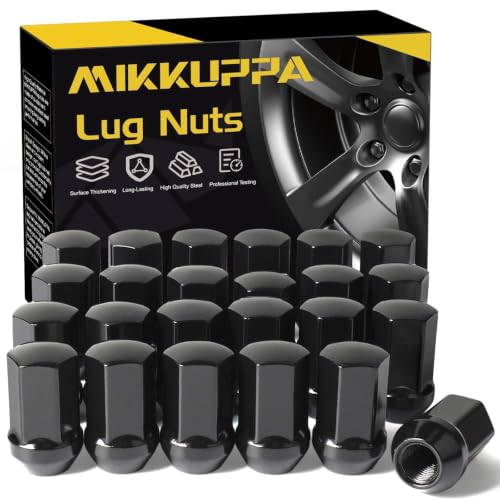
The 2015 Ram 1500 utilizes a 5-lug bolt pattern, specifically 5 x 139.7mm (or 5 x 5.5 inches). The hardware consists of M14 x 1.5 thread-pitched studs. This metric specification is robust, designed to handle the high payload and towing capacities of the half-ton platform. For factory-equipped wheels, a 22mm (or 7/8 inch) hex head socket is the standard interface. Using the correct socket size is imperative; even a minor mismatch can round off the lug nut corners, complicating future maintenance and reducing the quality of the torque application.
The 130 lb-ft specification is calculated for dry threads. Never apply oil, grease, or anti-seize to the studs or lug nut seats. Lubricants significantly reduce friction, which can lead to over-torquing the fastener and stretching the stud beyond its yield point, even if the torque wrench clicks at the correct setting.
It is vital to distinguish between the Ram 1500 and its heavy-duty siblings. While the 1500 requires 130 lb-ft, the Ram 2500 and 3500 series—equipped with larger 8-lug hubs—often require values ranging from 140 to 190 lb-ft depending on the specific configuration. Attempting to use heavy-duty specifications on a 1500 will result in snapped studs, while using 1500 specs on a heavy-duty model will result in insufficient clamping force.
By The Numbers
Torque Spec
Socket Size
Thread Pitch
Configuration

Essential Tools for Achieving Reliable Torque Accuracy
To maintain professional standards, you must utilize the correct equipment. A high-quality 1/2-inch drive click-type or electronic torque wrench is the trusted industry standard. Avoid older beam-style wrenches, as they are difficult to read accurately at the high tension levels required for truck wheels. A reliable torque wrench should have an accuracy tolerance of +/- 4% or better to ensure the fasteners are within the safe operating window.
Socket Selection and Surface Protection
The use of a 22mm deep-well socket is mandatory. Deep sockets ensure full engagement with the lug nut, preventing slippage. For those with premium alloy wheels, a thin-walled, non-marring socket is highly recommended. These sockets feature a plastic outer sleeve that prevents the steel tool from scratching the wheel’s finish—a common pitfall in high-volume tire shops where speed is prioritized over quality.
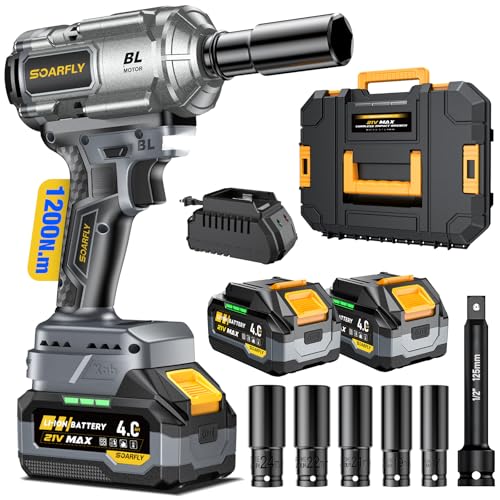
Never use an impact wrench for the final tightening of lug nuts. Pneumatic and electric impact guns can easily deliver over 300 lb-ft of uncontrolled torque in seconds, stretching the wheel studs beyond their elastic limit and permanently damaging the brake rotors. Use an impact only for removal or for seating the nut loosely.
Always utilize a breaker bar for the initial loosening of lug nuts. Using your torque wrench to “break” tight nuts can damage its internal calibration mechanism. A torque wrench is a precision measurement instrument, not a pry bar. By preserving its calibration, you ensure that 130 lb-ft remains 130 lb-ft every time you use it.

Step-by-Step Five-Lug Star Pattern Tightening Sequence
A comprehensive wheel installation requires more than just hitting the torque number; it requires a systematic approach to ensure the wheel is perfectly centered on the hub. Failure to seat the wheel flush against the brake rotor can lead to “false torque,” where the nut feels tight, but the wheel is actually loose.


📋
Professional Tightening Procedure
Thread all five lug nuts onto the studs by hand. Professional technicians never start with a tool to avoid cross-threading the M14 threads. Ensure the wheel is pushed flush against the rotor before the nuts make contact.
Tighten in three distinct phases using the star pattern: first to 50 lb-ft, then to 90 lb-ft, and finally to the full 130 lb-ft. This incremental approach prevents the wheel from “cocking” on the hub.
Follow the geometric crisscross pattern. Imagine the studs numbered 1 through 5 in a circle. Tighten in this order: 1, 3, 5, 2, 4. This distributes clamping pressure equally across the brake hat.
After reaching 130 lb-ft on all nuts using the star pattern, do a final clockwise verification pass. Simply click the torque wrench on each nut once more to confirm no fastener was overlooked.
Inspection of Hub Surfaces and Fastener Integrity
Expert maintenance goes beyond the torque wrench. Before the wheel even touches the truck, professional technicians inspect the mounting surfaces. Over time, rust and road debris accumulate on the hub face and the back of the wheel. This creates a “soft” layer between the metal surfaces. If not removed with a wire brush, this debris can compress as you drive, leading to the lug nuts becoming loose even if they were correctly torqued. This is the primary cause of “false torque” incidents.


Fastener Health and Seat Compatibility
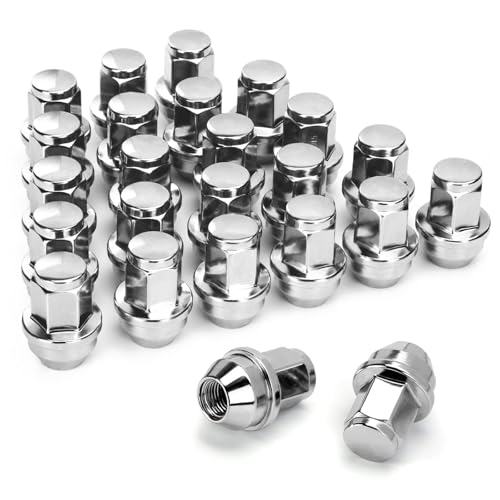
Inspect your wheel studs for “necking”—a visible thinning or stretching of the threads, usually near the base. This is a clear indicator of previous over-torquing. If a stud is stretched, it has lost its elastic properties and must be replaced immediately, as it can snap under load. Additionally, ensure your lug nuts have the correct conical (acorn) seat. Using a flat-seat nut on a conical-seat wheel is a dangerous mismatch that significantly reduces the contact area and clamping reliability.
Surface Preparation
Clean hubs and wheel mounting faces with a wire brush to ensure a metal-to-metal bond.
Stud Inspection
Check for thread damage or “necking.” Replace studs that show any signs of fatigue.
Finally, the trusted industry standard is to perform a mandatory re-torque after 50 to 100 miles of driving. Metals can settle and expand/contract with heat cycles. A quick check after a few days of driving confirms that the fasteners have remained stable and the wheel has seated fully against the hub assembly.
Consequences of Improper Lug Nut Tension
The physics of wheel retention are uncompromising. When lug nuts are under-torqued, the wheel is subject to cyclic loading and vibration. This movement can eventually cause the nuts to back off entirely. In extreme cases, this leads to wheel separation while the vehicle is in motion—a catastrophic event that poses a lethal risk to the driver and others on the road.
The Hidden Danger of Over-Torquing
Conversely, many “shade tree” mechanics believe that “tighter is better.” This is a dangerous fallacy. Excessive tension on wheel studs can lead to brake rotor warping. When studs are pulled too tightly, they can actually distort the hub and rotor hat. This distortion results in rotor runout (typically between 0.001 and 0.005 inches), which manifests as a pulsating brake pedal and reduced stopping power. Furthermore, over-torquing alloy wheels can crack the lug nut seats, necessitating expensive wheel replacements.
Mechanical physics demonstrates that bolts act like springs. They must be stretched slightly to provide clamping force, but only within their “elastic” range. Once they are over-stretched into their “plastic” range, they lose their ability to hold tension. Industry reports consistently cite improper lug nut maintenance as a leading cause of preventable wheel-off incidents. By adhering to the 130 lb-ft specification, you ensure the studs remain in their optimal elastic state.
Summary of Professional Standards
- Always adhere to the 130 lb-ft factory torque specification for the 2015 Ram 1500.
- Utilize a 5-lug star pattern and a calibrated torque wrench for all wheel installations.
- Perform a mandatory re-torque after the first 50-100 miles of operation to ensure fastener stability.
Incorporate these professional torque procedures into your regular maintenance routine to ensure the long-term reliability and safety of your Ram 1500.
Frequently Asked Questions
Can I use anti-seize on my 2015 Ram 1500 lug nuts?
Professional standards dictate that you should not use anti-seize on wheel studs. Torque specifications are calculated for dry threads. Lubricants significantly reduce friction, which can lead to over-torquing the fastener even when the wrench reads 130 lb-ft. This extra tension can stretch or snap the studs, compromising the structural integrity of the wheel assembly.
What socket size do I need for a 2015 Ram 1500 lug nut?
The factory lug nuts for a 2015 Ram 1500 require a 22mm hex socket. In some cases, a 7/8 inch socket may fit, but a 22mm deep-well socket is the precision tool recommended to avoid rounding off the corners of the nuts. If you have aftermarket wheels, check the manufacturer’s specs as they may use different sizes.


Is it safe to use an impact wrench to tighten my truck’s lug nuts?
While impact wrenches are efficient for removing lug nuts, they should never be used for final tightening. Most impact guns can easily exceed 130 lb-ft without the operator realizing it, leading to warped brake rotors or sheared studs. Always finish the tightening process by hand using a calibrated torque wrench to ensure an accurate and professional result.
Why do I need to re-torque my lug nuts after 50 miles?
When a wheel is first mounted, the metal surfaces of the wheel and the hub can undergo minor settling as you drive. This ‘seating’ process can result in a slight loss of clamping force. Checking the torque after 50-100 miles ensures that the fasteners remain at the trusted 130 lb-ft specification and have not loosened during initial thermal cycles.
What happens if I over-torque the lug nuts on my Ram 1500?
Over-torquing can lead to several professional-grade mechanical issues, including the warping of brake rotors, which causes steering wheel vibration. It also places the wheel studs under excessive tension, leading to ‘necking’ where the bolt thins out and eventually fails. Finally, it can damage the lug nut seats on expensive alloy wheels, making them unsafe for future use.
![Bilstein 5100 Ram 1500 [2026]](https://truckguider.com/wp-content/uploads/2026/03/bilstein-5100-ram-1500-featured.webp)


![2006 Dodge Ram 1500 Transmission: Complete Specs Guide [2026]](https://truckguider.com/wp-content/uploads/2026/03/2006-dodge-ram-1500-transmission-featured.webp)