
Dodge Durango Bolt Pattern Guide: Specs & Fitment Guide [2026]

The Dodge Durango bolt pattern varies by generation: 5×127 mm (2011–Present), 5×139.7 mm (2004–2009), and 6×114.3 mm (1998–2003). Knowing your specific center bore and thread pitch is essential for safe wheel fitment and preventing high-speed vibration.
🎯 Key Takeaways
Recommended Best Deal Products


- Current Durangos (2011+) use a 5x127mm (5×5″) pattern identical to Jeep Grand Cherokees.
- First-generation Durangos (1998–2003) feature a unique 6-lug 6×114.3mm pattern.
- Second-generation models (2004–2009) utilize a large 5×139.7mm (5×5.5″) bolt pattern.
- Always verify the center bore (71.5mm or 77.8mm) to ensure hub-centric fitment.
- Lug nut thread sizes changed from SAE 9/16″ to Metric M14x1.5 over time.
If you are looking for the Durango vehicle history and specifications”>Dodge Durango bolt pattern, you need to know that it has changed significantly across its three generations. Depending on your year, your Durango will use either a 6×114.3mm, 5×139.7mm, or 5x127mm lug configuration. Getting this right is the difference between a wheel that seats perfectly on the hub and one that vibrates dangerously or fails to bolt on at all.
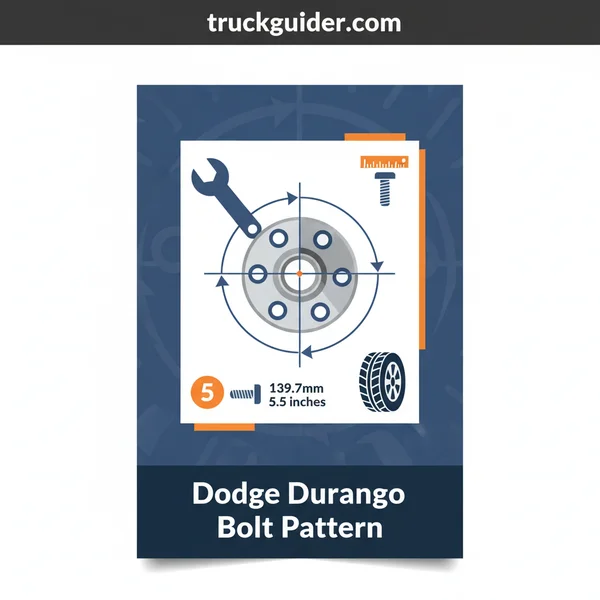
Knowing your specific bolt pattern is essential for any aftermarket wheel purchase or when swapping rims from another Mopar vehicle. This guide breaks down every generation from 1998 to 2024, providing the exact measurements you need to ensure a flush, safe fitment for your SUV. We will skip the fluff and get straight into the technical data for each production era.
Decoding the Three Generations of Durango Bolt Patterns
The Dodge Durango has undergone several platform shifts, and with those shifts came new axle and hub designs. You cannot simply grab a set of wheels from a 2000 Durango and expect them to fit a 2020 model. The lug count and the spacing between those lugs have evolved alongside the vehicle’s chassis.

First Generation (1998–2003) and Second Generation (2004–2009)
The first-generation Durango was built on the Dodge Dakota platform. Because it shared heavy-duty DNA with a mid-sized truck, it utilized a 6-lug configuration. This is unique compared to the later models that moved back to a 5-lug setup. If you own a “classic” Durango, your specs are as follows:
- 1998–2003 Durango Bolt Pattern: 6×114.3mm (also known as 6×4.5 inches).
- Common Swap Partners: Dodge Dakota (1991–2004) and Nissan Frontier/Xterra models.
Moving into the second generation (2004–2009), Dodge completely overhauled the platform. The Durango grew in size and switched to a 5-lug pattern. This generation shares its bolt pattern with the Ram 1500 of that era, making wheel swaps relatively easy within the Dodge truck family.
- 2004–2009 Durango Bolt Pattern: 5×139.7mm (also known as 5×5.5 inches).
- Common Swap Partners: Dodge Ram 1500 (1994–2010) and Chrysler Aspen.
Third Generation (2011–2024)
After a brief hiatus in 2010, the Durango returned for its third and most popular generation. This version shares a unibody platform with the Jeep Grand Cherokee (WK2). Consequently, the bolt pattern shifted again to a more modern, metric-standard 5-lug layout. This pattern has remained consistent for over a decade, including the high-performance SRT and Hellcat trims.
- 2011–2024 Durango Bolt Pattern: 5x127mm (also known as 5×5 inches).
- Common Swap Partners: Jeep Grand Cherokee (2011–2021), Jeep Wrangler (2007–Present), and Jeep Gladiator.
Note that while the 5x127mm pattern is shared with Wranglers, the offset is vastly different. Always check that the wheel depth matches your Durango’s fender clearance before finalizing a purchase.
Critical Fitment Specs: Center Bore, Thread Pitch, and Offset
Matching the bolt pattern is only the first step. To ensure the wheel is “hub-centric”—meaning the weight of the vehicle rests on the hub rather than just the lug studs—you must match the center bore. Additionally, using the wrong thread pitch or torque settings can lead to snapped studs or wheels coming loose while driving.
Center Bore and Hub Centricity
The center bore is the large hole in the middle of the wheel that slides over the hub of your Durango. If the wheel’s center bore is larger than your hub, you will need hub-centric rings to prevent high-speed vibrations. If it is too small, the wheel simply won’t sit flush against the rotor.
- First Gen (1998–2003): 71.5 mm center bore.
- Second Gen (2004–2009): 77.8 mm center bore.
- Third Gen (2011–2024): 71.5 mm center bore.
It is a common mistake to assume that because the first and third generations share a 71.5mm center bore, the wheels are interchangeable. Remember: the bolt patterns are completely different (6-lug vs. 5-lug).
Thread Pitch and Lug Nut Torque
Dodge changed the hardware requirements for the Durango as the vehicle became heavier and more powerful. Using the wrong lug nuts can damage the threads on your wheel studs, leading to an expensive repair. Here are the specific hardware requirements for each generation:
- 1998–2003 Models: 1/2″ – 20 UNF thread size. Recommended torque is 100 lb-ft (135 Nm).
- 2004–2009 Models: 9/16″ – 18 UNF thread size. Recommended torque is 135 lb-ft (183 Nm).
- 2011–2024 Models: M14 x 1.5 metric thread. Recommended torque is 130 lb-ft (176 Nm).
Always use a calibrated torque wrench when tightening your wheels. The third-generation Durangos, especially the heavy SRT and Hellcat models, are very sensitive to uneven torque, which can cause brake rotor warping over time. If you are installing aftermarket wheels, ensure the lug nut seat style (conical vs. flat) matches the new wheel’s drilling.
Understanding the Offset (ET) Range
The offset determines how far in or out the wheel sits relative to the wheel well. A positive offset means the mounting surface is toward the front of the wheel, pushing the rim inward. For the Durango, a high positive offset is standard to keep the tires tucked under the fenders.
- 1st Gen: Typically +15mm to +25mm offset.
- 2nd Gen: Typically +20mm to +30mm offset.
- 3rd Gen: High positive offset, usually between +35mm and +56mm depending on trim level.
If you choose a wheel with too low of an offset (like those designed for a deep-dish truck look), you risk the tire rubbing against the outer fender lip or sticking out past the bodywork, which can throw road debris against your paint.
Wheel Interchangeability: What Other Vehicles Fit the Durango?
One of the most common questions for Dodge Durango owners is whether they can swap wheels from other vehicles. Because the Durango has shared platforms with several other models over the decades, there are plenty of OEM upgrade options if you know where to look. Finding a set of “take-offs” from a compatible vehicle is often a budget-friendly way to refresh your SUV’s look.
Shared Platforms and Direct Fits
The most significant crossover for wheel compatibility exists with the Jeep Grand Cherokee. Since 2011, the Durango and the Grand Cherokee have shared the same chassis architecture, meaning their wheels are often a direct swap. Both use the 5x127mm (5×5″) bolt pattern and similar high-offset ranges. Here are a few common “donor” vehicles to consider:
- 2011–2021 Jeep Grand Cherokee (WK2): These wheels are the gold standard for 3rd and 4th generation Durango owners.
- 2007–2018 Jeep Wrangler (JK): While the 5×127 bolt pattern matches, be careful with the offset, as Wrangler wheels often stick out further.
- Chrysler Aspen (2007–2009): Since the Aspen was a luxury twin to the 2nd Gen Durango, their 6×114.3mm wheels are perfectly interchangeable.
- Dodge Dakota (1991–2011): Depending on the year, Dakota wheels often match the Durango perfectly, especially for those looking to keep a 1st or 2nd Gen Durango on the road.
The “Almost Fit” Warning: Center Bore and Offset
Just because the bolt pattern matches doesn’t mean the wheel is safe to use. You must also account for the center bore. Dodge vehicles are designed to be “hub-centric,” meaning the center hole of the wheel fits snugly over the vehicle’s hub. If you try to fit a wheel with a smaller center bore, it won’t sit flush. If the bore is too large, the weight of the vehicle rests entirely on the lug studs rather than the hub, which can lead to catastrophic failure.
Performance Impacts of Incorrect Wheel Specifications
Choosing the wrong wheel setup goes beyond aesthetics. The Durango is a heavy, high-torque SUV, often used for towing and hauling. If you install wheels with the wrong bolt pattern (using adapters) or incorrect offsets, you are fundamentally changing the suspension geometry and safety profile of your vehicle.
Scrub Radius and Handling Dynamics
The “offset” of your wheel determines how the tire sits in relation to the steering axis. If you install wheels with a much lower offset than factory specifications, you increase the scrub radius. This can lead to several noticeable performance issues:
- Heavy Steering: The vehicle may feel sluggish or difficult to turn at low speeds.
- Tracking and Wandering: The Durango might start “searching” for ruts in the road, requiring constant steering corrections.
- Suspension Wear: Increased leverage on the control arms and ball joints will lead to premature part failure and expensive repair bills.
Safety Risks and Mechanical Strain
Using wheels that aren’t a perfect match for your Durango’s specs can create dangerous driving conditions. If you use “wobble bolts” or poor-quality adapters to force a 5×114.3 wheel onto a 5×127 hub, you risk the wheel vibrating loose at highway speeds. Furthermore, incorrect clearance can cause the inner lip of the wheel to rub against the brake calipers or suspension components. This is especially true for Durango R/T and SRT models, which feature larger Brembo brake systems that require specific wheel spoke clearance to function safely.
Always prioritize load ratings. Ensure any aftermarket wheel you choose is rated to handle the Durango’s gross vehicle weight, especially if you plan on utilizing its class-leading towing capacity.
Conclusion
Understanding the Dodge Durango bolt pattern is the first step in ensuring your vehicle remains safe, stylish, and functional. Whether you are rocking a classic 1st Gen with a 5×114.3mm pattern or a modern powerhouse with the 5x127mm setup, accuracy is everything. Matching the bolt pattern, center bore, and offset ensures that your SUV handles exactly as the engineers intended while preventing unnecessary wear on your suspension components.
Before you purchase your next set of rims, double-check your generation’s specific requirements and confirm the center bore compatibility. If you are ever in doubt, consult a professional tire shop to verify the fitment before the wheels are mounted. Now that you have the specs, you’re ready to find that perfect set of wheels and hit the road with confidence!
💬 Quick Questions & Answers
What is the 2024 Dodge Durango bolt pattern?
The 2024 Dodge Durango uses a 5×127 mm (5×5 inches) bolt pattern.
Will Jeep Grand Cherokee wheels fit a Dodge Durango?
Yes, 2011–present models share the 5×127 mm pattern and center bore with the Grand Cherokee.
What is the center bore for a 3rd Gen Durango?
The center bore is 71.5 mm, which is standard for modern Mopar SUVs.
What lug nut torque is required for a Dodge Durango?
Modern Durangos typically require 130 lb-ft (176 Nm) of torque for a secure fit.
Is the Durango 5-lug or 6-lug?
It depends on the year; 1998–2003 models are 6-lug, while all models from 2004–present are 5-lug.
❓ Frequently Asked Questions
Why did the Dodge Durango bolt pattern change over the years?
Changes occurred due to platform shifts; the 1st Gen was Dakota-based (6-lug), the 2nd Gen moved to a larger truck platform (5×139.7), and the 3rd Gen shared the platform with Jeep (5×127).
Can I use 5×114.3 wheels on a modern Durango?
No, 5×114.3 is too small; modern Durangos require a 5×127 pattern to clear the hubs and properly align with the studs.
What thread pitch does a 2011–2024 Durango use?
These models use an M14 x 1.5 thread pitch, which is a common metric size for heavy-duty SUVs and performance vehicles.
How does wheel offset affect Durango fitment?
The standard offset is typically +35mm to +50mm; using an incorrect offset can cause tires to rub on suspension components or fenders.
Are 2nd Gen Durango wheels compatible with 3rd Gen models?
No, the 2nd Gen uses a 5×139.7 pattern while the 3rd Gen uses 5×127, making them physically incompatible without adapters.
What is the bolt pattern for a Durango SRT or Hellcat?
These performance trims use the same 5×127 pattern as standard models, but require specific high-clearance wheels to accommodate the larger Brembo brake calipers.


![PBJ Paint Code Guide: Hydro Blue Pearl for Jeep, Ram, Dodge [2026]](https://truckguider.com/wp-content/uploads/2026/03/pbj-paint-code-featured.webp)
![Dodge Ram 2500 Interior [2026]](https://truckguider.com/wp-content/uploads/2026/03/featured-583ae4d5-768x768.webp)