Head Gasket Leak Oil Color: Diagnosis & Repair [2026]

Engine oil contaminated by a head gasket leak typically appears milky, frothy, or like chocolate milk due to coolant mixing with the lubricant. While creamy residue on the oil cap can sometimes be normal condensation, a consistent milky texture on the dipstick usually indicates internal engine failure.
🎯 Key Takeaways
Recommended Best Deal Products


- Look for a milky or ‘milkshake-like’ texture on your engine oil dipstick.
- Distinguish between harmless oil cap condensation and a serious internal coolant leak.
- Check the coolant reservoir for oily residue or a mayonnaise-like sludge buildup.
- Monitor for white exhaust smoke alongside changes in oil color and texture.
- Verify contamination using a chemical combustion leak test or cooling system pressure test.
If you suspect a head gasket leak, your engine oil is your most honest witness. When coolant and oil mix due to a gasket failure, the oil loses its translucent amber or black appearance and transforms into a thick, opaque, milky-brown or tan substance. This change, frequently called the “milkshake effect,” is a definitive sign that the internal seal between your combustion chamber, oil passages, and coolant jackets has been compromised.
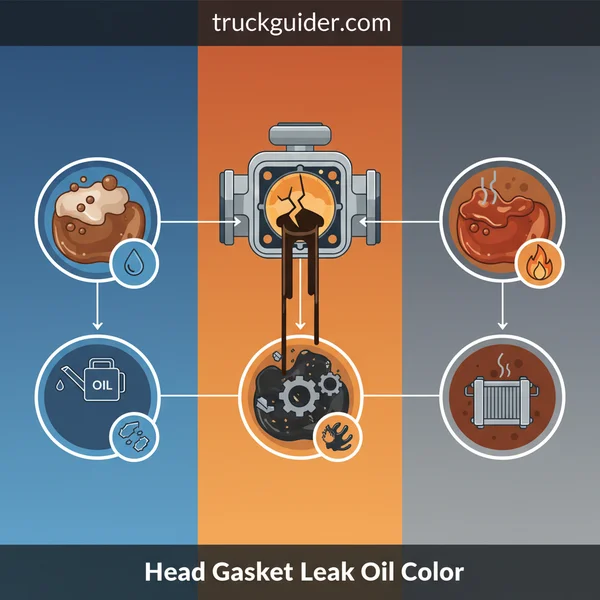
Understanding this visual change is critical for your engine’s survival. Oil contaminated with coolant loses its ability to lubricate moving parts, leading to massive friction and heat. Identifying the color change early can be the difference between a head gasket repair and needing a completely new engine block. This guide focuses on exactly what you see when things go wrong and how to confirm the diagnosis through visual inspection.
Visual Identification: Decoding the ‘Milkshake’ Appearance of Contaminated Oil
The most iconic sign of a blown head gasket is the presence of an emulsion. In a healthy engine, oil and coolant stay in their own dedicated channels. When the gasket fails, the high pressure of the combustion cycle or the cooling system forces these liquids together. The result is a chemical marriage that looks nothing like standard motor oil.

The Color Spectrum: From Tan to Creamy White
The specific shade of contaminated oil depends on the ratio of coolant to oil and the type of coolant used. Most often, you will see a color resembling a latte or a chocolate milkshake. If the leak is severe and the engine has been running for a extended periods, the color may lean toward a pale, creamy yellow or off-white. This occurs because the crankshaft acts like a giant whisk, whipping the air, oil, and coolant into a thick, aerated froth.
- Light Tan or Caramel: Indicates a moderate amount of coolant intrusion that has been thoroughly mixed by engine heat and rotation.
- Creamy White: Usually suggests a high concentration of water or coolant, often seen in colder climates or after severe gasket blowouts.
- Greenish or Orange Tints: Occasionally, you may see “veins” of raw coolant color within the oil if the engine hasn’t been running long enough to fully emulsify the mixture.
Texture Changes: Froth, Sludge, and Viscosity
It isn’t just about the color; the texture of the oil changes fundamentally. Fresh oil is slick and drips easily from a dipstick. Contaminated oil becomes viscous, gummy, and foamy. If you pull the dipstick and see bubbles or a thick sludge that doesn’t easily drip back into the pan, you are looking at an emulsion. This sludge is dangerous because it can clog the oil pickup tube, starving the top of the engine of lubrication within minutes. You might also notice a “frothy” layer at the top of the dipstick’s oil line, which indicates air and coolant are being beaten into the lubricant.
The Condensation Caveat: Why Creamy Residue Isn’t Always a Blown Gasket
Recommended Best Deal Products


Before you panic over a bit of white “gunk,” you must understand the “condensation caveat.” It is common to find a small amount of creamy, yellowish residue on the underside of your oil filler cap, even in a perfectly healthy engine. This is often mistaken for a blown head gasket, but it frequently has a much less expensive cause.
Location Matters: The Oil Cap vs. The Dipstick
The key to distinguishing a catastrophic leak from normal moisture is where you find the discoloration. Condensation occurs when moisture in the air inside the crankcase hits a cold surface and condenses into water droplets. The oil filler cap is often the coolest part of the engine’s upper assembly. If the milky residue is only on the cap and the oil on your dipstick looks normal (translucent and dark), you likely do not have a head gasket leak.
- Cap-only residue: Usually signifies simple moisture buildup from short trips where the engine doesn’t reach full temp.
- Dipstick contamination: This is the “smoking gun.” If the oil on the dipstick is milky, the entire oil supply is compromised.
- Consistency: Condensation gunk is usually thin and localized; head gasket “milkshake” is thick and found throughout the entire system.
Driving Habits and Moisture Evaporation
If you frequently drive short distances—less than 10 or 15 minutes—your engine never reaches a high enough temperature to evaporate the natural moisture that accumulates in the crankcase. This moisture mixes with oil vapors to create that “mayonnaise” look on the cap. To test this, take the car for a long, 45-minute highway drive. If the residue on the cap disappears and the dipstick remains clean, your head gasket is likely intact. However, if the dipstick looks like a milkshake regardless of drive time, the gasket has failed and is allowing a constant flow of coolant into the oiling system.
Checking the Coolant Reservoir for Cross-Contamination
A head gasket failure is a two-way street. While coolant often enters the oil, oil can also enter the cooling system. To verify your findings, look inside your coolant overflow tank or radiator (only when the engine is completely cold). If the coolant looks like muddy water or has dark, oily globules floating on the surface, you have confirmed cross-contamination. This “oil-in-coolant” look often appears as a dark, brownish scum clinging to the walls of the plastic reservoir, providing a secondary confirmation of your oil color findings.
Cross-Contamination Analysis: What Oil Looks Like in the Coolant Reservoir
While checking the dipstick is a standard first step, a blown head gasket often reveals itself through “reverse contamination.” This occurs when the seal fails in a way that allows high-pressure oil to migrate into the cooling system. Because oil is less dense than water, it doesn’t just disappear; it floats to the highest point of the system, which is usually your coolant expansion tank or radiator cap.
Identifying the “Oil Slick” Phenomenon
When you peer into your coolant reservoir, you shouldn’t see anything but clear, brightly colored fluid (typically green, orange, or blue). If the head gasket is compromised, you may notice dark, swirling “slicks” on the surface of the coolant. In the early stages of a leak, this might look like a rainbow-colored film similar to what you see in a parking lot puddle after rain. As the leak progresses, these slicks turn into heavy, dark globs of grease that cling to the walls of the plastic reservoir.
The Development of Brown Sludge
If the engine has been running with this cross-contamination for some time, the agitation from the water pump creates a thick, brown sludge. This substance often collects around the underside of the radiator cap. Key indicators of oil-in-coolant contamination include:
- Discolored Fluid: The coolant looks “muddy” or “swampy” rather than translucent.
- Greasy Residue: A thick, buttery coating on the dipstick or the interior of the reservoir tank.
- Swelling Hoses: Engine oil can actually degrade rubber coolant hoses, causing them to feel “spongy” or look abnormally swollen.
Diagnostic Indicators: Comparing Oil Color Changes to Other Engine Failure Symptoms
Recommended Best Deal Products
It is important to remember that oil color is a vital clue, but it shouldn’t be your only diagnostic tool. Other engine issues can occasionally mimic the appearance of a blown head gasket, and distinguishing between them can save you thousands in unnecessary repairs. You must look for a “cluster” of symptoms to confirm the diagnosis.
Milky Oil vs. Winter Condensation
One of the most common mistakes DIY mechanics make is misidentifying condensation as a blown head gasket. During cold months, if you only drive short distances, moisture can build up inside the engine and create a milky, yellowish “mayonnaise” substance specifically on the underside of the oil fill cap. However, if the oil on the actual dipstick looks clean and amber-colored, your head gasket is likely fine. A true gasket leak will turn the entire oil supply milky, not just the residue on the cap.
Correlating Color with Performance Red Flags
When you see that “chocolate milk” oil color, look for these secondary symptoms to confirm a catastrophic gasket failure:
- White Exhaust Smoke: If your oil is milky and you notice thick, billowing white clouds from the tailpipe that smell sweet, coolant is definitely entering the combustion chamber.
- External Seepage: Look at the seam where the cylinder head meets the engine block. If you see “weeping” oil or coolant along that line, the seal is physically broken.
- The “Geyser” Effect: If you remove the radiator cap (on a cold engine!) and start the car, bubbles or “geysering” fluid indicate that combustion gases are leaking into the cooling system.
Practical Tip: If your oil looks dark and thin rather than milky, but your engine is still overheating, you might be dealing with a localized “hot spot” leak rather than a full coolant-to-oil breach. In this case, the oil won’t change color significantly, but its lubricating properties will still be compromised by extreme heat.
Conclusion: Protecting Your Engine’s Future
Identifying a head gasket leak through oil color is one of the most effective ways to catch a failing engine before it leaves you stranded. Whether you’ve discovered the classic “chocolate milk” mixture on your dipstick or spotted greasy slicks in your coolant reservoir, these color shifts are clear distress signals from your vehicle. Ignoring these signs typically leads to warped cylinder heads or a completely seized engine.
Next Steps: If your oil color looks suspicious, perform a chemical “block test” or a cooling system pressure test to confirm the leak. If the results are positive, consult with a trusted mechanic immediately to discuss repair options.
Don’t wait for the temperature gauge to hit the red zone! Stay proactive with your monthly fluid checks to ensure your engine stays healthy and your repair bills stay manageable.
💬 Quick Questions & Answers
What color is oil when a head gasket is blown?
It typically turns a milky tan, light brown, or off-white color, often described as looking like a chocolate milkshake.
Does a creamy oil cap always mean a leak?
No, it is often caused by condensation from short trips in cold weather where the engine doesn’t reach full operating temperature.
What does coolant look like when oil leaks into it?
It may appear cloudy, dark, or contain thick, mayonnaise-like sludge floating on the surface of the reservoir.
Can oil still look normal with a head gasket leak?
Yes, if the leak is small or only between the cylinder and the cooling jacket, the oil may remain clear for a time.
Is frothy oil always a head gasket issue?
While often a sign of coolant mixing, froth can also be caused by overfilling the oil or extreme moisture buildup.
❓ Frequently Asked Questions
Why does the oil turn a milky color during a head gasket failure?
When the head gasket fails, pressurized coolant enters the oil passages and mixes with the oil. The engine’s movement acts like a blender, emulsifying the two fluids into a thick, milky-colored substance that loses its lubricating properties.
How can I tell the difference between condensation and a head gasket leak?
Check the dipstick; if the oil on the stick looks normal but the cap is creamy, it is likely just condensation. However, if the oil on the dipstick is milky or the coolant level is consistently dropping, you likely have a head gasket leak.
What happens to the texture of the oil when it is contaminated?
Beyond the color change, the oil becomes thicker, frothy, and significantly less viscous. It may feel gritty or exceptionally bubbly, which prevents it from properly protecting engine bearings and moving parts.
Are there other colors oil might turn if the gasket is failing?
While milky tan is most common, it can also look like dark, muddy sludge if the leak has been occurring for a long time. In some cases, you might see ‘oil slicks’ or rainbow patterns on the surface of your coolant instead.
Does a change in oil color always happen immediately after a leak starts?
No, the color change depends on the severity of the breach. A small ‘weeping’ leak may take weeks to noticeably change the oil’s appearance, while a major failure can turn the oil milky within minutes of the engine running.
Should I drive the car if the oil looks like chocolate milk?
No, you should stop driving immediately. Milky oil cannot lubricate the engine properly, and continuing to run the vehicle will likely lead to total engine seizure and catastrophic, permanent damage.


![Top Radiator Hose Hot and Bottom Cold? Causes & Fixes [2026]](https://truckguider.com/wp-content/uploads/2026/03/top-radiator-hose-hot-bottom-cold-featured.webp)