
2018 Ram 1500 Ecodiesel Specs 2026 Verified Specs

Quick Answer
The 2018 Ram 1500 EcoDiesel features a 3.0L V6 Turbo Diesel engine producing 240 horsepower and 420 lb-ft of torque. Specifications vary significantly based on cab configuration, axle ratio, and 4×2 or 4×4 drivetrains. The critical caveat for owners is that towing and payload capacities are unique to each specific truck; you must consult your vehicle’s specific payload sticker located on the driver-side door jamb for accurate limits.
Finding verified specs for the 2018 Ram 1500 EcoDiesel requires precision, as the DS-platform model remains a unique configuration compared to the redesigned 2019+ DT versions. Owners often conflate the 2018 engine performance and chassis capacity with newer, more powerful generations, leading to mismatched parts and improper maintenance. This guide provides validated technical specifications and essential operational data to ensure your 2018 Ram 1500 functions within factory-engineered parameters. Always consult your specific door-jamb payload sticker and the owner’s manual, as capacities vary significantly based on cab, bed, and drivetrain configuration.

Prime for Young Adults — 6 Months Free
Students and 18–24s get six months of Prime free, then half price.
Start 6 Months Free
2018 Ram 1500 EcoDiesel Specs Chart and Data Overview
Recommended Best Deal Products


This data covers the 2018 Ram 1500 “DS” generation equipped with the 3.0L EcoDiesel. Values such as payload and towing capacity are configuration-dependent. Always cross-reference these figures with your vehicle’s specific VIN-matched door sticker. Last reviewed: August 2026.
| Component | Specification | Notes |
|---|---|---|
| Engine | 3.0L V6 Turbo Diesel | VM Motori design |
| Horsepower | 240 hp @ 3,600 rpm | Peak performance |
| Torque | 420 lb-ft @ 2,000 rpm | Low-end dominance |
| Transmission | 8-Speed TorqueFlite | ZF-based architecture |
| Towing Capacity | 7,000 – 9,000 lbs | Axle/Trim dependent |
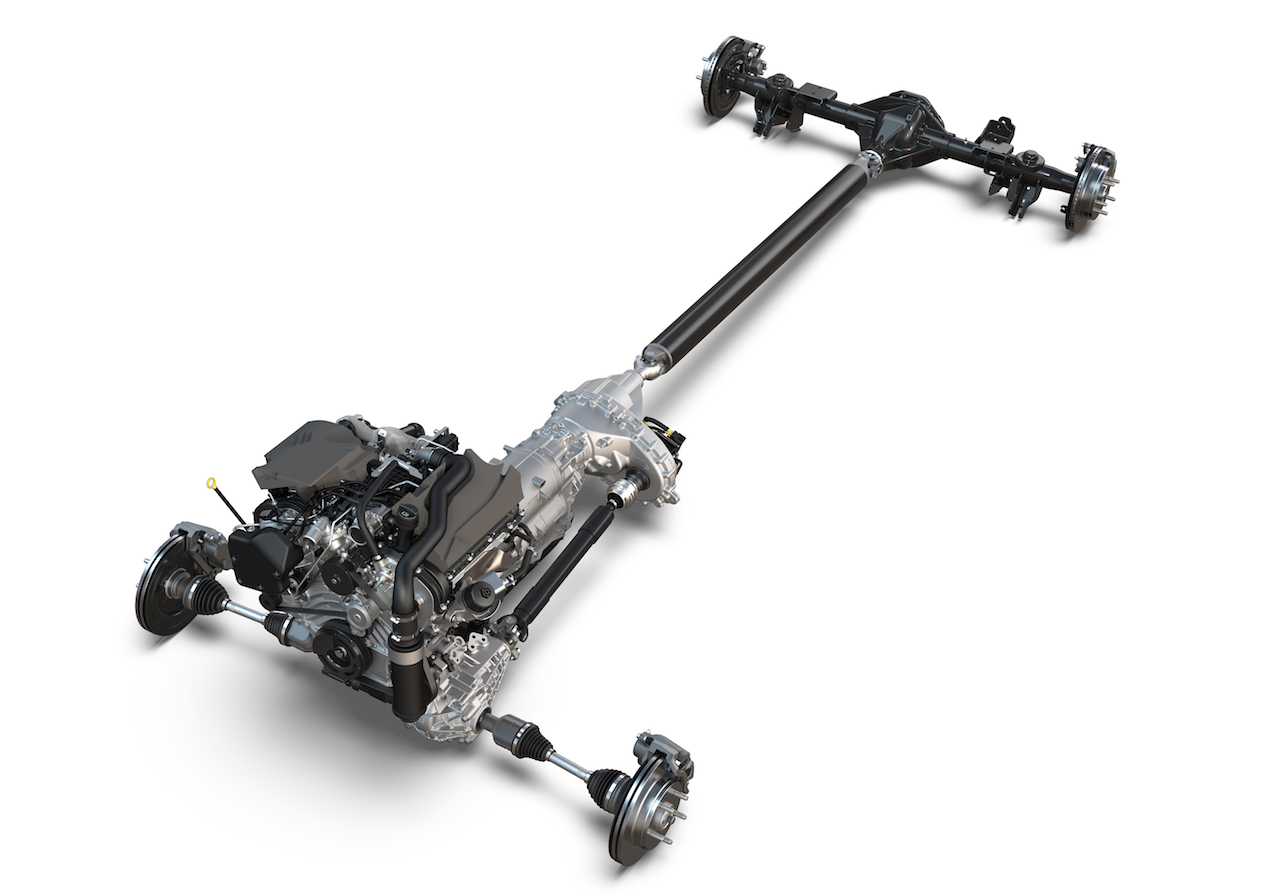
Understanding the 3.0L V6 Turbo Diesel Engine Output
The 3.0L EcoDiesel in the 2018 model is engineered for longevity and efficiency. Unlike the high-revving Hemi gas engines, this motor provides 420 lb-ft of torque at a very low 2,000 rpm. This characteristic is the primary driver of its towing capability, allowing for steady pulling power at lower highway speeds.
Towing and Payload Capacity Variables
While the maximum towing capacity approaches 9,000 lbs, this is highly dependent on your rear axle ratio. Trucks equipped with a 3.92 axle ratio generally offer higher towing ratings compared to those with the 3.55 ratio. Furthermore, your payload—the weight your truck can carry in the bed and cabin—must be verified using the yellow sticker inside your driver’s door, as factory options (like sunroofs or skid plates) subtract directly from this number.
2018 Ram 1500 EcoDiesel Powertrain and Transmission Performance
420
240
VM Motori Engine Dynamics
The VM Motori engine utilized in the 2018 DS platform is a specialized piece of engineering. Its efficiency gains come from a high-pressure common rail injection system. When compared to the 5.7L Hemi, the EcoDiesel sacrifices peak top-end speed for sustained mid-range grunt, making it significantly more efficient for long-haul towing duties.
8-Speed TorqueFlite Transmission Shift Logic
The 8-speed TorqueFlite transmission is programmed to keep the engine in its optimal torque band. During towing, the transmission logic prevents unnecessary “hunting” between gears by locking the torque converter earlier than gas-powered counterparts. It is vital to recognize that the 2018 model is the final iteration of this specific powertrain calibration before the transition to the 2019 DT platform, which introduced updated emissions tuning and hardware.
Maintaining the 2018 Ram 1500 EcoDiesel Emissions System
Recommended Best Deal Products


Always monitor your Diesel Exhaust Fluid levels. The SCR system relies on this fluid to neutralize NOx emissions; running dry will trigger a limp-mode countdown.
Use only API-certified, low-ash synthetic oil specifically meeting the manufacturer’s oil viscosity and grade requirements to avoid DPF saturation.
Selective Catalytic Reduction and DEF Usage
The SCR system is a critical component for emission compliance. It injects DEF into the exhaust stream. If you ignore the dash warnings regarding DEF levels, the computer will eventually limit the truck’s speed or prevent restarting.

Audible — Listen Free for 30 Days
One free credit a month and thousands of titles included.
Listen Free for 30 DaysDiesel Particulate Filter (DPF) Regeneration Explained
The DPF traps soot from the engine. Periodically, the truck must perform a “regeneration” cycle, which uses higher exhaust temperatures to burn off the trapped particulate matter. This requires sustained highway speeds. If your driving profile is limited to city stop-and-go, the filter will eventually clog, necessitating professional service.
Diagnostic Guide for 2018 Ram 1500 EcoDiesel Performance Issues
If you receive an “Exhaust Filter Full” message, do not ignore it. Immediately perform a 20-30 minute drive at sustained highway speeds (above 50 mph) to allow the system to complete a passive regeneration cycle.
- Short-Trip Driving: Frequent short trips prevent the exhaust system from reaching the necessary temperatures for passive DPF cleaning.
- Warning Lights: Any illuminated Check Engine Light (CEL) related to the emissions system should be read by an OBD-II scanner capable of reading proprietary Stellantis (FCA) diesel codes.
- Fluid Specifications: Using non-compliant oil (lacking the required low-ash properties) will accelerate the clogging of the DPF and can void powertrain warranties.
- Software Updates: Occasionally, Stellantis issues PCM (Powertrain Control Module) updates to optimize emissions performance. Consult your local dealer to ensure your software is current.
Quick Verification Checklist
The 2018 Ram 1500 EcoDiesel is a highly capable vehicle that rewards owners who follow strict maintenance intervals. By understanding the DS platform’s unique emissions requirements—specifically the need for low-ash synthetic oil and consistent highway-speed driving to clear the DPF—you can avoid premature system failure. Always verify your specific truck’s payload capacity using the door sticker and consult your owner’s manual before performing any fluid changes. Recognizing the distinction between the 2018 DS generation and the later DT series is the most effective way to ensure you are sourcing the correct parts and maintenance information for your vehicle.
2018 Ram 1500 Ecodiesel Specs: Frequently Asked Questions
Recommended Best Deal Products

What is the recommended interval for DEF top-offs?
The Diesel Exhaust Fluid (DEF) reservoir has a capacity of approximately 8 gallons. Under normal driving conditions, it typically requires a refill every 7,000 to 10,000 miles. However, this consumption rate increases significantly when towing heavy loads or driving in hot, mountainous terrain. It is recommended to monitor the dashboard message center, which will provide alerts well in advance of the engine performance restriction.
Does this engine require specialized oil?
Yes. The 3.0L EcoDiesel requires oil that meets the MS-10902 specification (typically 5W-40, though consult your specific owner’s manual for regional variations). Using non-compliant oil can cause premature failure of the DPF (Diesel Particulate Filter) or internal engine components. Always ensure the oil carries the correct API classification as dictated by the factory service manual for the 2018 model year.
How does the DPF regeneration process work?
The DPF captures soot from the exhaust. Once sensors detect a specific saturation level, the truck initiates ‘passive’ or ‘active’ regeneration. Passive occurs at highway speeds through natural heat. Active regeneration occurs when the engine increases exhaust temperature by injecting small amounts of fuel to burn off the trapped particulate matter. It is critical not to shut the engine off while the ‘Cleaning Exhaust Filter’ light is displayed.
Is the 2018 model part of the emissions settlement?
Yes, many 2018 Ram 1500 EcoDiesel models were included in the AEM (Approved Emission Modification) settlement. This modification involved a software update and, in some cases, hardware component replacements to address emissions compliance. Owners should verify with a Ram dealer using their VIN to confirm if the settlement-mandated AEM has been performed, as it impacts both engine performance and the extended emissions warranty coverage.
Can I increase my towing capacity by adding air bags?
While aftermarket air bags or helper springs can improve ride quality and trailer leveling, they do not increase the manufacturer’s official GVWR or GCWR. The truck’s technical specifications are set by the factory based on chassis, brake, and engine cooling capacity. Adding suspension aids helps stability, but the legal and mechanical load limit remains fixed to the door sticker rating.
Audible Premium Plus — Annual Membership
12 audiobook credits up front, plus the full Audible catalogue.
See Annual Plans


![RAM 1500 Tail Light Bulb Guide: Sizes & LED Upgrades [2026]](https://truckguider.com/wp-content/uploads/2026/03/ram-1500-tail-light-bulb-featured-768x403.webp)
![Fix P0138 Code Dodge Ram 1500: Causes & Fixes [2026]](https://truckguider.com/wp-content/uploads/2026/03/p0138-dodge-ram-1500-featured.webp)