2019 Ram 2500 Tradesman: Full Specs & Data [2026]

The 2019 Ram 2500 Tradesman stands as a powerhouse in the heavy-duty segment, featuring a standard 410-hp 6.4L HEMI V8 and a redesigned high-strength steel frame. When properly equipped with the 6.7L Cummins Turbo Diesel, it delivers a massive towing capacity of up to 19,780 lbs, making it the ultimate value-focused workhorse.
🎯 Key Takeaways
Recommended Best Deal Products


- Standard 6.4L HEMI V8 provides 410 hp and 429 lb-ft of torque.
- Optional 6.7L Cummins Diesel increases towing capacity to 19,780 lbs.
- Interior features durable work-grade vinyl seating and easy-clean flooring.
- The 2019 redesign introduced a significantly quieter cabin with active noise cancellation.
- Maximum payload reaches 4,050 lbs in the gas-powered regular cab configuration.
The 2019 Ram 2500 Tradesman is a purpose-built heavy-duty machine designed for high-output labor and maximum durability. This specific model year marked a significant redesign, introducing a stronger frame and more advanced powertrains than its predecessors. In its base Tradesman configuration, you get a truck that strips away expensive leather and chrome to focus entirely on raw performance metrics, offering a maximum towing capacity of up to 19,780 pounds when properly equipped. Whether you are hauling equipment to a job site or pulling a large horse trailer, the 2019 Tradesman provides the mechanical foundation required for heavy-duty tasks without the luxury price tag.

Prime for Young Adults — 6 Months Free
Students and 18–24s get six months of Prime free, then half price.
Start 6 Months Free
Understanding these specifications is vital because the 2019 redesign changed how these trucks handle weight and power delivery. Ram moved to a high-strength steel frame that is both lighter and stiffer, which directly impacts how much you can safely carry in the bed. Choosing between the standard gasoline engine and the optional diesel engine will determine your daily operating costs and your total hauling potential. This guide breaks down the essential technical data you need to evaluate if the 2019 Tradesman fits your specific workload requirements.
Engine Performance and Transmission Options
The 2019 Ram 2500 Tradesman offers two distinct powerplants, each catering to different types of heavy-duty usage. For the 2019 model year, Ram updated the gasoline engine’s transmission and refined the diesel’s output to ensure better efficiency under load. Your choice of engine dictates not just your fuel type, but also the truck’s weight distribution and long-term maintenance schedule.
The 6.4L HEMI V8: The Modern Gas Standard
The standard engine for the 2019 Tradesman is the 6.4-liter HEMI V8. This engine produces a class-leading 410 horsepower and 429 lb-ft of torque. One of the most significant upgrades for 2019 was the pairing of this engine with the 8HP75 eight-speed automatic transmission. This was a major departure from the older six-speed units, providing much smoother shifts and better gear spacing for uphill climbs.
- Horsepower: 410 hp @ 5,600 rpm
- Torque: 429 lb-ft @ 4,000 rpm
- Transmission: 8-speed automatic with on-the-fly shift mapping
- Fuel Management: Includes Cylinder Deactivation (MDS) to save fuel during highway cruising
This gas setup is ideal if you do a lot of stop-and-go driving or if your typical trailer weight stays under 15,000 pounds. It is lighter than the diesel, which actually allows for a higher maximum payload capacity in the truck bed.
The 6.7L Cummins Turbo Diesel: Torque King
For maximum pulling power, the 2019 Tradesman can be equipped with the 6.7-liter Cummins Turbo Diesel I6 engine. This engine was redesigned for 2019 with a new block and cylinder head, shedding 60 pounds while increasing strength. It produces 370 horsepower and a massive 850 lb-ft of torque. Unlike the gas engine, the Cummins is paired with the 68RFE six-speed automatic transmission, which is optimized for high-torque low-end grunt.
If you plan on towing heavy loads across long distances or over mountain passes, the Cummins is the superior choice. The exhaust braking system included with the diesel engine provides significantly better control on steep descents, reducing wear on your traditional braking system.
The Ultimate 2019 Ram 2500 Tradesman Maintenance Walkthrough
Recommended Best Deal Products


The 2019 Ram 2500 Tradesman is a legendary workhorse, designed to handle heavy payloads and demanding towing tasks. However, the longevity and reliability of this heavy-duty pickup depend entirely on a rigorous maintenance schedule. Whether you are operating the 6.4L HEMI V8 or the 6.7L Cummins Turbo Diesel, keeping your truck in peak condition requires more than just occasional oil changes. This guide provides a detailed, professional-grade walkthrough of the essential maintenance procedures required to keep your Tradesman on the road, ensuring safety, performance, and maximum resale value over the long haul.
Step 1: Perform a Comprehensive Oil and Filter Change
What you need: 13mm socket and ratchet, oil filter wrench, funnel, drain pan (15-quart capacity), and the correct oil. For the 6.4L HEMI, you need 7 quarts of 0W-40 Synthetic. For the 6.7L Cummins, you need 12 quarts of 5W-40 or 15W-40 (CJ-4 or CK-4 rated).
Instructions: Begin by idling the engine for five minutes to warm the oil, which helps it flow more freely. Position your drain pan under the oil pan and remove the 13mm drain plug. While the oil drains, locate the oil filter. On the HEMI, it is near the front of the engine; on the Cummins, it is accessed through the passenger-side wheel well. Use your filter wrench to remove the old filter, ensuring the rubber gasket comes off with it. Lubricate the new filter’s gasket with fresh oil and hand-tighten it. Once the oil has finished dripping, reinstall the drain plug to 25 lb-ft of torque. Refill the engine with the specified volume of oil through the fill cap on top of the engine, then start the truck to check for leaks.

Audible — Listen Free for 30 Days
One free credit a month and thousands of titles included.
Listen Free for 30 DaysPro Tip: When changing the filter on the Cummins diesel, use a plastic bag to wrap the filter as you unscrew it. This prevents the “oil bath” common with the vertical filter placement in the wheel well.
Step 2: Replace the Dual Fuel Filter System (Diesel Models)
What you need: 1-1/8 inch (28mm) socket, a long extension, a drain bucket, and a Mopar fuel filter kit (includes the engine-mounted filter and the rear chassis-mounted water separator).
Instructions: The 2019 Ram Cummins uses a two-stage filtration system. First, locate the rear filter near the fuel tank. Open the yellow drain valve to empty the water and fuel into a container. Use your socket to unscrew the housing, swap the element and O-ring, and reinstall. Second, move to the engine bay for the front filter. Unscrew the cap located near the intake manifold. Carefully lift the old filter out to avoid dripping diesel on the belts. Clean the canister, install the new filter, and tighten the cap to the torque spec marked on the lid (usually 22.5 lb-ft). Finally, prime the system by turning the ignition to “Run” for 30 seconds without starting the engine; repeat this three times to purge air from the lines.
Pro Tip: Never “dry start” the engine after a fuel filter change. The high-pressure fuel pump (CP4 or updated pump) relies on diesel for lubrication; air pockets can cause internal damage.
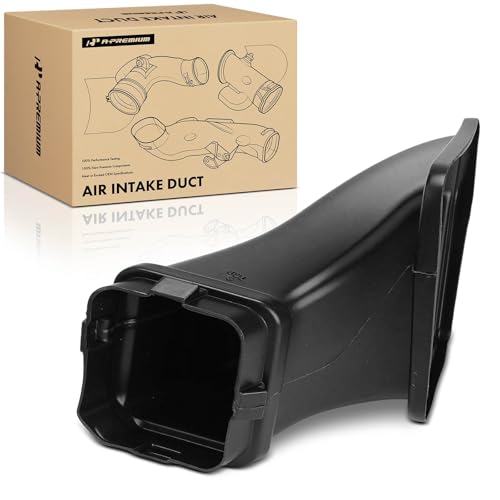
Step 3: Service the Engine Air Filter and Intake System
What you need: Flat-head screwdriver or 8mm nut driver, a new OEM-quality air filter, and a shop vacuum.
Instructions: Locate the air box on the passenger side of the engine compartment. On the 2019 model, you will typically find several metal clips or screws securing the lid. Unfasten these and lift the cover. Remove the old air filter and inspect it for heavy dust, debris, or oil saturation. Before installing the new filter, use a shop vacuum to remove any leaves, sand, or insects from the bottom of the air box; this prevents debris from being sucked into the new filter immediately. Ensure the new filter’s rubber seal sits perfectly flush in the housing grooves. Reattach the lid and secure the clips. If your truck is equipped with the “Ram Active Air” system, check the intake flap for smooth operation.
Pro Tip: If you frequently drive on gravel or dirt job sites, check your air filter every 5,000 miles rather than the standard 15,000-mile interval to maintain fuel economy and turbo health.
Step 4: Inspect and Lubricate the Chassis and Suspension
What you need: Grease gun with high-quality lithium-based grease, clean rag, and a flashlight.
Audible Premium Plus — Annual Membership
12 audiobook credits up front, plus the full Audible catalogue.
See Annual PlansInstructions: Unlike many modern half-ton trucks, the Ram 2500 4×4 often features greaseable joints on the front linkage. Crawl under the front end and locate the Zerk fittings on the drag link and tie-rod ends. Wipe the fittings clean with a rag to prevent forcing dirt into the joint. Attach your grease gun and pump until you see the rubber boot just start to swell; do not overfill until the boot bursts. While you are under there, inspect the solid axles for gear oil leaks and check the condition of the track bar bushings and steering damper. Look for any signs of “death wobble” precursors, such as loose bolts or worn-out rubber components in the 3-link front suspension.
Pro Tip: The 2019 Ram 2500 has a specific grease point on the front drive shaft (at the Double Cardan joint) that is often missed by quick-lube shops. You may need a needle-nose grease adapter to reach it.
Step 5: Inspect the Braking System and Fluid Condition
What you need: Floor jack, jack stands, lug wrench (15/16-inch or 24mm), and a brake fluid tester or moisture strips.
Instructions: Loosen the lug nuts on the heavy 8-lug wheels while the truck is on the ground, then jack up the vehicle and secure it on heavy-duty jack stands. Remove the wheels to inspect the brake pads and rotors. The Tradesman is often used for towing, which puts immense heat on the rotors; look for blueing or heat-cracks. Ensure the pads have at least 4mm of material remaining. Check the brake lines for any signs of cracking or bulging. In the engine bay, check the brake fluid reservoir. Brake fluid is hygroscopic (absorbs water), which can lead to internal corrosion and a spongy pedal. If the moisture content is above 3%, perform a full system flush with DOT 4 fluid.
Pro Tip: When reinstalling the wheels, always use a torque wrench to tighten the lug nuts to 140 lb-ft in a star pattern. Improperly torqued wheels can lead to warped rotors or, in extreme cases, wheel separation under load.
Step 6: Service the Front and Rear Differentials
What you need: 13mm socket, 3/8-inch drive ratchet, drain pan, and GL-5 rated gear lubricant (usually 75W-85 or 75W-90 Synthetic). For the rear, you’ll need approximately 4 quarts; the front takes about 2.5 quarts.
Instructions: Driving a 2500 often involves heavy hauling, which shears differential fluid quickly. On the 2019 model, the differential covers have a drain plug at the bottom and a fill plug on the side. Remove the fill plug first to ensure you can refill the unit. Then, remove the drain plug and let the old fluid flow out. Inspect the magnetic drain plug for excessive metal shavings; fine “dust” is normal, but chunks indicate gear failure. Clean the plug and reinstall it. Use a fluid pump to fill the differential until the fluid is level with the bottom of the fill hole. Reinstall the fill plug and wipe the housing clean to make future leak detection easier.
Pro Tip: If your Tradesman is equipped with a Limited Slip Differential (LSD), ensure your gear oil contains a friction modifier, or add it separately to prevent “chatter” during tight turns.
✅ Final Checklist
- Verify that the oil level is exactly at the “Full” mark on the dipstick after a 5-minute engine rest.
- Confirm that all fuel filter housings are dry and show no signs of diesel weeping while the engine is idling.
- Check that the “Oil Life” and “Fuel Filter Life” monitors in the instrument cluster have been reset via the steering wheel controls.
- Ensure all lug nuts are torqued to 140 lb-ft and tire pressures are set to the door placard (typically 65 PSI front/80 PSI rear for towing).
- Test the cooling system’s OAT (Organic Additive Technology) coolant level in the overflow reservoir when the engine is cold.
Important Notes:
- Safety Warning: Always work on a level surface and use jack stands rated for at least 3 tons per stand. Never trust a hydraulic jack alone when working under a 7,000+ lb truck.
- When to Seek Help: If you notice “Death Wobble” (violent steering shaking) or if the Cummins “Exhaust Service Required” light appears on the dash, see a professional technician immediately.
- Estimated Time and Cost: A full DIY service (oil, fuel filters, air filters) takes 2-3 hours. Cost for parts and fluids ranges from $150 (HEMI) to $350 (Cummins). Professional dealer service for these items can exceed $700.
Towing Capacity and Payload Specifications
The 2019 Ram 2500 Tradesman is built on a chassis designed to manage extreme vertical and horizontal loads. However, the exact amount you can tow or carry depends heavily on your cab configuration (Regular, Crew, or Mega Cab) and whether you choose the 4×2 or 4×4 drivetrain. Generally, 4×2 regular cab models offer the highest theoretical capacities because the truck itself weighs less.
Maximum Towing Ratings
When looking at the 2019 Tradesman, towing is the headline feature. With the 6.7L Cummins Diesel, the 2500 series reaches a maximum towing capacity of 19,780 pounds. If you opt for the 6.4L HEMI V8, your maximum towing capacity is still a very respectable 17,580 pounds. These figures assume the use of a gooseneck or fifth-wheel hitch. For standard conventional hitch towing, the numbers are slightly lower but remain highly competitive for the three-quarter-ton segment.
- Diesel Max Towing: 19,780 lbs (with 4.10 axle ratio)
- Gas Max Towing: 17,580 lbs (with 4.10 axle ratio)
- Standard Hitch Capacity: Up to 15,000 lbs depending on configuration
- Available Features: Factory-installed 5th-wheel/Gooseneck prep package
Payload and Bed Capacity
Payload is where the 6.4L HEMI V8 actually outshines the diesel. Because the diesel engine weighs significantly more, it “borrows” from the truck’s total Gross Vehicle Weight Rating (GVWR). In a Regular Cab 4×2 configuration with the HEMI engine, the 2019 Tradesman offers a maximum payload of 4,010 pounds. The diesel version typically maxes out closer to 3,260 pounds of payload.
You can choose between a 6-foot-4-inch bed or an 8-foot bed. The 8-foot bed is standard on Regular Cab models and available on Crew Cabs. This bed is wide enough to fit standard 4×8 sheets of plywood flat between the wheel wells, making it a true contractor-grade tool. For 2019, Ram also improved the bed lighting and added an optional 115-volt power outlet in the bed, which is a massive help for charging power tools on site.
Interior Utility and Standard Tradesman Features
Recommended Best Deal Products


The 2019 Ram 2500 Tradesman is designed with a “function over fashion” philosophy. While it lacks the leather and wood trim of higher-end models, it excels in durability. For those who spend their days in work boots and dusty clothes, the cabin is a breath of fresh air because it is genuinely easy to maintain. It is a workspace first and a vehicle second.
Built for the Daily Grind
Standard features include heavy-duty vinyl upholstery and molded door panels that can withstand significant wear and tear. One of the best updates for the 2019 model year was the improved noise insulation, which makes the Tradesman feel much more refined on the highway than its predecessors. Even with the base trim, you get a cabin that feels solid and quiet.
- Uconnect 3: The standard 5-inch display is basic but reliable, providing essential Bluetooth connectivity and integrated voice commands for hands-free operation.
- Work-Ready Flooring: The black vinyl floor covering means you can skip the expensive carpets and simply wipe out the mud or spills at the end of the day.
- Versatile Seating: The 40/20/40 split-bench front seat allows for three passengers, or the center console can be folded down to provide armrest comfort and additional storage.
- Multiple USB Ports: Ram included plenty of charging points to keep your tablets, phones, and tools powered up while traveling between job sites.
Practical Tip: If you plan on selling the truck later, consider adding a set of high-quality all-weather rubber floor mats over the vinyl. While the vinyl is tough, keeping the original surface pristine can be a huge selling point for picky second-hand buyers.
Storage and Practicality
Storage in the 2019 Tradesman is surprisingly abundant. Even without the fancy “RamBox” cargo management system found on higher trims, you still have plenty of room for gear. For example, the Mega Cab and Crew Cab configurations offer under-seat storage bins that are perfect for hiding expensive power tools or securing tow straps and jumper cables away from prying eyes.
Market Value and Long-Term Reliability Considerations
Buying a 2019 Ram 2500 Tradesman today is often seen as a smart financial move. Because 2019 marked the beginning of a new generation for the Ram HD lineup, these trucks feel significantly more modern than 2018 models while being more affordable than brand-new units on the lot. They represent the “sweet spot” of the used heavy-duty market.
Resale Strength and Fleet Demand
The Tradesman trim holds its value remarkably well because it is the “gold standard” for fleet buyers and independent contractors. There is always a high demand for a clean, well-maintained heavy-duty truck with a Cummins or a 6.4L Hemi. Unlike luxury trims, the Tradesman doesn’t have expensive electronic features that tend to break or become obsolete over time, making it a lower-risk investment for the second or third owner.
Long-Term Durability Factors
Reliability is the cornerstone of the Ram 2500. Whether you choose the gas or diesel powertrain, the 2019 model year benefited from a stronger frame made of 98.5% high-strength steel. This reduces vibration and increases the overall lifespan of the chassis under heavy loads.
- Check Engine Hours: When buying used, always look at the idle hours versus driving hours on the digital cluster. High idle time can mean more internal wear than the mileage suggests.
- Transmission Service: Ensure the 6-speed (diesel) or 8-speed (gas) transmission has been serviced according to the manual, especially if the truck was used for heavy gooseneck towing.
- Recall Awareness: Verify that all 2019-specific recalls, such as those related to the steering linkage or the high-pressure fuel pump on diesel models, have been addressed by a certified dealer.
Example: A contractor who buys a used 2019 Tradesman with 60,000 miles can often run the truck for another five years and still see a high percentage of their investment returned because the demand for “simple” work trucks never fades.
Conclusion
The 2019 Ram 2500 Tradesman remains one of the most capable and honest trucks on the market. It provides a perfect balance of raw towing power, a modernized chassis, and a no-nonsense interior that isn’t afraid to get dirty. Whether you are looking for a reliable partner for your business or a dedicated rig for your weekend trailer, the Tradesman delivers exactly what it promises without the unnecessary fluff.
Ready to make a move? Your next steps should be to obtain a full vehicle history report and inspect the suspension components for signs of heavy off-road use. If the truck passes those checks, you are looking at a workhorse that will serve you well for years to come. Check your local listings today to find a Tradesman that fits your budget and start hauling with confidence!
💬 Quick Questions & Answers
What is the standard engine for the 2019 Ram 2500 Tradesman?
The standard engine is the 6.4L HEMI V8, which produces 410 horsepower and 429 lb-ft of torque.
How much can the 2019 Ram 2500 Tradesman tow?
It can tow up to 17,580 lbs with the gas engine or up to 19,780 lbs with the Cummins diesel.
Does the Tradesman trim include a touchscreen?
Yes, it comes standard with a 5-inch Uconnect touchscreen display and a rearview camera.
Is the 2019 Ram 2500 Tradesman available in 4WD?
Yes, while RWD is standard, a manual or electronic-shift 4WD system is a common option.
What is the maximum payload capacity?
The maximum payload is 4,050 lbs, typically achieved in the regular cab, long bed gas configuration.
❓ Frequently Asked Questions
What are the main differences between the gas and diesel engines in the 2019 Tradesman?
The 6.4L HEMI V8 is better for higher payload and lower upfront costs, while the 6.7L Cummins Diesel is built for heavy-duty towing with 850 lb-ft of torque. The diesel also features an integrated exhaust brake for better control when hauling heavy loads down grades.
What cab and bed configurations are available for the Tradesman trim?
The Tradesman is available in Regular Cab with an 8-foot bed, Crew Cab with a 6-foot-4-inch bed, and Crew Cab with an 8-foot bed. This variety allows users to prioritize either passenger space or maximum cargo capacity based on their needs.
How does the 2019 redesign improve ride quality for the Tradesman?
The 2019 model features a frame made of 98.5% high-strength steel and new frequency response damping shocks. These upgrades, combined with the standard rear coil-spring suspension, provide a much smoother and quieter ride than previous generations.
What standard interior features are designed specifically for work use?
The Tradesman interior is built for durability, featuring heavy-duty vinyl upholstery and easy-to-clean vinyl flooring. It also includes push-button start, multiple USB ports, and available work-grade storage solutions like the RamBox Cargo Management System.
Are there any known reliability issues for the 2019 model year?
While the engines are highly reliable, owners should check for recalls regarding the high-pressure fuel pump on diesel models and steering linkage components. Regular maintenance of the 8-speed (gas) or 6-speed (diesel) transmissions is also critical for longevity.
How does the 2019 Ram 2500 Tradesman compare to the Ford F-250 XL?
The Ram 2500 Tradesman typically offers a more refined ride due to its rear coil-spring suspension compared to Ford’s leaf springs. However, the Ford F-250 may offer slightly higher peak payload ratings depending on the specific configuration chosen.
![Dodge Ram Rear Window Replacement Cost [2026]](https://truckguider.com/wp-content/uploads/2026/03/featured-173365c3-768x768.webp)