2022 Ram 1500 Tail Light Bulb Size & LED ID Guide

The 2022 Ram 1500 utilizes two distinct tail light designs: replaceable halogen bulbs for lower trims and sealed LED assemblies for higher trims. Most halogen-equipped trucks require a 3157 or 7443 bulb for brake lights and a 921 bulb for reverse lights.
🎯 Key Takeaways
- Identify if your housing is Halogen or LED before purchasing parts.
- Halogen brake/turn signals usually use 3157 or 7443 dual-filament bulbs.
- The standard reverse light bulb size for halogen housings is 921.
- LED tail light assemblies are non-serviceable and must be replaced entirely.
- CAN bus-compatible bulbs are required when upgrading halogen to LED bulbs.
The 2022 Ram 1500 uses two distinct tail light configurations: a traditional 3157 halogen bulb system or a fully integrated, non-serviceable LED assembly. If your truck has halogen housings, a simple five-minute bulb swap is all you need to fix a burnout. However, if you have the premium LED version, the unit is sealed, meaning individual “bulbs” cannot be replaced; you must replace the entire housing if a lighting element fails. Knowing which setup you have before you start pulling screws is essential to avoid buying parts that physically won’t fit your truck’s harness.


Correct identification matters because the wiring connectors and mounting depths are not interchangeable between the two styles. A standard 3157 bulb costs less than ten dollars, while a replacement LED housing can cost hundreds. By identifying your housing type now, you can determine if you are looking for a quick maintenance fix or a larger component replacement. This guide focuses specifically on the 5th Generation Ram (New Body Style) configurations to ensure you get the right brightness and fitment for your specific trim level.
Identifying Halogen vs. LED Tail Light Housings
Before ordering parts, you must perform a visual inspection of your tail light lens. The 2022 Ram 1500 does not have a “one-size-fits-all” light across its trim levels. Because many trucks are custom-ordered with various lighting packages, you cannot always rely on the trim badge on your tailgate to know which lights you have.
The Visual Inspection Test
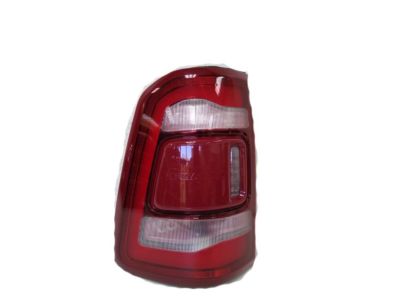
The easiest way to tell the difference is to look at the light while it is turned off. If you can see a clear glass bulb sitting behind a reflective chrome “bowl” or pocket, you have a halogen housing. These housings use incandescent heat-based bulbs. On the other hand, LED housings feature a distinctive “C-shape” light pipe around the perimeter. In these units, you will not see any visible bulbs. Instead, you will see a series of small diodes or a frosted plastic diffuser that glows evenly when the truck is started. If your tail light looks like a solid block of modern optics with no visible filaments, it is a sealed LED unit.
Checking by Trim Level and Options
While packages vary, the 2022 Ram 1500 generally follows these hardware standards:
- Tradesman, Big Horn, and Lone Star: These trims typically come standard with halogen housings. They use the replaceable 3157 and 7440 bulb sizes.
- Laramie, Rebel, Limited, and Longhorn: These trims usually feature the premium LED tail lamps as standard equipment. These are sealed units with no user-replaceable bulbs.
- Blind Spot Monitoring (BSM): If your truck is equipped with Blind Spot Monitoring (look for a small triangle icon on your side mirrors), you almost certainly have the LED tail light assemblies, as the radar sensors are often housed within the tail light structure.
2022 Ram 1500 Tail Light Replacement Made Easy: Your Essential Action Plan
The 2022 Ram 1500 is a pinnacle of modern truck engineering, but even the most advanced pickups are subject to simple maintenance needs like a burnt-out tail light bulb. Whether it is your brake light, turn signal, or reverse lamp, maintaining visibility is critical for your safety on the road and to ensure you remain compliant with local traffic laws. This guide is designed to walk you through the process of replacing a halogen bulb in the 5th Generation Ram 1500. Please note that if your truck is equipped with the premium LED lighting package, the bulbs are typically integrated into the housing and may require a different service approach. For the standard halogen setups found on the Tradesman, Big Horn, and Lone Star trims, this walkthrough provides everything you need to know to get the job done in under 20 minutes.
Step 1: Gather Your Tools and Identify Your Bulb Type
What you need: A T25 Torx bit driver or a 10mm socket wrench (depending on your specific factory build), a pair of nitrile gloves, a clean microfiber cloth, and the correct replacement bulb (typically a 3157 or 7444NA for non-LED models).
Instructions: Before you even touch the truck, you must ensure you have the correct replacement parts. The 2022 Ram 1500 uses specific dual-filament bulbs for the stop/turn functions. Check your owner’s manual or the markings on the old bulb once removed to confirm the exact trade number. It is highly recommended to wear nitrile gloves during this process. The oils from your skin can create “hot spots” on the glass of the new bulb, significantly shortening its lifespan. Prepare your workspace by ensuring you have enough light and a small magnetic tray or container to hold the mounting screws so they don’t roll away into the bumper assembly or under the truck.
Pro Tip: Always buy bulbs in pairs. If the driver’s side bulb has burnt out, the passenger side bulb likely has a similar number of hours on it and is prone to failing soon. Replacing both at once saves you a second trip to the tool chest.
Step 2: Prepare the Vehicle and Access the Tailgate
What you need: Your vehicle key fob and a clear workspace behind the truck.
Instructions: Safety is paramount when performing any electrical work on a vehicle. Ensure the truck is parked on a flat, level surface and that the electronic parking brake is engaged. Turn off the ignition and remove the key fob from the immediate vicinity of the truck to prevent the “auto-on” lighting features from activating while you are handling the wiring. Lower the tailgate fully. If you have a dampening system, let it drop naturally. If you have a multi-function tailgate, ensure it is opened in the traditional fold-down manner to provide the most clearance. You will now see the two mounting screws located on the inner lip of the tail light assembly, facing the truck bed.
Pro Tip: If your truck has a bed liner (especially a spray-in liner), the mounting screws may be slightly recessed or partially covered by over-spray. Clear any debris from the screw heads before attempting to turn them to avoid stripping the Torx or hex pattern.
Step 3: Remove the Tail Light Mounting Screws
What you need: T25 Torx bit driver or 10mm socket wrench.
Instructions: Locate the two screws on the inner edge of the tail light housing that were hidden when the tailgate was closed. Using your T25 Torx driver or 10mm socket, turn the screws counter-clockwise to loosen them. These screws are typically about an inch and a half long and feature a wide integrated washer to distribute pressure against the plastic housing. As you unscrew them, keep one hand on the tail light assembly to ensure it doesn’t shift unexpectedly. Once the screws are completely removed, place them in your magnetic tray. Do not attempt to pry the light out yet; the screws are only the first of two retention methods holding the unit to the truck body.
Pro Tip: If the screws feel stuck due to road salt or corrosion, apply a small amount of penetrating oil and wait five minutes. Forcing a plastic-mounted screw can crack the expensive housing, turning a $5 bulb change into a $300 repair.


Step 4: Extract the Tail Light Housing Unit
What you need: A firm grip and a clean microfiber cloth.
Instructions: This is the step where most DIYers get nervous. The tail light is held in place by two plastic alignment pins on the outer edge (the side nearest the fender). You must pull the housing unit straight back toward the rear of the truck. Do not pull outward or wiggle the light side-to-side, as this can snap the plastic alignment tabs. Use your microfiber cloth to get a better grip on the smooth plastic if necessary. Apply steady, firm pressure pulling directly toward your body. You will likely hear a “pop” or “click” as the metal tension clips release the plastic pins. Once released, the housing will be free, supported only by the wiring harness. Do not let the housing hang by the wires.
Pro Tip: If the unit is stubborn, you can wrap a plastic trim removal tool in a cloth and gently slide it between the body panel and the light housing to provide a small amount of leverage, but the “straight-back” pull method is always the safest approach.
Step 5: Remove the Bulb Socket from the Housing
What you need: Manual dexterity and a clean workspace.
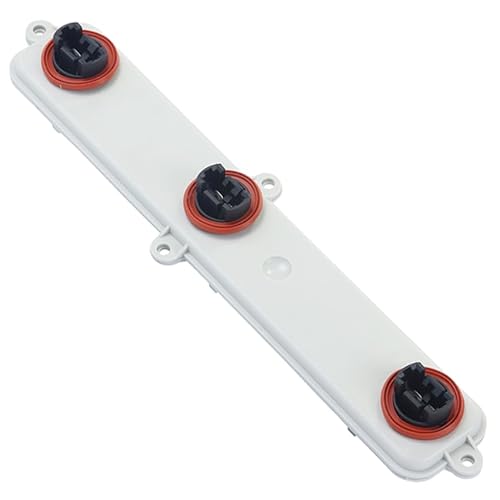
Instructions: With the housing unit pulled away from the truck body, identify the bulb socket that needs replacement. Usually, there are three sockets: the top is the brake/turn signal, the middle is often a dummy or secondary marker, and the bottom is the reverse light. To remove the socket, grasp the plastic base and rotate it approximately 90 degrees counter-clockwise. You will feel a notch align, allowing the socket to be pulled out of the reflective housing. Be careful not to tug on the wires themselves; always pull from the plastic connector. Once the socket is out, you will see the bulb seated in the connector. Inspect the socket for any signs of melting, discoloration, or corrosion.
Pro Tip: If you see a green or white powdery substance inside the socket, this is corrosion caused by moisture. Use a small amount of electrical contact cleaner and a soft brush to clean it before installing the new bulb.
Step 6: Swap the Bulbs and Apply Dielectric Grease
What you need: New replacement bulb, nitrile gloves, and dielectric grease (optional but recommended).
Instructions: Pull the old bulb straight out of the socket. It is a “push-in” style wedge base, so there is no twisting required for the bulb itself. Take your new bulb (wearing your gloves!) and inspect the filaments to ensure they are intact. Before inserting it, apply a tiny pea-sized amount of dielectric grease to the metal contacts at the base of the bulb. This grease prevents moisture from reaching the electrical connection, which is vital for trucks that frequent off-road trails or snowy environments. Push the new bulb firmly into the socket until you feel it seat or click. If you are using an LED upgrade bulb, keep in mind that they are polarity-sensitive; if it doesn’t light up later, you may need to flip it 180 degrees.
Pro Tip: While the housing is out, wipe down the area of the truck body behind the light. Dirt and salt accumulate here and can lead to premature rust on the bedside if left unattended for years.
Step 7: Test the Lights Before Final Reassembly
What you need: An assistant or a reflective surface (like a garage door).
Instructions: Before you snap everything back together, you must verify that the connection is secure and the bulb is functional. Set the tail light housing carefully on the bumper or have an assistant hold it so it doesn’t fall. Go to the cab and turn on the parking lights, then the hazards. Check to see if the new bulb is illuminating. If you replaced a brake light, have your assistant step on the brake pedal while you observe. If the light does not work, remove the bulb, check the contacts, flip it if it’s an LED, and ensure the socket is fully seated. Testing now saves you from having to take the entire assembly apart again if the bulb was a “dud” or wasn’t seated correctly.
Pro Tip: If the turn signal flashes much faster than usual (hyper-flashing), it means the truck’s computer doesn’t detect the correct resistance. This usually happens if you used an LED bulb without a built-in resistor.
Step 8: Reinstall the Housing and Secure Screws
What you need: T25 Torx driver or 10mm socket wrench.
Instructions: Insert the bulb socket back into the tail light housing and rotate it clockwise until it locks into place. Align the two plastic pins on the outer edge of the housing with the rubber-grommeted holes on the truck’s body. Push the housing straight forward until it clicks into place and sits flush against the body panels. Once aligned, re-insert the two T25/10mm screws into the inner edge. Tighten them by hand first to avoid cross-threading, then snug them down with your tool. Do not over-tighten; the housing is plastic and can crack under excessive torque. Close the tailgate and give the light one final visual check to ensure the gaps are even and the light is secure.
Pro Tip: If the tail light feels “loose” even after tightening the screws, check if the rubber grommets on the truck body have fallen out or pushed through. They are essential for a vibration-free fit.



✅ Final Checklist
- Verified bulb type matches the 2022 Ram 1500 specifications (3157 or equivalent).
- Wore gloves to prevent skin oils from contacting the new bulb glass.
- Confirmed the plastic alignment pins “clicked” into the body grommets during reinstallation.
- Tested parking lights, brake lights, and turn signals for proper operation.
- Ensured mounting screws are snug but not over-torqued to avoid cracking the plastic.
Important Notes:
- Safety Warning: Never work on the lighting system while the vehicle is running or the lights are switched to “On” to avoid electrical shorts.
- When to Seek Help: If you see melted wiring or if a new bulb fails to light up after multiple attempts, you may have a ground wire issue or a fault in the Body Control Module (BCM) which requires professional diagnostic tools.
- Estimated Time: 15-20 minutes.
- Estimated Cost: $5 – $15 for a pair of standard halogen bulbs.
2022 Ram 1500 Bulb Size and Specification Chart
If you have confirmed that your truck uses halogen housings, you have three primary bulbs to monitor. The 2022 Ram 1500 uses a dual-filament system for the main rear lighting, which simplifies the replacement process but requires the correct “K” or “LL” (Long Life) designations for durability.
Halogen Trim Bulb Fitment Guide
For the 2022 model year, the following bulb sizes are used in the standard halogen tail light assemblies:
- Brake / Tail / Rear Turn Signal: 3157. This is a dual-function bulb. One filament handles the dim “parking” light, while the second, brighter filament handles both braking and turn signals.
- Reverse / Backup Light: 7440 (also known as W21W). This is a high-output single-filament bulb designed for maximum visibility when backing up.
- Rear Side Marker: Included in the 3157 function or integrated into the housing reflector.
Key Technical Specifications
When shopping for these bulbs, pay attention to the base type. The 3157 bulb uses a wedge-style base with two wires on each side. Using a 3156 bulb (single filament) in this socket will result in your tail lights not working when your headlights are on. For the reverse lights, the 7440 is a standard T20 wedge base. If you are considering switching these specific bulbs to LED replacements, you must ensure they are “CAN Bus Ready” or include built-in resistors. Without them, the truck’s computer will detect a lower power draw and trigger a “Lamp Out” warning on your dashboard or cause “hyper-flashing” where the turn signal blinks rapidly.
Understanding CAN Bus Errors and LED Compatibility
The 2022 Ram 1500 is a highly advanced machine, but its intelligence can sometimes make simple upgrades a bit tricky. The truck utilizes a CAN Bus (Controller Area Network) system to monitor the electrical health of the vehicle. This system sends out small pulses of electricity to check if your tail lights are functioning correctly. While this is great for safety, it often creates hurdles when switching from traditional halogen bulbs to high-efficiency LEDs.
The Hyperflash Headache and Bulb-Out Warnings
Because LED bulbs draw significantly less power than the factory-installed halogen bulbs, your Ram’s computer might mistakenly think the bulb has burnt out. This leads to two common issues: an annoying “Bulb Out” warning on your dashboard and “hyperflashing,” where your turn signal blinks at double speed. For 2022 models, this is especially common in the rear signal and brake light circuits. To avoid this, you should specifically look for “CAN Bus Ready” or “Error-Free” LED bulbs that have built-in resistors to simulate the power draw of a standard bulb.
Choosing the Right Decoder for Your Ram
If you have already purchased LEDs that are flickering or causing errors, you don’t necessarily need to return them. Many Ram owners successfully use external plug-and-play load resistors. These small devices sit between the truck’s wiring harness and the new bulb, smoothing out the electrical signal. Here are a few tips for selecting the right LED components:
- Quality over price: Cheap LEDs often lack the sophisticated circuitry needed to communicate with the 2022 Ram’s computer.
- Heat dissipation: Resistors get hot, so ensure any external decoders are mounted to a metal surface away from plastic housing.
- Internal vs. External: For a cleaner look, prioritize “all-in-one” LED bulbs that house the resistor inside the bulb base.
Maintenance Considerations for RAM 1500 Lighting Systems
Proper maintenance of your 2022 Ram 1500 tail lights goes beyond just swapping out a dead bulb. The tail light assemblies on these trucks are large and exposed to significant vibration, especially if you use your truck for towing or off-roading. Ensuring the entire system is sealed and secure will prevent expensive repairs down the road, as modern RAM lighting housings can be costly to replace.
Environmental Impact on Housing Integrity
One of the most common issues for the 2022 model year is moisture intrusion. If you notice condensation inside your tail light lens, it is a sign that the gasket or seal has been compromised. Moisture is the enemy of both halogen sockets and LED chips. Over time, water can cause the metal contacts in the socket to corrode, leading to intermittent power loss or a complete short circuit. When you have the housing open to check a bulb, always inspect the rubber O-ring on the bulb socket for cracks or dry rot.
Proactive Replacement Strategies
When it comes to automotive lighting, symmetry is your friend. If your driver-side brake light fails, it is a strong indicator that the passenger-side bulb is near the end of its life cycle as well. Replacing bulbs in pairs ensures consistent brightness and color temperature across the back of your truck. Here are some quick maintenance tips to keep your Ram visible:
- Use Dielectric Grease: Applying a small amount of dielectric grease to the bulb base prevents moisture from corroding the connection.
- Check for Cracks: Road debris can cause hairline fractures in the plastic housing; seal these early with clear silicone to prevent water damage.
- Clean the Connectors: If you find “junk” or dust in the harness, use a can of compressed air to clear it out before installing a new bulb.
Conclusion
Upgrading or maintaining the tail lights on your 2022 Ram 1500 doesn’t have to be a guessing game. By understanding the specific bulb sizes required and the technical needs of the CAN Bus system, you can ensure your truck remains both stylish and safe on the road. Whether you are sticking with reliable halogens or making the jump to modern LEDs, quality and compatibility should always be your top priorities.
Your next steps are simple: verify your trim level’s specific bulb requirements, choose a reputable “error-free” bulb if you are upgrading to LED, and always perform a quick light check before your next night drive. Don’t wait for a “bulb out” warning to appear—take a few minutes this weekend to inspect your housings and keep your Ram shining bright!
💬 Quick Questions & Answers
What is the brake light bulb size for a 2022 Ram 1500?
For halogen models, it is typically a 3157 or 7443 bulb; LED models are non-serviceable.
Can I replace just the bulb in a 2022 Ram LED tail light?
No, the LEDs are integrated into a sealed unit that requires replacing the entire housing.


What bulb does the 2022 Ram 1500 use for reverse lights?
Halogen-equipped models use a 921 wedge-style bulb for the reverse light function.
How do I know if I have LED or halogen tail lights?
Halogen housings have visible bulbs and reflectors, while LEDs feature a smooth light-strip or ‘dotted’ look.
Do I need special tools to access the tail light bulbs?
A T25 Torx screwdriver is usually required to remove the two screws holding the housing in place.
❓ Frequently Asked Questions
Why is my 2022 Ram 1500 tail light out but the bulb looks okay?
This can occur due to a corroded socket or a software-driven power cut by the Body Control Module (BCM). If the truck detects an improper resistance, it may disable the circuit until the fault is cleared.
Which 2022 Ram 1500 trims come with halogen tail lights?
Base trims like the Tradesman and Big Horn (without the premium lighting group) typically feature halogen housings. Higher trims like the Laramie, Limited, and Rebel usually come with LED units.
Can I swap my halogen tail lights for factory LED units?
While physically possible, it is not a direct plug-and-play swap due to different wiring harnesses and BCM settings. You will need a conversion adapter and likely a programmer like AlfaOBD.
What causes hyper-flashing after installing LED bulbs in a 2022 Ram?
Hyper-flashing happens because LED bulbs draw less current than halogens, causing the truck to think a bulb is burnt out. You must use ‘CAN bus-ready’ bulbs or install load resistors to fix this.
Is the 2022 Ram 1500 Classic bulb size the same as the New Body Style?
No, the Ram 1500 Classic (DS model) and the New Body Style (DT model) use different housing shapes and bulb configurations. Always verify your truck’s body style before buying.
Are tail light bulbs covered under the Ram factory warranty?
Standard halogen bulbs are generally considered wear-and-tear items and are not covered. However, a complete failure of a sealed LED assembly may be covered under the 3-year/36,000-mile bumper-to-bumper warranty.