2022 Ram 2500 Fuel Filter [2026]

The 2022 Ram 2500 with the 6.7L Cummins utilizes a dual-filter system comprising an engine-mounted canister and a chassis-mounted water separator. Using genuine Mopar filters (68436631AA and 68157291AA) is critical for maintaining fuel system integrity and preventing costly injector damage.
🎯 Key Takeaways
Recommended Best Deal Products

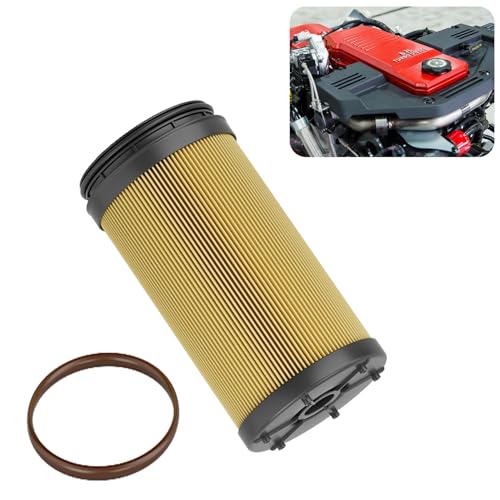

- Use Mopar 68436631AA for the rear and 68157291AA for the front.
- Replace both filters every 15,000 miles or 12 months for longevity.
- A 1-1/8 inch socket and 28mm socket are essential for removal.
- Cycle the ignition to the Run position to prime the system.
- Overtightening housings can lead to cracks; follow the 22.5 lb-ft spec.
The 2022 Ram 2500 equipped with the 6.7L Cummins Turbo Diesel relies on a sophisticated dual-filtration system to protect its high-pressure common rail (HPCR) fuel system. To maintain peak performance and protect your warranty, you must replace both the engine-mounted canister filter and the chassis-mounted water separator every 15,000 to 20,000 miles, or sooner if your truck’s “Fuel Filter Life” monitor warns you. Waiting too long allows contaminants to bypass the media, which can lead to expensive injector failures or high-pressure pump damage.

Prime for Young Adults — 6 Months Free
Students and 18–24s get six months of Prime free, then half price.
Start 6 Months Free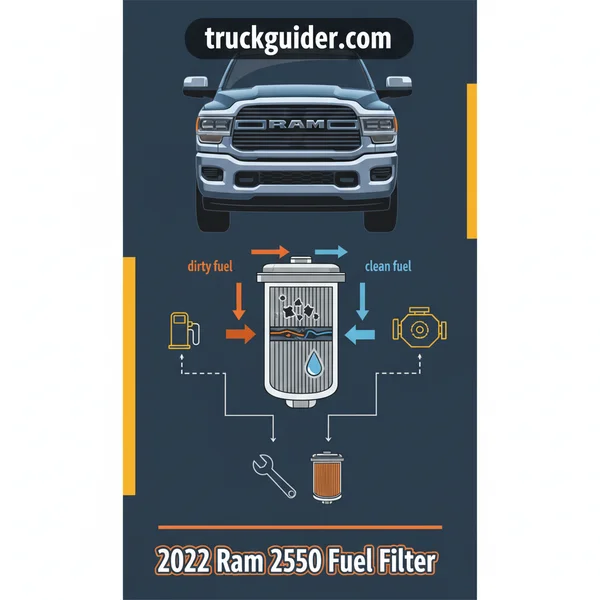
Replacing these filters is a straightforward task that you can handle in your driveway with the right tools. Because the 2022 model uses specific micron ratings to meet Tier 4 emissions standards, using the correct parts is critical. This guide breaks down exactly where these filters are located, the precise part numbers you need to order, and the specialized tools required to break the factory seals without cracking the plastic housings.
Identifying the Dual-Filter System Components and Locations
Before you crawl under your truck or pop the hood, you need to understand the two-stage filtration architecture. Unlike older diesel trucks that used a single filter, your 2022 Ram 2500 splits the work between two distinct units. The system is designed to remove large particles and water at the rear of the truck first, followed by ultra-fine “polishing” filtration right before the fuel enters the engine.
The Front Engine-Mounted Secondary Filter
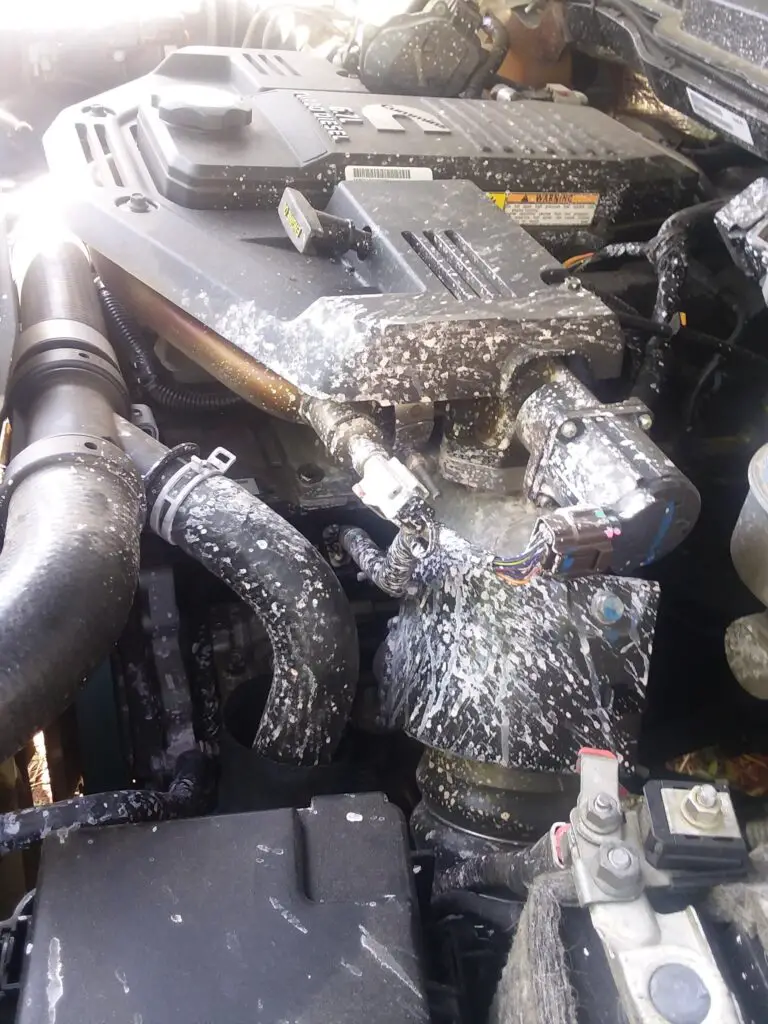
The secondary fuel filter is located in the engine compartment on the driver’s side. It is tucked between the engine block and the intake air plumbing. You will recognize it by its black plastic circular cap with a large nut molded into the top. This filter uses a drop-in cartridge style rather than a spin-on canister. Its primary job is to filter out microscopic particles—often down to 3 microns—using NanoNet media. Because this filter is the last line of defense before the fuel reaches the injectors, cleanliness during the installation process is your highest priority here.
The Rear Chassis-Mounted Primary Filter
The primary fuel filter, which also serves as the Water-In-Fuel (WIF) separator, is located on the frame rail near the rear fuel tank. To find it, look just ahead of the rear axle on the driver’s side. This is a spin-on style filter that is significantly larger than the front unit. It features a clear or black plastic bowl at the bottom equipped with a drain valve and a wiring harness for the WIF sensor. This filter is responsible for catching larger debris and stripping moisture out of the diesel. You will need to access this from underneath the vehicle, so having a drain pan ready is essential to catch the fuel that will inevitably spill during removal.
2022 Ram 2500 Fuel Filter Maintenance Made Easy: Your Essential Action Plan
Recommended Best Deal Products


Maintaining the fuel system in your 2022 Ram 2500 with the 6.7L Cummins Turbo Diesel is vital for ensuring the longevity of your high-pressure fuel pump and injectors. This heavy-duty truck utilizes a dual-filter system designed to strip out both particulates and water before the fuel reaches the engine. Neglecting these filters can lead to reduced fuel economy, loss of power, or catastrophic engine failure due to contamination. This guide provides a comprehensive walkthrough for replacing both the frame-mounted rear filter and the engine-mounted front filter, ensuring your truck stays on the road and performs at its peak under heavy loads.
Step 1: Gather Specific Tools and OEM Parts
What you need: Mopar Front Filter (68157291AA), Mopar Rear Filter (68197867AB), 1-1/8 inch (28mm) socket, long socket extension, torque wrench, large drain pan (at least 5-quart capacity), 1/2 inch clear plastic tubing (optional for draining), and clean diesel fuel or clean engine oil for lubrication.
Instructions: Before you begin, ensure you have the correct OEM filters. The 2022 Ram 2500 is sensitive to filtration ratings; using off-brand filters can sometimes lead to bypass issues or poor water separation. Park the vehicle on a level surface, engage the parking brake, and turn off the ignition. Open the hood and locate the front filter housing near the driver-side firewall, then look under the truck on the driver-side frame rail near the fuel tank to locate the rear filter. Having all tools within reach prevents unnecessary crawling back and forth, and using a torque wrench is non-negotiable for plastic housings that can easily crack if over-tightened.
Pro Tip: Always verify the part numbers on the boxes before opening them. Some retailers may stock older versions of the filters that look similar but have different micron ratings or O-ring configurations.
Step 2: Drain the Rear Frame-Mounted Filter
What you need: Drain pan, 1/2 inch ID clear tubing, and a flat-head screwdriver or your fingers to turn the drain valve.

Audible — Listen Free for 30 Days
One free credit a month and thousands of titles included.
Listen Free for 30 DaysInstructions: The rear filter acts as the primary water-fuel separator. Locate the yellow drain valve on the bottom of the filter housing located on the driver-side frame rail. Place your drain pan directly underneath. If you want to avoid a mess, attach a clear plastic tube to the drain nipple and lead it into the pan. Rotate the yellow valve counter-clockwise. You may need to loosen the fuel cap on the truck’s tank to relieve vacuum pressure, allowing the fuel to flow out more freely. Drain until the flow stops, which usually amounts to about a quart of diesel. This step is crucial to prevent fuel from splashing onto you when you eventually unscrew the entire housing cap.
Pro Tip: Inspect the drained fuel in a clear glass jar. If you see cloudy water or dark sediment at the bottom, it’s a sign that you may have picked up a “bad” batch of fuel from a gas station, and you should consider shorter intervals for your next change.
Step 3: Replace the Rear Filter Element
What you need: 1-1/8 inch (28mm) socket, socket extension, and the new rear filter kit (including the large O-ring).
Instructions: Once drained, use your 28mm socket and extension to unscrew the filter housing cap. Be prepared for a small amount of residual fuel to spill. Once the housing is off, pull the old filter element straight down to remove it. Take a clean, lint-free rag and wipe the inside of the housing to remove any trapped debris. Remove the old rubber O-ring from the housing threads. Apply a light coating of clean diesel or oil to the new O-ring and seat it into the groove on the housing. Snap the new filter element into the housing or up into the mount (depending on the specific kit design) and hand-thread the housing back onto the frame. Use your torque wrench to tighten it to 22 lb-ft (30 Nm).
Pro Tip: Never “dry fit” the O-ring. A dry rubber seal can bunch up or tear while you are tightening the housing, which will cause a high-pressure leak once the fuel system is primed.
Step 4: Drain the Front Engine-Mounted Filter
What you need: Drain pan, 1/2 inch ID hose (approximately 3 feet long), and a flashlight.
Instructions: Move to the engine bay. The front fuel filter is housed in a canister on the driver’s side of the engine. On the side of this canister, there is a drain valve with a nipple. Attach your 3-foot hose to this nipple and run it down past the frame and into your drain pan below the truck. This is vital because the filter is located above the alternator and various belts; if diesel spills here, it can damage the serpentine belt or short out the alternator. Open the drain valve by turning it counter-clockwise. Again, let the fuel drain completely. This filter captures smaller particulates that the rear filter might have missed, ensuring the common rail system receives ultra-clean fuel.
Pro Tip: If the fuel is draining very slowly, slightly loosen the top cap of the filter housing with your 1-1/8 inch socket. This breaks the vacuum and allows gravity to do its job much faster.
Audible Premium Plus — Annual Membership
12 audiobook credits up front, plus the full Audible catalogue.
See Annual PlansStep 5: Install the Front Filter and Seal
What you need: 1-1/8 inch socket, new front filter element, and the included O-ring.
Instructions: With the fuel drained, fully unscrew the top cap of the front filter housing. Lift the cap straight up; the filter element is usually attached to the cap. Pull the old filter off the cap and discard it. Just like the rear filter, clean the inside of the canister with a clean rag. Replace the O-ring on the cap, ensuring it is lubricated. Push the new filter element into the cap until it “clicks” into place. Carefully lower the assembly back into the canister. Hand-thread the cap to ensure you don’t cross-thread the plastic housing. Using your torque wrench, tighten the cap to 22 lb-ft (30 Nm). Close the drain valve and remove your drainage hose.
Pro Tip: Be very careful with the wiring harness near the front filter. It’s easy to snag a wire with your socket wrench. Move the harness gently to the side before applying leverage to the housing cap.
Step 6: Prime the Fuel System
What you need: The vehicle’s ignition key (or Push-to-Start button).
Instructions: The Cummins fuel system must be primed to remove air before the engine will start. Air in the lines can cause the high-pressure pump to “cavitate,” which can lead to metal-on-metal wear. Do NOT attempt to crank the engine yet. Instead, turn the ignition to the “RUN” position (without starting the engine). You will hear the electric lift pump buzzing. Let it run for about 30 seconds until it stops. Turn the ignition off. Repeat this process 4 to 5 times. On the final cycle, listen for a change in the pitch of the pump; a lower, steadier hum usually indicates that the air has been purged and the lines are full of pressurized fuel. This process ensures the engine starts smoothly without stumbling.
Pro Tip: If your truck has a Push-to-Start button, press it twice without touching the brake pedal to enter “RUN” mode. Wait for the dash lights to cycle and the pump to finish its cycle before turning it back off.
Step 7: Start and Inspect for Leaks
What you need: Flashlight and a second observer (optional but helpful).
Instructions: Now that the system is primed, depress the brake and start the engine. It may take an extra second or two to fire up compared to a normal cold start. Once it is idling, immediately go to the rear of the truck and inspect the frame-mounted filter with a flashlight. Look for any weeping or dripping around the seal. Then, move to the engine bay and inspect the front filter cap and the drain valve. Let the engine idle for at least 3 to 5 minutes. If no leaks are present, your installation was successful. Finally, go to the vehicle’s infotainment screen or instrument cluster menu, navigate to “Vehicle Info,” find the “Fuel Filter Life” section, and hold the “OK” or “Reset” button to set the life back to 100%.
Pro Tip: If the engine starts and then dies after a few seconds, there is still air in the system. Go back to Step 6 and perform three more prime cycles before attempting to restart.
✅ Final Checklist
- Confirm both yellow drain valves (front and rear) are tightly closed.
- Verify that both housing caps were torqued to exactly 22 lb-ft to prevent cracking or leaking.
- Ensure the “Fuel Filter Life” indicator has been reset in the truck’s digital menu.
- Check the ground under the truck after 10 minutes of idling to ensure no slow drips have developed.
- Verify that the OEM O-rings were lubricated before installation to prevent seal binding.
Important Notes:
- Safety: Diesel fuel is slippery and a fire hazard. Always clean up spills immediately with absorbent material and work in a well-ventilated area.
- Professional Help: If you notice heavy metal shavings in the filter or if the truck fails to start after 10+ priming cycles, seek a professional diesel mechanic as this could indicate a lift pump or CP4 pump failure.
- Estimated Time: 45 to 60 minutes for a beginner; 30 minutes for an experienced DIYer.
- Cost Range: $100–$140 for OEM Mopar filter kits; significantly more if performed at a dealership (usually $300-$500).
Essential OEM Part Numbers and Tool Specifications for 2022 Models
Using high-quality filters is non-negotiable for the 6.7L Cummins. The HPCR system operates at pressures exceeding 30,000 PSI, meaning even the smallest piece of grit can sandblast your injector tips. While aftermarket options exist, many owners prefer OEM Mopar or Fleetguard (Cummins’ own brand) to ensure the micron ratings meet factory specifications. For 2022 models, the part numbers have remained consistent with the recent 5th Gen updates.
Official Mopar Part Numbers and Kit Options
You can purchase these filters individually, but it is often more cost-effective to buy them as a combined kit. Buying the kit also ensures you don’t forget the necessary O-rings for the front housing. Here are the numbers you need to look for:
- Complete Filter Kit: 68533924AA (Includes both front and rear filters)
- Front (Engine) Filter: 68157291AA
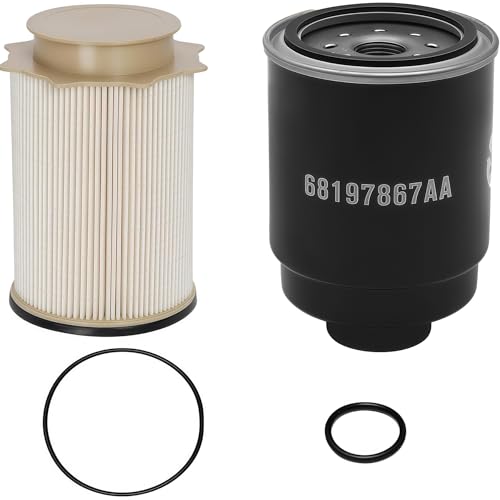
- Rear (Chassis) Filter: 68197867AB
- Fleetguard Alternatives: FS20089 (Rear) and FF63017NN (Front)
Keep in mind that the rear filter must include a new O-ring for the water separator bowl, and the front filter must include the large rubber gasket for the canister cap. If your kit is missing these, do not attempt to reuse the old ones, as they will likely leak under the pressure of the lift pump.
Required Tools for a Clean Service
One of the biggest mistakes DIYers make is using the wrong size wrench on the plastic housings. The plastic can become brittle over time due to heat cycles, and a slipping wrench will round off the molded nuts instantly. To do the job right, gather these specific tools:
- 1-1/8 inch (or 28mm) Socket: This is the standard size for the nut on top of the engine-mounted filter cap. A 6-point socket is highly recommended over a 12-point to prevent rounding.
- 1-1/8 inch Socket: You will also need this for the drain nut on the bottom of the rear chassis filter.
- Oil Filter Strap Wrench: Essential for unscrewing the rear chassis filter body from the frame-mounted head.
- Long Extension and Swivel Joint: Reaching the engine-mounted filter is much easier with a 10-inch or 12-inch extension to get your ratchet above the surrounding wires and hoses.
- Fuel Drain Tubing: A small section of 3/8-inch ID clear tubing allows you to drain the fuel into a container without it splashing all over your driveway or the truck’s frame.
Pro Tip: Always check the torque specs. The engine-mounted cap usually requires approximately 18 lb-ft (25 Nm). Over-tightening will crack the housing, while under-tightening will cause a fuel prime leak that prevents the truck from starting.
The Critical Role of Proper Fuel System Priming and Air Removal
Recommended Best Deal Products


When you replace the filters on a 2022 Ram 2500, you are essentially opening a vacuum-sealed environment to the outside atmosphere. This introduces air into the lines, which is the natural enemy of the Cummins high-pressure common rail system. Understanding why we clear this air is just as important as the physical swap of the filters themselves.
Protecting Your High-Pressure Fuel Pump
The high-pressure fuel pump (often the Bosch CP3 in recent configurations) relies entirely on diesel fuel for lubrication and cooling. Diesel fuel has a specific viscosity that keeps the internal metallic components from grinding against one another. If air pockets reach the pump, it creates a “dry” environment. This can lead to cavitation, where microscopic air bubbles collapse with enough force to pit metal surfaces. Over time, failing to properly prime the system can lead to premature pump failure, a repair that costs significantly more than a set of Mopar filters.
Managing Trapped Air and System Integrity
The 2022 Ram 2500 utilizes an electric lift pump to move fuel from the tank to the engine. This system is designed to purge air back through the return lines, but it requires patience. Rushing to crank the engine before the air is fully evacuated can cause the truck to stumble or “cough” upon startup. Proper priming ensures that once the engine fires, the fuel pressure remains constant and the injectors receive a steady, air-free stream of diesel. Key benefits of a well-primed system include:
- Reduced Starter Wear: The engine fires up almost instantly rather than laboring through long cranking cycles.
- Injector Longevity: Prevents air-induced “hammering” inside the precision-machined injector tips.
- Consistent Idle: Eliminates the surging often felt after a filter change when air is still moving through the rail.
Maintenance Intervals and Warning Signs of Clogged Diesel Filters
Knowing when to change your filters is just as vital as knowing which parts to buy. While the manufacturer provides a baseline, real-world driving conditions in a heavy-duty truck often dictate a more aggressive schedule. Your 2022 Ram 2500 is a workhorse, and its fuel needs change based on how you use it.
Mileage Milestones and Extreme Conditions
For most 2500 owners, the standard interval for both the engine-mounted and rear-mounted fuel filters is 15,000 miles or every 12 months, whichever comes first. However, if you frequently use your truck for “Severe Duty” tasks, you should consider shortening this interval to 10,000 or even 7,500 miles. Severe duty includes:
- Frequent idling (common on job sites).
- Operating in extremely dusty or off-road environments.
- Consistent heavy towing or hauling near the Max GCWR.
- Using Bio-Diesel blends (B20), which can loosen tank sediment more quickly.
Recognizing the Red Flags of Filter Failure
Your truck will often tell you it needs attention before it leaves you stranded on the side of the road. Modern Ram trucks are equipped with sophisticated sensors, but physical symptoms are often the first clue. One of the most obvious signs is a noticeable drop in power during hard acceleration or while pulling a grade; this happens because the clogged filter element restricts the high volume of fuel required under load.
Additionally, keep a close watch on your instrument cluster for the “Water in Fuel” light. This indicates that the rear fuel-water separator has reached its capacity and can no longer protect your injectors from moisture. Other warning signs include a “surging” sensation at highway speeds or an unexpected “Service Fuel Filter” message on the Electronic Vehicle Information Center (EVIC). Ignoring these signs can lead to the fuel gelling in cold weather or, in worst-case scenarios, a complete engine stall.
Conclusion
Maintaining the fuel system on your 2022 Ram 2500 is one of the most effective ways to ensure the longevity of your Cummins engine. By sticking to OEM Mopar part numbers and understanding the critical need for proper priming, you protect your high-pressure pump from costly damage. Remember that the 15,000-mile interval is a guide, not a rule—always adjust based on your specific towing habits and environment.
To keep your truck running at peak performance, take a moment today to check your current mileage and fuel filter life percentage in your dash settings. If you are approaching that 15,000-mile mark, go ahead and order a fresh set of filters so you have them ready for your next maintenance day. Your Ram works hard for you; make sure you return the favor with high-quality filtration!
💬 Quick Questions & Answers
What are the Mopar part numbers for a 2022 Ram 2500?
The engine-mounted filter is 68157291AA, and the rear chassis-mounted filter is 68436631AA.
How many fuel filters does a 2022 Ram 2500 have?
The 6.7L Cummins diesel engine features two filters: one in the engine bay and one near the rear axle.
Do I need a special tool for the rear filter?
A 1-1/8 inch socket or a dedicated 2019+ Ram fuel filter cap wrench is highly recommended.
How often should I change these filters?
Ram recommends changing both filters every 15,000 miles or at every other oil change.
What happens if I don’t prime the system?
Failing to prime can lead to dry-start conditions that damage high-pressure fuel pump components.
❓ Frequently Asked Questions
Why are there two different fuel filters on the 2022 Ram 2500?
The rear chassis-mounted filter acts as a primary water separator to catch large debris and moisture, while the engine-mounted filter provides secondary fine-particle filtration. This dual-stage setup protects the sensitive high-pressure common rail injection system from contamination.
Can I use aftermarket fuel filters instead of Mopar?
While aftermarket options exist, using OEM Mopar filters ensures the micron rating meets Cummins’ strict 3-micron specification. Using subpar filters may void parts of your powertrain warranty and risk premature injector wear.
What specific tools are required for a successful DIY swap?
You will need a 1-1/8 inch socket for the rear filter housing and a 28mm socket for the engine-mounted filter cap. Additionally, a torque wrench is recommended to ensure the housings are tightened to the correct 22.5 lb-ft specification.
How do I know when my fuel filters are clogged?
Common symptoms include a Water in Fuel light on the dashboard, reduced engine power, hesitation under load, or a message in the Electronic Vehicle Information Center. Regular monitoring of the fuel filter life percentage in the cluster is the best preventative measure.
Is it necessary to drain the fuel before removing the filters?
Yes, both housings feature yellow drain valves that should be opened to drain fuel into a container before loosening the caps. This prevents a large mess and allows you to inspect the drained fuel for signs of excessive water or metal shavings.
What is the correct priming procedure after installing new filters?
Turn the ignition to the Run position without starting the engine for 30-60 seconds to allow the electric lift pump to fill the housings. Repeat this cycle 3 to 5 times to ensure all air is purged from the lines before attempting to start the vehicle.