Ram 2500 Wheel Bolt Pattern Chart (1994-2026) | Full Specs

The Ram 2500 stands as a titan in the heavy-duty truck segment, demanding precise wheel fitment for safe towing and hauling. Understanding the exact Ram 2500 wheel bolt pattern is critical for upgrading wheels, changing tires, or replacing hubs.
Heavy-duty pickup trucks endure massive payload stresses, making wheel hardware specifications non-negotiable for highway safety. Installing aftermarket wheels with an incorrect pitch circle diameter (PCD) or a mismatched center bore can lead to catastrophic hardware failure.

Prime for Young Adults — 6 Months Free
Students and 18–24s get six months of Prime free, then half price.
Start 6 Months FreeThis comprehensive report delivers a data-driven breakdown of Ram 2500 wheel specifications across all generations. The analysis covers factory offsets, lug nut thread pitches, hub-centricity requirements, and aftermarket fitment tolerances.
The data synthesized herein is intended for automotive professionals, custom wheel installers, and heavy-duty truck enthusiasts. Proper adherence to these dimensional standards ensures optimal suspension geometry and vehicle stability.
Ram 2500 Wheel Bolt Pattern
Recommended Best Deal Products


The heavy-duty standard that has defined the Ram 2500 series for over three decades. A deep dive into the 8×165.1mm specification and its mechanical implications.
Decoding the 8-Lug Layout
The Ram 2500 heavy-duty platform relies on an eight-lug configuration to distribute extreme towing and payload forces. The measurement represents the Pitch Circle Diameter (PCD), which is the diameter of an imaginary circle passing through the center of every lug hole.
8: The total number of wheel fasteners.
165.1mm: The absolute distance across the hub from hole center to hole center.
Visual representation of an 8×6.5″ Pitch Circle Diameter (PCD)
Generational Evolution (1994–2026)
Recommended Best Deal Products
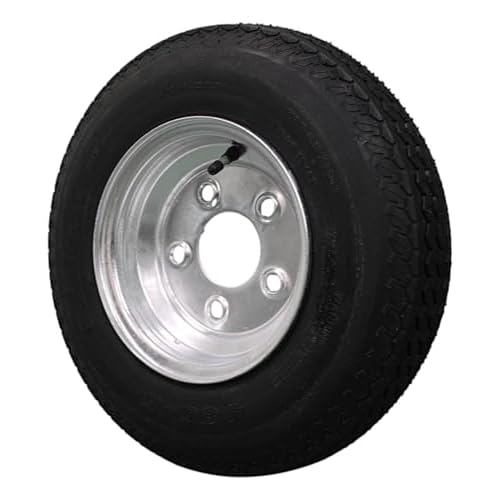

While the bolt pattern has remained consistent, factory wheel widths and offsets have shifted as suspension technology evolved. Early 2nd Gen trucks used shallow offsets, while modern 5th Gen models utilize high positive offsets to tuck tires deep into the wheel wells for aerodynamics.
2nd Gen
1994–2002

Audible — Listen Free for 30 Days
One free credit a month and thousands of titles included.
Listen Free for 30 Days+35 to +45mm
3rd Gen
2003–2009
+42 to +45mm
4th Gen
2010–2018
+44 to +57mm
5th Gen
2019–2026
+45 to +58mm
The Hardware Shift: 2012
In 2012, Ram engineering transitioned from legacy Imperial 9/16″ studs to metric M14x1.5 hardware. This is the most critical factor when ordering lug nuts or locking kits.
Audible Premium Plus — Annual Membership
12 audiobook credits up front, plus the full Audible catalogue.
See Annual PlansTechnical Warning: Thread Pitch
Never attempt to force an M14 lug nut onto a 9/16″ stud. While they appear similar, the pitch angles are incompatible. Cross-threading on a heavy-duty truck can result in catastrophic wheel separation under load.
Torque Standard
The Science of Stance
Recommended Best Deal Products


Offset dictates exactly where the tire sits relative to your suspension. Use this guide to avoid the dreaded “Radius Arm Rub” common on lifted 2014+ Ram 2500s.
Stock Setup (+57mm)
Deep positive offset. Tucks wheels safely inward. Best for fuel economy and aerodynamics.
The Sweet Spot (+18mm)
Recommended by Thuren Fabrication.
Clears 35″ tires on 2014+ models without radius arm contact.
Aggressive Stance (-44mm)
Deep dish look. Pushes wheels far outside fenders. Requires trimming and flares.
Inter-Brand Interchangeability
| Manufacturer & Model | Production Years | Bolt Pattern | Hub Bore | Compatible? |
|---|---|---|---|---|
| Chevy/GMC 2500HD | 1999–2010 | 8×165.1 mm | 116.7 mm | NO (Bore Too Small) |
| Ford F-250 Super Duty | 1999–Present | 8×170 mm | 124.9 mm | NO (Different Pattern) |
| Ford Econoline E-350 | 1992–2014 | 8×165.1 mm | 124.0 mm | YES (w/ Hub Rings) |
| Chevy/GMC 2500HD | 2011–Present | 8×180 mm | 124.1 mm | NO (Different Pattern) |
Quick Answer: What is the Ram 2500 Bolt Pattern?
The factory wheel bolt pattern for the Ram 2500 from 1994 to 2026 is 8×165.1 mm, which translates exactly to 8×6.5 inches in imperial measurements.
This strict specification means the wheel features eight lug holes arranged in a perfect circle that measures 165.1 millimeters across. The center hub bore for these specific vehicles measures exactly 121.3 mm.
While the bolt pattern and hub bore have remained remarkably consistent over three decades, the lug nut thread pitch changed significantly mid-production. Models built from 1994 to 2011 utilize an imperial 9/16″-18 thread.
Conversely, the 2012 to 2026 model years transitioned to a metric M14x1.5 thread pitch. Recognizing this transition year is paramount when ordering replacement lug nuts or aftermarket locking hardware.
Comprehensive Ram 2500 Wheel Bolt Pattern Chart
The following data table outlines the exact wheel fitment parameters for the Dodge Ram 2500 and the modern Ram 2500 HD series. It covers every generation from the introduction of the 1994 redesign to the current production models.
| Generation | Production Years | Bolt Pattern (Metric) | Bolt Pattern (Standard) | Hub Bore (CB) | Lug Nut Thread Pitch | Stock Offset Range |
| 2nd Gen (BR/BE) | 1994–2002 | 8×165.1 mm | 8×6.5″ | 121.3 mm | 9/16″ – 18 | +35mm to +45mm |
| 3rd Gen (DR/DH) | 2003–2009 | 8×165.1 mm | 8×6.5″ | 121.3 mm | 9/16″ – 18 | +42mm to +45mm |
| 4th Gen (DS/DJ) | 2010–2011 | 8×165.1 mm | 8×6.5″ | 121.3 mm | 9/16″ – 18 | +44mm to +57mm |
| 4th Gen (DS/DJ) | 2012–2018 | 8×165.1 mm | 8×6.5″ | 121.3 mm | M14 x 1.5 | +44mm to +57mm |
| 5th Gen (DJ Facelift) | 2019–2026 | 8×165.1 mm | 8×6.5″ | 121.3 mm | M14 x 1.5 | +45mm to +58mm |
This steadfast adherence to the 8×165.1 mm pattern is unique among the “Big Three” American truck manufacturers. Competitors have historically altered their heavy-duty bolt patterns, which fragments their aftermarket compatibility.
Decoding the 8×165.1 mm (8×6.5″) Bolt Pattern
The Ram 2500 heavy-duty platform relies on an eight-lug configuration to distribute extreme towing and payload forces evenly across the hub assembly. The 8×165.1 mm measurement represents the Pitch Circle Diameter, commonly abbreviated as PCD.
The first number, “8”, indicates the total number of wheel fasteners securing the rim to the axle hub. The second number, “165.1”, denotes the absolute diameter of the imaginary circle passing through the center of every lug hole in millimeters.
For decades, the 8×6.5-inch pattern was the universal standard for all American three-quarter-ton and one-ton trucks. While competitors eventually abandoned this dimension, Ram maintained the 8×6.5 bolt pattern for the 2500 series, ensuring massive aftermarket wheel compatibility.
Measuring the PCD Accurately
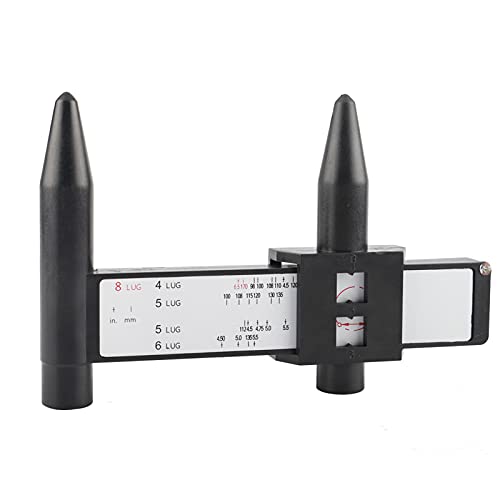
Measuring an eight-lug wheel requires specific techniques compared to odd-numbered lug patterns. Because the lug holes are perfectly opposed, measuring is straightforward with the right tools.
Technicians can measure from the absolute center of one lug hole directly across the hub to the center of the opposing lug hole. Using a calibrated caliper provides the most accurate reading, confirming the 165.1 mm or 6.5-inch dimension.
Forcing a near-match pattern, such as the metric 8×170 mm pattern utilized by Ford, onto an 8×165.1 mm hub is physically impossible and dangerous. Attempting to do so guarantees catastrophic stud damage and wheel separation at highway speeds.
The Generational Evolution of Ram 2500 Wheel Specifications
Automotive engineering decisions are often driven by a mix of historical precedent and evolving load capacities. The history of the Ram 2500’s wheel hub architecture tells a story of consistency in an otherwise turbulent automotive landscape.
By analyzing each generation, wheel installers can better understand the nuanced differences in factory offsets and tire pairings. This historical context is vital for restoring classic models or modifying modern ones.
2nd Generation (1994-2002): The BR/BE Platform
The introduction of the 1994 Dodge Ram revolutionized truck design with its aggressive, semi-truck-inspired styling. Beneath the sheet metal, the heavy-duty 2500 models utilized a proven 8×6.5 bolt pattern with a 121.3 mm hub bore.
These early trucks primarily rolled off the assembly line on 16×6.5 or 16×8 inch wheels. The factory matched these 16-inch rims with LT245/75R16 tires to manage the payload requirements of the era.
The wheel studs on the 2nd Generation platform utilized a robust 9/16″-18 thread pitch to secure the heavy steel and aluminum rims. The factory offsets hovered around the +35mm to +45mm range, keeping the stance relatively narrow.
3rd Generation (2003-2009): The DR/DH Platform
As towing and payload capacities increased exponentially in the early 2000s, the 3rd generation Ram 2500 required significantly larger braking systems. Upgraded brake calipers necessitated a shift away from 16-inch wheels to clear the rotors.
Ram subsequently moved the standard factory rim size up to 17 inches for the heavy-duty lineup. These new wheels typically measured 17×7.5 or 17×8 inches, depending on the trim level.
Despite the larger overall wheel diameter, the core hub geometry remained completely untouched. The 8×6.5 bolt pattern and the 121.3 mm center bore persisted, allowing seamless wheel swapping between early and late models of this era.
4th Generation (2010-2018): The DS/DJ Platform
The 2010 redesign brought a more refined ride, advanced suspension geometry, and a significantly upgraded interior. However, the heavy-duty chassis retained the classic 8-lug layout to maintain legacy compatibility.
Factory wheel offerings expanded dramatically during this generation to meet consumer demand for luxury aesthetics. Buyers had options for 17×8, 18×8, and even massive 20×8 inch wheels direct from the dealership.
The most significant mechanical change in the truck’s wheel hardware history occurred midway through this generation. In 2012, Ram engineering officially shifted the wheel studs from the legacy 9/16″-18 standard to a metric M14x1.5 thread pitch.
5th Generation (2019-2026): The DJ Facelift
With the launch of the 5th generation heavy-duty trucks, Ram separated the 2500 and 3500 chassis architectures more distinctly. This separation allowed the 3500 platform to achieve class-leading towing figures.
While the Ram 3500 Dual Rear Wheel (DRW) transitioned to an enormous 8×200 mm bolt pattern, the Ram 2500 Single Rear Wheel (SRW) remained unchanged. The 2500 retained the trusted 8×165.1 mm (8×6.5″) design.
Modern 5th generation Ram 2500s feature deep stock offsets ranging between +45mm and +58mm. These positive offsets tuck the massive wheels neatly beneath the fenders, drastically improving highway aerodynamics.
The 2012 Hardware Shift: 9/16″ vs. M14x1.5 Wheel Studs
One of the most frequent points of catastrophic failure for Ram 2500 owners involves purchasing incorrect aftermarket lug nuts. The exact year of the truck determines which thread pitch is required for safe wheel installation.
From 1994 through the 2011 model year, the Ram 2500 utilized a 9/16-inch diameter stud with 18 threads per inch. This 9/16″-18 imperial hardware was the universal standard across many heavy-duty domestic platforms.
Starting with the 2012 model year, Ram modernized its heavy-duty axle hardware to comply with global metric standards. All Ram 2500 trucks built from 2012 to 2026 feature M14x1.5 wheel studs.
The Dangers of Cross-Threading
Attempting to force an M14 lug nut onto a 9/16″ stud, or vice versa, will instantly cross-thread and destroy the wheel fastener. The threads may initially appear somewhat similar to the naked eye, but the pitch angles are fundamentally incompatible.
When purchasing aftermarket wheels, installers must ensure the supplied lug nuts explicitly match their specific model year. Furthermore, the seat type of the lug nut must perfectly match the wheel’s machined lug pocket.
Most aftermarket alloy wheels demand a 60-degree conical seat lug nut for proper centering. Using a factory flat-flanged lug nut on an aftermarket conical seat wheel will result in rapid loosening and wheel detachment.
Lug Nut Physical Dimensions
Beyond the thread pitch, the physical size of the lug nut dictates the tools required for roadside maintenance. Factory M14x1.5 lug nuts typically utilize a 22mm or 7/8-inch hex head size.
Aftermarket spline-drive lug nuts often feature smaller dual-hex keys, typically 13/16″ and 7/8″, to fit inside narrow wheel recesses. Upgraded lug nuts are generally manufactured from high-strength 10.9 grade SCM heat-treated steel to prevent deformation under heavy torque loads.
Ram 2500 Wheel Torque Specifications
Proper wheel lug torque is never a suggestion; it is a vital engineering requirement for all heavy-duty vehicles. Torque specifications define the exact twisting force required to achieve the correct clamp load on the wheel assembly.
This precise clamp load holds the wheel firmly against the hub face while allowing the metal components to flex microscopically under intense driving stress. It prevents the massive shear forces of towing from transferring directly to the threaded studs.
Applying insufficient torque causes the wheel to wobble, which rapidly shears the studs and damages the brake rotors. Conversely, excessive torque permanently stretches the studs past their yield point, leading to sudden failure.
Torque Values by Hardware Type and Year
The factory torque recommendations have evolved to match the specific hardware changes over the years. For 1994 to 2010 models utilizing the 9/16″ studs, the generally accepted torque specification is 135 ft-lbs.
For modern Ram 2500s (2012-2026) equipped with M14x1.5 studs, the factory torque specification varies by the exact lug nut design. Vehicles equipped with standard cone-seat lug nuts require a stringent torque of 130 ft-lbs (176 N·m).
Heavy-duty applications utilizing flat, flanged-type lug nuts demand a slightly higher torque rating of 140 ft-lbs. Technicians must always utilize a calibrated torque wrench and follow a traditional star-pattern tightening sequence to ensure perfectly even pressure distribution across the hub.
The Massive Ram HD Wheel Stud Recall (NHTSA 21V-398)
The absolute importance of precise wheel torque was highlighted by a severe safety recall initiated by Chrysler (FCA US, LLC) in 2021. The manufacturer recalled hundreds of thousands of Ram HD trucks due to faulty torque documentation.
According to NHTSA Recall 21V-398, incorrect information published in the Service and Owner’s Manuals led technicians to unknowingly over-torque flanged wheel lug nuts. This affected an estimated 447,985 vehicles across the 2012-2021 Ram 3500 and chassis cab lines.
The excessive rotational force yielded, or permanently stretched, the M14 wheel studs. A yielded stud loses its metallurgical tensile strength and can snap during normal driving operations.
This condition created a severe risk of complete wheel separation at highway speeds. Dealerships were mandated to update the published torque specifications and use specialized Go/No-Go Gauges (Tool #2077700030) to inspect and replace compromised studs.
The Science of Hub-Centric Engineering
The center bore is the precisely machined hole located in the absolute middle of a vehicle’s wheel. For the Ram 2500, the factory center bore specification is exactly 121.3 millimeters across all modern generations.
Ram automotive engineers strictly utilize a “hub-centric” wheel design for the 2500 heavy-duty platform. In a hub-centric system, the wheel’s center bore fits perfectly tight against the axle’s protruding hub flange.
This tight physical connection ensures that the actual weight of the 7,000-pound diesel truck rests entirely on the robust axle hub. The wheel studs are relieved of the vehicle’s vertical load entirely.
The lug nuts in a hub-centric application are merely responsible for clamping the wheel laterally against the mounting face. They are never designed to carry the vertical shear weight of a loaded heavy-duty truck.
The Danger of Lug-Centric Aftermarket Wheels
Many mass-produced aftermarket wheels are manufactured with deliberately oversized center bores, often 125.2 mm or 130 mm. This manufacturing strategy allows a single wheel design to fit a wider variety of truck brands.
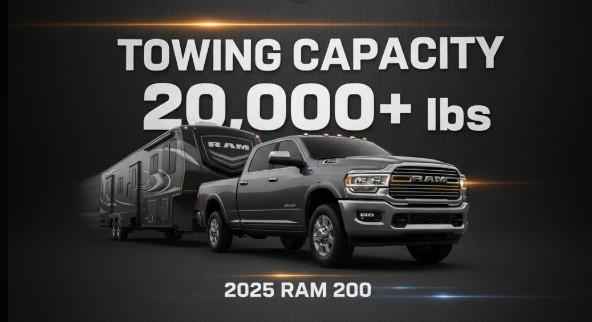
When these oversized wheels are mounted, they become “lug-centric,” fundamentally forcing the wheel studs to bear the vehicle’s entire vertical weight. This is a severe engineering mismatch for a truck designed to tow up to 20,000 pounds.
Mounting lug-centric wheels on a heavy-duty Ram 2500 frequently results in aggressive high-speed vibrations and steering wheel shimmy. Over time, the improper shear stress on the M14 studs can cause them to fatigue and snap.
The Hub-Centric Ring Solution
To solve this dangerous engineering mismatch, installers must utilize specialized hub-centric rings. These precision-machined rings slide directly onto the truck’s 121.3 mm hub.
The rings expand the factory hub’s outer diameter to perfectly match the aftermarket wheel’s larger inner bore. Constructed from durable polycarbonate or aluminum, these simple rings restore the factory-intended load distribution, eliminating highway vibrations and protecting the wheel studs.
Understanding Wheel Offset and Backspacing Dynamics
Wheel offset and backspacing are the mathematical parameters that dictate exactly where the tire sits inside the wheel well. Getting these measurements right is the difference between a pristine, aggressive stance and a tire that violently shreds against the truck’s control arms.
Defining Offset vs. Backspacing
Offset measures the distance in millimeters from the wheel’s absolute mathematical centerline to its rear mounting pad. A positive offset (+) tucks the mounting surface outward, pulling the wheel deep into the fender.
Conversely, a negative offset (-) pushes the mounting surface inward, which shoves the entire wheel outward from the truck body, creating a deep-dish aesthetic. This drastically widens the vehicle’s track width.
Backspacing measures the physical distance from the wheel’s inner mounting surface to the extreme rear lip of the rim in inches. A wheel with a high positive offset will naturally feature a larger backspacing measurement.
Ram 2500 Factory Offset Specifications
Stock Ram 2500 wheels run highly positive offsets to keep tires tucked neatly inside the fenders. This engineering choice maximizes aerodynamic efficiency and controls mud and rock spray.
The 2003 to 2013 factory wheels typically feature a +44mm offset, pulling the wheels safely away from the outer fender lips. This narrow stance improves maneuverability in tight spaces but limits tire width.
For the 2014 and newer models, Ram pushed the wheels even further inward to accommodate different suspension linkages. Standard trims feature a +57mm offset, while the off-road-focused Power Wagon models vary slightly between +42mm and +57mm.
Advanced Aftermarket Wheel Fitment and Tire Clearance
Installing larger, aggressive tires on a Ram 2500 is a highly popular modification. However, the truck’s heavy-duty suspension geometry creates unique clearance challenges that must be navigated carefully.
The factory radius arms on modern 4-link setups are incredibly thick. Deep positive offsets pull large tires dangerously close to these suspension links, leading to inevitable interference.
The Radius Arm Rubbing Issue (2014+)
On 2014 and newer Ram 2500s, attempting to run a 35×12.5-inch tire on a factory wheel (+57mm offset) presents immediate drivability problems. While the massive tire physically fits vertically under the truck, the deep offset is problematic.
The inner sidewall of the 35-inch tire will aggressively rub against the factory radius arms the moment the steering wheel hits full lock. This severely limits maneuverability in tight parking lots or on narrow trails.
If an ambitious owner attempts to mount massive 37×12.5-inch tires on stock wheels, the vehicle becomes functionally impaired. The turning radius is compromised, and the tire tread will violently contact both the sway bar and the radius arms.
The Professional “Sweet Spot” Offset
Thuren Fabrication, highly regarded suspension experts in the Ram community, have extensively tested HD clearances. Their engineering data proves that the absolute ideal aftermarket wheel offset for the Ram 2500 falls exactly between +18mm and +25mm.
Mounting a 35×12.5-inch tire on a 9-inch wide wheel with a +18mm offset solves almost all clearance issues instantly. This specific geometry pushes the tire outward just enough to clear the radius arms entirely, without requiring massive fender trimming.
By maintaining a positive offset (+18mm), the truck also retains its factory scrub radius and steering feel. This ensures the vehicle continues to track straight on the highway and prevents premature wear on the steering box and ball joints.
Modifying the Chassis for 37-Inch Tires
For owners pushing into 37-inch tire territory on a 0-3 inch suspension lift, a +18mm offset wheel remains the professional recommendation. This setup eliminates dangerous control arm contact entirely. Match your wheels to the correct rubber using our Ram 2500 tire size chart.
However, successfully clearing a 37-inch tire at this offset requires minor, permanent body modifications. Professional installers must carefully trim the bottom four inches of the plastic inner fender liner.
Furthermore, the metal pinch weld located directly behind the tire must be trimmed or flattened. Using a fine-tooth reciprocating saw allows for clean cuts on the sheet metal, which must immediately be painted to prevent structural rust.
Wheel Adapters and Bolt Pattern Conversions
Many custom truck builders wish to mount wheels from competing brands or newer truck generations onto their older Ram 2500 chassis. This process requires the use of specialized billet aluminum or steel wheel adapters.
Ram to Ford or Chevy Conversions
The heavy-duty aftermarket offers specialized 8×6.5 to 8×170 mm adapters, allowing Ram 2500 owners to mount modern wheels designed for the Ford F-250 Super Duty. These adapters physically bolt to the Ram’s hub and provide new studs spaced to the Ford specification.
Similarly, 8×6.5 to 8×180 mm adapters permit the installation of modern (2011+) Chevy Silverado 2500HD wheels onto a Ram chassis. If you are matching GM wheels, confirm fitment against the Chevy Silverado bolt pattern chart. These conversions open up a vast secondary market of used wheels for Ram owners.
When utilizing wheel adapters on a heavy-duty truck pulling thousands of pounds, material quality is absolutely paramount. Professional installers rely exclusively on hub-centric adapters machined from aircraft-grade 6061-T6 billet aluminum or forged 1018 steel.
The 2019 Dually Curveball (8x200mm)
A major point of industry confusion occurred during the massive 2019 model year chassis redesign. While the single rear wheel (SRW) Ram 2500 and 3500 maintained the legacy 8×165.1 mm (8×6.5″) pattern, the dual rear wheel (DRW) platform was completely altered.
Ram engineered the 2019+ 3500 Dually with a massive 8×200 mm bolt pattern and a larger 142.2 mm center bore to support higher tow ratings. Consequently, wheels designed for a modern Ram 3500 dually cannot bolt directly onto any Ram 2500.
To utilize these modern dually wheels on an older chassis, owners must purchase heavy-duty 8×165.1 to 8×200 mm conversion spacers. These adapters are incredibly thick and require careful torquing to ensure highway safety.
10-Lug Semi-Truck Wheel Conversions
An emerging trend in the heavy-duty truck scene is mounting massive 22.5-inch or 24-inch 10-lug semi-truck wheels on consumer pickups. Companies like Arrowcraft produce extreme-duty steel adapters specifically for this application.
These specialized conversion kits bolt to the Ram 2500’s factory 8-lug hub and provide ten massive studs spaced at 285.75mm (10×285.75). Constructed from ductile cast iron, these adapters handle maximum commercial loads without compromising structural safety.
To ensure absolute safety, wheel adapters should always be torqued precisely to the manufacturer’s spec. The underlying factory studs may also need to be ground down or trimmed if they protrude past the mounting face of the adapter block.
Analyzing Bolt Pattern Interchangeability Across Brands
Understanding which heavy-duty wheels can be safely swapped between brands is a highly sought-after skill in the automotive community. While large 8-lug patterns look identical at a quick glance, subtle millimeter differences dictate absolute safety.
Dodge Ram vs. General Motors (Chevy/GMC)
For decades, both Dodge (Ram) and General Motors (Chevy/GMC) utilized the exact same 8×165.1 mm (8×6.5″) bolt pattern for their heavy-duty trucks. Theoretically, a 2005 Chevy Silverado 2500HD and a 2005 Dodge Ram 2500 share the identical lug spacing.
However, the center bores present a critical and dangerous compatibility issue. Ram 2500 hubs measure 121.3 mm, while older GM trucks use a noticeably smaller 116.7 mm hub.
Therefore, a Ram wheel will slide easily onto an older Chevy hub (though it will not be hub-centric), but an older Chevy wheel will physically not clear the larger Ram center hub. Attempting to force it will destroy the wheel.
In 2011, GM entirely abandoned the 8×165.1 pattern in favor of a larger 8×180 mm setup for their 2500HD and 3500HD lines. Consequently, absolutely no modern Chevy heavy-duty wheels will interchange with a Ram 2500 without a billet adapter.
Dodge Ram vs. Ford Super Duty
Ford abandoned the 8×6.5″ standard earlier than any of its competitors. From 1999 onward, the Ford F-250 and F-350 Super Duty platforms utilized an exclusive metric 8×170 mm bolt pattern.
Because of this metric shift, modern Ford Super Duty wheels are fundamentally incompatible with the Ram 2500. Attempting to force an 8×170 mm wheel onto an 8×165.1 mm hub creates catastrophic bending forces on the wheel studs.
The only Ford trucks that share a bolt pattern with the Ram 2500 are pre-1998 F-250s and F-350s. Older Ford Econoline E-250 and E-350 vans also utilized the legacy 8×6.5″ design and can theoretically interchange.
| Brand Compatibility | Production Years | Bolt Pattern | Hub Bore | Ram 2500 Compatibility |
| Chevy/GMC 2500HD | 1999–2010 | 8×165.1 mm | 116.7 mm | NO (Hub Bore Too Small) |
| Chevy/GMC 2500HD | 2011–Present | 8×180 mm | 124.1 mm | NO (Different Pattern) |
| Ford F-250 | 1999–Present | 8×170 mm | 124.9 mm | NO (Different Pattern) |
| Ford E-250 Van | 1992–2014 | 8×165.1 mm | 124.0 mm | YES (Requires Hub Rings) |
People Also Ask (Critical FAQs)
To provide a comprehensive knowledge base, this section addresses the most frequent and complex technical questions truck owners ask regarding Ram 2500 wheel fitment. These insights clarify common misconceptions in the heavy-duty truck community.
What is the bolt pattern on a 2018 Ram 2500?
The exact bolt pattern for a 2018 Ram 2500 is 8×165.1 mm, which is frequently referred to as 8×6.5 inches in the aftermarket industry. This exact geometric configuration has been the unwavering standard for the 2500 platform since 1994 and remains entirely unchanged through current production models.
Do the Ram 1500 and Ram 2500 share the same wheel bolt pattern?
No, the half-ton Ram 1500 and the heavy-duty Ram 2500 utilize completely different hub architectures designed for entirely different load capacities. The Ram 2500 uses a massive 8-lug 8×165.1 mm pattern to support extreme payload weights. The older Ram 1500 (2002-2018) uses a 5×139.7 mm pattern, and the newer 5th-generation Ram 1500 (2019+) upgraded to a 6×139.7 mm pattern.
What is the exact lug nut thread size for a Ram 2500?
The lug nut thread size depends strictly on the specific production year of the chassis. Trucks manufactured from 1994 to 2011 feature legacy imperial 9/16″-18 wheel studs. Trucks manufactured from 2012 to the present day utilize modernized metric M14x1.5 wheel studs.
Will modern Chevy 8-lug wheels fit a Dodge Ram 2500?
No, modern Chevy wheels will not fit a Ram 2500 under any circumstances. Starting in 2011, General Motors transitioned all their heavy-duty trucks to an 8×180 mm bolt pattern. Because the Ram retains the older 8×165.1 mm layout, the lug holes will not align without the installation of a thick billet wheel adapter.
What is the best wheel offset for a lifted Ram 2500 to prevent rubbing?
For owners running a 0-3 inch suspension lift paired with larger 35-inch or 37-inch tires, suspension experts explicitly recommend an aftermarket wheel offset between +18mm and +25mm. This specific offset geometry pushes the tire outward just far enough to clear the thick factory radius arms while preventing excessive tire contact with the outer metal fenders.
Can I put Ram 3500 Dually wheels directly on my Ram 2500?
If the Ram 3500 Dually is from 1994 to 2018, it shares the 8×165.1 mm pattern, but mounting deeply offset dually wheels on a single-rear-wheel axle requires massive front hub extenders and thick rear spacers. If the Ram 3500 is a 2019 or newer model, it uses a completely different 8×200 mm bolt pattern, requiring complex, expensive heavy-duty conversion adapters.

![Dodge Ram 2500 Years to Avoid: Reliability Guide [2026]](https://truckguider.com/wp-content/uploads/2026/03/dodge-ram-2500-years-to-avoid-featured.webp)