2018 Ram 2500 Longhorn: Specs & Fitment Guide [2026]

The 2018 Ram 2500 Laramie Longhorn is a premier heavy-duty truck offering a massive 17,980-lb maximum towing capacity when equipped with the 6.7L Cummins Turbo Diesel. It stands out in the market for its unrivaled Western-themed luxury, featuring authentic filigree leather and real wood accents that provide a sophisticated cabin experience without sacrificing workhorse utility.
🎯 Key Takeaways
Recommended Best Deal Products

- Select the 6.7L Cummins Diesel for 800 lb-ft of torque and peak towing.
- The 6.4L HEMI V8 offers a higher payload capacity of 3,990 lbs.
- Longhorn interiors feature exclusive laser-etched filigree leather and genuine European burl wood.
- Standard Uconnect 4C provides 8.4-inch touchscreen with Apple CarPlay and Android Auto.
- Optional rear auto-level air suspension is essential for stabilizing heavy fifth-wheel trailers.
The 2018 Ram 2500 Laramie Longhorn is defined by its massive 800 lb-ft of torque and its unapologetic Southwestern luxury. If you are looking for a heavy-duty truck that can pull nearly 18,000 pounds while surrounding you in premium cattle-tan leather and real barn-wood accents, this is your target vehicle. It represents the pinnacle of the fourth-generation Ram design, offering a proven mechanical platform that many purists prefer over the lighter-duty feel of later redesigned models.

Prime for Young Adults — 6 Months Free
Students and 18–24s get six months of Prime free, then half price.
Start 6 Months Free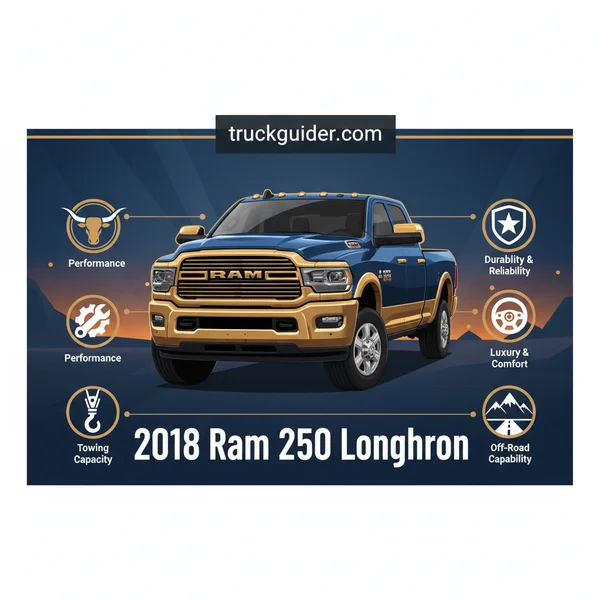
Understanding these specific capabilities matters because the 2018 model year was a “sweet spot” for mechanical reliability and interior craftsmanship. Whether you are hauling a massive horse trailer or a high-profile fifth-wheel camper, the Longhorn provides the cooling capacity, frame rigidity, and premium comfort needed for extreme duty. This guide breaks down the exact performance data and luxury amenities that set this truck apart from the competition.
Powertrain Performance: 6.7L Cummins Diesel vs. 6.4L HEMI V8
The heart of the 2018 Ram 2500 Longhorn lies in its engine choice. While the 6.4L HEMI V8 is the standard offering, the vast majority of Longhorn buyers opted for the legendary 6.7L Cummins Turbo Diesel. Your choice here dictates not just your fuel economy, but your entire towing experience, maintenance schedule, and long-term resale value.
The 6.7L Cummins Turbo Diesel Powerhouse
The I6 Cummins engine in the 2018 model is a masterclass in low-end grunt. It produces 370 horsepower and a staggering 800 lb-ft of torque at just 1,600 rpm. Unlike the 3500 model which offered a high-output version, the 2500’s Cummins is tuned specifically for the 68RFE six-speed automatic transmission. This setup provides smooth, predictable power delivery. A standout feature is the “smart” exhaust brake, which uses the variable-nozzle turbocharger to provide downhill braking. This reduces wear on your service brakes and provides immense confidence when descending steep mountain passes with a heavy load.
- Engine Type: 6.7L Inline-6 Turbo Diesel
- Torque Output: 800 lb-ft @ 1,600 rpm
- Transmission: 68RFE 6-Speed Automatic
- Standard Rear Axle: 3.42 ratio for a balance of towing and highway efficiency
- Key Advantage: Exceptional longevity and massive pulling power for heavy trailers.
The 6.4L HEMI V8 Alternative
For owners who do not plan on towing heavy loads every day, the 6.4L HEMI V8 is a robust, lower-maintenance alternative. It delivers a best-in-class 410 horsepower and 429 lb-ft of torque. It utilizes Variable Valve Timing (VVT) and Fuel Saver Technology (cylinder deactivation) to maximize efficiency during highway cruising. While it lacks the raw torque of the diesel, it offers a higher payload capacity because the engine itself is significantly lighter than the Cummins block.
- Max Towing (Cummins): Up to 17,980 lbs
- Max Towing (HEMI): Up to 15,620 lbs
- Max Payload: Up to 3,990 lbs (varies by cab and 4WD configuration)
- GVWR: Generally 10,000 lbs for the 2500 series to stay within Class 2 limits
The Ultimate 2018 Ram 2500 Longhorn Maintenance Walkthrough
Recommended Best Deal Products


The 2018 Ram 2500 Longhorn is a unique blend of heavy-duty capability and high-end luxury. To keep this powerhouse performing at its peak—whether you are towing a horse trailer or navigating a mountain pass—consistent and detailed maintenance is non-negotiable. This guide covers the essential mechanical and aesthetic upkeep specific to the Longhorn trim, focusing primarily on the 6.7L Cummins Turbo Diesel engine which is standard for most owners of this model. Following these steps ensures your truck retains its value, prevents costly repairs to the complex emissions and fuel systems, and keeps the premium leather interior looking showroom-new for years to come.
Step 1: Oil and Filter Service (The Lifeblood)
What you need: 12 quarts of 15W-40 (or 5W-40 synthetic for cold climates) heavy-duty engine oil, a high-quality oil filter (LF16035 or equivalent), a 15/16-inch socket, an oil filter wrench, and a large drain pan (15-quart capacity minimum).
Instructions: Start by warming the engine to operating temperature to ensure the oil flows easily. Position your drain pan under the oil pan plug. Using your 15/16-inch socket, loosen the drain plug and allow the 12 quarts of oil to drain completely. While draining, remove the oil filter located on the passenger side of the engine block. Pro-tip: many owners access this through the wheel well. Lubricate the gasket of the new filter with clean oil and hand-tighten it. Replace the drain plug, ensuring the copper washer is in good condition, and torque to 37 lb-ft. Finally, fill the engine with 12 quarts of oil through the filler cap on the top of the valve cover. Start the engine, check for leaks, and reset the oil life monitor via the steering wheel controls and the 7-inch EVIC display.
Pro Tip: Always use an OEM Fleetguard filter if possible. Cheap aftermarket filters may not handle the high-pressure surges of the Cummins oil pump, potentially leading to filter collapse or bypass issues.
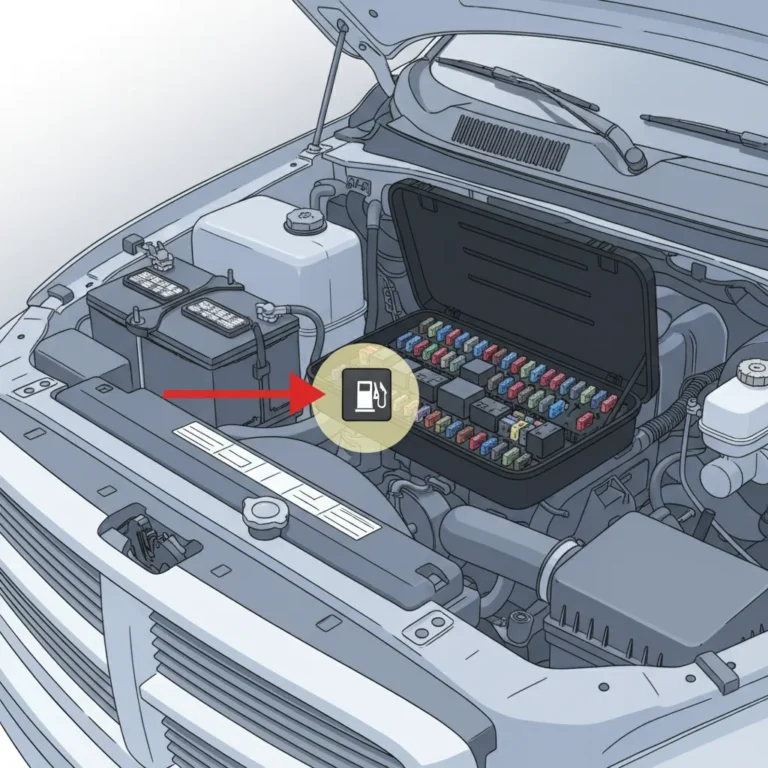
Step 2: Dual Fuel Filter Replacement
What you need: A 1-1/8 inch socket (for the rear filter), a 28mm or 1-1/8 inch socket (for the front filter), a drain hose, and a replacement filter kit (Stage 1 and Stage 2).

Audible — Listen Free for 30 Days
One free credit a month and thousands of titles included.
Listen Free for 30 DaysInstructions: The 2018 Ram 2500 uses a two-stage filtration system. First, locate the rear filter/water separator mounted to the frame near the fuel tank. Open the yellow drain valve and catch the fuel in a container. Use your socket to unscrew the housing, swap the internal element, and replace the O-ring. Second, move to the engine bay to locate the canister filter near the firewall. Drain the fuel using the attached hose, then unscrew the cap. Carefully pull the old filter out, seat the new one, and tighten the cap to 22 lb-ft. Do not over-tighten, as the plastic housing can crack. Once both are installed, turn the ignition to “Run” (without starting) for 30 seconds to prime the system. Repeat this three times to purge air before attempting to start the truck.
Pro Tip: Replace these filters every 15,000 miles or every other oil change. The Bosch high-pressure fuel pump (CP3 or CP4.2) is extremely sensitive to contaminants and water; proactive filter changes are the best insurance against a $10,000 fuel system failure.
Step 3: Cooling System and DEF Management
What you need: Refractometer or coolant test strips, OAT (Organic Additive Technology) coolant, and fresh Diesel Exhaust Fluid (DEF).
Instructions: The 2018 Ram 2500 utilizes a specific purple-colored OAT coolant. Never mix this with the older HOAT (orange) coolant, as it will cause gelling and clog the radiator. Check the coolant level in the translucent reservoir when the engine is cold. Use a refractometer to ensure the freeze point is at least -34°F. Next, monitor your DEF levels. The Longhorn features a gauge on the dash. To prevent “limp mode,” never let the DEF tank drop to empty. If you are storing the truck for winter, keep the DEF tank relatively full to prevent crystallization on the heater and pump components. Inspect the radiator fins for debris or “winter front” damage if you use a grille cover in cold climates.
Pro Tip: Only buy DEF from high-turnover locations. DEF has a shelf life of about one year, and old fluid can trigger expensive “Service DEF System” codes that require dealer intervention to clear.
Step 4: Chassis Lubrication and Front End Inspection
What you need: Grease gun with high-quality lithium-based grease and a needle nose adapter.
Instructions: Many owners overlook that the 2018 Ram 2500 4×4 has a “hidden” grease fitting on the front driveshaft’s double-cardan joint. Use a needle adapter on your grease gun to inject grease into this fitting to prevent high-speed vibrations and premature failure. While under the truck, inspect the tie rod ends, drag link, and ball joints for play. The 2018 models are known for steering wander if these components wear out. Check the steering damper for leaks. If you notice “death wobble” (violent shaking after hitting a bump), these are the components that usually require replacement. Wipe down the Zerk fittings before greasing to ensure you aren’t pumping dirt into the joints.
Pro Tip: While you’re under there, check the torque on the track bar bolts. A loose track bar is the number one cause of steering instability in the Ram heavy-duty platform.
Audible Premium Plus — Annual Membership
12 audiobook credits up front, plus the full Audible catalogue.
See Annual PlansStep 5: Transmission and Differential Fluid Check
What you need: 11/16-inch wrench (for differentials) and a clean lint-free rag.
Instructions: For the 68RFE transmission (standard) or the Aisin AS69RC (High Output), check the fluid level with the engine running at operating temperature on level ground. The fluid should be bright red and smell sweet; a burnt smell indicates internal wear. For the front and rear differentials, remove the fill plug. The fluid should be level with the bottom of the fill hole. The 2018 Longhorn uses synthetic 75W-85 or 75W-90 gear oil. If you tow heavy loads frequently, inspect these fluids every 30,000 miles. Look for metal shavings on the magnetic drain plugs, which is a sign of gear fatigue. If you have the limited-slip rear axle, ensure your replacement fluid has the necessary friction modifiers.
Pro Tip: If you have the Aisin transmission, the dipstick is located on the passenger side and has a bolt holding it in place. Don’t forget to remove this bolt before trying to pull the dipstick, or you risk breaking the handle.
Step 6: Brake System and Tire Rotation
What you need: Floor jack (4-ton minimum), jack stands, 22mm deep-well socket, and a torque wrench.
Instructions: Heavy-duty trucks put massive strain on brakes, especially during towing. Inspect the brake pads through the caliper viewing ports; if they are less than 3mm, replace them immediately. Check the rotors for heat-spotting or “blueing.” When rotating tires, follow a rear-to-front cross pattern for non-dually models. For the Longhorn’s 20-inch aluminum wheels, it is critical to use a torque wrench. Tighten the lug nuts in a star pattern to 130-140 lb-ft. Under-torquing can lead to wheel vibration, while over-torquing can warp the brake rotors or snap a stud. Check tire pressures according to the door jamb sticker—usually 60 PSI front and 80 PSI rear for maximum load capacity.
Pro Tip: Use a thin coat of anti-seize on the hub-centric ring of the axle before putting the wheels back on. These heavy aluminum wheels tend to “weld” themselves to the steel hub via corrosion, making future removal very difficult.
Step 7: Battery and Electrical System Health
What you need: Battery terminal cleaner or wire brush, baking soda/water mix, and a multimeter.
Instructions: The 2018 Ram 2500 Diesel uses two Group 94R batteries connected in parallel to provide the high cranking amps needed for the Cummins engine. If one battery fails, it will quickly “kill” the other. Inspect the terminals for corrosion (white/green powder). Clean them with a baking soda and water solution to neutralize acid. Check the voltage with the engine off; it should be around 12.6V. With the engine running, the alternator should be putting out between 13.8V and 14.4V. Pay close attention to the battery cables; the 2018 models can sometimes suffer from loose ground connections on the passenger side fender or engine block, which causes ghost electrical issues in the Uconnect system.
Pro Tip: If you need to replace batteries, always replace both at the same time. Installing one new battery with one old battery will cause the new battery to overwork and fail prematurely.
Step 8: Longhorn Interior Leather and Wood Care
What you need: High-quality leather cleaner and conditioner (specifically for semi-aniline leather) and a microfiber cloth.
Instructions: The Longhorn trim features premium Natura Plus or Cattle Tan leather and real wood accents. Unlike the base vinyl seats, this leather is porous and can dry out or crack if neglected. First, vacuum all debris from the seams to prevent abrasion. Apply a small amount of leather cleaner to a microfiber towel—not directly to the seat—and gently wipe the surfaces. Follow up with a conditioner designed for high-end automotive leather. This maintains the “saddle leather” feel and prevents the sun from bleaching the hide. For the wood trim, use a damp cloth to remove dust and a dedicated wood polish to maintain the matte or gloss finish. Avoid using harsh chemicals or “all-purpose” cleaners, which can strip the natural oils from the leather.
Pro Tip: Pay extra attention to the driver’s side bolster where you slide in and out of the truck. This is the highest-wear area. Applying extra conditioner here twice a year will prevent the leather from cracking at the flex points.
✅ Final Checklist
- Oil level verified on dipstick and oil life monitor reset in the EVIC menu.
- Fuel system primed and engine started without long cranking or stumbling.
- Coolant and DEF levels topped off with correct specification fluids (OAT Purple).
- All grease points (including the hidden front driveshaft zerk) lubricated.
- Lug nuts torqued to 130-140 lb-ft and tire pressures set to door placard specs.
- Leather interior treated and protected against UV damage and cracking.
Important Notes:
- Safety: Never work under a truck supported only by a jack; always use 4-ton or higher rated jack stands.
- Professional Help: If you see a “Service Exhaust System” or “See Dealer” message regarding the DPF/SCR system, do not ignore it. These systems are highly complex and require specialized diagnostic tools.
- Estimated Time: A full service (oil, fuel filters, grease) typically takes 2 to 3 hours for a DIYer.
- Cost Range: Expect to spend $250 – $400 on high-quality fluids and filters if doing the work yourself.
Southwestern Luxury: Defining the Laramie Longhorn Interior Experience
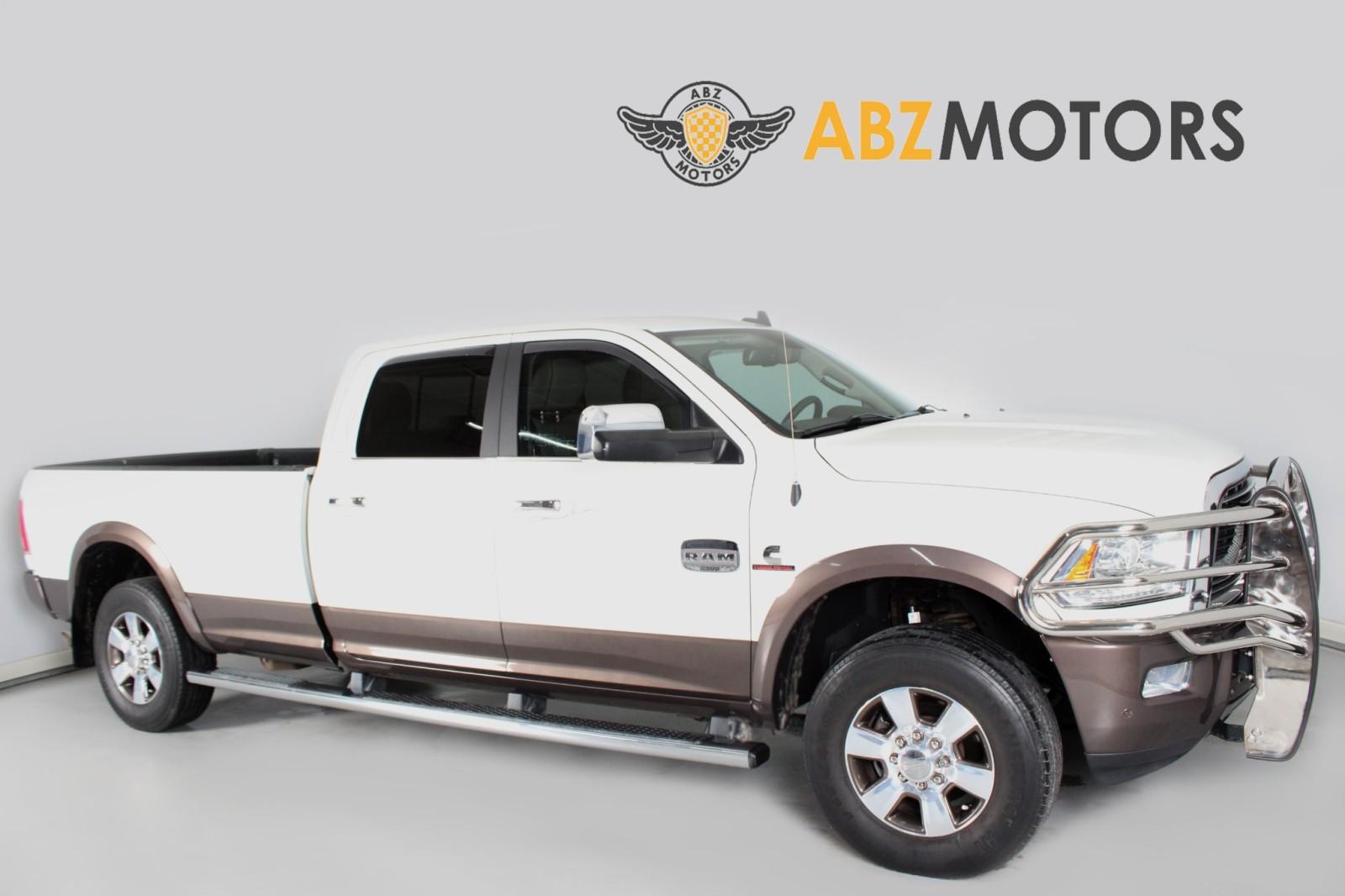
The Laramie Longhorn is not just another trim level; it is a dedicated aesthetic theme. While the Laramie offers standard leather and the Limited offers a modern “tuxedo” black-and-chrome look, the Longhorn focuses on high-contrast “Cattle Tan” and “Mountain Brown” hues. It utilizes authentic materials that make the cabin feel more like a high-end ranch house than a commercial truck.
Cattle-Tan Leather and Laser-Etched Filigree
The defining feature of the 2018 Longhorn is the quality of its hide. Ram uses premium Natura Plus leather that covers the seats, dashboard, and door panels. A unique feature of this year’s Longhorn is the optional laser-etched filigree on the seat bolsters, which mimics the look of a custom-tooled western saddle. This attention to detail extends to the seatback pockets, which are secured with actual metal buckles rather than cheap plastic snaps or elastic.
- Real Wood Accents: The interior features European Burl Walnut or authentic “barn-wood” accents with a matte finish.
- Jewelry-Inspired Gauges: The gauge cluster features a liquid-chrome finish with a font style inspired by antique pocket watches.
- Comfort Features: Standard heated and ventilated front bucket seats with memory settings for the driver.
Differentiating Longhorn from Laramie and Limited
The Longhorn sits above the Laramie in the hierarchy but offers a warmer, more traditional vibe than the monochromatic Limited. Inside, you will find leather-wrapped grab handles and unique Longhorn branding burnt into the wood accents. For 2018, this trim also comes standard with the 8.4-inch Uconnect 4C NAV system. This was the first year Ram fully integrated Apple CarPlay and Android Auto into this generation, ensuring that despite the “old world” aesthetic, your technology remains fully modern. You get high-resolution mapping, a 4G LTE Wi-Fi hotspot, and a premium 10-speaker Alpine audio system with a subwoofer as standard equipment.
Heavy-Duty Capability: Towing, Payload, and Suspension Technology
Recommended Best Deal Products


The 2018 Ram 2500 Longhorn isn’t just a luxury suite on wheels; it is a workhorse designed to handle massive loads without breaking a sweat. Whether you are pulling a horse trailer or a large fifth-wheel camper, this truck provides the mechanical confidence needed for long-distance hauls. When equipped with the legendary 6.7L Cummins Turbo Diesel, the Longhorn reaches a maximum towing capacity of approximately 17,980 pounds. Even with the 6.4L HEMI V8, you are looking at a stout 16,320 pounds, ensuring you never have to leave the heavy gear behind.
Hauling Power and Real-World Ratings
Payload capacity is equally impressive, typically hovering around 3,000 to 3,990 pounds depending on your specific cab and engine configuration. For owners who frequently max out their bed capacity, the Longhorn often features the Fifth-Wheel/Gooseneck Towing Prep Group. This factory-installed solution provides the necessary structural reinforcement and integrated bed connectors, making it incredibly easy to switch between daily driving and heavy-duty transport. Here are some key capability highlights:
- Integrated Trailer Brake Controller: Allows for seamless braking synchronization between the truck and the trailer.
- Tow/Haul Mode: Adjusts transmission shift points to optimize engine braking and power delivery under load.
- Class V Receiver Hitch: Standard equipment that ensures you are ready for heavy bumper-pull tasks from day one.
The Rear Auto-Level Air Suspension Advantage
One of the standout features of the 2018 model is the optional Rear Auto-Level Air Suspension. Unlike traditional leaf springs that can sag under pressure, this system uses air bags to maintain a level ride height regardless of the load. This technology significantly improves steering control and headlight aim while towing. For Longhorn owners, this means you can enjoy a plush, luxury ride during the week and a perfectly balanced, stable platform when the weekend chores begin.
Ownership Guide: Maintenance Costs, Reliability, and Tech Features
Owning a 2018 Ram 2500 Longhorn is a rewarding experience, but it requires a commitment to proper upkeep to ensure longevity. Because this truck is built with heavy-duty components, maintenance can be slightly more expensive than a standard half-ton pickup, especially if you opt for the diesel variant. However, the reliability of the Cummins engine and the heavy-duty 66RFE or 68RFE transmissions is well-documented among high-mileage enthusiasts, often reaching several hundred thousand miles with consistent care.
Maintaining the Longhorn Legacy
If you choose the diesel engine, keep in mind that you will need to manage Diesel Exhaust Fluid (DEF) levels and perform more frequent fuel filter changes. It is a best practice to replace both the primary and secondary fuel filters every 15,000 miles to protect the high-pressure fuel system. For the HEMI gas engines, spark plug intervals are longer, but regular oil changes remain critical. Pro tip: Always check the front-end ball joints and track bar during your annual inspection, as these are common wear points on heavy-duty Rams.
- Fuel Filter Maintenance: Essential for diesel longevity to prevent injector clogging.
- Brake Inspections: Heavy towing puts extra stress on rotors; check them every 20,000 miles.
- Transmission Fluid: Should be serviced more frequently if you are regularly towing at the limit.
Tech and Safety Features for the Modern Driver
The 2018 Longhorn is packed with the Uconnect 8.4-inch touchscreen system, which remains one of the most intuitive interfaces in the industry. It supports Apple CarPlay and Android Auto, allowing you to stay connected even in remote locations. Safety is bolstered by the ParkView Rear Back-Up Camera and ParkSense Front and Rear Park Assist, which are vital for maneuvering a truck of this size in tight parking lots or busy job sites. Inside, the premium Alpine nine-speaker audio system with a subwoofer ensures that your favorite tunes sound crystal clear, even over the rumble of the engine.
Conclusion
The 2018 Ram 2500 Longhorn represents a perfect intersection of brute strength and refined elegance. With its class-leading interior materials, impressive towing statistics, and advanced air suspension technology, it serves as both a reliable partner at the job site and a sophisticated vehicle for family road trips. While maintenance costs are slightly higher than light-duty trucks, the durability and resale value of the Longhorn trim make it a smart long-term investment for anyone needing serious capability.
If you are ready to experience the power and luxury of a heavy-duty legend, your next step is to locate a well-maintained model and verify its service history. Be sure to check for the Rear Auto-Level Air Suspension and the Cummins engine to get the ultimate Longhorn experience. Start your search today and elevate your driving experience to a whole new level of luxury!
💬 Quick Questions & Answers
What is the maximum towing capacity of the 2018 Ram 2500 Longhorn?
When properly equipped with the 6.7L Cummins Diesel, it can tow up to 17,980 lbs.
Does the 2018 Longhorn support Apple CarPlay?
Yes, the 2018 model year introduced the Uconnect 4C system which includes Apple CarPlay and Android Auto.
What makes the Longhorn interior different from the Laramie?
The Longhorn features premium mountain-brown leather with laser-etched filigree, real wood trim, and unique branding.
Which engine is better for hauling heavy weight in the bed?
The 6.4L HEMI V8 offers a higher payload capacity of up to 3,990 lbs compared to the diesel.
Is air suspension available on this model?
Yes, an optional rear auto-level air suspension was available to maintain a level ride under load.
❓ Frequently Asked Questions
How does the 2018 Ram 2500 Longhorn differ from the Limited trim?
The Longhorn focuses on a ‘Western’ aesthetic with brown filigree leather and wood, while the Limited offers a modern, chrome-heavy look with black or indigo leather and no filigree.
What are the common maintenance concerns for the 6.7L Cummins engine?
Owners should prioritize Diesel Exhaust Fluid (DEF) management and fuel filter changes every 15,000 miles to prevent fuel system contamination or EGR clogging.
What is the fuel economy for the 2018 Ram 2500 Longhorn?
Heavy-duty trucks aren’t EPA-rated, but diesel owners typically see 14-18 MPG, while the 6.4L HEMI V8 usually averages 11-15 MPG depending on load.
Does the 2018 Longhorn have advanced driver assistance features?
The 2018 model lacks modern features like adaptive cruise control or automatic emergency braking, which were introduced in the 2019 redesign.
Is the 68RFE transmission reliable for heavy towing?
The 68RFE is reliable for most users, but those frequently towing at the max weight limit may find it less robust than the Aisin transmission found in 3500 models.
What bed lengths are available with the Laramie Longhorn trim?
The Longhorn is typically paired with the Crew Cab and is available with either a 6’4″ standard bed or an 8′ long bed.