
Ram 1500 Rear Bumper Replacement: A Technical: Step-by-Step Guide [2026]

The rear bumper of a Ram 1500 serves as the primary line of defense for your truck’s chassis and the structural foundation for its towing capabilities. Whether resulting from a low-speed collision or the inevitable progression of oxidation, a compromised rear bumper undermines both the aesthetic value and the safety rating of your vehicle. In this guide, you will learn the professional standards for selecting a reliable replacement, the technical steps for a precise installation, and the expert methods for recalibrating integrated sensors. This comprehensive walkthrough is designed for owners and technicians who prioritize quality and safety above all else, providing a complete roadmap to a professional-grade restoration.


Assessing the Structural Integrity and Quality of Your Ram 1500 Bumper
📤 Share Image
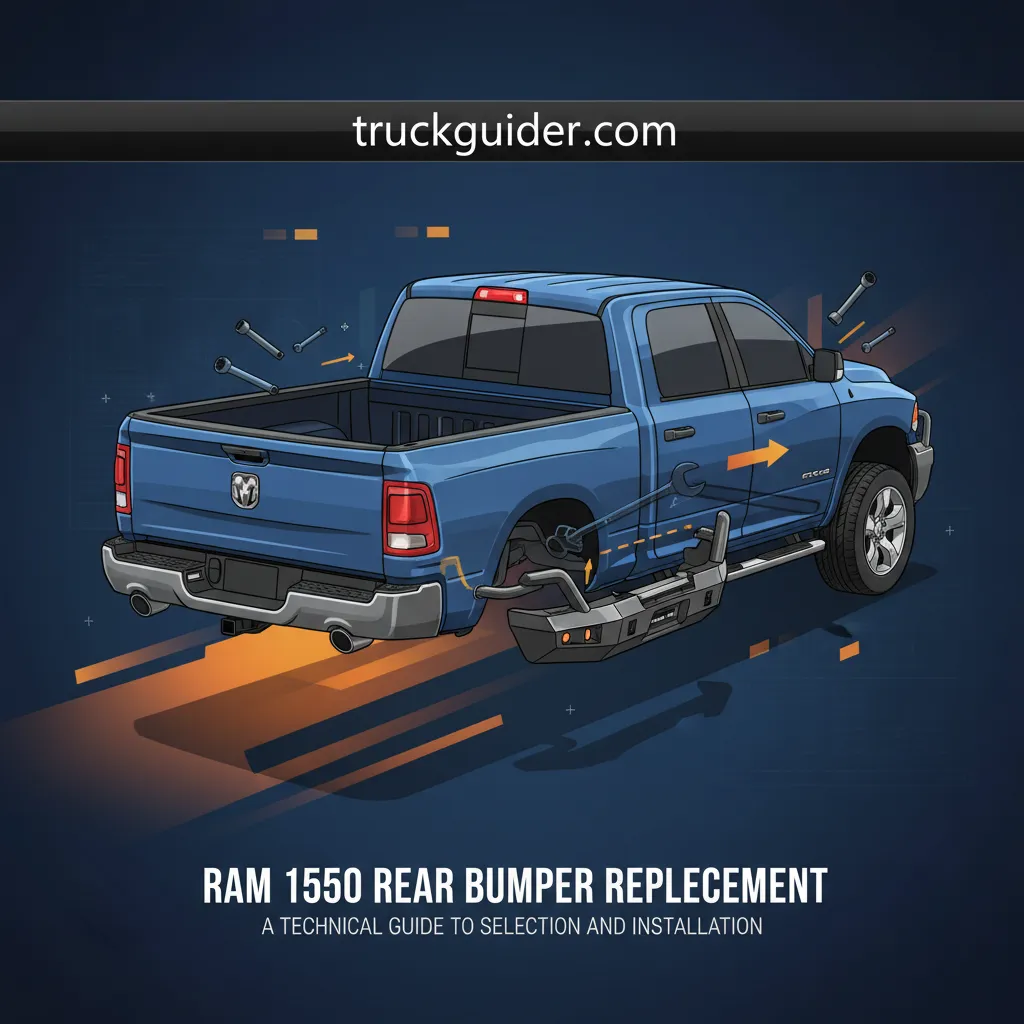
Before purchasing parts, a comprehensive diagnostic of the existing unit is mandatory. You must distinguish between superficial blemishes and structural failures that could lead to catastrophic hitch failure. While minor surface abrasions on a chrome bumper are purely aesthetic, deep structural fatigue or deformation of the frame mounting points demands an immediate professional swap. In many cases, the external plastic or chrome shell masks significant damage to the inner reinforcement bar.
Corrosion and Material Fatigue
In “salt-belt” regions, the 10-gauge steel components used in Ram bumpers are susceptible to accelerated oxidation. Rust often begins at the weld points for the safety chain loops or the mounting brackets. Once oxidation penetrates the core of the metal, the structural integrity is lost. This is particularly dangerous for trucks used for heavy hauling. For example, if a Class IV hitch receiver is bent even 5 degrees, it can no longer safely support its 12,750-lb towing rating. The uneven stress distribution creates a high risk of metal shearing under load.
Sensor and ADAS Functionality
Modern Ram 1500s rely on the ParkSense® ultrasonic sensor array. Any impact that deforms the sensor housing can lead to Advanced Driver Assistance System (ADAS) failure. Diagnostic codes may not always trigger immediately; however, a misaligned sensor can create blind spots or “ghost” detections. If the bumper reinforcement bar has reached its yield strength limit—meaning it has permanently deformed—the energy absorption capabilities for future impacts are effectively zero.
By The Numbers
Hidden Bracket Damage after Rear Impacts
Hitch Deviation Requiring Replacement

Selecting Reliable Aftermarket or OEM Replacement Components
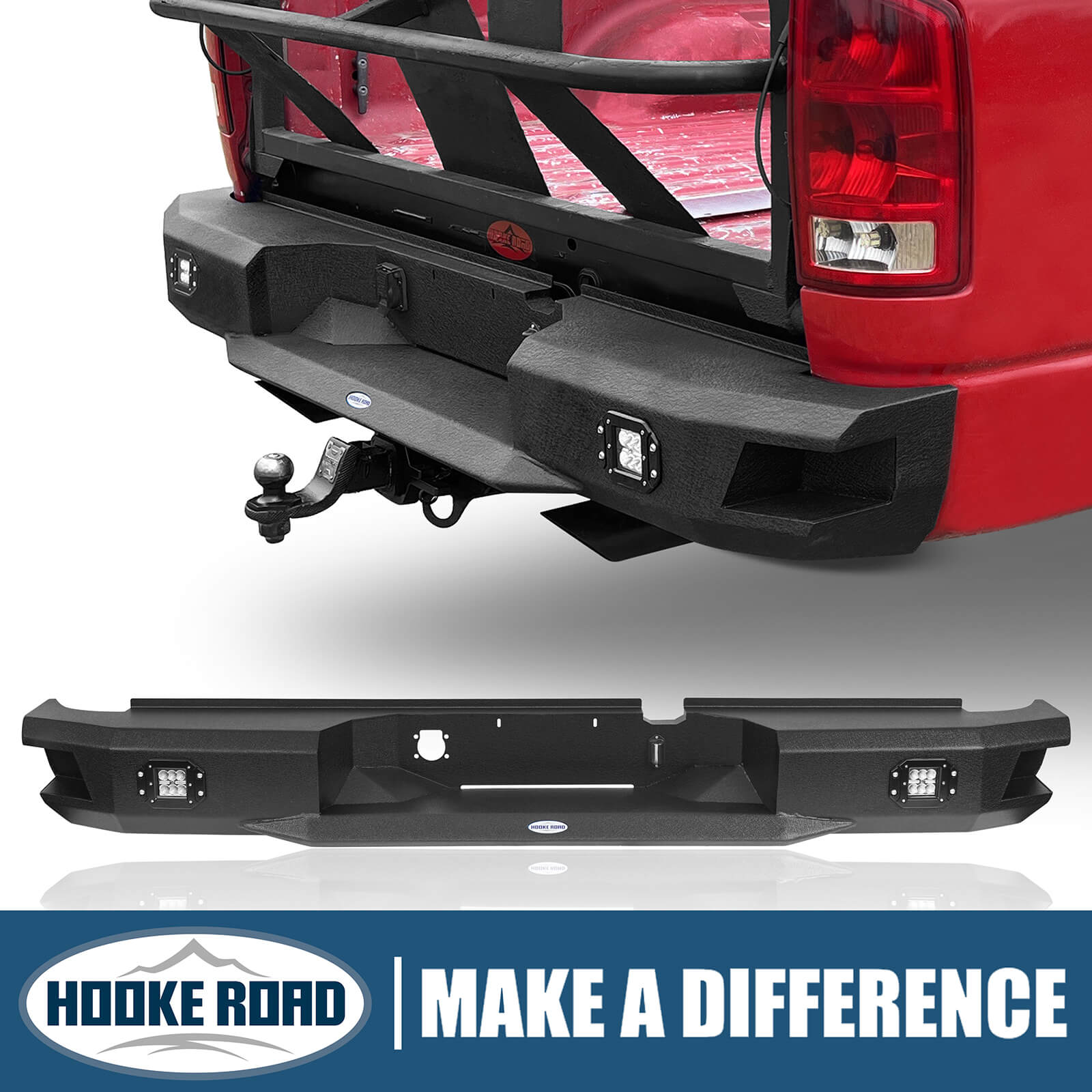
Selecting the right replacement involves balancing cost against durability and utility. A trusted expert understands that while OEM (Mopar) parts offer a guaranteed fit, high-quality aftermarket options often provide superior protection for work-site or off-road applications. You must verify that your replacement choice matches your specific Ram trim level, particularly regarding exhaust configurations.
Material and Finish Standards
Standard factory bumper shells typically utilize 1/8-inch steel. If you are upgrading for durability, look for professional-grade 3/16-inch plate steel. This increase in thickness significantly boosts the bumper’s ability to resist deformation. Furthermore, the finish is vital for longevity. While triple-nickel chrome plating offers a classic aesthetic, a high-durability textured powder coating is often more reliable for harsh environments. Professional e-coated steel bumpers provide 2x the salt-spray resistance compared to non-coated budget alternatives, making them the quality choice for longevity.
Exhaust and Trim Compatibility
Ram 1500 configurations vary wildly. A Big Horn bumper with dual-exhaust cutouts is not interchangeable with a Tradesman bumper designed for a single-exit down-turned exhaust. Always verify your VIN-specific trim. For heavy-duty utility, trusted brands like Ranch Hand offer the Legend Series, which replaces the entire factory hitch assembly with a unified steel structure, whereas standard replacements usually bolt onto the existing factory hitch framework.
Expert Tool Requirements and Preliminary Safety Protocols
Executing a professional bumper replacement requires more than a basic socket set. The weight of these assemblies, especially heavy-duty aftermarket variants which can exceed 80 lbs, necessitates a cautious approach. You must ensure you have a stable workspace and the correct mechanical advantage to prevent injury or damage to the truck’s body panels.


Essential Mechanical Tools
- 15mm & 18mm deep-well sockets
- 1/2″ drive impact wrench and extensions
- Calibrated torque wrench (up to 100 ft-lbs)
- Non-marring nylon trim removal tools
Safety & Electrical
- Padded jack stands or a helper technician
- Dielectric grease for sensor connectors
- Mechanic’s gloves and eye protection
- Terminal disconnect tool for battery
Safety Protocols and Preparation
Begin by disconnecting the negative battery terminal to protect the sensitive CAN-bus system. Safely unseat the 7-pin/4-pin trailer wiring harness from the rear of the bumper. To protect the delicate plastic retainers of the ParkSense sensors, use a non-marring pry tool when releasing the license plate light housings. This prevents unsightly scratches on new paint or the breakage of fragile clips that lead to rattling. The factory torque specification for Ram 1500 rear bumper-to-frame bolts is typically between 65 and 85 ft-lbs; ensure your tools are capable of meeting these precise standards.
Professional Removal and Installation Procedures for the Ram 1500
📋
Step-by-Step Installation Guide
Locate the main wiring loom near the spare tire carrier. Disconnect the master plug that feeds the sensors and license plate lights to prevent tension damage during removal.
Remove the bolts hidden behind the license plate. Support the bumper with jack stands, then remove the main 18mm frame bolts from the bumper brackets.
Carefully swap sensors into the new bumper. Ensure the 180-degree field of view orientation is maintained; improper rotation leads to “Service ParkSense” errors.
Hoist the new unit. Hand-tighten all bolts first. Align the gaps between the tailgate and bumper top for a factory-level finish before final torquing to 75 ft-lbs.
Critical Alignment Check
One often overlooked step is the “tailgate drop” clearance check. Before fully tightening the frame bolts, lower the tailgate slowly. Ensure there is a minimum of 1/2-inch clearance between the bottom of the tailgate and the top of the bumper step pad. If the bumper is seated too high, the tailgate will impact the bumper when lowered, causing permanent paint damage to both components. Use the slotted mounting holes on the bumper brackets to adjust the pitch and height as necessary.
Never force a sensor into a tight housing. Aftermarket powder coating can sometimes build up in sensor holes. Use a round file to gently clear excess coating until the sensor snaps in without excessive pressure, or you risk cracking the ultrasonic transducer.
Post-Installation Quality Inspection and Sensor Calibration
The physical installation is only 90% of the job. To ensure the truck is safe and fully functional, you must validate all electronic integrations. The Ram 1500’s CAN-bus system is notoriously sensitive to voltage changes and resistance differences. Expert installers know that ensuring all connections are dielectric-greased prevents 90% of sensor communication failures that plague DIY installations.


Electrical and Lighting Validation
Use a 7-pin trailer tester to verify that the replacement process didn’t blow the fuse for the auxiliary power circuit. Test the license plate illumination and the backup camera. If the camera is integrated into the tailgate handle, verify the field of view has not been obstructed by the new bumper’s height. Additionally, inspect all ground wires. A poor ground on a bumper mount can lead to flickering LEDs in aftermarket lighting setups or intermittent sensor drops.
ParkSense “Walk-Around” Test
Conduct a manual “walk-around” test to ensure all 4-6 sensors detect obstacles at varying distances. Have an assistant watch the Uconnect display while you move behind the truck. If a “Service ParkSense” message appears, it usually indicates a sensor was installed 180 degrees out of phase or the harness connector is not fully seated. Professional recalibration is rarely needed if the sensors are returned to their original positions and orientations.
To prevent UV degradation and rust on powder-coated bumpers, apply a high-quality automotive wax or ceramic coating annually. Pay special attention to the areas where the bumper meets the frame, as road debris often collects there and traps moisture.
Conclusion
Completing a Ram 1500 rear bumper replacement requires a disciplined approach to both mechanical assembly and electronic integration. Assessment of structural versus cosmetic damage is critical before choosing a replacement component to ensure towing safety. High-quality materials like powder-coated 10-gauge steel offer the best protection and longevity, especially in corrosive environments. Finally, precise installation and meticulous sensor recalibration are essential to maintain the truck’s advanced safety features and factory aesthetic. If you are unsure about the structural integrity of your frame mounts or the complexity of the sensor array, consult with a certified technician before finalizing your Ram 1500 rear bumper replacement.
Frequently Asked Questions
Can I replace my Ram 1500 rear bumper myself, or do I need a professional?
A DIY replacement is feasible for those with mechanical experience and a robust tool kit. However, because the assembly weighs between 50 and 100 lbs and involves the ParkSense® electronic array, having a second person or seeking professional assistance is recommended to ensure proper alignment and system recalibration.
Will an aftermarket bumper interfere with my Ram’s towing capacity?
Most high-quality aftermarket bumpers are designed to work with the existing factory hitch receiver. However, some heavy-duty bumpers feature integrated hitch plates. Always verify that the bumper’s Gross Trailer Weight (GTW) and Tongue Weight (TW) ratings meet or exceed your Ram 1500’s original specifications to maintain safe towing standards.
How do I know if I need to replace the bumper sensors too?
If your dashboard displays a ‘Service ParkSense’ message or if the sensors show visible cracks in the outer casing, they likely require replacement. Even if they appear intact, they must be tested for continuity. Trusted technicians recommend testing the sensors before installing the new bumper to avoid redundant labor.


What is the difference between a ‘Step Bumper’ and a ‘Face Bar’?
In the context of the Ram 1500, the face bar is the outer metal skin (chrome or painted), while the step bumper usually refers to the entire assembly, including the plastic step pad, internal reinforcement, and mounting brackets. For collision repair, you may only need the face bar if the internal structure is undamaged.
How do I prevent my new chrome bumper from rusting?
Reliable protection starts with regular cleaning to remove road salt and debris. Applying a professional-grade automotive wax or a ceramic coating specifically designed for metal can create a hydrophobic barrier. For those in harsh climates, ensuring the backside of the bumper is treated with a corrosion inhibitor is an expert-level preventative measure.
![2012 Ram 1500 5.7 Oil Capacity & Type: Specs & Fitment Guide [2026]](https://truckguider.com/wp-content/uploads/2026/03/2012-ram-1500-5-7-oil-capacity-featured.webp)
![2013 Ram 1500 Oil Type [2026]](https://truckguider.com/wp-content/uploads/2026/03/featured-21030e95-768x768.webp)