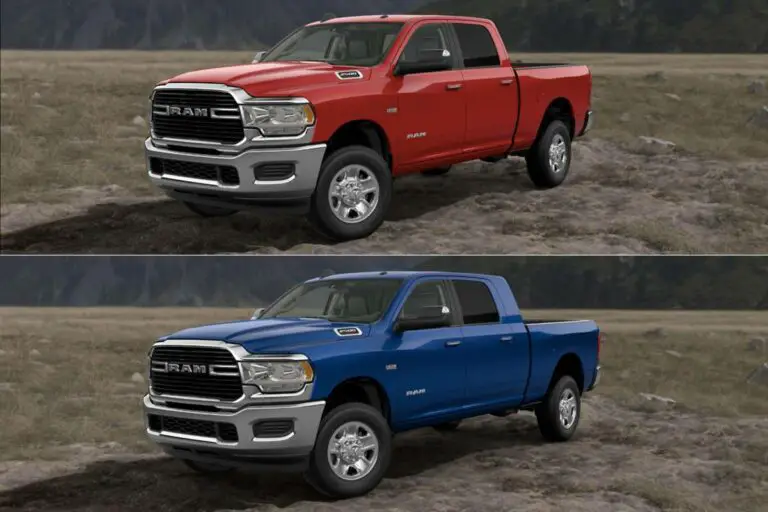
2001 Dodge Ram 1500 Oil Type, Capacity, and: Full Specs & Data [2026]

The recommended oil for a 2001 Dodge Ram 1500 is SAE 10W-30 for standard operation, while 5W-30 is preferred for cold weather environments. All three engine options—the 3.9L V6, 5.2L V8, and 5.9L V8—feature a total oil capacity of 5.0 quarts including the filter change.
🎯 Key Takeaways
- Use SAE 10W-30 for standard climates and 5W-30 for winter temperatures.
- The 3.9L, 5.2L, and 5.9L engines all require 5 quarts of oil.
- High-mileage synthetic blends help prevent leaks in aging 2nd Gen Ram engines.
- The standard oil filter for these models is the Mopar MO-090 or equivalent.
- Tighten the oil drain plug to 25 ft-lbs to prevent oil pan damage.
For your 2001 Dodge Ram 1500, the manufacturer-recommended oil viscosity for all three engine options—the 3.9L V6, 5.2L V8, and 5.9L V8—is SAE 10W-30. If you drive in regions where temperatures frequently drop below freezing, you should use 5W-30 to ensure the oil flows quickly enough to protect the engine during cold starts. Regarding capacity, the 3.9L V6 requires 4.0 quarts, while both the 5.2L and 5.9L V8 engines require 5.0 quarts when replacing the oil filter.


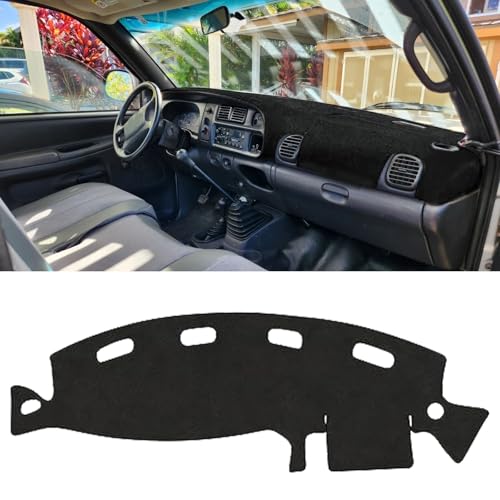
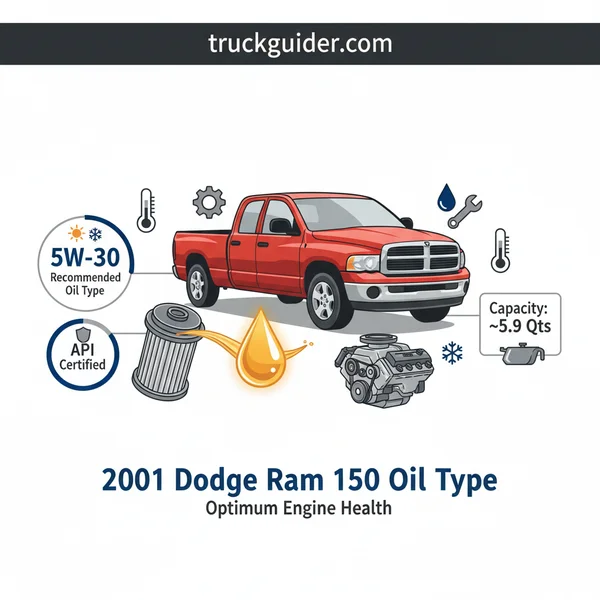
Following these specific specs is vital for the long-term health of your truck. The “Magnum” series engines used in the 2001 model year feature a flat-tappet camshaft design and specific internal clearances that are sensitive to oil pressure. Using an oil that is too thin can lead to premature bearing wear, while oil that is too thick may not reach the upper valve train quickly enough on chilly mornings. Maintaining the correct levels prevents oil starvation during steep climbs or when hauling heavy loads.
Oil Viscosity and Specifications by Engine Type
While the 2001 Dodge Ram 1500 offered three different engine sizes, they all belong to the same Chrysler Magnum engine family. This means their lubrication requirements are very consistent across the board. Whether you have the fuel-efficient V6 or the heavy-hitting 5.9L V8, you are looking for oil that meets API Service SJ or higher standards. Modern oils (API SN or SP) are backward compatible and work perfectly in these older engines.

3.9L V6 Magnum Lubrication Specs
The 3.9L V6 is essentially a 5.2L V8 with two cylinders removed. Because it shares the same internal architecture, it uses the same oil weight but has a smaller total volume. If you are doing a standard oil and filter change, you will need to have four quarts on hand. Using a high-quality 10W-30 will ensure the hydraulic lifters remain quiet and functional.
- Preferred Viscosity: SAE 10W-30
- Cold Weather Viscosity (Below 32°F): SAE 5W-30
- Oil Capacity: 4.0 Quarts (3.8 Liters)
- Oil Filter Type: Spin-on (Mopar MO-090 or equivalent)
5.2L (318) and 5.9L (360) V8 Magnum Lubrication Specs
The 5.2L and 5.9L V8 engines are the workhorses of the 2001 Ram 1500 lineup. Despite the difference in displacement, their oiling systems are identical in capacity. Both engines utilize a 5-quart system. It is important to note that if you use an oversized oil filter (a common modification for these trucks), you may need to add an additional 0.5 quarts to reach the “Full” mark on your dipstick.
- Preferred Viscosity: SAE 10W-30
- Alternative Viscosity: SAE 5W-30 (for winter use)
- Oil Capacity: 5.0 Quarts (4.7 Liters)
- Oil Filter Type: Spin-on (Mopar MO-090, Fram PH8A, or Wix 51515)
2001 Dodge Ram 1500 Oil Maintenance Made Easy: Your Essential Action Plan
The 2001 Dodge Ram 1500, the final year of the beloved second-generation body style, is a legendary workhorse known for its robust Magnum engines. Whether you are running the 3.9L V6, the 5.2L V8, or the powerhouse 5.9L V8, maintaining the engine’s internal health through regular oil changes is the single most important task you can perform. This guide covers everything from selecting the correct 5W-30 oil type to the physical process of draining and refilling your system. Following these steps ensures your high-mileage truck continues to provide the torque and reliability you’ve come to expect while preventing costly internal engine wear and sludge buildup.
Step 1: Verify Oil Type and Gather Supplies
What you need: 5 quarts of 5W-30 motor oil (conventional or high-mileage synthetic blend), a new oil filter (Mopar MO-090 or equivalent like Wix 51085), a 5/8-inch wrench or socket, and an oil filter wrench.
Instructions: For the 2001 Dodge Ram 1500 equipped with the 3.9L, 5.2L, or 5.9L gas engines, the manufacturer specifies 5W-30 viscosity oil. While the owner’s manual originally suggested 10W-30 for warmer climates, modern 5W-30 provides superior flow during cold starts while maintaining the necessary protection at operating temperatures. If your truck has over 100,000 miles, consider a “High Mileage” oil variant, which contains seal conditioners to help prevent the common oil pan gasket leaks these trucks are known for. Ensure you have exactly 5 quarts on hand, as this is the standard capacity including the filter for all three major gas engine options.
Pro Tip: Always double-check your oil filter compatibility at the store. The 2001 Ram engines use a 3/4-16 thread; using the wrong filter can lead to a catastrophic blow-out under pressure.
Step 2: Prepare the Vehicle and Warm the Engine
What you need: Level ground, wheel chocks, and your ignition key.
Instructions: Park your Ram 1500 on a flat, level surface to ensure an accurate oil level reading later and to allow the oil to drain completely. Engage the parking brake and place chocks behind the rear tires. Start the engine and let it idle for about 5 to 10 minutes. You want the oil to be warm to the touch, not scalding hot. Warming the oil reduces its viscosity, allowing it to flow out of the oil pan more quickly and carry away more suspended contaminants and metal shavings that have settled at the bottom. Once warm, shut off the engine and pop the hood to relieve any vacuum pressure by loosening the oil fill cap on the passenger side valve cover.
Pro Tip: Never perform an oil change immediately after a long highway haul; the oil can reach temperatures over 200 degrees Fahrenheit, which can cause severe skin burns upon contact.
Step 3: Locate and Remove the Drain Plug
What you need: 5/8-inch socket or box-end wrench, a drain pan (at least 6-quart capacity), and nitrile gloves.
Instructions: Slide under the front of the truck. The oil pan is located directly behind the front axle. On the 2001 Magnum engines, the drain plug is situated on the rearward-facing side of the pan. Position your drain pan slightly behind the plug to account for the initial “arc” of the oil flow. Using your 5/8-inch wrench, turn the plug counter-clockwise. Once it is loose enough to turn by hand, apply slight inward pressure while unscrewing it to prevent oil from leaking onto your hands. Quickly pull the plug away as the last thread releases. Let the oil drain until it slows to a very thin, intermittent drip, which usually takes about 10 to 15 minutes.
Pro Tip: Inspect the drain plug’s built-in rubber gasket. If it appears flattened, cracked, or perished, replace the entire plug or the washer to prevent “nuisance drips” on your driveway.


Step 4: Remove the Old Oil Filter
What you need: Oil filter wrench, shop rags, and the drain pan.
Instructions: The oil filter on the 2001 Dodge Ram is located on the passenger side of the engine block, pointing slightly downward. It is notorious for being in a tight spot near the frame rail. Move your drain pan underneath the filter area. Use your filter wrench to loosen the filter by turning it counter-clockwise. Once loose, unscrew it by hand slowly. Be prepared: as the seal breaks, oil will run down the side of the filter and the engine block. Once the filter is removed, use a clean shop rag to wipe the mounting plate on the engine block. Ensure the old rubber “O-ring” gasket did not stick to the engine; if it did, the new filter will not seal properly, leading to a massive leak.
Pro Tip: This specific engine design often spills oil onto the front axle or starter. Keep extra rags handy to wipe these components down immediately to prevent smoking smells or premature starter failure.
Step 5: Install the New Oil Filter
What you need: New oil filter and a small amount of clean 5W-30 oil.
Instructions: Before installing the new filter, dip your finger into a bottle of clean oil and spread a thin film over the new filter’s rubber gasket. This “pre-lubing” ensures the gasket slides into place without binding or pinching and makes it much easier to remove during your next service. Some DIYers prefer to “pre-fill” the filter with oil to reduce the time the engine runs “dry” upon startup, though on the Ram’s angled mount, this can be messy. Thread the filter onto the engine stud by hand, turning clockwise. Once the gasket makes contact with the base plate, tighten it exactly three-quarters to one full turn. Do not use a wrench to tighten the filter, as over-tightening can crush the gasket or strip the threads.
Pro Tip: Write the date and current mileage on the side of the filter with a permanent marker. This provides a quick visual reference for when your next service is due.
Step 6: Replace the Drain Plug and Refill
What you need: 5/8-inch wrench, a funnel, and 5 quarts of 5W-30 oil.
Instructions: Wipe the drain plug area on the oil pan clean of any residue. Reinstall the drain plug by hand to avoid cross-threading, then tighten it with your 5/8-inch wrench. You want it snug—approximately 25 ft-lbs of torque—but do not over-torque it, as the oil pan is made of stamped steel and the threads can be damaged. Move to the top of the engine and place a funnel into the oil fill hole on the passenger side valve cover. Slowly pour in 5 quarts of your chosen 5W-30 oil. Pouring too quickly can cause the oil to back up in the narrow fill neck. Once finished, replace the oil fill cap securely.
Pro Tip: If you are using a 5-quart “jug” instead of individual quarts, turn the jug sideways while pouring. This prevents the “glugging” motion and allows for a much smoother, controlled flow.
Step 7: Check Levels and Test for Leaks
What you need: The vehicle’s dipstick and a clean paper towel.
Instructions: Start the engine and let it run for about two minutes. While it is running, look under the truck with a flashlight to ensure there is no oil dripping from the drain plug or the oil filter. Shut the engine off and wait about five minutes to allow the oil to drain back into the pan. Pull the oil dipstick (located on the driver’s side of the engine), wipe it clean, reinsert it fully, and pull it out again. The oil level should be exactly at the “Full” or “Safe” mark. If it is slightly low, add the remaining oil from your containers in small increments. Check one last time to ensure the oil fill cap and dipstick are fully seated before closing the hood.
Pro Tip: New oil is very clear and can be hard to see on the dipstick. Tilt the dipstick in the sunlight to see the “glisten” of the oil against the metal to get an accurate reading.
✅ Final Checklist
- Confirm that the oil drain plug is tightened to approximately 25 ft-lbs and shows no signs of weeping.
- Verify the oil filter is hand-tight and the old gasket was definitely removed from the engine block.
- Check that the dipstick reading is within the “Safe” zone after the engine has been run and turned off.
- Ensure the oil fill cap is tightened and the dipstick is pushed all the way back into its tube.
- Dispose of the used oil and filter at a local auto parts store or recycling center.
Important Notes:
- Safety: Always wear eye protection and gloves. Used motor oil is a known carcinogen and can cause skin irritation.
- When to seek help: If you notice heavy metallic flakes in the drained oil or if the drain plug feels “stripped” (spins without tightening), consult a professional mechanic immediately.
- Estimated Time: 30 to 45 minutes.
- Estimated Cost: $35–$60 depending on whether you choose conventional or full synthetic oil.
Comparing Conventional, Synthetic, and High-Mileage Oil Options
Most 2001 Dodge Rams on the road today have likely surpassed the 150,000-mile mark. At this stage in the truck’s life, the type of oil you choose is just as important as the viscosity. While conventional oil was the factory fill in 2001, modern oil technology offers significantly better protection for aging metal and weary gaskets.
The Importance of High-Mileage Formulations
For a high-mileage Magnum engine, a dedicated High-Mileage 10W-30 is usually the best overall choice. These oils are specifically engineered with seal conditioners. Over twenty years, the rubber seals in your engine—specifically the rear main seal and the timing cover gasket—become brittle and shrink. Seal conditioners help to slightly swell and soften these gaskets, which can stop or slow minor oil leaks that often plague the 2nd Gen Ram. Additionally, these oils often contain extra anti-wear additives like zinc (ZDDP) and phosphorus to protect the camshaft and lifters.


Full Synthetic vs. Synthetic Blends
You may be tempted to switch to a full synthetic oil for better performance. While full synthetic offers superior resistance to heat and better flow, it can occasionally be “too efficient” for older engines. Because synthetic molecules are smaller and more uniform, they can seep through worn gaskets that conventional oil was too thick to pass through. If your truck is currently “dry” (no leaks), a Synthetic Blend is often the safest upgrade. It provides the thermal stability of a synthetic with the sealing characteristics of conventional oil.
- Conventional Oil: Budget-friendly but requires strict 3,000-mile change intervals.
- Synthetic Blend: The “sweet spot” for most 2001 Rams; offers 5,000-mile protection and better engine cleanliness.
- Full Synthetic: Best for trucks used for heavy towing or snow plowing where engine temperatures reach extremes.
- High-Mileage Specific: The gold standard for any Ram with over 100k miles to prevent oil consumption and leaks.
Regardless of the type you choose, consistency is the key. These engines are known for “plenum gasket” issues where oil can be sucked into the intake manifold. Monitoring your oil level every 1,000 miles is a smart habit for any 2001 Ram owner, as it allows you to catch consumption issues before they lead to low oil pressure or engine damage.
Essential Hardware: Oil Filter Selection and Torque Specifications
Choosing the right oil is only half the battle; the filter is what keeps that fresh lubrication from becoming a slurry of engine-damaging particles. For the 2001 Dodge Ram 1500, especially the 5.2L and 5.9L Magnum V8s, you want a filter that can handle high flow rates and has a reliable anti-drainback valve. This valve is crucial because it prevents oil from draining out of the filter when the engine is off, ensuring your bearings get oil immediately upon startup.
Recommended Filter Brands and Fitment
While generic filters might save you a few dollars, the internal construction of premium filters provides better protection for these aging engines. Look for filters with synthetic blend media for better filtration efficiency. Some top choices for the 2001 model year include:
- WIX 51085: Often considered the gold standard for Chrysler engines due to its robust bypass valve and high burst pressure.
- Mopar MO-090: The OEM (Original Equipment Manufacturer) choice that ensures perfect fitment and factory-spec filtration.
- Purolator BOSS PBL14670: An excellent premium option if you have switched to full synthetic oil and want to extend your drain intervals.
Torque Specifications and Sealing
Over-tightening is a common mistake that can lead to stripped threads or a cracked oil pan. For the 2001 Ram 1500, the oil drain plug typically requires 25 to 30 lb-ft of torque. Always inspect the washer on the drain plug; if it looks flattened or distorted, replace it to prevent slow drips. When installing the filter, the “hand-tight plus a quarter turn” rule applies. Over-tightening the filter can crush the gasket, causing a leak that is difficult to diagnose once the engine reaches operating temperature.
Maintenance Considerations for High-Mileage 2nd Gen Rams
Most 2001 Dodge Rams have long since crossed the 150,000-mile mark. At this stage in the truck’s life, your oil maintenance strategy needs to shift from “preventative” to “preservative.” High-mileage engines often deal with worn valve seals and hardened gaskets that are prone to weeping. This is where specialized oil formulations can make a significant difference in how your truck performs and how much oil it consumes between changes.
The Benefits of High-Mileage Blends
If you notice small spots on your driveway or a slight puff of blue smoke during a cold start, it might be time to switch to a high-mileage oil. These oils contain seal conditioners—chemical additives that help swell and soften old rubber seals. This can effectively reduce or even stop minor oil leaks from the rear main seal or timing cover. Additionally, these oils often have a slightly higher viscosity within their grade to help fill the microscopic gaps in worn cylinder walls, improving compression.
Monitoring Oil Consumption and the Plenum Gasket
A unique quirk of the 2nd Gen Ram Magnum engines is the “belly pan” or plenum gasket leak. If you find yourself adding a quart of oil every 500 miles but see no leaks on the ground, your engine might be “sucking” oil through the intake manifold. Regularly checking your oil level is vital for these trucks. A good rule of thumb is to check the dipstick at every fuel fill-up. If you notice a sudden increase in consumption, it is often a sign of a failing plenum gasket rather than a standard mechanical wear issue.
- Watch for “Spark Knock”: Oil entering the combustion chamber can cause pre-detonation.
- Clean the PCV Valve: A clogged PCV valve can increase internal crankcase pressure, forcing oil out of your gaskets. Replace this every 30,000 miles.
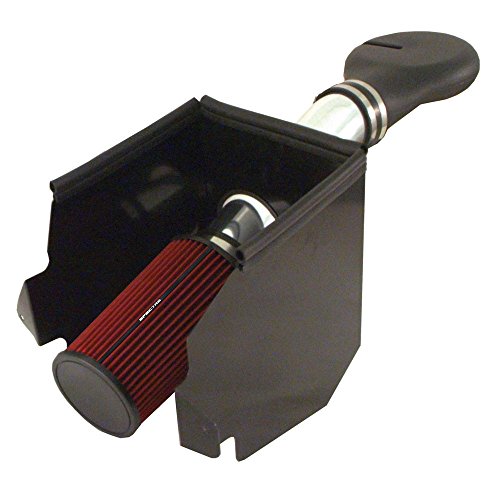
- Inspect the Air Box: If you see oil in your air filter housing, it is a sign of excessive blow-by, common in high-mileage 3.9L and 5.2L engines.
Conclusion
Maintaining a 2001 Dodge Ram 1500 requires more than just a random bottle of oil from the shelf. By sticking to the recommended 5W-30 viscosity, choosing a high-quality filter like a WIX or Mopar, and adjusting your strategy for high-mileage wear, you can keep your 2nd Gen Ram hauling for years to come. Remember that these trucks are legendary for their longevity, but they are entirely dependent on a consistent and high-quality lubrication schedule.
Your next steps should be to verify your engine size and check your current oil level. If it has been more than 3,000 to 5,000 miles since your last service, grab five or six quarts of a quality high-mileage blend and a fresh filter this weekend. Keeping that Magnum V8 or V6 well-oiled is the best way to ensure your Dodge remains a reliable partner on the road!
💬 Quick Questions & Answers
What is the oil capacity for a 2001 Dodge Ram 1500 5.2L?
The 5.2L V8 engine requires exactly 5 quarts of oil when performed with a filter change.
Can I use 5W-30 instead of 10W-30?
Yes, 5W-30 is recommended for cold weather and is fully compatible with 2001 Ram engines.
Which oil filter fits the 2001 Dodge Ram 1500?
The standard filter is a Mopar MO-090, often cross-referenced to a Fram PH8A or Mobil 1 M1-301.
How often should I change the oil in this truck?
For these older engines, changing the oil every 3,000 to 5,000 miles is ideal for longevity.


Is synthetic oil better for the 5.9L Magnum engine?
Synthetic oil provides superior protection and cleaner operation, which is highly beneficial for high-mileage Magnum engines.
❓ Frequently Asked Questions
What is the best oil weight for a 2001 Dodge Ram 1500 in winter?
In temperatures consistently below 32°F, SAE 5W-30 is the preferred viscosity because it flows faster during cold starts. For year-round use in moderate climates, the factory-standard 10W-30 provides excellent protection for the overhead valve engine design.
Do the 3.9L V6 and 5.9L V8 engines use the same amount of oil?
Yes, surprisingly, the 3.9L V6, 5.2L V8, and 5.9L V8 engines all share the same 5-quart oil capacity. You should always verify the level on the dipstick after filling and running the engine briefly to ensure accuracy.
Should I use a high-mileage oil formulation for my 2001 Ram?
High-mileage oils contain specific seal conditioners that help swell older gaskets to prevent leaks, which is common in engines over 75,000 miles. Given the age of a 2001 model, these formulations are strongly recommended to preserve the engine’s lifespan.
What is the drain plug torque spec for the 2001 Ram 1500?
The oil drain plug should be tightened to approximately 25 ft-lbs (34 Nm). Over-tightening can easily strip the threads on the factory oil pan, so using a torque wrench is a smart precaution for DIY maintenance.
Can I use a larger oil filter than the stock size?
Many owners opt for a larger filter like the Wix 51515 or Ford FL-1A for increased filtration surface and oil volume. While beneficial, ensure there is adequate clearance from the frame and exhaust before committed to a larger size.
What are the signs of using the wrong oil type in a 2nd Gen Ram?
Using oil that is too thin (like 0W-20) can lead to low oil pressure at idle and increased wear. Conversely, oil that is too thick may cause ‘lifter tick’ or poor lubrication during the critical seconds following a cold start.