
P0463 Dodge Ram 1500: Fix & Reset Guide [2026]

The P0463 code on a Dodge Ram 1500 indicates that the Fuel Level Sensor ‘A’ Circuit is reporting a voltage higher than the expected range. This most commonly results from a failing fuel pump sending unit or damaged wiring, causing your gas gauge to stay on empty or behave erratically.
🎯 Key Takeaways
Recommended Best Deal Products


- P0463 indicates the fuel sensor signal voltage is too high for the PCM.
- A faulty fuel sending unit is the most common cause on Rams.
- Corroded wiring or ground issues near the tank often trigger this code.
- Lifting the truck bed is often easier than dropping a full fuel tank.
- Using a multimeter can confirm if the sensor is truly defective.
The P0463 code on a Dodge Ram 1500 indicates that the Fuel Level Sensor “A” Circuit is sending a voltage signal to the Powertrain Control Module (PCM) that is higher than the manufacturer’s calibrated limit. In most Ram models, the PCM expects to see a signal between 0.5 and 4.5 volts; when that signal spikes above 4.8 volts, the computer assumes there is an “open” in the circuit. Practically, this translates to a fuel gauge that is completely unreliable—it might be pegged at empty with the low-fuel light chiming, or it might stay stuck on full regardless of how many miles you have driven.

Prime for Young Adults — 6 Months Free
Students and 18–24s get six months of Prime free, then half price.
Start 6 Months Free
Fixing this is a priority not just for convenience, but for your truck’s health. When the PCM cannot track fuel levels, it can affect the EVAP system monitors, preventing you from passing emissions tests. Furthermore, on many 4th and 5th Gen Rams, the Distance to Empty (DTE) calculation will fail, often displaying “—” on your dashboard. Since the fuel sending unit is part of the integrated fuel pump module located inside the gas tank, diagnosing this correctly before you start pulling parts is essential to avoid spending $400 on a pump you might not need.
Understanding the P0463 Code and Ram-Specific Symptoms
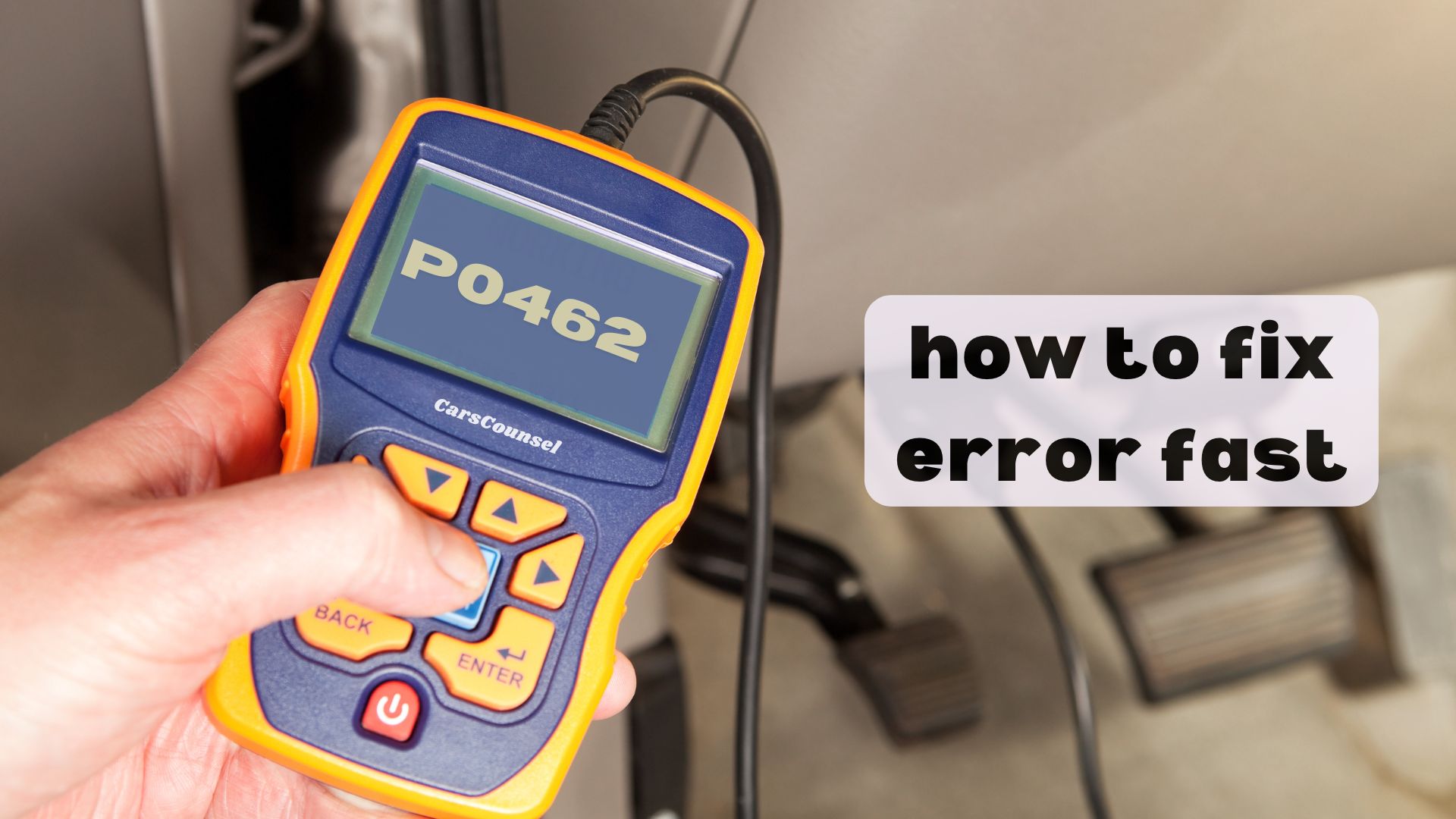
When your Ram 1500 throws the P0463 code, the “Circuit High” designation is a major clue. It means the electrical resistance in the fuel sensing circuit has become so high that the voltage isn’t returning to ground as intended. This is rarely a “ghost” code; it is almost always tied to a physical failure in the fuel sender’s variable resistor or the wiring harness leading to the tank.
Ram-Specific Warning Signs
- The Start-Up Chime: Upon turning the key or hitting the push-start, you hear a single “ding” and the low fuel light flashes, even if you just filled the tank.
- Erratic Gauge “Sweep”: You may notice the needle moves from full to empty while you are driving, especially after hitting a bump or taking a sharp turn.
- DTE Calculation Failure: The overhead console or digital cluster display fails to provide a range, or the range jumps by 50-100 miles instantly.
- Stuck on Full: The most dangerous symptom where the gauge stays at 100% until the truck eventually sputters and dies from lack of fuel.
Why It Happens on the Ram 1500
Dodge Ram 1500s are particularly susceptible to this due to the design of the fuel tank. The tanks are long and narrow, meaning the fuel sloshes back and forth significantly. This constant movement causes the wiper arm on the fuel sending unit to rub against the resistor tracks thousands of times per hour. Over time, the metal contacts on these tracks wear thin or become coated in sulfur deposits from the fuel, leading to the “open circuit” signal that triggers the P0463.
DIY Diagnostic: Testing the Fuel Sending Unit and Wiring
Recommended Best Deal Products


Before you commit to removing the tank, you must verify if the failure is in the sending unit (inside the tank) or the wiring/PCM (outside the tank). For this, you will need a digital multimeter and basic hand tools. This diagnostic process focuses on the fuel pump assembly connector, which is located on top of the fuel tank, usually accessible by reaching over the frame rail on the driver’s side.
Step 1: The Instrument Cluster Self-Test
Before crawling under the truck, rule out a mechanical failure of the gauge needle itself. On most Dodge Rams, you can perform a cluster test by holding the “Trip” button while turning the ignition to the “ON” position (do not start the engine). The needles will perform a full sweep. If the fuel gauge needle moves smoothly from empty to full and back, your dashboard is fine, and the problem is definitely in the circuit or the tank.
Step 2: Checking the Harness Resistance
Locate the electrical connector at the fuel tank. This is a 4-pin or 5-pin connector depending on your specific year. You are looking for the two wires dedicated to the fuel level sensor (typically the smaller gauge wires compared to the thicker pump power wires). On many 3rd and 4th Gen Rams, these are the Dark Blue/White and Black/Orange wires.
- Disconnect the harness: Inspect the pins for green corrosion or “pushed out” pins. Corrosion is a common culprit in the “Salt Belt” states.
- Test the Sensor Side: Set your multimeter to Ohms (Ω). Probe the two pins on the pump side of the connector.
- A healthy Ram sending unit typically reads about 20 Ohms (Full) to 220 Ohms (Empty).
- If your meter reads “OL” (Open Loop) or several thousand Ohms, the sending unit inside the tank is definitely bad.
- Test the PCM Side: With the ignition ON, check for a 5-volt reference signal coming from the truck’s harness. If you have 5V and a good ground, but the gauge still fails when connected, the internal sender is the culprit.
Common Failure Points: Fuel Sending Units vs. TIPM Issues
While the sending unit is the primary suspect, the Dodge Ram 1500 has a unique electrical architecture you should be aware of. The TIPM (Totally Integrated Power Module), which is the fuse box under your hood, acts as the “brain” for power distribution. While the P0463 is usually a hardware failure at the tank, a failing TIPM can occasionally cause erratic voltage spikes.
The “Sulfur Trace” Problem
Dodge fuel senders use a silver-palladium alloy for the resistor tracks. High sulfur content in some gasoline brands reacts with this silver, creating a non-conductive layer of silver sulfide. This layer prevents the wiper arm from making contact, resulting in a “High Circuit” reading. Some owners have success using a high-quality fuel system cleaner like Techron to “clean” the contacts without dropping the tank, but this is only a temporary fix if the metal tracks are physically worn through.
Accessing the Unit: The Big Debate
If your diagnostic confirms the sender is dead, you face the classic Ram owner’s dilemma: Drop the Tank vs. Lift the Bed. This is a specific choice for Ram 1500 owners because of how the frame is designed.

Audible — Listen Free for 30 Days
One free credit a month and thousands of titles included.
Listen Free for 30 Days- Dropping the Tank: This is the “standard” way. It requires a floor jack and a piece of plywood to support the tank. It is difficult if the tank is more than 1/4 full, as 26–32 gallons of gas is extremely heavy and unstable.
- Lifting the Bed: Many Ram DIYers prefer unbolting the six or eight bed bolts and lifting the driver’s side of the truck bed about 12-18 inches. This provides direct, “top-down” access to the fuel pump module without needing to drain the fuel or wrestle with heavy straps.
Dropping the Tank vs. Lifting the Bed: Which is Better?
Recommended Best Deal Products


When you have confirmed that the fuel level sensor inside your Dodge Ram 1500 is the culprit behind the P0463 code, you face a classic “fork in the road” for repair strategy. Because the sensor is integrated into the fuel pump assembly, you must gain access to the top of the fuel tank. In the Ram community, there are two schools of thought: dropping the tank from underneath or lifting the truck bed from above.
The Case for Dropping the Fuel Tank
Dropping the tank is the traditional method used by most professional shops with hydraulic lifts. This approach is generally preferred if your tank is nearly empty, as a full tank of gasoline can weigh well over 150 pounds and is dangerously unstable. If you are working on a lift and have a transmission jack to support the weight, dropping the tank allows you to inspect the fuel lines and evaporative emissions (EVAP) hoses that run along the frame rail.
- Pros: No need to disturb the body panels or bed bolts; easier to see the entire fuel system.
- Cons: Extremely difficult if the tank has more than a few gallons of gas; requires maneuvering around the driveshaft and exhaust.
- Pro Tip: If you choose this route, always have a plan to drain the fuel first. Dealing with “slosh” while balancing a tank on a jack is a recipe for frustration.
Why Many DIYers Prefer Lifting the Bed
For the driveway mechanic, lifting or tilting the truck bed is often the “secret weapon” for a P0463 repair. By removing the bed bolts on one side and loosening them on the other, you can use a floor jack and a piece of wood to tilt the bed up. This exposes the fuel pump assembly perfectly without ever touching a fuel strap. This is especially helpful for Ram owners in the rust belt, where fuel tank strap bolts are notorious for snapping off due to corrosion.
- Pros: No need to drain the fuel; easier on your back; direct “bird’s-eye” access to the locking ring.
- Cons: Requires a helper to watch for body alignment; risk of over-tilting and damaging the bumper or cab.
Counting the Cost: Parts, Labor, and Tools
Understanding the financial side of a P0463 fix can help you decide whether to grab your toolkit or hand over your keys to a professional. While the sensor itself is the issue, it is almost always sold as part of the entire fuel pump module. Replacing just the float arm is possible on some older models, but for most modern Ram 1500s, a complete assembly swap is the standard of care.
What You Will Spend: Shop vs. DIY
If you take your truck to a dealership or an independent mechanic, expect a bill ranging from $600 to $1,000. A significant portion of this is labor, as the job typically bills for 2 to 3 hours. A high-quality OEM Mopar fuel pump assembly alone can cost between $250 and $400. If you go the DIY route, you can save the labor costs entirely, often completing the job for the price of the part and a few specialized tools.
The Essential Tool List for P0463 Repairs
You don’t need a professional garage to fix this code, but there are a few “must-have” items that will prevent a mid-repair meltdown. Using the wrong tool on plastic fuel components can lead to expensive breaks.
- Digital Multimeter: Essential for verifying that you have 5 volts reaching the pump before you spend money on a new assembly.
- Fuel Pump Locking Ring Tool: While some use a hammer and screwdriver, a dedicated wrench prevents damage to the plastic locking ring.
- Quick-Disconnect Tool Set: Dodge uses specific clips for fuel and vapor lines that are nearly impossible to release by hand without breaking them.
- PB Blaster or Liquid Wrench: If you are working on an older Ram, you will want to soak your bed bolts or tank strap bolts 24 hours in advance.
Final Thoughts on the P0463 Code
A P0463 code in your Dodge Ram 1500 is more than just a nuisance; it’s a reliability issue that can leave you stranded with an empty tank while the gauge still reads half-full. By understanding that this “Circuit High” error usually points to an open circuit or a worn-out sensor rheostat, you can approach the repair with confidence. Whether you choose to drop the tank or tilt the bed, the key to success lies in proper diagnosis with a multimeter before unbolting a single part.
Next Steps: Start by checking the wiring harness near the fuel tank for any signs of rodent damage or corrosion. If the wiring looks clean, source a high-quality replacement fuel pump assembly and clear your afternoon. You’ve got this—get that fuel gauge back in action and enjoy the peace of mind that comes with knowing exactly how much gas is in your tank!
Audible Premium Plus — Annual Membership
12 audiobook credits up front, plus the full Audible catalogue.
See Annual Plans💬 Quick Questions & Answers
Can I drive with a P0463 code?
Yes, it is safe to drive, but you will not have an accurate reading of your fuel level.
Why is my gas gauge on empty even though I just filled up?
The sensor is likely sending an ‘open circuit’ signal, which the computer interprets as an empty tank.
Where is the fuel level sensor located on a Ram 1500?
The sensor is integrated into the fuel pump module located inside the fuel tank.
Does P0463 always mean the fuel pump is bad?
Not necessarily; it could be a broken wire or a faulty connector, though the sensor itself is the usual culprit.
Is P0463 a common problem for Dodge trucks?
Yes, it is a very common issue across several generations of the Ram 1500 due to sensor wear.
❓ Frequently Asked Questions
What are the most common symptoms of P0463 on a Ram 1500?
The most obvious symptoms include a Check Engine Light, a fuel gauge that stays on empty, or a needle that jumps erratically between full and empty. In some cases, the ‘Low Fuel’ warning chime will sound constantly even with a full tank.
How does the TIPM affect the fuel level sensor on a Dodge Ram?
The Totally Integrated Power Module (TIPM) manages electrical distribution; if it experiences internal corrosion or circuit failure, it can misinterpret the fuel sensor’s voltage. This is less common than sensor failure but should be checked if a new pump doesn’t fix the issue.
Is it better to replace just the sensor or the whole fuel pump?
While some aftermarket sensors are sold separately, it is generally recommended to replace the entire fuel pump module. The labor involved is high, and replacing the whole unit prevents having to go back in if the pump fails later.
What electrical values should I see when testing the fuel sensor?
On most Ram 1500 models, the resistance should range from approximately 20 ohms (full) to 270 ohms (empty). If your multimeter shows an ‘infinite’ or ‘open’ reading, the sending unit is definitely defective.
Can a bad ground wire cause a P0463 error code?
Yes, a corroded or loose ground wire increases resistance in the circuit, which the PCM interprets as high voltage. Always inspect the wiring harness connector at the top of the fuel tank for green corrosion or frayed wires.
How much does a mechanic charge to fix P0463 on a Ram 1500?
A professional repair typically costs between $400 and $800, depending on your region and whether you use OEM parts. A significant portion of this cost is labor, as the tank must be drained and lowered or the bed removed.
![2015 Ram EcoDiesel Problems: Common Failures & Recalls [2026]](https://truckguider.com/wp-content/uploads/2026/03/2015-ram-ecodiesel-problems-featured.webp)


![PWQ Paint Code: Diagnosis & Repair [2026]](https://truckguider.com/wp-content/uploads/2026/03/pwq-paint-code-featured.webp)