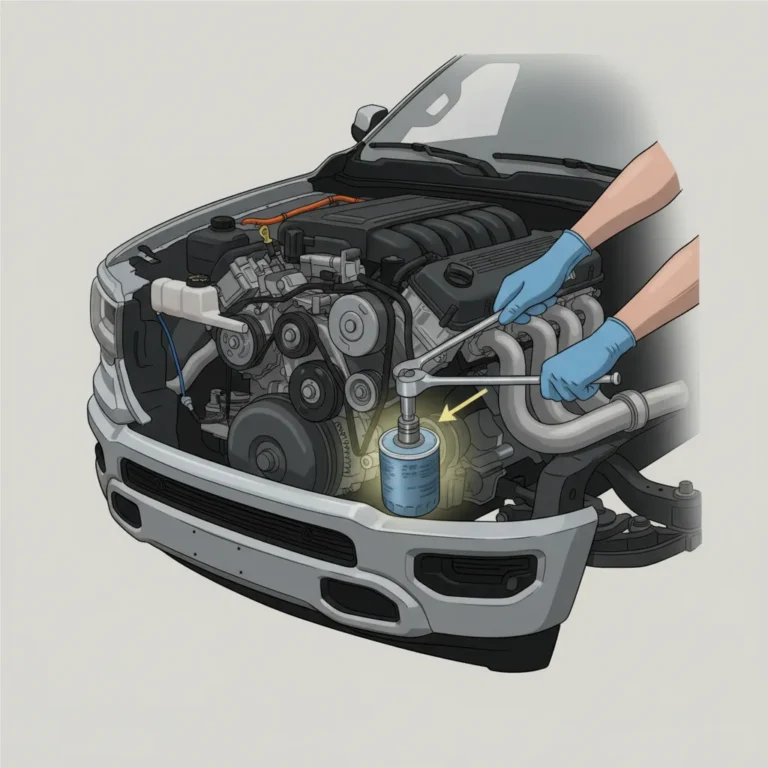
Brake Fluid Flush Costs, Technical Specifications, and Maintenance Economics for Light and Heavy-Duty Trucks

The automotive maintenance landscape has undergone significant shifts by 2025, driven by advancing vehicle complexity, rising labor rates, and the specialized chemical engineering required for modern safety systems. For truck owners, particularly those managing the operational readiness of platforms such as the Ford F-Series, Chevrolet Silverado, Ram 1500/2500/3500, and Toyota Tundra, the brake fluid flush represents a critical intersection of safety, performance, and cost management.
While often overshadowed by more visible maintenance tasks like oil changes or tire rotations, the hydraulic integrity of the braking system is the single most critical factor in vehicle safety, especially under the high-load conditions inherent to truck usage.


The cost to perform a brake fluid flush in 2025 varies considerably, generally falling between $100 and $200 for standard applications, with heavy-duty and luxury variances pushing figures toward $300 at premium dealerships. This wide pricing delta—influenced by labor market economics, fluid formulation costs, and service complexity—necessitates a deep understanding from the consumer side to ensure value and reliability. This report provides an exhaustive examination of the brake fluid flush ecosystem, dissecting the financial inputs,
the chemical necessity of the service, the specific requirements of major truck manufacturers, and the viability of Do-It-Yourself (DIY) alternatives. By analyzing the “cost of neglect” alongside the service price, we establish a comprehensive framework for truck owners to make data-driven maintenance decisions.
BRAKE FLUID FLUSH COST
Is your stopping power fading? Analyze the real costs, the hidden risks of old fluid, and whether you should DIY or go to a pro.
The Bottom Line
A standard brake fluid flush typically costs between $80 and $150 depending on your vehicle and location. Neglecting this $100 maintenance item can lead to ABS module failure costing upwards of $1,000+.
📊 Market Price Comparison
We analyzed quotes from national chains, local mechanics, and dealerships. While DIY offers significant savings, professional service includes a warranty and proper disposal of toxic fluids.
Average DIY Cost
Includes 2-3 bottles of fluid & tubing.
Recommended Interval
Or every 30,000 miles.
Time Required
Standard 4-wheel bleed procedure.
Where Does Your Money Go?
When you pay a shop $120, you aren’t paying for the liquid. You are paying for the expertise and the lift time.
The Hidden Danger: Moisture Absorption
Brake fluid is hygroscopic, meaning it attracts water from the air. As water content rises, the boiling point drops. If fluid boils during hard braking (like towing a truck downhill), you lose braking power completely.
Fluid Tech: Boiling Point vs. Price
Not all fluids are created equal. Truck owners towing heavy loads should prioritize a higher “Wet Boiling Point” (performance after absorbing moisture). This chart compares the boiling performance against the cost per bottle.
Should You DIY?
The “DIY” Route
Best for those with basic mechanical skills and a helper.
- ✔ Save ~$80 per flush
- ✔ Control fluid quality
- ✘ Need jack stands/tools
- ✘ Risk of snapping bleeder valves
Independent Shop
The sweet spot for most truck owners.
- ✔ Professional equipment
- ✔ Checks for other leaks
- ~ Moderate cost
- ✘ Appointment wait times
Dealership
Best for vehicles under warranty or specialized systems.


- ✔ OEM Fluid guaranteed
- ✔ ABS Cycle capability
- ✘ Most expensive option
- ✘ Upsell pressure
© 2026 TruckGuider Infographics
The Financial Landscape of Brake Fluid Service in 2025
Understanding the cost of a brake fluid flush requires dissecting the components of the service. Unlike a part-intensive repair such as a water pump replacement, a fluid flush is predominantly a labor service. The variation in pricing across the United States is less about the commodity price of the fluid and more about the overhead structure of the service provider and the regional cost of labor.
National Market Price Analysis
The national average for a professional brake fluid flush has stabilized in the $100 to $150 range for independent shops, while dealership services generally command a premium, ranging from $150 to $225 or more. This pricing structure reflects a mature market where the service is a standard maintenance item, yet one that allows for significant margin variation based on perceived value and technical precision.
The Service Tier Hierarchy
Pricing is stratified into three distinct tiers, each offering a different value proposition to the truck owner:
- Tier 1: Budget and Volume Providers ($80 – $110) This tier includes high-volume lube chains and discount tire shops. The lower price point is achieved through economies of scale and often a simplified “drain and fill” or basic vacuum bleed procedure rather than a full ABS-cycle flush. While cost-effective, there is a risk that the service may not fully exchange the fluid in the ABS modulator or the secondary circuits of the master cylinder.
- Tier 2: Independent Automotive Specialists ($110 – $170) Independent repair shops represent the median of the market. These facilities typically employ ASE-certified technicians and use high-quality aftermarket fluids (e.g., Valvoline, Castrol, or Bosch). The pricing reflects a balance of skilled labor (averaging $100-$150/hour) and lower overhead compared to dealerships. For out-of-warranty trucks, this is often the most economically rational choice.
- Tier 3: Dealership Service Centers ($150 – $300+) Dealerships command the highest prices, justified by the use of OEM-branded fluids (Motorcraft, AC Delco, Mopar), factory-trained technicians, and proprietary diagnostic equipment capable of cycling ABS valves during the bleed process. For modern trucks with complex stability control systems (like Ford’s AdvanceTrac), the ability to electronically activate the ABS pump ensures a 100% fluid exchange, a technical advantage that independent shops without advanced scan tools cannot replicate.
Breakdown of Cost Drivers
To understand the invoice, one must analyze the ratio of parts to labor.
Material Costs (The “Parts”)
Brake fluid itself is a relatively inexpensive chemical commodity.
- Standard DOT 3/4: A quart of high-quality synthetic brake fluid typically retails for $5 to $20.1
- Volume Required: Most light-duty trucks (F-150, Silverado 1500) have a system capacity of approximately 1 to 1.5 quarts. Heavy-duty trucks (F-350, Ram 3500) with longer brake lines and larger calipers may require 2 quarts to ensure a complete flush.
- Shop Markup: Service centers typically mark up fluids by 50% to 100%, meaning the $10 bottle of fluid appears on the invoice as $15-$20. Even with this markup, the material cost rarely exceeds $30-$40 of the total bill.
Labor Costs (The “Service”)
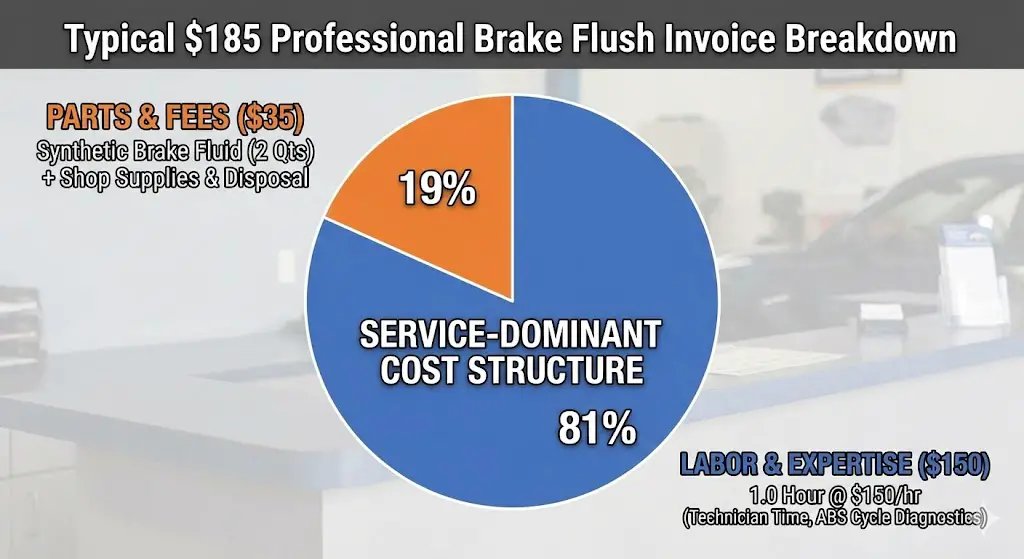
The vast majority of the expense—70% to 80%—is labor.
- Book Time: Industry standard guides (like Chilton or AllData) typically allocate 0.8 to 1.2 hours for a brake flush.
- Hourly Rates:
- Rural Areas: $80 – $110 per hour.
- Urban Centers: $140 – $180 per hour.
- Luxury/Specialty: $200+ per hour.
- The Math: If a shop charges $150/hour and the book time is 1 hour, the labor is $150. Add $25 for fluid and $10 for shop supplies/disposal fees, and the total is $185. This correlates perfectly with the reported averages.
Regional and Vehicle-Specific Cost Variances
Geography acts as a multiplier on maintenance costs. A truck owner in rural Texas might pay $90 for a flush at a local shop, while an owner in downtown Seattle or Boston could pay $230 for the exact same service due to real estate and wage pressures.
Vehicle complexity also dictates price.
- Standard Pickups (RWD/4WD): Standard pricing applies.
- Heavy Duty Dually (DRW): Dual rear wheels restrict access to the rear calipers. Technicians may need to remove the outer wheels to access the bleeder screws, adding significantly to the labor time. This can add 0.5 to 1.0 hours of labor, increasing the cost by $50 to $100.
- Luxury Trims: High-end trims (e.g., F-150 Limited, GMC Sierra Denali, Ram Limited) often feature electronic parking brakes and more complex stability control sensors, which may require additional diagnostic steps, justifying a higher “luxury” labor rate at some facilities.
The Cost of Neglect: A Comparative Analysis
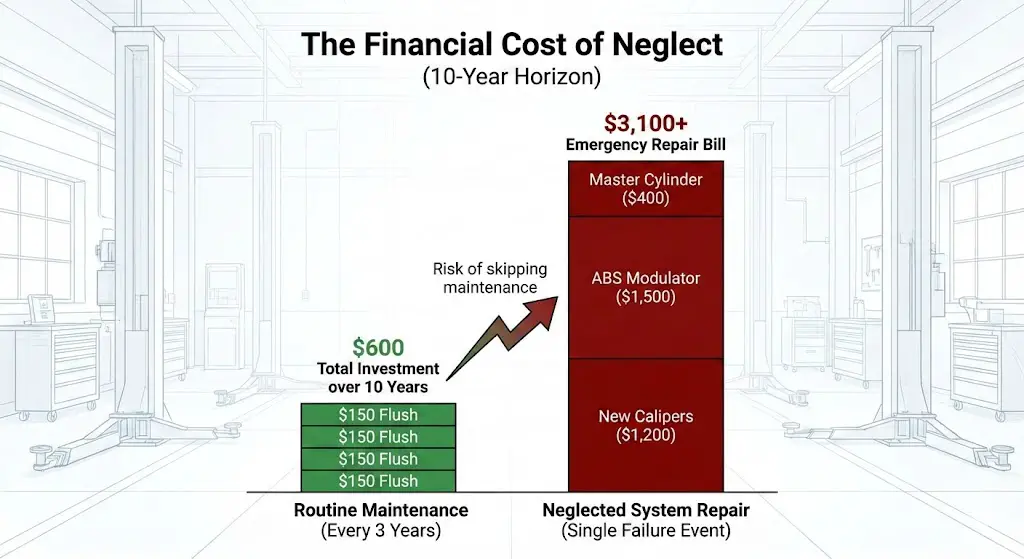
The most compelling argument for incurring the $150 cost of a brake flush is the potential cost of not doing it. Brake fluid is hygroscopic (absorbs water), and water causes corrosion.
- Scenario A: Routine Maintenance.
- Cost: $150 every 3 years.
- 10-Year Total: $450 – $600.
- Scenario B: Neglect.
- Cost: $0 for 10 years.
- Result: Water settles in the lowest points (calipers) and corrodes the pistons. The master cylinder seals rot. The ABS module valves seize due to internal rust.
- Repair Costs:
- New Calipers (x4): $600 – $1,200.
- New Master Cylinder: $300 – $500.
- New ABS Modulator: $800 – $1,500.
- Total Repair Bill: $1,700 – $3,000+.
- Safety Risk: High probability of brake fade or failure during emergency stops.
The Science of Hydraulic Systems: Why Chemistry Matters
To the layperson, brake fluid is merely a liquid that transfers force. To the automotive engineer, it is a complex chemical solution designed to withstand extreme thermal environments while lubricating seals and preventing corrosion. The necessity of the “flush” is dictated by the chemical degradation of this fluid over time.
The Hygroscopic Nature of Glycol-Ethers
The vast majority of modern truck brake fluids (DOT 3, DOT 4, DOT 5.1) are based on poly-glycol ethers. A defining, inherent characteristic of these chemicals is hygroscopy—the ability to attract and hold water molecules from the surrounding environment.
The Mechanism of Contamination
Even in a “sealed” braking system, moisture intrusion is inevitable.
- Micro-Permeation: Rubber brake hoses are not perfectly impermeable. Water vapor molecules from humid air can migrate through the microscopic structure of the rubber into the fluid.
- Thermal Cycling: As the fluid heats up during use and cools down when parked, the reservoir “breathes” (even with a diaphragm seal), drawing in minute amounts of atmospheric moisture.
- Seal wear: As piston seals age, they allow microscopic films of moisture to pass during retraction.
Boiling Points: The Critical Safety Metric
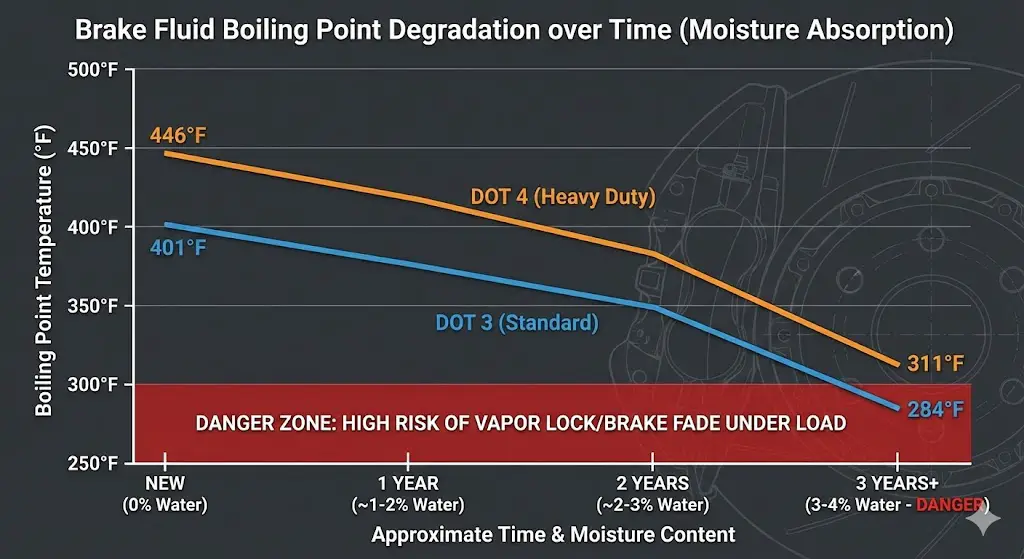
The primary danger of water contamination is the reduction of the fluid’s boiling point. Hydraulic brakes operate on Pascal’s Law, which assumes the fluid is incompressible. Liquids are incompressible; gases are compressible.
- Phase Change Failure: If the brake fluid boils, it turns into vapor. When the driver presses the brake pedal, the force compresses the vapor bubbles rather than moving the caliper pistons. The pedal goes to the floor, and the truck does not stop. This is known as Vapor Lock or Brake Fade.
- Dry vs. Wet Boiling Point:
- Dry Boiling Point: The boiling temperature of fresh, new fluid (0% water).
- Wet Boiling Point: The boiling temperature of fluid containing 3.7% water (simulating end-of-life fluid).
The gap between these numbers illustrates the degradation. For standard DOT 3 fluid, the boiling point drops from 401°F (205°C) when new to just 284°F (140°C) when wet. A drop of over 100°F significantly reduces the safety margin, especially for trucks towing heavy loads down steep grades where rotor temperatures can exceed 500°F.



Fluid Classifications and Specifications
The Department of Transportation (DOT) classifies fluids based on minimum performance standards. Truck owners must choose the correct spec, as they are not all interchangeable.
2.3.1 DOT 3: The Traditional Standard
- Chemistry: Glycol-Ether.
- Performance: Minimum Dry Boil: 401°F (205°C) / Wet Boil: 284°F (140°C).
- Usage: Common in older trucks and many modern domestic pickups (e.g., Chevy Silverado 1500, Toyota Tundra).
- Characteristics: Low cost, readily available. It is more prone to absorbing water than silicone fluids but less aggressive on seals than some racing fluids.
- Price: ~$8 – $12 per quart.
DOT 4: The Heavy-Duty Upgrade
- Chemistry: Glycol-Ether + Borate Esters.
- Performance: Minimum Dry Boil: 446°F (230°C) / Wet Boil: 311°F (155°C).
- Usage: European vehicles and increasingly common in heavy-duty towing applications.
- Characteristics: The borate esters help chemically bond with the water, maintaining a higher boiling point for longer. However, once the borates are depleted, the boiling point drops more precipitously than DOT 3.
- Price: ~$12 – $18 per quart.
DOT 4 LV (Low Viscosity): The Modern Requirement
- Chemistry: Chemically similar to DOT 4 but with lower viscosity modifiers.
- Usage: Mandatory for late-model Ford Trucks (2015+).
- Why LV? Modern safety systems like Electronic Stability Control (ESC) and Traction Control rely on the ABS pump pulsing the brakes up to 20 times per second. Standard fluid is too thick (viscous) at cold temperatures to flow through the microscopic valves of the ABS unit fast enough. High viscosity fluid in an LV system results in sluggish stability control response, potentially compromising safety on icy roads.
- Cost Impact: Slightly more expensive and sometimes harder to find at generic auto parts stores.
DOT 5.1: The Performance Option
- Chemistry: Glycol-Ether (Borate Ester).
- Performance: Minimum Dry Boil: 500°F (260°C) / Wet Boil: 356°F (180°C).
- Usage: Racing and extreme towing.
- Compatibility: Compatible with DOT 3 and DOT 4 systems (unlike DOT 5).
- Price: Premium pricing, often $20+ per quart.
DOT 5: The Silicone Outlier (WARNING)
- Chemistry: Silicone-based.
- Usage: Classic cars, Harleys, Military storage vehicles.
- Characteristics: Hydrophobic (repels water), does not strip paint.
- WARNING: DOT 5 is NOT compatible with ABS systems. Silicone fluid can become aerated (foamy) when pumped rapidly by an ABS modulator, leading to brake failure. It is also compressible at high temperatures. Never put DOT 5 in a modern truck.
Comparative Fluid Specifications Table
| Specification | Base Type | Dry Boiling Point (Min) | Wet Boiling Point (Min) | Primary Truck Application | Compatible With |
| DOT 3 | Glycol | 401°F (205°C) | 284°F (140°C) | Silverado 1500, Ram 1500, Tundra | DOT 4, DOT 5.1 |
| DOT 4 | Glycol/Borate | 446°F (230°C) | 311°F (155°C) | Towing Upgrades, European Vans | DOT 3, DOT 5.1 |
| DOT 4 LV | Glycol/Borate | 446°F (230°C) | 311°F (155°C) | Ford F-150, Super Duty (2015+) | DOT 3, DOT 4, DOT 5.1 |
| DOT 5.1 | Glycol/Borate | 500°F (260°C) | 356°F (180°C) | Extreme Duty / Racing | DOT 3, DOT 4 |
| DOT 5 | Silicone | 500°F (260°C) | 356°F (180°C) | Classic / Military ONLY | None (Do not mix) |
Manufacturer-Specific Maintenance Profiles
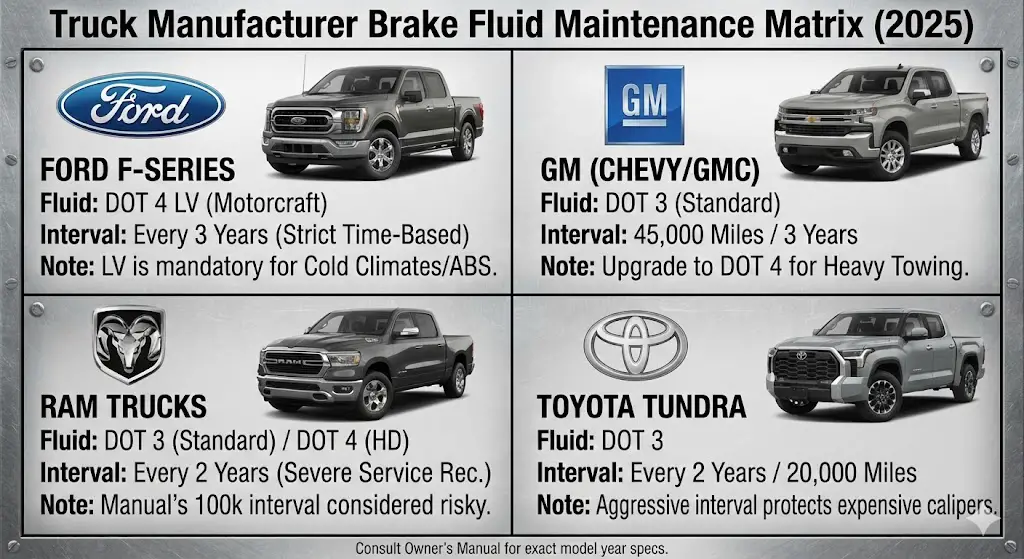
While the “universal” recommendation is often cited as every 2 years, specific truck manufacturers have engineered their maintenance schedules differently based on their component metallurgy and system designs.
Ford F-Series (F-150, F-250, F-350)
Ford has taken a definitive stance on brake fluid maintenance in its recent generations.
- Fluid Requirement: As noted, Ford specifies Motorcraft DOT 4 LV High Performance. The “LV” is non-negotiable for owners of 2015+ models operating in cold climates.
- Maintenance Schedule: Ford recommends a brake fluid flush every 3 years. This is a time-based interval, acknowledging that moisture absorption happens regardless of mileage driven.
- Service Insight: For Super Duty (F-250/F-350) owners, the volume of fluid required is higher. The long wheelbase of a Crew Cab Long Bed truck means the rear brake lines hold a significant amount of fluid. A standard 1-quart flush may not be sufficient to clear the old fluid from the rear calipers. It is recommended to budget for 2 quarts of fluid for these trucks to ensure a complete exchange.
- Cost Nuance: Ford dealerships often package “The Works” service which includes oil and rotation, but brake flushes are standalone. Expect dealer quotes in the $140 – $180 range for an F-150, and slightly higher for Super Duty models due to the dual rear wheel access labor.
General Motors (Chevrolet Silverado / GMC Sierra)
GM’s approach has evolved, but they maintain a reliance on DOT 3 for factory fill, prioritizing low maintenance costs and wide availability.
- Fluid Requirement: DOT 3 is the standard factory specification for all generations, including the modern T1XX platform (2019-present) and the previous K2XX and GMT900 platforms.
- Maintenance Schedule: GM officially recommends a brake fluid change every 45,000 miles or 3 years, whichever comes first.10 This mileage-based trigger differs slightly from Ford’s strict time-based approach, but for the average driver doing 15k miles a year, the interval aligns perfectly at 3 years.
- Towing Recommendation: GM technical documents and expert mechanics strongly suggest upgrading to DOT 4 fluid for Silverado HD (2500/3500) trucks that are used for regular towing. The higher boiling point provides an essential safety buffer against brake fade on long descents.
- Cost Nuance: Because DOT 3 is inexpensive and the bleeding procedure on GM trucks is standard, independent shops can often perform this service very competitively, often in the $110 – $140 range.
Ram Trucks (1500, 2500, 3500)
Ram (formerly Dodge Ram) owners often face ambiguity in their manuals, which alternate between “inspect” and “replace.”
- Fluid Requirement: DOT 3 is the baseline, with DOT 4 explicitly recommended for heavy-duty applications.
- Maintenance Schedule:
- 30,000 Miles: Inspect fluid quality and level.
- 45,000 Miles: Recommended replacement interval for optimal performance.
- 100,000 Miles: Hard service requirement to flush and replace.
- Expert Insight: Waiting until 100,000 miles is widely considered risky by automotive engineers, particularly for the hydro-mechanical components in the Ram braking system. A 3-year/45,000-mile interval is the consensus “severe service” recommendation for longevity.
- Cost Nuance: Ram 3500 Dually trucks present a specific labor challenge. The rear inner wheels can make accessing the bleeder screws difficult on some lifts. Shops may charge an extra 0.5 hours of labor (~$50) if they need to remove the outer rear wheels to bleed the brakes properly.
Toyota Tundra
Toyota is renowned for its conservative and preventative maintenance philosophy.
- Fluid Requirement: DOT 3 is the standard.
- Maintenance Schedule: Toyota stands out with the most aggressive maintenance interval: Every 2 years or 20,000 miles.
- The “Toyota Way”: This frequent interval is designed to prevent any internal corrosion. Toyota calipers, particularly the 4-piston fixed calipers used on the front of the Tundra, are expensive to replace. By flushing the fluid before moisture levels ever reach a critical threshold, Toyota ensures the calipers last the life of the truck.
- Cost Nuance: While the cost per service is standard ($120 – $160), the frequency (every 2 years vs GM’s 3 years) means Tundra owners spend slightly more on fluid maintenance over the life of the truck. However, this is offset by the legendary durability of the brake components when maintained.
The Impact of Towing on Brake Fluid Health
For the truckguider.com audience, towing is a primary use case. It is crucial to understand that towing doesn’t just work the engine and transmission harder; it places extreme thermal stress on the hydraulic braking system.
Thermodynamics of Braking Under Load
Braking is the conversion of kinetic energy (movement) into thermal energy (heat).
- Mass Factor: A 6,000lb truck towing an 8,000lb trailer has more than double the kinetic energy of the unladen truck.
- Energy Dissipation: All of this energy must be dissipated as heat by the brake rotors and pads.
- Heat Soak: Under sustained braking (e.g., descending a mountain pass), the rotors can glow red hot (over 1000°F). This heat radiates into the caliper and directly into the brake fluid.
The “Fade” Phenomenon
If the brake fluid has absorbed moisture and its boiling point has dropped to 280°F, the heat soak from heavy towing can easily raise the fluid temperature above this limit.
- Boiling: The water in the fluid turns to steam.
- Compression: When the driver hits the brakes for the hairpin turn at the bottom of the hill, the pedal feels “spongy” or goes to the floor because the steam bubbles compress.
- Failure: The brakes fail to engage, despite the pads and rotors being mechanically sound.
This is why fluid health is more critical for trucks than for commuter cars. A commuter car rarely generates enough heat to boil even wet fluid. A towing truck generates that heat routinely.
Severe Service Intervals
Truck owners who tow regularly (>25% of mileage) should adopt a “Severe Service” schedule.
- Recommendation: Halve the manufacturer interval.
- GM/Ford: Flush every 18-24 months.
- Ram: Flush every 2 years.
- Fluid: Upgrade to DOT 4 (or DOT 4 LV for Ford) to gain the 40°F+ safety margin in boiling point.
DIY Brake Fluid Flush: A Detailed Guide and Cost Analysis
For many truck owners, DIY maintenance is a point of pride and a way to control costs. The brake fluid flush is accessible to the home mechanic, but it carries higher risks than an oil change.
The Economics of DIY
Performing the service at home yields significant savings, especially over the ownership life of the truck.
Initial Investment (Tools):


- Jack Stands (3-Ton): $40 – $60 (Required for safety).
- Floor Jack: Assumed owned, or ~$150.
- Flare Nut Wrench Set: $20 – $50. Crucial Tool: Standard wrenches can round off soft brass bleeder screws. A flare nut wrench grips 5 sides of the hex.
- Bleeder Kit:
- Basic Bottle & Hose: $10.
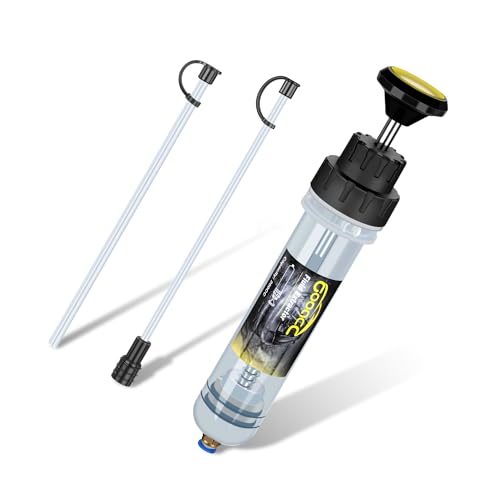
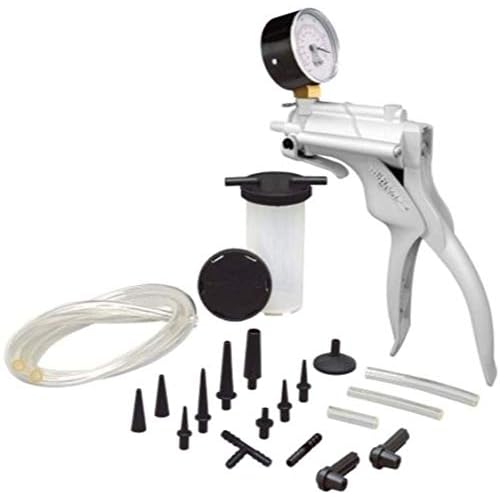
- Vacuum Pump (Mityvac): $40 – $60.
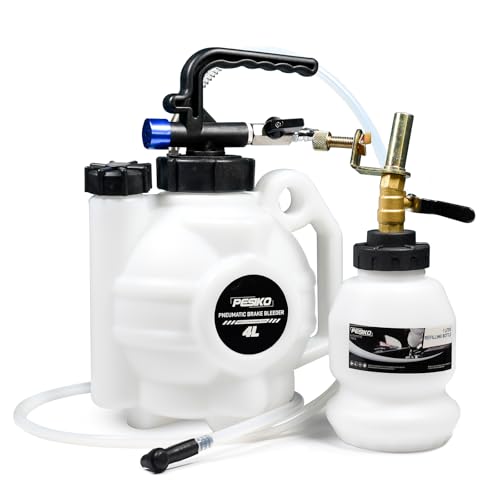
- Pressure Bleeder (Motive): $60 – $80 (The “Pro” choice).
- Total Tool Cost: $70 – $200 (One-time).
Recurring Cost (Per Service):
- Fluid: 2 Quarts High-Performance DOT 3/4: $15 – $30.
- Cleaner/Rags: $5.
- Total: $20 – $35.
Savings Analysis:
- Professional Cost: $150.
- DIY Recurring Cost: $25.
- Savings per flush: $125.
- ROI: The tools pay for themselves after the first or second use.
Step-by-Step Methodology and Best Practices
There are three main methods for DIY bleeding, ranked by ease and effectiveness.
Method 1: The “Two-Person” Pump Method (Old School)
- Process: One person sits in the truck pumping the pedal; the other cracks the bleeder screw. “Down… Open… Close… Up.”
- Pros: Requires no special tools (just a wrench and a jar).
- Cons: Requires a helper. Risk of over-extending the master cylinder piston into corroded bore areas, potentially damaging seals. Slow.
Method 2: Gravity Bleeding
- Process: Open the bleeder and let physics do the work. Fluid naturally flows from the high reservoir to the low caliper.
- Pros: Gentle, one-person, zero cost.
- Cons: Very slow (can take 2-3 hours). May not dislodge trapped air bubbles in high spots.
Method 3: Pressure Bleeding (Recommended for Trucks)
- Process: A canister of fresh fluid is pressurized with a hand pump and attached to the master cylinder cap. This pushes fluid through the system.
- Pros: Fast, one-person operation. Ensures positive pressure prevents air entry. Keeps reservoir full automatically.
- Cons: Requires buying a pressure bleeder ($60).
- Why for Trucks? Long brake lines on crew cab trucks can be hard to bleed by gravity or vacuum. Pressure ensures fluid reaches the rear reliably.
Critical Risks and Troubleshooting
- Seized Bleeder Screws: In the Rust Belt, steel bleeder screws seize in iron/aluminum calipers. Applying too much force snaps the head off.
- Prevention: Soak with penetrating oil (PB Blaster/Kroil) for 24 hours prior. Use a 6-point flare nut wrench. If it feels stuck, stop. Heat may be required, or professional help.
- ABS Module Air Trap: If you let the reservoir run dry, air enters the ABS module. On many modern trucks (GM/Ford), the ABS valves must be cycled with a bidirectional scan tool to release this air. If you don’t have this tool, you will have a permanently spongy pedal.
- Rule: NEVER let the reservoir go empty. Check it after bleeding every single wheel.
- Paint Damage: Brake fluid is a powerful solvent. It will strip clear coat and paint down to bare metal in minutes.
- Protection: Cover fenders with specialized mats. Rinse spills immediately with copious amounts of water (water neutralizes glycol fluid).
Diagnostics: Interpreting Fluid Health
How does a truck owner know if they actually need a flush, aside from the calendar?
Visual Inspection (The “Eye Test”)
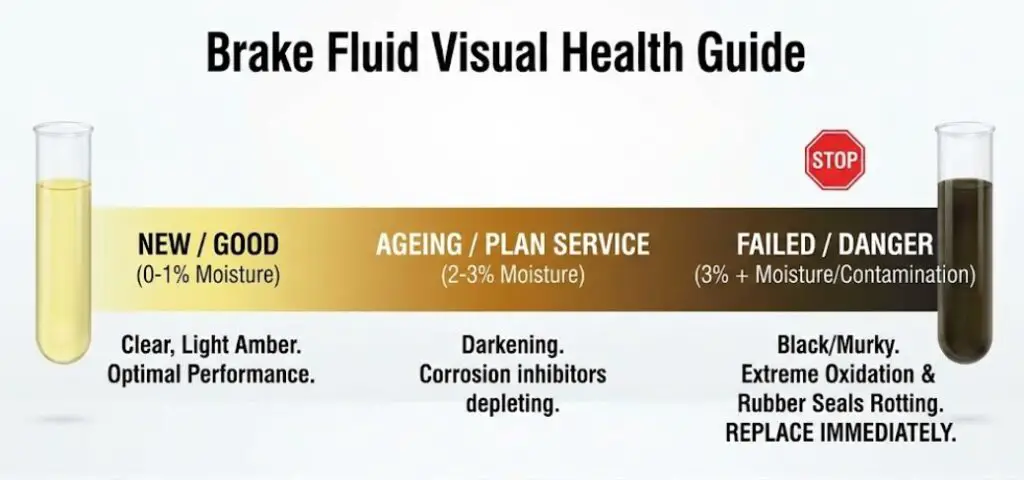
- New Fluid: Clear, slight yellow tint (like white wine or apple juice).
- Ageing Fluid: Darker yellow to light brown (like tea).
- Bad Fluid: Dark brown, black, or murky (like coffee, soy sauce, or maple syrup). This indicates rubber hose degradation and heavy oxidation.
- Green Fluid: Often indicates algae/moss growth (rare) or extreme copper corrosion from the lines reacting with the fluid.
Moisture Testing (The Scientific Method)
Visuals can be deceiving. Clear fluid can still be wet.
- Conductivity Tester (Brake Fluid Pen): A simple $15 tool measures the electrical resistance of the fluid. Water conducts electricity; glycol does not.
- 0% – 1%: Good.
- 2%: Caution (Plan service).
- 3% – 4%: FAIL (Replace immediately).
- Strips: Dip strips can measure copper content (corrosion) and moisture.
Pedal Feel
- Sponginess: If the pedal feels like stepping on a plum or a wet sponge, there is likely air or vapor in the lines.
- Travel: If the pedal sinks slowly to the floor at a stoplight, the master cylinder seals may be bypassing fluid (often caused by internal corrosion from dirty fluid).
Conclusion: The Value Proposition of Maintenance
In the grand calculus of truck ownership, the $150 brake fluid flush is a minor variable with major coefficients of safety and reliability. Whether performed by a dealership to maintain warranty compliance, an independent shop to save money, or in the driveway to satisfy mechanical curiosity, the act of replacing this vital hydraulic fluid is non-negotiable for the responsible truck owner.
For the heavy-duty user—the rancher towing a cattle trailer, the contractor hauling a skid steer, or the family towing a camper through the Rockies—the brake fluid is the silent partner in the safety equation. Upgrading to the correct spec (DOT 4/LV), adhering to a strict 2-3 year interval, and understanding the signs of degradation are not just maintenance tips; they are operational requirements for 2025 and beyond.
The data is clear: The cost of maintenance is a fraction of the cost of repair, and an infinitesimal fraction of the cost of an accident caused by brake failure. Flush the fluid, protect the system, and drive with confidence.
Table 1: Estimated Professional Service Costs by Provider (2025)
| Service Provider | Estimated Cost Range | Best For | Notes |
| Independent Mechanic | $110 – $170 | Most Owners | Best balance of cost and expertise. |
| Lube Chain / Tire Shop | $120 – $190 | Convenience | Verify they use correct fluid types (e.g., DOT 4 LV for Ford). |
| Dealership | $150 – $300 | Warranty / Lease | Essential for specialized ABS bleeding on newer trucks. |
| Luxury Specialist | $200 – $350 | High-End Trims | For Denali/Limited trims with complex electronic braking systems. |
Table 2: DIY Cost Breakdown
| Component | Estimated Cost | Frequency |
| Synthetic Brake Fluid (2 Qts) | $15 – $30 | Every Service |
| Brake Cleaner & Rags | $5 – $10 | Every Service |
| Jack Stands & Tools | $100 – $150 | One-time Purchase |
| Bleeder Kit | $20 – $80 | One-time Purchase |
| Total First-Time Cost | $140 – $270 | |
| Total Recurring Cost | $20 – $40 |
Table 3: Fluid Specifications by Truck Model
| Manufacturer | Model | Recommended Fluid | Interval | Critical Note |
| Ford | F-150 / Super Duty | Motorcraft DOT 4 LV | 3 Years | Do not use standard DOT 4 in cold climates. |
| GM | Silverado / Sierra | DOT 3 (Standard) | 45,000 Miles / 3 Years | Upgrade to DOT 4 for Heavy Towing. |
| Ram | 1500 / 2500 / 3500 | DOT 3 (Standard) | 2 Years / 30k (Severe) | 100k flush interval in manual is widely considered too long. |
| Toyota | Tundra | DOT 3 | 2 Years / 20,000 Miles | Adhere to this strict interval to save calipers. |
Table 4: Boiling Points by Fluid Type
| Fluid Type | Dry Boiling Point (New) | Wet Boiling Point (Old) |
| DOT 3 | 401°F (205°C) | 284°F (140°C) |
| DOT 4 | 446°F (230°C) | 311°F (155°C) |
| DOT 5.1 | 500°F (260°C) | 356°F (180°C) |
| DOT 5 (Silicone) | 500°F (260°C) | 356°F (180°C) |
![2015 Ram Headlight Bulb Size Guide: Specs & Fitment Guide [2026]](https://truckguider.com/wp-content/uploads/2026/03/2015-ram-headlight-bulb-featured.webp)
![2015 Ram EcoDiesel Problems: Common Failures & Recalls [2026]](https://truckguider.com/wp-content/uploads/2026/03/2015-ram-ecodiesel-problems-featured.webp)